
If you want to get the most out of your drill press, having the right bench vise for drill press setups is a game changer. Imagine holding your workpiece steady and secure every time, so you can drill with precision and confidence.
No more struggling with slipping materials or uneven holes. With the right bench vise, your projects become easier, safer, and far more accurate. Ready to upgrade your workshop and boost your drilling skills? Keep reading to find out what to look for and which options stand out.
Why Use a Bench Vise with a Drill Press
A bench vise holds your workpiece firmly while drilling. It helps keep the material steady and prevents slipping. Using a vise saves time and improves your drilling results.
Choosing the right bench vise for your drill press can make a big difference in your work quality. Let’s look at why a bench vise is essential.
Enhancing Stability
A bench vise locks the workpiece in place. This stability stops the material from moving during drilling. It helps you apply steady pressure without the work shifting.
- Prevents workpiece from spinning or slipping
- Allows hands-free operation for better control
- Reduces vibration for smoother drilling
Improving Accuracy
Holding the workpiece firmly helps drill holes in the exact spot. A bench vise keeps the material steady for precise drilling. This accuracy is key for professional-looking results.
| Benefit | Effect |
| Steady hold | Exact hole placement |
| Less movement | Consistent hole size |
| Hands-free | Better drill control |
Ensuring Safety
Using a bench vise reduces the risk of injury. It keeps your hands away from the drill bit. The vise also stops the workpiece from flying out during drilling.
- Protects your hands from sharp drill bits
- Keeps the workpiece secure and stable
- Prevents accidents caused by slipping materials
Key Features Of Drill Press Vises
Drill press vises hold your workpiece steady during drilling. They improve accuracy and safety. Choosing the right vise depends on several key features.
Understanding these features helps you pick a vise that fits your drill press and work needs.
Jaw Width And Opening
Jaw width and opening size determine the size of materials the vise can hold. A wider jaw can clamp bigger workpieces securely.
- Jaw width usually ranges from 3 to 6 inches
- Jaw opening defines the maximum thickness of the workpiece
- Adjustable jaws allow for versatile clamping
Material And Build Quality
Strong materials ensure the vise lasts and holds tight. Steel and cast iron are common choices for durability.
| Material | Advantages |
| Cast Iron | High strength, good vibration damping |
| Steel | Very durable, resistant to wear |
| Aluminum | Lightweight, less strong than steel or iron |
Mounting Options
Mounting options affect how the vise fits your drill press table. Some vises bolt down easily, others use clamps.
- Bolt holes match drill press table for secure attachment
- Swivel bases allow angle adjustments during work
- Clamp mounts offer quick installation and removal
Types Of Bench Vises Suitable For Drill Presses
Bench vises hold materials steady when using a drill press. They keep workpieces safe and still. Choosing the right vise helps improve accuracy and safety.
Different types of bench vises fit various drilling tasks. Some vises offer more movement or grip options. Understanding each type helps you pick the best one.
Standard Bench Vises
Standard bench vises have a fixed base and two jaws that close to hold workpieces. They are simple and strong. These vises work well for most drill press jobs.
They are easy to install and use. Their firm grip keeps materials from shifting during drilling. Standard vises come in various sizes for different workpieces.
- Fixed base for stable holding
- Strong jaws for firm grip
- Simple design, easy to use
- Good for general drilling tasks
Rotating And Swivel Vises
Rotating vises have a base that turns. This lets you change the angle of the workpiece easily. Swivel vises also rotate but can lock in place for safety.
These vises help drill holes at different angles without removing the material. They are useful for complex projects that need precision from many directions.
- Base rotates to adjust angle
- Locking feature keeps position
- Good for angled drilling
- Increases flexibility in work
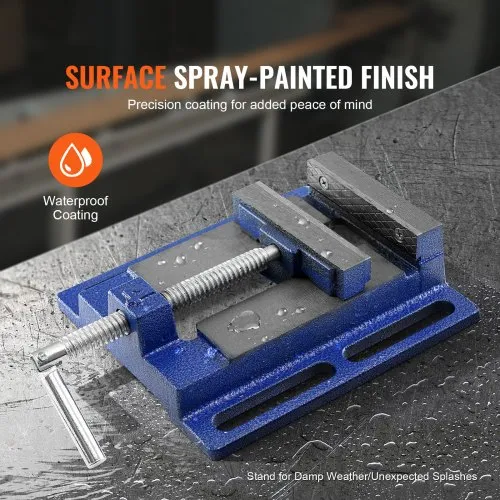
Specialized Drill Press Vises
Specialized drill press vises are made for specific tasks. Some have extra jaws for round objects. Others have quick-release handles for fast adjustments.
These vises improve work speed and accuracy in special projects. They help hold unusual shapes or materials firmly while drilling.
- Extra jaws for holding round items
- Quick-release for fast changes
- Designed for specific tasks
- Improve speed and precision
Credit: www.vevor.ca
Choosing The Right Vise for Your Drill Press
Selecting the right bench vise for your drill press is important. It helps hold your workpiece steady. This makes drilling safer and more accurate.
Many types of vises fit different drill press models and tasks. Understanding the size, shape, and brand options guides your choice.
Matching Vise Size to Drill Press Capacity
Your vise should match the size and power of your drill press. A small vise on a large press may not hold well. A large vise on a small press can be hard to control.
| Drill Press Capacity | Recommended Vise Jaw Width |
| Up to 5 inches | 2 to 3 inches |
| 5 to 10 inches | 3 to 4 inches |
| 10 to 15 inches | 4 to 5 inches |
| Over 15 inches | 5 inches or more |
Considering Workpiece Size And Shape
Think about the size and shape of your workpieces. A vise must hold them firmly without damage. Different shapes need different grip styles.
- Flat pieces work well with standard jaw vises
- Round or irregular shapes may need a swivel or pipe jaw vise
- Large pieces require wider jaw openings
- Soft materials benefit from padded jaws to avoid marks
Budget And Brand Preferences
Set a budget before choosing your vise. Prices vary by size, brand, and features. Trusted brands often offer better quality and durability.
- Decide how much you want to spend
- Check reviews for reliable brands
- Compare warranty and customer support
- Consider extra features like quick-release or swivel base
Installation Tips For Optimal Stability
Installing a bench vise on your drill press requires care. Proper setup ensures safety and precise work.
Use the right tools and follow steps to keep the vise stable during use. This prevents damage and accidents.
Proper Mounting Techniques
Mount your bench vise firmly to the drill press table. Use bolts that fit the holes tightly.
Check that the surface is clean and flat before attaching the vise. This helps the vise sit evenly.
- Use lock washers to keep bolts from loosening
- Tighten bolts evenly to avoid tilting
- Use a wrench to secure bolts firmly
- Align the vise jaws parallel to drill press spindle
Using Additional Clamps And Supports
Extra clamps can add stability to your bench vise. They reduce movement and improve safety.
Use wooden blocks or metal supports under the vise for more strength. This spreads out the pressure.
- Place clamps on both sides of the vise base
- Use rubber pads to prevent slipping
- Check clamps regularly and tighten if loose
- Support heavy workpieces with extra stands
Maintenance For Long-term Performance
Keep your bench vise clean and dry to avoid rust. Wipe it down after each use.
Lubricate moving parts with machine oil. This helps the vise work smoothly for years.
- Check bolts and clamps monthly for tightness
- Remove metal shavings and dust regularly
- Store the drill press in a dry place
- Replace worn parts promptly to maintain safety
Credit: www.vevor.ca
Common Mistakes To Avoid
Bench vises for drill presses are useful. They hold materials steady. Mistakes can lead to problems.
Understanding common mistakes helps you use the vise better. Avoid these to keep your projects smooth.
Overtightening And Material Damage
Overtightening a vise can damage your material. It may cause cracks or warping. Keep a gentle grip.
Avoid using excessive force. Check the material regularly. This prevents damage and ensures a firm hold.
- Inspect for cracks before starting
- Adjust pressure for different materials
- Use a soft pad to protect surfaces
Ignoring Alignment And Leveling
Proper alignment is key. A misaligned vise can cause errors. It affects drilling accuracy and safety.
Level your vise before use. This keeps your drill straight. Use a spirit level for best results.
- Check alignment with a ruler
- Use shims to adjust leveling
- Ensure the drill press table is flat
Using Incompatible Vises
Not all vises fit every drill press. Using the wrong vise can lead to instability. It can also damage the equipment.
Choose a vise that matches your drill press. Check the size and type before buying. Compatibility is crucial.
- Measure your drill press before purchase
- Consult the manufacturer's guidelines
- Test fit the vise before full installation
Popular Bench Vise Models for Drill Press
Choosing the right bench vise for your drill press is important. It helps in keeping your materials steady and safe during drilling.
There are many models available, each with unique features. Here, we explore some popular options for beginners, professionals, and those on a budget.
Top Picks For Beginners
For beginners, ease of use and safety are key. These models are user-friendly and reliable.
- Simple to install and operate
- Lightweight yet durable design
- Affordable and widely available
Professional Grade Options
Professional models offer more precision and advanced features. They are perfect for heavy-duty projects.
| Model | Key Feature |
| Pro Vise 2000 | High torque capacity |
| PrecisionGrip X | Micrometer adjustments |
| DurableMax 500 | Rust-resistant coating |
Budget-friendly Choices
Looking for something affordable? These budget-friendly options do not compromise on quality.
Tips For Precision Work Using A Bench Vise
A bench vise helps hold workpieces steady during drilling or shaping. It improves accuracy and safety by keeping parts in place.
To get the best results, learn how to secure different shapes and adjust the vise for repeated tasks. Using accessories can also add precision.
Securing Irregular Shapes
Irregular shapes can slip if clamped directly in a bench vise. Use soft jaws or padding to hold them firmly without damage.
Try to position the shape so pressure is spread evenly. This stops the piece from moving during work.
- Use rubber or leather pads to protect delicate parts
- Clamp near the widest area for better grip
- Adjust the angle to keep the piece stable
Adjusting For Repeatability
For tasks done many times, set the vise jaws to the exact size needed. This saves time and keeps parts consistent.
Mark the vise or use stops to help place the workpiece quickly in the same spot every time.
- Use a depth stop for drilling holes at the same depth
- Mark jaw positions with tape or markers
- Use a gauge block to set jaw width
Combining With Other Accessories
Adding accessories like clamps or angle plates can improve the bench vise’s function. They help hold workpieces in more ways.
Use these tools to keep parts at the right angle or add extra support for longer pieces.
- Angle plates hold workpieces at precise angles
- Clamps add extra grip on awkward shapes
- Soft jaws protect fragile materials from scratches

Credit: www.amazon.ca
Frequently Asked Questions
What Is A Bench Vise For Drill Press Used For?
A bench vise for drill press securely holds workpieces during drilling. It ensures precision, stability, and safety. It prevents movement and improves drilling accuracy. This tool is essential for metalworking, woodworking, and DIY projects involving a drill press.
How To Choose The Best Bench Vise For Drill Press?
Choose a bench vise with strong jaws, durable materials, and a swivel base. Ensure it fits your drill press table size. Look for adjustable jaw width and smooth operation. Prioritize corrosion resistance and secure mounting options for stability and long-term use.
Can A Bench Vise Improve Drill Press Safety?
Yes, a bench vise enhances safety by firmly holding materials. It prevents slipping and reduces the risk of injury. A stable workpiece allows better control and cleaner drilling. Using a vise minimizes accidents during drill press operations.
What Materials Are Bench Vises For Drill Presses Made From?
Bench vises are typically made from cast iron or steel for strength. These materials provide durability and resistance to wear. Some vises have hardened steel jaws for better grip. Quality materials ensure reliable performance in demanding drilling tasks.
Conclusion
A bench vise for a drill press adds safety and precision. It holds materials firmly during drilling. This tool helps you work faster and with less effort. Choosing the right vise improves your workshop’s efficiency. Always consider size, grip strength, and durability.
Proper use keeps your projects neat and accurate. A good vise supports both beginners and experts alike. Invest time in finding one that fits your needs well. Quality and function matter most in your choice. Your work becomes easier and results more reliable.