

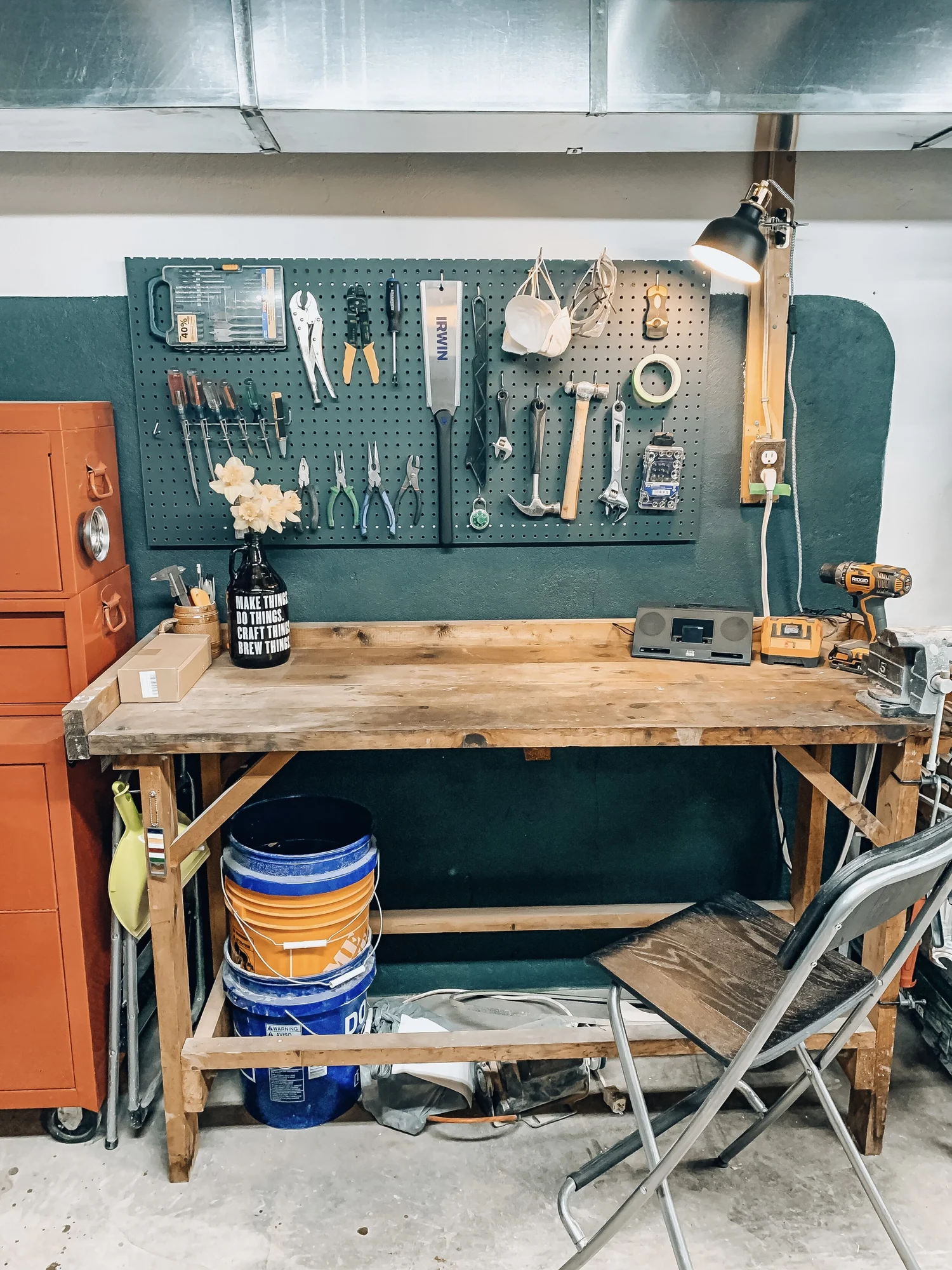
If you spend time working in your basement workshop, you know how important fresh air is. Poor ventilation can make your space feel stuffy, uncomfortable, and even unsafe.
You might not realize it, but the air quality in your workshop affects your health, focus, and the quality of your work. Imagine breathing cleaner air, reducing dust and fumes, and making your workspace a place where you actually enjoy spending time.
This article will show you simple, effective ways to improve your basement workshop ventilation so you can work smarter, safer, and more comfortably. Keep reading—you’ll discover tips that can transform your workshop environment for the better.

Credit: www.reddit.com
Why Ventilation Matters
Ventilation in your basement workshop is not just a nice-to-have feature; it's essential for a safe, comfortable, and efficient workspace. Without proper airflow, you risk health problems, damage to your tools and materials, and a drop in your productivity. Understanding why ventilation matters helps you take the right steps to improve your workshop environment.
Health Risks Of Poor Airflow
Poor ventilation traps dust, fumes, and moisture, which can harm your lungs and skin. If you work with paints, solvents, or wood dust, the air quality directly affects your health.
Have you noticed headaches or fatigue after long hours in your workshop? That might be a sign your space needs better airflow.
Adding vents or exhaust fans can reduce harmful particles and keep fresh air circulating.
Impact On Workshop Materials
Humidity and stale air can warp wood, rust metal tools, and degrade finishes. Your carefully selected materials don’t stand a chance without proper ventilation.
Maintaining consistent airflow helps keep your projects in prime condition, saving you time and money on repairs or replacements.
Think about how often you’ve had to redo a project because of moisture damage. Improving ventilation prevents these costly setbacks.
Comfort And Productivity
A stuffy, damp basement can make working uncomfortable and draining. When your workspace feels fresh and breathable, you stay focused longer.
Good ventilation regulates temperature, reducing sweat and discomfort during intense projects.
Imagine completing tasks faster simply because your workshop feels inviting and energizing—that's the power of proper airflow.
Types Of Ventilation Systems
Choosing the right ventilation system for your basement workshop can dramatically improve air quality and comfort. Different types of ventilation serve various needs, from simple airflow to advanced climate control. Understanding the options helps you find the most effective and affordable solution for your space.
Natural Ventilation Options
Natural ventilation uses windows, vents, and openings to let fresh air flow in and stale air out. It’s a simple, low-cost way to improve air circulation without adding machinery. You might add adjustable vents or install larger windows to boost airflow.
However, relying solely on natural ventilation can be tricky in damp or cold seasons. Have you noticed how some workshops feel stuffy even with open windows? That’s why natural options work best in mild climates or when supplemented by other methods.
Mechanical Ventilation Solutions
Mechanical ventilation uses fans and duct systems to actively move air. Exhaust fans, supply fans, and whole-house ventilation systems provide consistent airflow regardless of outdoor conditions. You gain control over air quality and humidity, which is crucial when working with chemicals or dust.
Installing a fan near your workbench or a dehumidifier with ventilation can drastically reduce mold and odors. Think about the last time you worked in a sealed space and felt light-headed—mechanical ventilation helps prevent that.
Hybrid Ventilation Approaches
Hybrid systems combine natural airflow with mechanical components for flexibility and efficiency. You might use natural vents during the day and switch to fans or air exchangers at night or in bad weather. This method balances energy savings with reliable air exchange.
Consider a setup where you open vents when weather permits but have a mechanical backup ready. This way, you adapt to changing conditions without sacrificing comfort or safety. What could be more practical than a system that adjusts to your workshop’s daily needs?
Choosing The Right Ventilation
Proper ventilation in your basement workshop isn’t just about comfort—it’s essential for safety, efficiency, and the longevity of your tools and materials. Choosing the right ventilation system can seem daunting, but with a little planning, you can create a space that’s both functional and healthy. Let’s break it down into key factors to consider.
Assessing Workshop Size And Layout
Your workshop’s size and layout directly affect your ventilation needs. A small, enclosed space requires a different approach than a sprawling basement with multiple work zones. Measure your workshop area and take note of ceiling height, the number of windows, and any existing ventilation points.
Think about airflow patterns. Is there a natural path for air to move, or do you need to create one? For larger spaces, you may need multiple vents or fans to ensure even air distribution.
Considering Air Quality Needs
What materials do you work with most often? Sawdust, paint fumes, and chemical adhesives can accumulate quickly in a basement workshop. A good ventilation system should filter out these pollutants to protect your health.
Consider adding a combination of exhaust fans and air purifiers. Exhaust fans help push out stale air, while air purifiers can trap fine particles and improve overall air quality. Don’t forget to check the fan’s CFM (Cubic Feet per Minute) rating to ensure it matches your workshop size.
Energy Efficiency Factors
Ventilation doesn’t have to drive up your energy bills. Look for energy-efficient fans and systems with adjustable speed settings. This way, you can control airflow based on your activity level in the workshop.
Sealing gaps and cracks in your basement can also improve efficiency. It reduces the workload on your ventilation system by minimizing unnecessary air exchange. Bonus tip: invest in a programmable timer or smart controls to automate your system and save energy when the workshop isn’t in use.

Credit: www.facebook.com
Installation Tips And Best Practices
Creating an efficient ventilation system in your basement workshop isn’t just about comfort—it’s about safety, air quality, and extending the life of your tools and materials. Proper installation can make all the difference. Here are practical tips and best practices to help you get started.
Positioning Vents And Fans
Strategic placement of vents and fans is key to effective airflow. Position exhaust vents near areas where dust, fumes, or moisture are generated, like workbenches or paint stations. This ensures pollutants are quickly removed from the air.
Intake vents should be placed on the opposite side of the room to create cross-ventilation. This setup improves air circulation by drawing in fresh air while expelling stale air.
If you’re using a fan, mount it in a spot that doesn’t interfere with your work. Ceiling-mounted fans or wall-mounted options can save space while efficiently circulating air.
Sealing And Insulation
Good ventilation starts with a well-sealed and insulated space. Gaps in walls, windows, or doors can let in moisture and compromise airflow. Use weatherstripping or caulk to seal any cracks or openings.
Insulating your basement workshop not only helps maintain temperature but also prevents condensation buildup. This is particularly important if your workspace deals with wood or other moisture-sensitive materials.
Consider insulated ductwork for any ventilation system you install. It reduces energy loss and prevents condensation inside the ducts, which could lead to mold growth.
Maintaining Ventilation Systems
A well-installed system still requires regular maintenance. Clean your vents and fans monthly to prevent dust and debris buildup. Neglecting this step can reduce efficiency and even pose a fire hazard.
Replace any filters in your ventilation system as recommended by the manufacturer. Dirty filters restrict airflow and can circulate contaminants back into the room.
Finally, check for any unusual noises or reduced airflow. These could indicate a problem with your system that needs immediate attention. Stay proactive to keep your workshop safe and comfortable.
Additional Air Quality Enhancements
Improving air quality in a basement workshop goes beyond basic ventilation. Additional enhancements create a healthier, more comfortable workspace. These steps help reduce dust, odors, and moisture. They also protect tools and materials from damage caused by poor air conditions.
Air Purifiers And Filters
Air purifiers capture dust, allergens, and harmful particles. Choose models with HEPA filters for best results. Place purifiers near workbenches or dusty areas. Change filters regularly to keep air clean. Portable units offer flexibility for different workshop zones.
Humidity Control Techniques
Maintaining proper humidity prevents mold and wood warping. Use dehumidifiers to reduce excess moisture. Small, electric models work well in basements. Vent fans also help move moist air outside. Monitor humidity levels to keep them between 30% and 50%.
Regular Airflow Monitoring
Check airflow often to ensure good ventilation. Use simple tools like an anemometer to measure air speed. Look for blocked vents or stagnant air spots. Adjust fans or vents to improve circulation. Consistent airflow keeps the workshop fresh and safe.

Credit: www.facebook.com
Common Ventilation Challenges
Basement workshops often face unique ventilation challenges. These issues affect air quality, comfort, and safety. Proper ventilation is crucial to keep the space healthy and functional. Several common problems arise due to the basement's location and structure. Addressing these challenges ensures a better working environment and prevents long-term damage.
Dealing With Mold And Mildew
Basements tend to be damp and dark, creating ideal conditions for mold and mildew. Poor ventilation traps moisture in the air, allowing fungi to grow. Mold can damage wood, tools, and walls while harming your health.
To control mold and mildew:
- Use exhaust fans to remove humid air.
- Install dehumidifiers to reduce moisture levels.
- Seal cracks and leaks to prevent water intrusion.
- Allow fresh air to circulate regularly.
Noise Reduction Strategies
Ventilation systems can produce unwanted noise in a basement workshop. Loud fans and air ducts may distract or disturb others. Reducing noise improves focus and comfort.
Try these strategies to minimize noise:
- Choose quiet or variable-speed fans.
- Use soundproofing materials around ducts.
- Install vibration dampeners on equipment.
- Position vents away from work areas.
Handling Limited Space Constraints
Basements often have limited space for large ventilation equipment. Finding room for fans, ducts, and filters can be tricky. Efficient use of space helps maintain good airflow without clutter.
Consider these tips:
- Use compact or wall-mounted ventilation units.
- Integrate ventilation into existing structures.
- Plan duct routes to avoid work zones.
- Choose multi-functional devices to save space.
Frequently Asked Questions
Why Is Ventilation Important For Basement Workshops?
Proper ventilation removes dust, fumes, and odors, improving air quality. It prevents moisture buildup, which can cause mold and damage tools.
What Are The Best Ventilation Options For Basement Workshops?
Use exhaust fans, air purifiers, or dehumidifiers. Install ductwork or windows for airflow. Combine methods for efficient air circulation.
How Can I Reduce Moisture In A Basement Workshop?
Use a dehumidifier to control humidity. Seal cracks in walls and floors. Ensure proper drainage outside your home.
Can Poor Ventilation Affect My Health In A Basement Workshop?
Yes, poor ventilation leads to exposure to dust, chemicals, and mold. This can cause respiratory issues and other health problems.
Conclusion
Good ventilation keeps your basement workshop safe and fresh. It helps remove dust, fumes, and moisture fast. Proper airflow also protects your tools and materials from damage. Simple steps like installing vents or fans make a big difference. A well-ventilated space feels more comfortable to work in every day.
Remember, fresh air supports your health and boosts focus. Take care of your workshop’s air quality to enjoy better projects and safer work. Small changes lead to a cleaner, brighter workspace you will appreciate.

