
Are you thinking about adding wheel spacers to your truck but wondering if they’re safe?
You’re not alone. Many truck owners ask this question before making a decision that affects their vehicle’s performance and safety. Are wheel spacers safe on trucks? Understanding how wheel spacers work and their impact on your truck is crucial. You’ll discover the real facts about wheel spacers, what risks to watch out for, and how to use them safely. Keep reading to make sure your truck stays strong and reliable on every drive.

Credit: www.bonoss.com
What Wheel Spacers Do
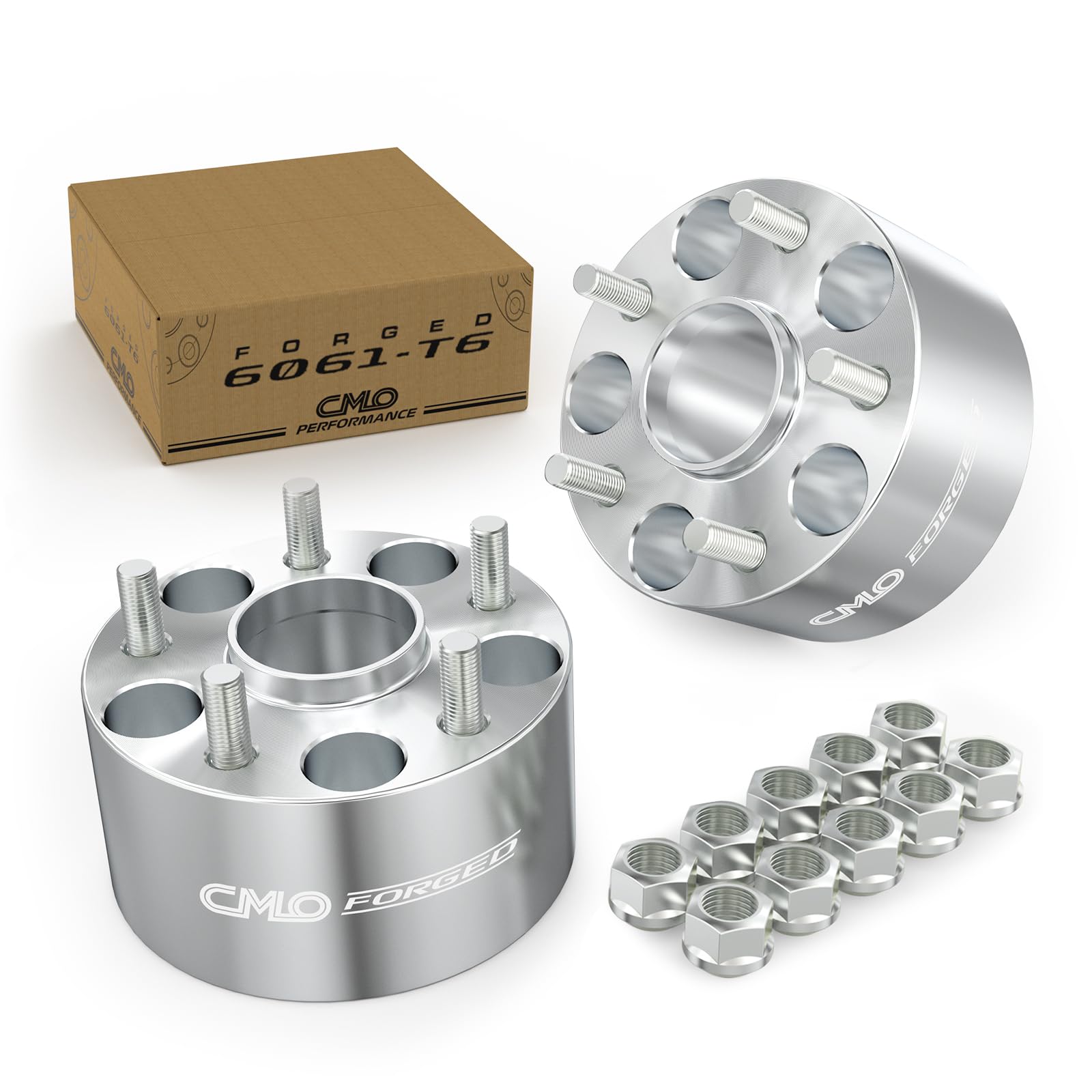
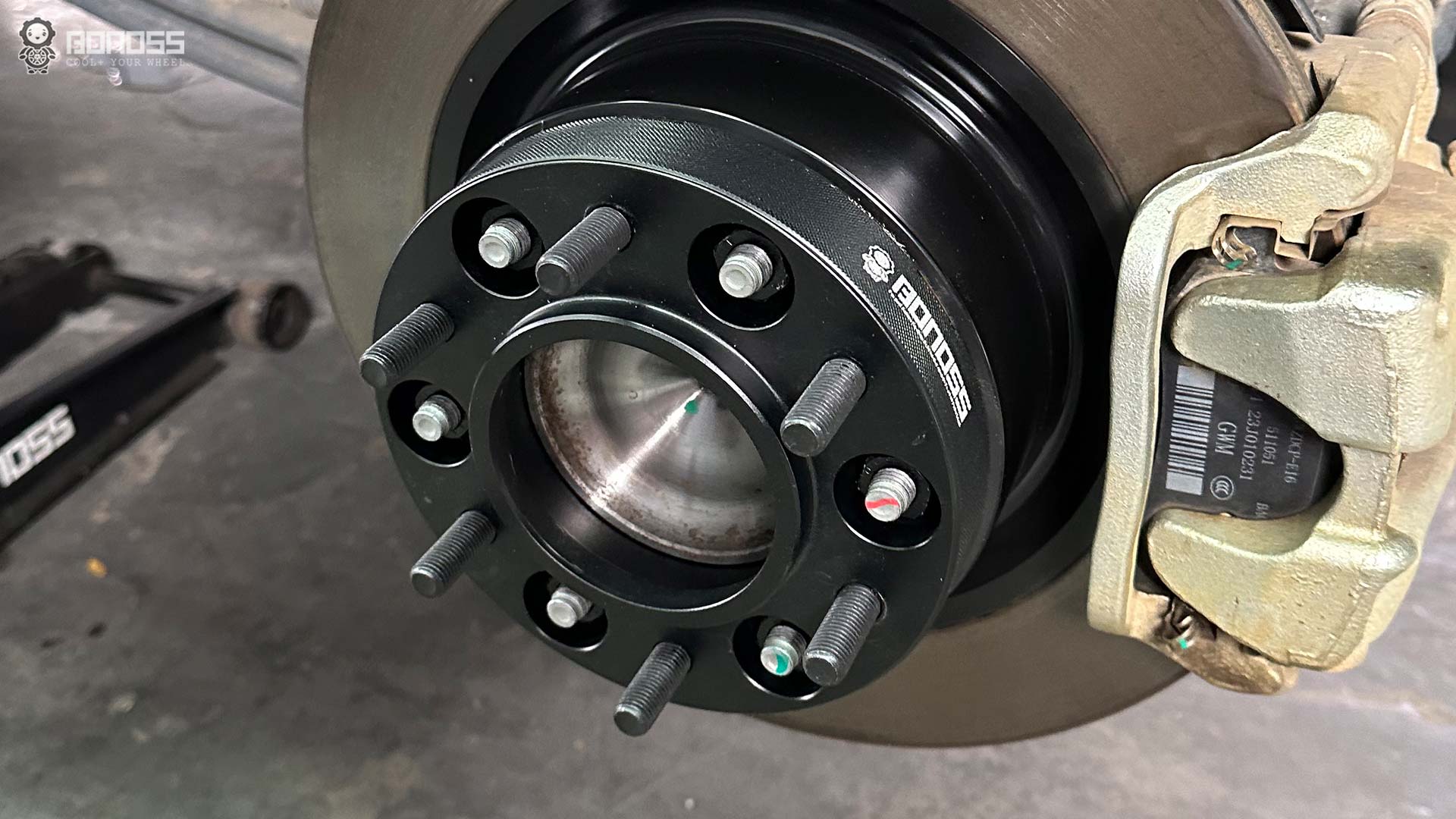
Wheel spacers are devices that fit between the wheel and the hub. They push the wheels outward from the vehicle’s frame. This changes the wheel’s position and stance.
They are popular among truck owners for different reasons. Understanding their purpose helps to decide if they are safe and suitable.
Purpose And Benefits
Wheel spacers serve several key purposes. They can improve the look, performance, and handling of trucks. Here are some main benefits:
- Increase track width for better stability on roads
- Create space for larger brake calipers or suspension parts
- Improve vehicle stance for a wider, more aggressive look
- Allow fitment of custom or wider wheels
- Enhance cornering by reducing body roll
Common Uses On Trucks
Truck owners use wheel spacers for practical and aesthetic reasons. These uses include:
| Use | Description |
| Brake Clearance | Spacers create room for bigger brake systems. |
| Wheel Fitment | They help fit aftermarket wheels not originally designed for the truck. |
| Improved Stability | Wider stance increases traction and reduces sway. |
| Appearance | Wider wheels give a tougher, more balanced look. |
| Suspension Modifications | Spacers allow adjustments without changing suspension parts. |
Types Of Wheel Spacers
Wheel spacers are used to increase the distance between the wheel and the wheel hub. This can provide better handling and a more aggressive look for trucks.
There are two main types of wheel spacers: hub-centric spacers and lug-centric spacers. Each type has its own unique features and benefits.
Hub-centric Spacers
Hub-centric spacers are designed to fit perfectly on the hub of the wheel. They help ensure the wheel is perfectly centered.
- Improves vehicle stability
- Reduces vibration
- Better alignment with the hub
Lug-centric Spacers
Lug-centric spacers center the wheel by the lug nuts instead of the hub. They are often used for custom wheels.
| Feature | Hub-Centric | Lug-Centric |
| Centering Method | Hub | Lug Nuts |
| Vibration | Reduced | More Possible |
| Common Use | Stock Wheels | Custom Wheels |
Safety Concerns
Wheel spacers are common modifications on trucks. They can change how the wheels sit on the axle. This affects safety in many ways.
It is important to know the risks before using wheel spacers. They can impact the truck’s handling and overall safety.
Potential Risks
Wheel spacers add extra distance between the wheel and hub. This can cause problems with the truck’s parts and performance.
- Increased stress on wheel studs and bolts
- Possible loosening of lug nuts over time
- Higher chance of wheel vibration or wobble
- Risk of damage to wheel bearings
- Interference with brake components or suspension parts
Impact On Vehicle Handling
Changing the wheel offset affects how the truck drives. It can change steering response and stability.
| Handling Aspect | Effect of Wheel Spacers |
| Steering | May feel heavier or less precise |
| Cornering | Increased risk of oversteer or understeer |
| Suspension | More strain on components and joints |
| Braking | Possible reduced effectiveness due to altered geometry |
| Ride Comfort | Can cause vibration and rougher ride |

Credit: www.motortrend.com
Installation Best Practices
Installing wheel spacers on trucks requires care and precision. Proper installation keeps your truck safe and running well. Follow key practices to avoid problems.
Use the right tools and follow guidelines to ensure the spacers fit correctly. This helps maintain control and balance on the road.
Choosing Quality Spacers
Good quality spacers last longer and fit better. Choose spacers made from strong materials like billet aluminum. Avoid cheap options that can crack or fail.
- Pick spacers with correct bolt pattern for your truck
- Check spacer thickness to match your needs
- Look for spacers with precise machining
- Choose brands with good reviews and warranties
- Ensure spacers have corrosion-resistant coatings
Proper Torque And Fitment
Applying the right torque is key for wheel spacer safety. Over-tightening or under-tightening can cause problems. Follow manufacturer torque specs exactly.
| Step | Action | Details |
| 1 | Clean mounting surfaces | Remove rust and dirt before installing spacers |
| 2 | Install spacer flush | Ensure spacer sits flat on hub without gaps |
| 3 | Hand-tighten lug nuts | Start lug nuts by hand to avoid cross-threading |
| 4 | Use torque wrench | Tighten nuts to manufacturer torque spec in a star pattern |
| 5 | Re-torque after driving | Check torque again after 50 to 100 miles |
Legal And Warranty Issues
Adding wheel spacers to trucks can change how the vehicle performs. It is important to know the legal rules and how these changes affect your warranty.
This section covers laws about wheel changes and how they may impact your truck’s warranty coverage.
Regulations On Wheel Modifications
Different places have laws about changing your truck’s wheels. These laws aim to keep roads safe for everyone. Using wheel spacers may be allowed or banned depending on where you live.
- Check local and state laws before installing spacers.
- Some areas limit how wide your wheels can be.
- Improper spacers can cause your vehicle to fail safety inspections.
- Legal limits protect against damage to roads and other vehicles.
Effect On Vehicle Warranty
Adding wheel spacers can affect your truck’s warranty. Manufacturers may refuse repairs if spacers cause damage. Knowing your warranty terms helps avoid surprises.
| Warranty Aspect | Possible Effect of Wheel Spacers |
| Suspension | May be voided if spacers cause extra wear |
| Wheel Bearings | Damage from spacers might not be covered |
| Tires | Warranty may not cover uneven tire wear |
| General Coverage | Manufacturer may deny claims linked to spacers |

Credit: www.bonoss.com
Maintenance Tips
Wheel spacers can affect your truck’s safety and performance. Proper maintenance is key to avoid problems.
Regular checks help catch issues early. Follow these tips to keep your wheel spacers in good shape.
Regular Inspections
Inspect wheel spacers every few months or after long trips. Look for loose bolts and unusual gaps between the spacer and wheel hub.
- Use a torque wrench to check bolt tightness
- Clean the spacer and hub to remove dirt
- Check for rust or corrosion
- Listen for unusual noises while driving
Signs Of Wear Or Damage
Look for cracks, bends, or worn threads on the spacers. Damaged spacers can cause wheel wobble or vibrations.
| Sign | What It Means | Action |
| Cracks or Bends | Weakens spacer strength | Replace spacer immediately |
| Rust or Corrosion | Can cause part failure | Clean and treat or replace |
| Loose Bolts | Improper fit, risk of wheel loss | Tighten bolts with correct torque |
| Vibrations or Noise | Spacer or wheel misalignment | Inspect and adjust or replace parts |
Expert Opinions
Wheel spacers are popular among truck owners to improve vehicle stance and fit larger tires. Many ask if they are safe to use on trucks.
Experts have shared views on wheel spacers safety and their impact on truck performance and durability.
Mechanic Recommendations
Mechanics say wheel spacers can be safe if installed properly and matched to the truck’s specifications. Poor quality or wrong size spacers cause issues.
- Use spacers made of strong materials like aluminum or steel.
- Ensure spacers fit the bolt pattern and hub size exactly.
- Check that wheel studs and lug nuts are compatible.
- Tighten lug nuts to the correct torque settings.
- Have a professional install the spacers to avoid mistakes.
User Experiences
Truck owners report mixed results after installing wheel spacers. Many say they felt improved stability and appearance.
| User | Experience | Notes |
| James | Positive | Wheel spacers improved tire clearance without issues. |
| Linda | Negative | Used cheap spacers and noticed vibration on highway. |
| Mark | Positive | Installed with professional help; no problems after 10,000 miles. |
| Sara | Neutral | Spacers worked but required frequent lug nut checks. |
Frequently Asked Questions
Are Wheel Spacers Safe For Trucks?
Wheel spacers can be safe if installed correctly. They must match bolt patterns and be torqued properly. Poor installation can cause vibrations or stress on suspension parts. Always use quality spacers and follow manufacturer guidelines for safety.
How Do Wheel Spacers Affect Truck Handling?
Wheel spacers increase track width, improving stability and cornering. However, they can add stress to wheel bearings and suspension if oversized. Properly sized spacers enhance handling without compromising safety. Choose spacers that suit your truck’s suspension design.
Do Wheel Spacers Cause Premature Wear On Trucks?
Improper or oversized spacers can cause premature wear on bearings and suspension components. Correct installation and appropriate spacer thickness minimize wear risks. Regular inspection is essential to catch any early signs of damage or loosening.
Can Wheel Spacers Improve Truck Appearance?
Yes, wheel spacers push wheels outward for a wider stance. This enhances the truck’s aggressive and balanced look. Spacers also allow for larger brake clearance and custom wheel fitment options.
Conclusion
Wheel spacers can improve truck stability and appearance. They must fit correctly and match your truck’s specs. Poor installation or cheap spacers cause safety risks. Always choose quality parts and follow instructions carefully. Regularly check spacers for damage or loosening.
Safe driving depends on proper maintenance and attention. Consider expert advice if unsure about using spacers. Good care keeps your truck safe and running well.