
Have you ever worried about the security of your home or office door? Fingerprint door locks promise a high-tech way to keep your space safe without fumbling for keys.
But you might be asking yourself—are these locks truly safe? Can you really trust your fingerprint to protect what matters most? You’ll discover the truth about fingerprint door locks, what makes them secure, and what risks you should watch out for.
By the end, you’ll know exactly if this smart technology is the right choice for your safety. Keep reading to make an informed decision about your security.

Credit: www.amazon.com
Fingerprint Locks Basics
Fingerprint door locks use your unique fingerprint to let you in. They offer a keyless way to secure your home or office.
These locks scan and recognize fingerprints to allow access. They are popular for their convenience and security features.
How Fingerprint Technology Works
Fingerprint locks scan your fingerprint using a sensor. The sensor captures the patterns of ridges and valleys on your finger.
The lock compares this scan to stored fingerprint data. If there is a match, the lock opens. If not, access is denied.
Types Of Fingerprint Door Locks
There are several kinds of fingerprint locks. They differ in how they read fingerprints and how they connect to your door.
- Capacitive locks:Use electrical signals to read fingerprint details.
- Optical locks:Use light to capture a digital image of the fingerprint.
- Ultrasonic locks:Use sound waves to create a detailed 3D image of the fingerprint.
- Standalone locks:Work without internet or apps, storing fingerprints inside the device.
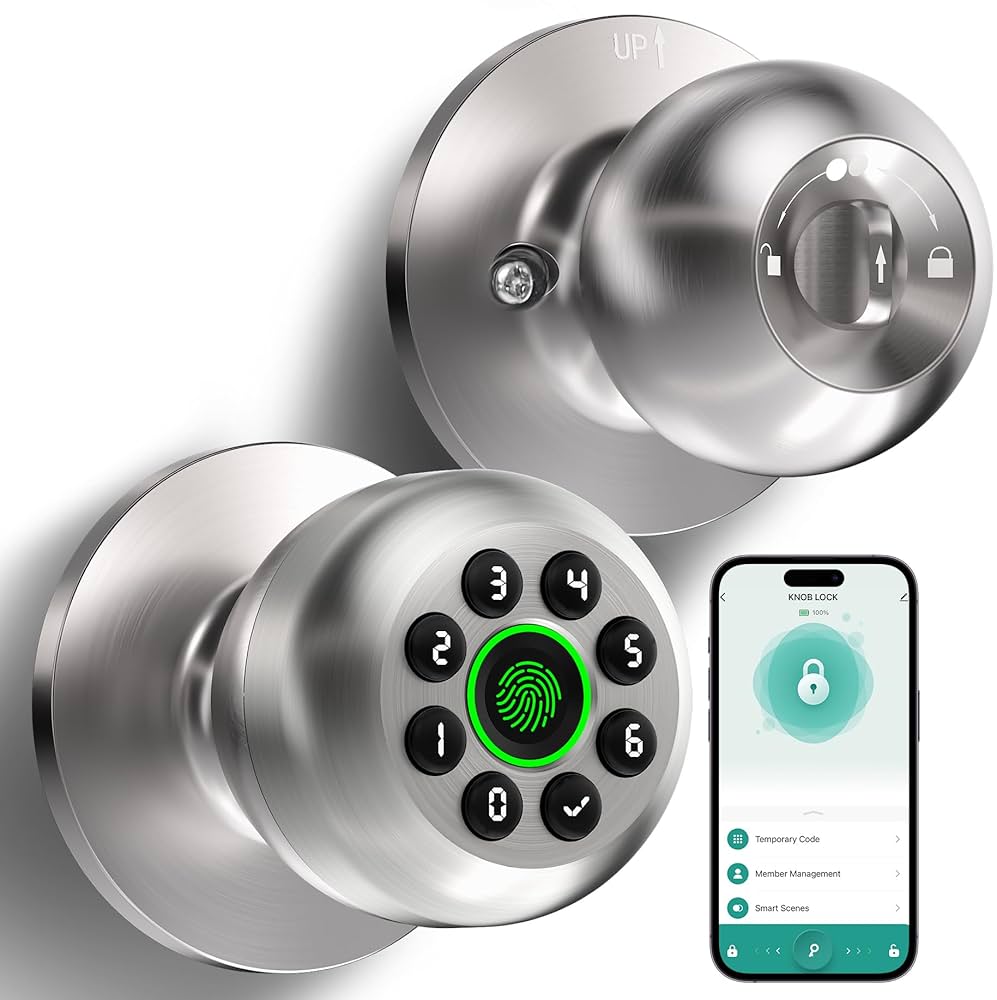
- Smart locks:Connect to apps or Wi-Fi for remote control and monitoring.
Security Strengths
Fingerprint door locks offer strong security by using unique biometric data. They protect homes and offices better than traditional locks.
These locks combine technology and convenience to keep unauthorized people out. Let's explore their key security features.
Unique Biometric Identification
Each person has a fingerprint pattern that no one else shares. Fingerprint door locks read these patterns to verify identity.
- Uses advanced sensors to capture fingerprint details
- Reduces risk of lost or stolen keys
- Prevents access by anyone without registered fingerprints
Resistance To Common Break-in Methods
Fingerprint locks resist many common break-in tactics. They are harder to pick or bump than standard locks.
| Break-in Method | Effectiveness Against Fingerprint Locks |
| Lock Picking | Very Low |
| Bumping | Minimal |
| Key Duplication | Not Possible |
| Forced Entry | Depends on Door Strength |
Convenience And Access Control
Fingerprint locks allow easy control over who enters a space. You can add or remove users without changing the lock.
- Quick unlocking with a touch
- No need to carry physical keys
- Tracks who accessed the door and when
- Can store multiple fingerprints for family or staff
Potential Vulnerabilities
Fingerprint door locks are popular for security and ease of use. They use your fingerprint to allow access. Still, they have some weaknesses.
Understanding these risks helps you choose the right lock and keep your home safe.
Spoofing And Fake Fingerprints
Some thieves try to trick fingerprint locks using fake fingerprints. They copy a real fingerprint to fool the scanner. This method is called spoofing.
- Use of high-quality fake fingerprints
- Copying fingerprints from objects touched by the owner
- Advanced scanners can still be fooled by some spoofing methods
Technical Failures And Malfunctions
Fingerprint locks can fail due to technical problems. These issues can stop the lock from reading fingerprints correctly.
| Issue | Cause | Effect |
| Sensor damage | Physical wear or scratches | Lock may not read fingerprints |
| Software bugs | Errors in the lock's code | Lock may freeze or deny access |
| Power failure | Battery runs out or wiring issue | Lock becomes unusable |
Data Privacy Concerns
Fingerprint locks store your fingerprint data. If this data is not well protected, it can be stolen or misused.
- Data breaches could expose your fingerprint information
- Some locks send data to cloud servers, adding risk
- Unauthorized access to data may lead to identity theft
Comparing With Traditional Locks
Fingerprint door locks offer a new way to secure your home. They use your fingerprint to open the door.
Traditional locks use physical keys. We will compare these with fingerprint locks and other smart options.
Mechanical Locks Vs. Biometric Locks
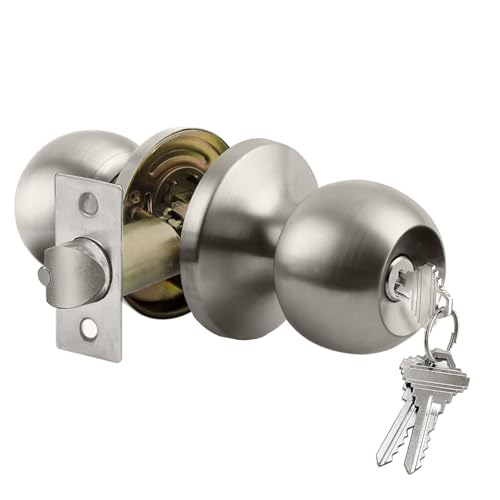
Mechanical locks need a key to open. They are simple and do not need power.
Biometric locks use fingerprints for access. They are faster and do not need a key.
- Mechanical locks can be picked or copied.
- Biometric locks need electricity or batteries.
- Mechanical locks are cheaper to install.
- Biometric locks offer keyless convenience.
- Mechanical locks have been used for many years.
- Biometric locks provide unique access control.
Keypad And Card Access Systems
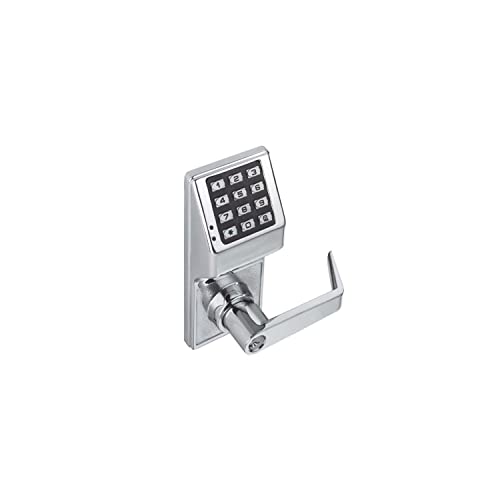
Keypad locks require a code to open the door. They do not need a physical key.
Card access systems use a card or fob for entry. They work by scanning the card near the lock.
- Keypad systems can be shared by many users.
- Cards can be lost or stolen.
- Keypads need users to remember codes.
- Cards offer quick and easy access.
- Both need power or batteries to work.
- Fingerprint locks avoid code or card problems.
Enhancing Fingerprint Lock Security
Fingerprint door locks use your fingerprint to control access. They are more secure than traditional keys. Still, it is important to improve their security.
There are ways to make fingerprint locks safer. These include extra checks and good maintenance.
Multi-factor Authentication
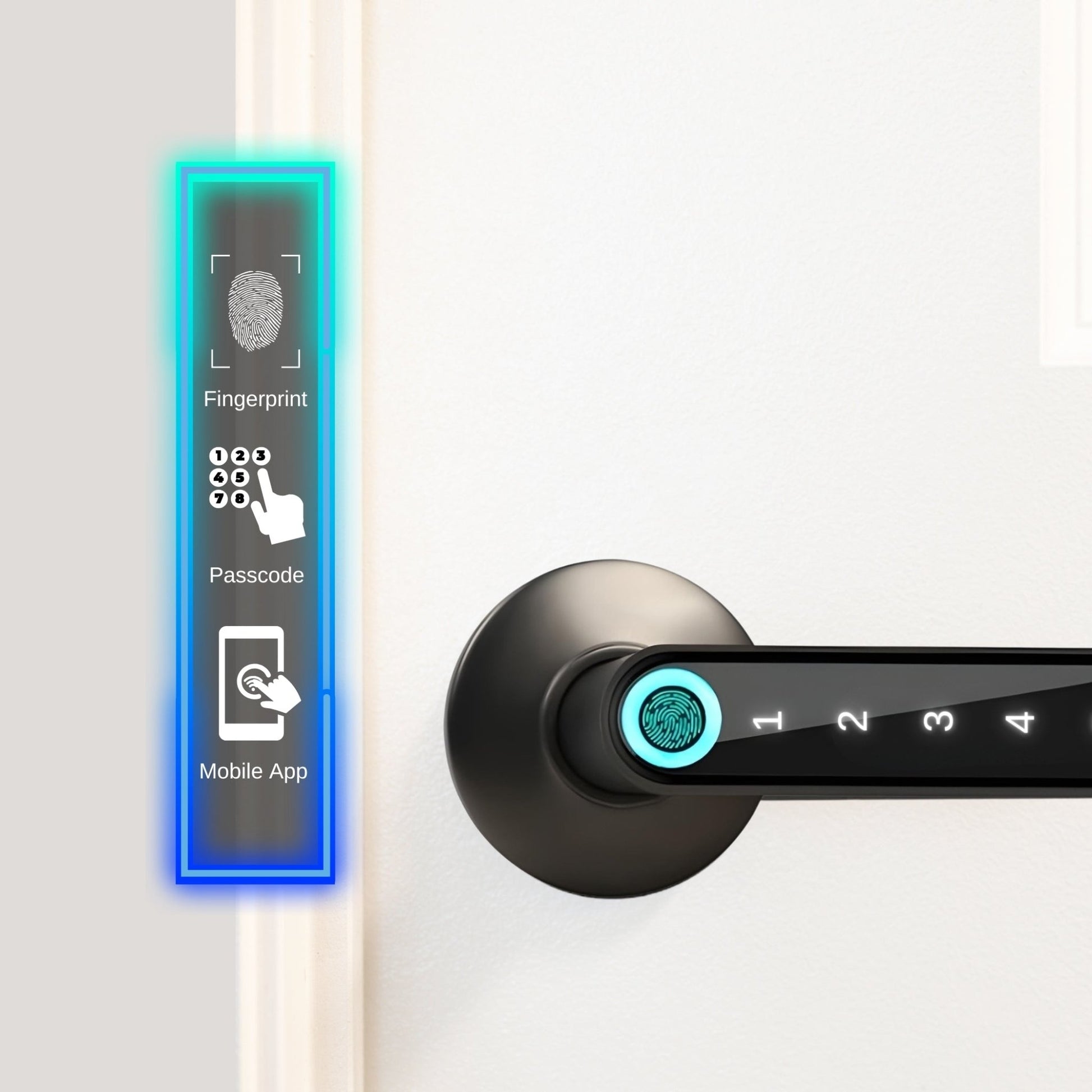
Multi-factor authentication means using more than one way to verify a person. Fingerprint locks can use a code or a key card along with a fingerprint.
This makes it harder for someone to break in. Even if a fingerprint is copied, the other checks stop access.
- Fingerprint plus PIN code
- Fingerprint plus key card
- Fingerprint plus smartphone app
Regular Software Updates
Software controls how fingerprint locks work. It needs regular updates to fix bugs and improve security.
Updates protect the lock from new hacking methods. They also help the fingerprint sensor work better.
- Check for updates often
- Install updates as soon as possible
- Use official software from the maker
Physical Security Measures
Strong physical parts keep fingerprint locks safe. The lock should be hard to break or tamper with.
Good installation and sturdy materials make it tough for intruders. Protecting the lock from weather helps it last longer.
- Use strong metal casings
- Install locks on solid doors
- Cover locks to stop water damage
Choosing The Right Fingerprint Lock
Fingerprint door locks offer a modern way to secure your home. They use biometric technology to ensure only authorized people can enter.
When selecting a fingerprint lock, consider several factors to ensure you choose the best one for your needs.
Evaluating Lock Features
Look for locks with features that enhance security and convenience. Some locks offer additional access methods like keypads or physical keys.
- Check for anti-tamper alarms
- Consider locks with auto-lock features
- Look for weather-resistant models for outdoor use
- Ensure the lock can store multiple fingerprints
Brand Reputation And Reviews
Choose brands with a good reputation for quality and reliability. Read reviews from other users to learn about their experiences with different models.
| Brand | Rating |
| Brand A | 4.5/5 |
| Brand B | 4.2/5 |
| Brand C | 4.7/5 |
Installation And Maintenance Tips
Proper installation and maintenance are crucial for the lock's performance. Ensure the lock is correctly installed according to the manufacturer's instructions.
Future Trends In Biometric Security
Fingerprint door locks are becoming more common. They offer security by using unique prints. Let's explore future trends in biometric security.
Biometric technology is advancing rapidly. It promises safer homes and offices. New trends focus on making these systems smarter and more reliable.
Advancements In Sensor Technology
Sensors in fingerprint locks are improving. They are more accurate and faster now. These advancements help in better identifying fingerprints.
New sensors can detect fake fingerprints. This makes the locks safer. They also work well in different weather conditions.
- Improved accuracy in fingerprint reading
- Faster processing times
- Detection of fake fingerprints
- Weather-resistant sensors
Integration With Smart Home Systems
Fingerprint door locks can now connect with smart home systems. This integration allows for more control and convenience for homeowners.
You can control the locks with your phone. They can also work with other smart devices. This creates a more connected home environment.
- Remote control via smartphone
- Integration with other smart devices
- Enhanced home automation
Emerging Biometric Methods
Biometric security is not limited to fingerprints. New methods are emerging. These include facial recognition and voice identification.
These methods offer different levels of security. They can be used alone or with fingerprint locks. This provides more options for securing places.
- Facial recognition for added security
- Voice identification as an alternative
- Multi-modal biometric systems
Credit: theconnectedshop.com

Credit: www.amazon.com
Frequently Asked Questions
Are Fingerprint Door Locks More Secure Than Traditional Locks?
Fingerprint door locks offer enhanced security by using unique biometric data. They reduce risks of lost keys and lock picking, making them more reliable than traditional locks.
Can Fingerprint Locks Be Hacked Or Bypassed Easily?
While not impossible, fingerprint locks have advanced encryption and anti-spoofing features. These make hacking or bypassing them significantly harder than conventional locks.
Do Fingerprint Locks Work In All Weather Conditions?
Most fingerprint locks are designed to work in various weather conditions. However, extreme cold or dirt on sensors may affect their performance temporarily.
How Reliable Are Fingerprint Scanners Over Time?
Fingerprint scanners remain reliable with regular maintenance and cleaning. Sensor quality and usage frequency influence their accuracy and lifespan.
Conclusion
Fingerprint door locks offer strong security with easy access. They reduce the risk of lost or stolen keys. Most models use advanced technology to protect your home. Still, no lock is completely foolproof. Regular updates and proper use keep them safer.
Consider your needs and budget before buying one. Choose a lock with good reviews and support. Fingerprint locks combine convenience with modern safety features. They can be a smart choice for many homes. Trust your instincts and stay informed to protect your space well.