Why Eye Protection Matters
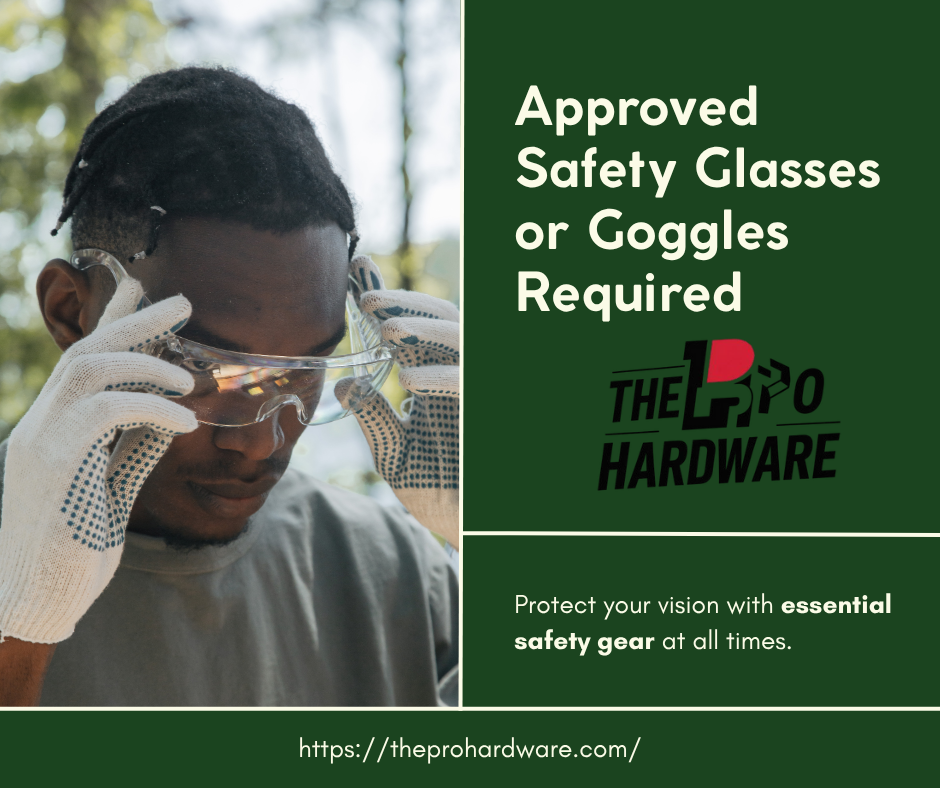
Wearing safety glasses or goggles keeps your eyes safe at work. Eyes are very delicate and can get hurt easily. Good protection blocks dust, chemicals, and flying bits. It helps workers stay healthy and avoid pain. That is why approved safety glasses or goggles must be worn whenever there is a risk of eye injury.
Common Eye Injuries
Many eye injuries happen without safety glasses. Small bits can scratch the eye's surface. Chemicals or bright light can cause burns. Flying objects may hit the eye. This causes serious damage.
-
Scratches and cuts on the eye surface.
-
Burns from chemicals or heat.
-
Objects getting stuck in the eye.
-
Infections caused by germs.
-
Damage from bright light.
Long-Term Eye Problems
Eye injuries can cause lasting issues. Some damage may lead to losing your sight forever. People might have pain for years. They may struggle to see clearly.
-
Permanent sight loss or total blindness.
-
Ongoing eye pain and discomfort.
-
Higher risk of eye infections.
-
Trouble doing simple daily tasks.
-
Need for surgery or long medical care.
Credit: www.popularmechanics.com
Types of Safety Gear
Approved safety glasses or goggles protect your eyes from dangers. Different types fit different work settings. Knowing the features helps you pick the right gear.
Safety Glasses
Safety glasses look like regular ones. They have strong lenses. They guard against flying dirt and light hits.
-
Lenses are strong, often polycarbonate.
-
Side shields block particles from the sides.
-
Scratch-resistant coating makes them last longer.
-
Light frames mean comfort for long wear.
-
Anti-fog treatment keeps the lenses clear.
Goggles and Their Uses
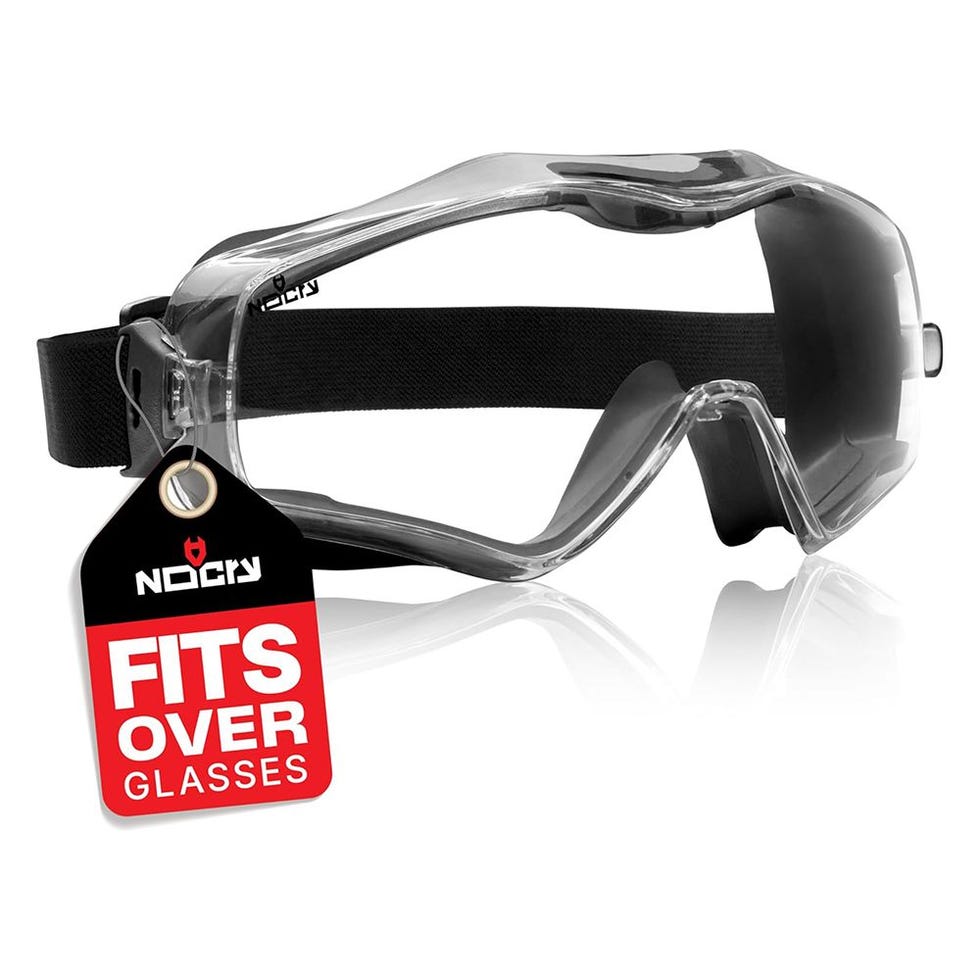
Goggles fully cover your eyes. They seal all around the edges. They protect against dust, chemicals, and strong hits.
Glasses vs. Goggles
Use glasses for light work. Pick them when you need to remove them fast. Goggles work best for dusty or chemical areas.
-
Use glasses for comfort and clear sight.
-
Choose goggles for full protection.
-
Check your work hazards first.
-
Make sure they fit securely.
Rules for Approved Gear
Approved safety glasses guard your eyes from dangers. They must meet specific safety rules. These rules ensure they can handle hits. They also ensure a clear view. Glasses must be tested and certified.
Key Approval Marks
Marks show glasses meet all safety standards. Look for these marks before you buy.
-
ANSI Z87.1: US standard for impact protection.
-
EN166: European standard for eye protection.
-
CSA Z94.3: Canadian safety eyewear standard.
What Makes Gear 'Approved'?
Approved glasses pass tough tests. These tests check protection against different risks. Lenses and frames must be strong. Lenses must be clear for good vision.
-
Impact Resistance: Stops flying objects.
-
Scratch Resistance: Keeps vision clear over time.
-
UV Protection: Blocks harmful sun rays.
Fit and Comfort
Wearing approved gear is vital. A good fit helps you keep them on all day. Poor-fitting glasses cause pain. They also reduce safety. Focus on fit and good materials.
Secure Fit Adjustments
Glasses must fit snugly without hurting you. Adjust the nose pads and arms to your face.
-
Use adjustable nose pads to stop slipping.
-
Bend arms gently for a firm grip on ears.
-
Ensure glasses do not press too tightly.
-
Make sure goggles seal fully to block dirt.
Durable Materials
Choose light, strong materials. This reduces tiredness. It makes the gear last through tough work.
Care and Maintenance
Approved safety glasses protect your eyes. Keep them clean and maintained. Proper care makes them last. It helps them work better. Follow simple steps to keep your eyewear safe.
Cleaning Them
Clean your glasses often for clear vision. Dirt blocks your view. This can cause accidents. Use mild soap and water. You can also use lens cleaner. Dry them with a soft cloth. Do not use paper towels that scratch.
-
Rinse glasses under warm water.
-
Use mild soap or lens cleaner.
-
Gently rub the lenses with fingers.
-
Rinse all soap off completely.
-
Dry with a soft, microfiber cloth.
Storage Rules
Store your glasses in a clean, dry spot. Use a hard case to stop damage. Do not leave them in hot spots. Heat is bad for them. Proper storage keeps lenses clear.
-
Use a strong case for storage.
-
Keep them away from high heat.
-
Store them in a dry place.
-
Do not leave glasses face down.
When to Change Them
Replace glasses if lenses are scratched or cracked. Scratches hurt your vision. They lower protection. Also, replace glasses if the frames are broken. Old eyewear might not fully protect you. Check them often. Replace them to stay safe.
-
Lenses have deep scratches or cracks.
-
Frames are broken or loose.
-
Glasses feel uncomfortable.
-
Coatings wear off the lenses.
-
Eyewear is over two years old.
-lenskart-safety-goggles-l-e13335-c1_untitled_session81014_141866.jpg)
Credit: www.lenskart.com
Workplace Safety Rules
Eye safety is a key part of work protection. Approved gear helps prevent injuries. Companies must have clear rules. Workers need training on how to use their gear. This lowers risks and accidents.
Enforcing the Rules
Employers must make eye protection mandatory. Supervisors must check that workers wear gear all the time. This rule lowers eye injuries.
-
Give workers approved eye protection.
-
Post clear signs about wearing glasses.
-
Check compliance during all shifts.
-
Replace damaged or old safety gear.
Worker Training
Training teaches workers correct use. It covers putting on and adjusting glasses. Training also explains when to replace them.
Extra Protection
Wearing approved gear is vital. Sometimes, you need more defense. Consider using extra safety gear.
Face Shield
Face shields add a layer of defense. They protect against splashes and flying bits. They work well with safety glasses.
-
Wear glasses under the face shield for full protection.
-
Make sure the shield covers your entire face.
-
Check and adjust the fit often.
Combining Gear (PPE)
Eye protection must work with other gear (PPE). This ensures complete safety.
Always ensure all gear fits together well. Avoid gaps in your protection.

Credit: www.popularmechanics.com
Frequently Asked Questions
Why must I wear approved safety glasses?
Approved glasses protect eyes from flying dirt and chemicals. They meet safety rules. They ensure strong protection at work or in labs.
Goggles vs. Glasses: What's the difference?
Goggles fit tightly around the eyes. They offer better defense against dust and splashes. Glasses mainly protect against frontal hits.
What standards certify safety glasses?
Glasses must follow ANSI Z87.1 or EN166 rules. These guarantee they resist impact. They ensure safety.
When are safety goggles mandatory?
Goggles are mandatory for tasks with chemicals, dust, or flying particles. Wearing them lowers eye injury risk in dangerous spots.
Conclusion
Wearing approved safety gear protects your eyes daily. They stop dust, chemicals, and flying bits. Safety gear fits well. It is comfortable for long wear. Always choose the right type for your job.
Eye safety is simple yet crucial. Protect your vision now. Avoid serious injury later. Stay safe. Keep your eyes covered. Safety glasses are a small step with great benefits.

