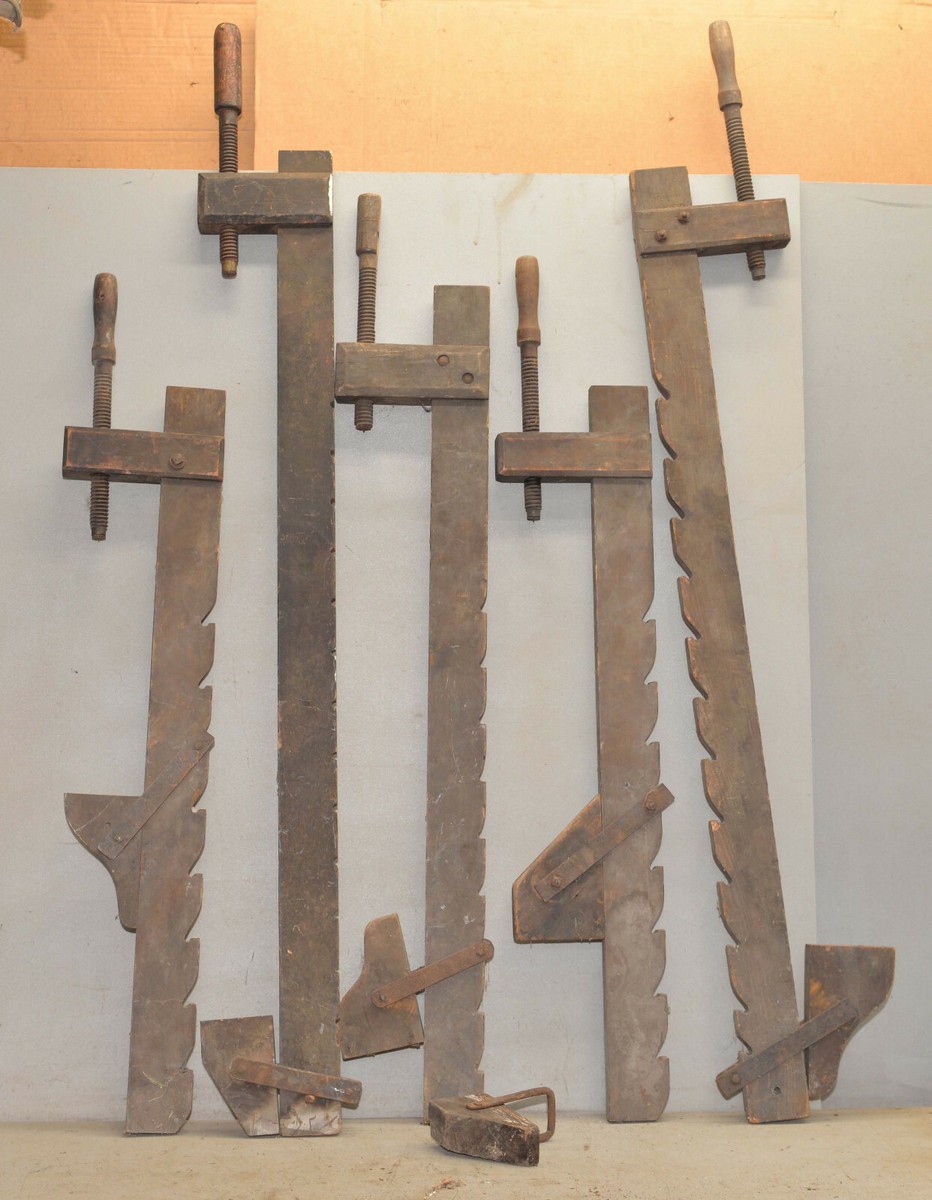
If you’re passionate about woodworking or collecting unique tools, antique wooden bar clamps hold a special charm you won’t want to miss. These clamps are more than just tools—they carry history, craftsmanship, and a story in every piece.
Imagine holding a tool that not only helps you create but also connects you to the skilled hands of the past. You’ll discover why antique wooden bar clamps are prized by collectors and craftsmen alike, how to spot a genuine piece, and ways to use and care for them.
Keep reading to unlock the secrets behind these timeless tools and see how they can add value and character to your collection or workshop.

Credit: www.ebay.com
History Of Wooden Bar Clamps
Wooden bar clamps have been essential tools in woodworking for centuries. They help hold pieces of wood tightly together during glueing and assembly.
This article explores their origins and how their design changed over time.
Origins And Early Designs
The first wooden clamps appeared in ancient times. Early woodworkers used simple wooden bars and wedges to hold objects in place.
- Basic wooden frames with screw mechanisms
- Hand-carved wedges for tightening
- Use of natural fibers for straps and bindings
- Simple, sturdy designs for ease of repair
These early designs focused on functionality and durability rather than comfort or precision.
Evolution Through The Centuries
Wooden bar clamps evolved with new woodworking needs and tools. Metal parts were added to increase strength and accuracy.
| Century | Design Change | Purpose |
| 17th | Introduction of screw threads | Better tightening control |
| 18th | Use of iron bars with wooden handles | Increased durability |
| 19th | Combination of metal and wood parts | Improved clamping force |
| 20th | Mass production and standard sizes | Wide availability and consistency |
Today’s wooden bar clamps still carry much of the old craftsmanship but use modern materials for better performance.
Materials And Craftsmanship
Antique wooden bar clamps show great skill in their making. They use strong wood and careful work. These clamps last long and work well.
The quality of the wood and the way the clamps are made make a big difference. This helps them hold pieces tightly without damage.
Types Of Wood Used
Antique clamps use hardwood for strength and durability. Hardwoods resist wear and hold up to pressure better than softwoods.
Common woods include oak, maple, and walnut. Each wood has unique color and grain, adding beauty to the clamps.
- Oak:Very strong and resists bending.
- Maple:Smooth surface and hard texture.
- Walnut:Dark color and fine grain.
- Beech:Tough and easy to shape.
Handmade Vs. Machine-made Clamps
Handmade clamps show more detail and care. Craftsmen shape each part by hand for a perfect fit.
Machine-made clamps are faster to produce. They are more uniform but may lack unique features.
- Handmade:Unique, detailed, and often stronger joints.
- Machine-made:Consistent size and shape, made quickly.
Design Features Of Antique Clamps
Antique wooden bar clamps show the skill of old tool makers. Their design focuses on strength and long use.
Each part of these clamps tells a story about how woodworkers worked in the past.
Jaw Mechanism And Adjustability
The jaw mechanism in antique clamps uses a wooden screw or wedge system. This allows tight holding without metal parts.
- Wooden screws provide smooth tightening
- Wedges allow quick jaw adjustments
- Sliding bars help fit different sizes of workpieces
- Simple design reduces risk of damage to wood
Decorative Elements And Patina
Decorations on antique clamps include carved details and shaped handles. These add beauty and grip.
| Feature | Description |
| Carved Handles | Shaped for comfort and style |
| Patina | Darkened wood from age and use |
| Brass Inlays | Small metal accents for decoration |
| Tool Marks | Signs of hand craftsmanship |
Credit: www.ebay.com
Benefits For Woodworkers
Antique wooden bar clamps are useful tools in woodworking. They help hold pieces of wood together firmly.
These clamps offer many benefits that improve woodworking projects. They bring strength and precision to your work.
Durability And Strength
Antique wooden bar clamps are made from strong hardwoods. This makes them long-lasting and able to handle heavy pressure.
The wood used resists wear and damage better than plastic clamps. This means they stay reliable for many years.
- Strong hardwood frame holds tight without bending
- Wood absorbs shock and reduces damage to workpieces
- Simple design with fewer parts means less breakage
Precision In Joinery
Woodworkers need clamps that keep wood pieces perfectly aligned. Antique wooden bar clamps offer steady, even pressure.
This helps create tight joints and smooth surfaces. The clamps hold parts exactly where they should be during gluing or assembly.
- Even pressure prevents gaps in joints
- Adjustable bars allow precise fitting of different sizes
- Wood jaws protect wood from scratches
Collecting And Restoring
Antique wooden bar clamps are valuable tools for collectors and woodworkers. They show old craftsmanship and have unique designs. Caring for these clamps keeps them working and looking good.
Collecting and restoring these clamps requires care and knowledge. Learn how to identify real pieces and keep them in good shape.
Identifying Authentic Pieces
Finding a genuine antique wooden bar clamp means looking at details. Age, wood type, and maker marks help confirm if a clamp is real.
- Check for hand-cut joints and tool marks
- Look for patina on the wood and metal parts
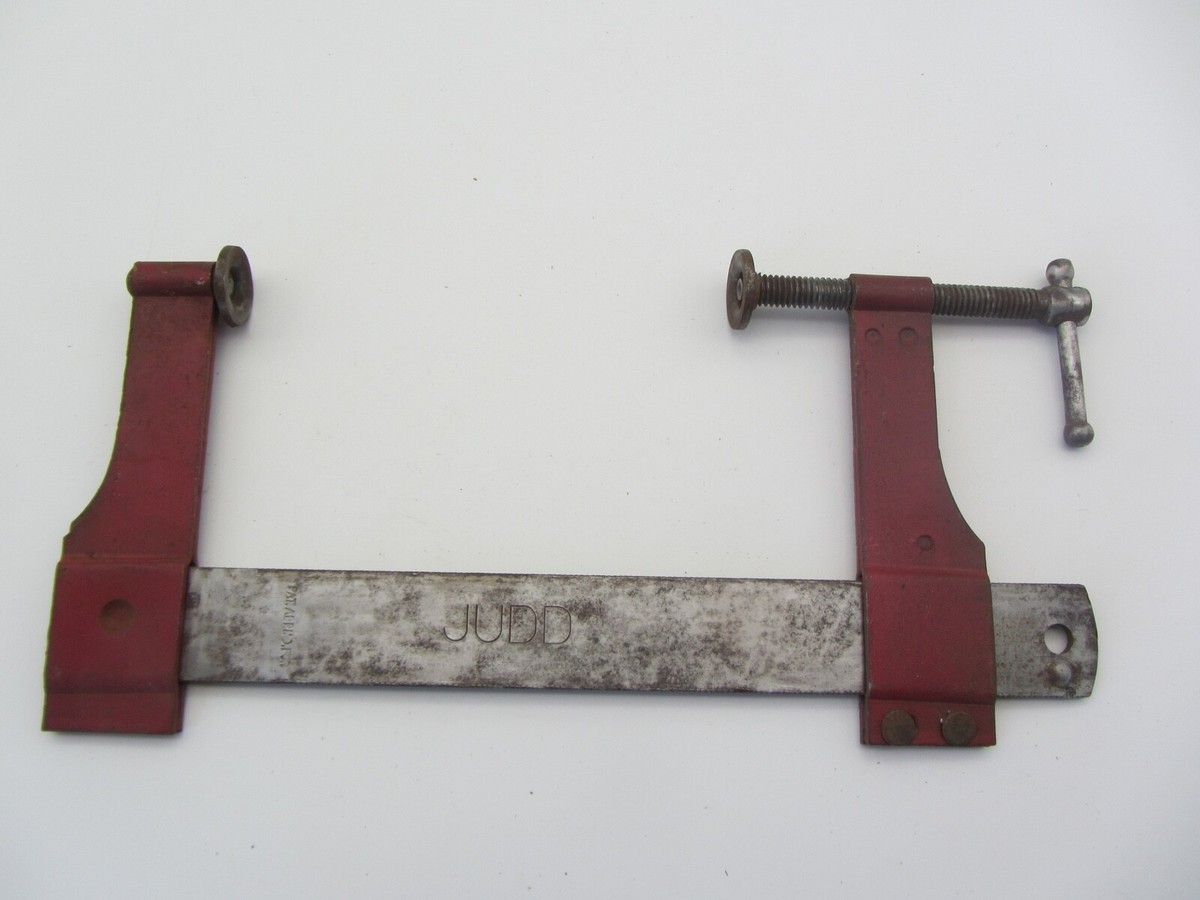
- Find maker’s stamps or engraved names
- Examine the wear from use, not damage
- Compare with known antique clamp styles
Tips For Restoration And Maintenance
Restore antique clamps gently to keep their value. Use soft cleaning methods and avoid harsh chemicals. Keep wood and metal parts in balance.
| Task | Recommended Method |
| Cleaning Wood | Use mild soap and a soft cloth |
| Removing Rust | Light sanding or fine steel wool |
| Lubricating Metal | Apply light machine oil |
| Repairing Wood Cracks | Use wood glue and clamps carefully |
| Polishing | Use beeswax or natural wood polish |
Modern Use And Relevance
Antique wooden bar clamps have a unique charm. They are more than just tools from the past. Today, they find a place in modern workshops.
These clamps are valued for their durability and craftsmanship. They are not just decorative pieces. Craftsmen use them for various projects.
Integrating Antique Clamps In Workshops
Antique clamps add a touch of history to workshops. Their sturdy design makes them reliable for heavy-duty tasks.
Woodworkers appreciate the precision they offer. These clamps are great for projects needing strong grip and stability.
- Useful for aligning large wooden pieces
- Ideal for furniture restoration projects
- Enhances the aesthetic of traditional workshops
Comparing With Contemporary Clamps
Modern clamps are made from metal and plastic. They are lighter and sometimes easier to handle.
Antique wooden bar clamps offer a different experience. Their weight and design provide a solid grip unmatched by many modern clamps.
| Feature | Antique Wooden Clamps | Contemporary Clamps |
| Material | Wood | Metal/Plastic |
| Weight | Heavy | Light |
| Design | Traditional | Modern |
Credit: www.ebay.com
Frequently Asked Questions
What Are Antique Wooden Bar Clamps Used For?
Antique wooden bar clamps are primarily used in woodworking. They hold pieces firmly during glue drying or assembly. Their vintage design adds charm to workshops. Collectors also value them for historical significance and craftsmanship.
How To Identify Genuine Antique Wooden Bar Clamps?
Look for hand-crafted details, aged wood, and original hardware. Authentic clamps show wear from use, such as patina and minor dents. Research maker’s marks or stamps to verify age and origin. Genuine antiques have sturdy, time-tested construction.
Why Choose Antique Wooden Clamps Over Modern Metal Ones?
Antique wooden clamps offer gentle pressure, reducing wood damage. They provide aesthetic appeal and historical value. Wood absorbs shock better than metal, preventing marks on delicate workpieces. They suit traditional woodworking and collectors seeking unique tools.
How To Maintain And Restore Antique Wooden Bar Clamps?
Clean clamps gently with mild soap and water. Avoid harsh chemicals that damage wood or finish. Apply wood oil to preserve moisture and prevent cracks. Tighten screws carefully and replace missing parts with period-appropriate materials.
Conclusion
Antique wooden bar clamps bring charm to any woodworking project. They hold pieces firmly for precise work. These clamps last long with proper care. Collectors value their unique design and history. Using them adds a classic touch to your tools.
Choose antique clamps to blend function with style. They remind us of traditional craftsmanship. A simple tool with a rich past. Worth having in every woodworker’s collection.