

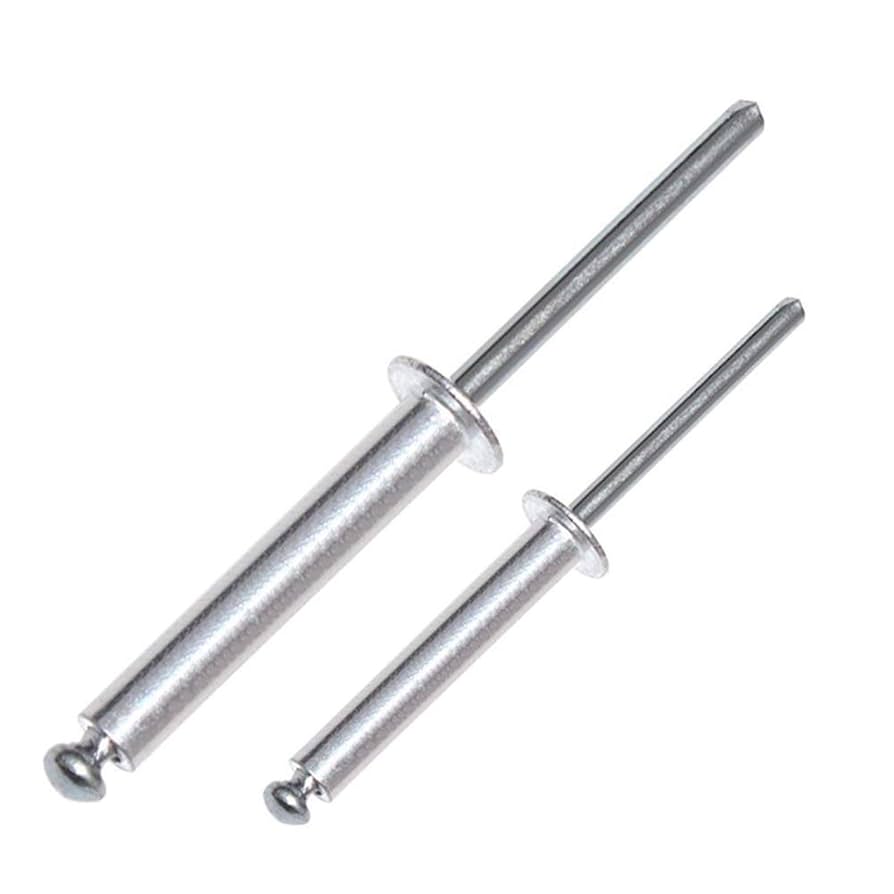
If you’ve ever struggled with fastening materials quickly and securely, aluminium blind rivets could be the simple solution you need. These small but powerful tools make joining surfaces easier, faster, and more reliable.
Whether you’re working on a DIY project or managing a professional job, understanding how aluminium blind rivets work can save you time and frustration. Keep reading to discover why these rivets might be the perfect choice for your next project and how they can improve your work quality effortlessly.
Aluminium Blind Rivets Basics
Aluminium blind rivets are simple fasteners used to join materials. They work without needing access to both sides of the workpiece.
These rivets are popular for their strength and light weight. They are easy to install and provide a secure hold.
What Are Blind Rivets
Blind rivets are fasteners used to join two or more parts. They are called "blind" because you only need access to one side.
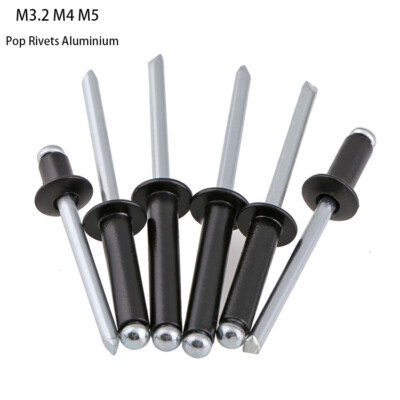
They consist of a smooth cylindrical shaft and a mandrel. When installed, the mandrel pulls the shaft to form a strong joint.
- Used where the back side is not accessible
- Installed with a special rivet gun
- Provide a permanent and strong connection
Key Aluminium Properties
Aluminium is a metal known for being light and resistant to rust. These properties make it ideal for blind rivets.
Aluminium rivets are strong but easy to handle. They also resist corrosion, which helps them last longer.
- Lightweight for easy installation
- Corrosion-resistant for durability
- Good strength for many applications
- Non-magnetic and electrically conductive
Common Applications
Aluminium blind rivets are used in many industries. They help join thin materials without damage.
They are common in construction, automotive, and electronics. Their ease of use saves time during assembly.
- Building and construction projects
- Car and truck manufacturing
- Aircraft and aerospace parts
- Electrical and electronic devices
- Home appliances and furniture
Credit: www.ebay.ca
Strength Factors
Aluminium blind rivets are known for their strength and reliability. They hold materials together with great force. Understanding their strength depends on several key factors.
Material Composition
Aluminium blind rivets are made from lightweight aluminum. This material is strong and resists rust. It ensures durability in various environments.
The composition involves an aluminum body and a steel mandrel. This combination provides both flexibility and strength. It is suitable for many applications.
Design And Structure
The design of blind rivets includes a head and a body. The head is designed to spread load evenly. This prevents material damage during installation.
The structure allows the rivet to expand when set. This creates a tight fit. It holds materials securely together.
Load Bearing Capacity
Load bearing capacity is crucial for rivets. Aluminium blind rivets can support significant weight. They are often used in construction and machinery.
They withstand tension and shear loads. This makes them versatile for different projects. Always consider the load requirements when choosing rivets.
- Resistant to corrosion
- Lightweight yet strong
- Ideal for various environments
- Even load distribution
- Supports tension and shear loads
Durability Features
Aluminium blind rivets are known for their strong and long-lasting qualities. Their durability makes them suitable for many uses.
This durability comes from specific features like resistance to corrosion, ability to handle wear, and tolerance to temperature changes.
Corrosion Resistance
Aluminium blind rivets resist rust and corrosion well. This is important for parts exposed to moisture or harsh environments.
- They keep their strength even in wet conditions.
- They do not easily degrade or weaken over time.
- They prevent damage to connected materials by avoiding rust buildup.
Wear And Tear
These rivets handle daily stress without breaking or deforming. They are tough against pulling and vibration.
| Feature | Benefit |
| High tensile strength | Supports heavy loads |
| Good shear resistance | Resists cutting forces |
| Impact resistance | Withstands shocks |
Temperature Tolerance
Aluminium blind rivets work well in many temperatures. They do not crack or lose grip in cold or heat.
Their temperature tolerance includes:
- Functioning from -40°C to 150°C (-40°F to 302°F)
- Maintaining shape in heat
- Not becoming brittle in cold

Credit: www.amazon.ca
Installation Techniques
Aluminium blind rivets are popular fasteners for joining materials. Installing them correctly ensures a strong, lasting bond.
This guide covers the tools needed, the step-by-step installation process, and common mistakes to avoid.
Tools Needed
You need the right tools to install aluminium blind rivets safely and efficiently. These tools help you place rivets firmly.
- Blind rivet gun or riveter
- Drill with drill bits
- Measuring tape or ruler
- Marker or pencil
- Safety glasses
- Work gloves
Step-by-step Process
Follow these steps to install aluminium blind rivets correctly. Take your time for the best results.
- Mark the spot where you want to place the rivet.
- Drill a hole matching the rivet size through both materials.
- Insert the blind rivet into the hole.
- Place the rivet gun over the rivet stem.
- Squeeze the rivet gun handles to pull the stem.
- Keep squeezing until the stem snaps off.
- Check that the rivet head is tight and secure.
Common Installation Mistakes
Watch out for these common errors to avoid weak joints and wasted rivets.
- Using the wrong rivet size for the materials.
- Drilling holes that are too large or small.
- Not cleaning holes before installation.
- Applying uneven pressure with the rivet gun.
- Forgetting to wear safety gear.
- Reusing rivets after they snap.
Comparing Rivet Types
Aluminium blind rivets are popular for many projects. Choosing the right rivet type helps ensure strong, lasting joints.
This guide compares aluminium rivets with other types. It also looks at blind versus solid rivets and their costs.
Aluminium Vs Steel
Aluminium rivets are light and resist rust. Steel rivets are stronger but heavier and can corrode.
Use aluminium rivets for lightweight and outdoor use. Steel rivets suit heavy-duty and indoor work.
- Aluminium: lightweight, corrosion-resistant, good for metals and plastics
- Steel: strong, heavier, may rust without coating
Blind Vs Solid Rivets
Blind rivets install from one side of the workpiece. Solid rivets need access to both sides.
Blind rivets are easier and faster to use. Solid rivets offer higher strength and durability.
- Blind rivets: quick installation, good for hard-to-reach places
- Solid rivets: very strong, used in heavy machinery and structures
Cost And Performance
Aluminium blind rivets cost less than steel ones. They perform well in most light to medium tasks.
Steel rivets cost more but last longer under stress. Choose based on budget and strength needs.
| Rivet Type | Cost | Performance |
|---|---|---|
| Aluminium Blind Rivets | Low | Good for light work, corrosion resistant |
| Steel Blind Rivets | Medium | Stronger, less corrosion resistance |
| Solid Steel Rivets | High | Very strong and durable |

Credit: www.ebay.ca
Maintenance Tips
Aluminium blind rivets need regular care to work well. Proper maintenance helps avoid damage and keeps them strong.
Following simple inspection and repair steps extends their life and saves costs in the long run.
Inspection Methods
Check rivets regularly for signs of wear or damage. Look for cracks, corrosion, or loose fittings.
- Use a magnifying glass to spot small cracks.
- Tap rivets gently to listen for hollow sounds.
- Inspect nearby metal for rust or discoloration.
- Ensure rivets hold parts tightly without movement.
Repair Options
If you find damaged rivets, replace them quickly to avoid bigger issues. Use the right size and type for repairs.
| Damage Type | Repair Method | Tools Needed |
| Cracked Rivet | Remove and install new rivet | Rivet gun, drill |
| Corroded Rivet | Clean or replace rivet | Wire brush, rivet gun |
| Loose Rivet | Tighten or replace | Rivet gun, hammer |
Extending Lifespan
Keep rivets dry and clean to avoid rust. Apply protective coatings if needed for extra defense.
- Store materials in a dry place.
- Clean rivets with a soft cloth regularly.
- Check and replace worn seals around rivets.
- Use corrosion-resistant rivets in harsh environments.
Choosing The Right Rivet
Aluminium blind rivets are useful for joining materials without access to the back side. Picking the right rivet is important for strong and lasting connections.
Consider the project needs, the environment, and the budget to select the best rivet type and size.
Application Requirements
Think about the materials you want to join. Aluminium rivets work well with many materials like metal, plastic, and wood.
Check the thickness of the materials and the hole size. The rivet must fit tightly for good hold.
- Match rivet length to material thickness
- Choose rivet diameter for hole size
- Pick rivet strength based on load needs
Environmental Factors
Consider where the rivet will be used. Aluminium resists rust but may corrode with some metals.
Think about exposure to water, heat, or chemicals. These affect rivet life and strength.
- Use corrosion-resistant rivets in wet areas
- Avoid mixed metals that cause corrosion
- Choose heat-resistant rivets for hot environments
Budget Considerations
Rivets vary in price based on size and material quality. Plan your budget before buying.
Balance cost with performance. Cheaper rivets may save money but last less time.
- Buy rivets that fit your project needs
- Consider bulk purchases for savings
- Choose reliable brands for better value
Frequently Asked Questions
What Are Aluminium Blind Rivets Used For?
Aluminium blind rivets join materials where only one side is accessible. They are ideal for metal, plastic, and wood assemblies, commonly used in construction and automotive industries.
How Do Aluminium Blind Rivets Work?
These rivets expand behind the material when pulled, creating a strong fastening. The blind side forms a secure grip without needing access to the back.
Are Aluminium Blind Rivets Corrosion Resistant?
Yes, aluminium blind rivets resist corrosion well. Their lightweight and rust-proof nature make them suitable for outdoor and marine applications.
Can Aluminium Blind Rivets Handle Heavy Loads?
They provide moderate strength, suitable for light to medium load applications. For heavy-duty needs, stronger rivet materials or fasteners may be required.
Conclusion
Aluminium blind rivets offer strong and reliable fastening. They work well in many projects, from home repairs to industrial use. Their lightweight and corrosion-resistant nature makes them ideal. Easy to install, they save time and effort. Choosing the right size is important for best results.
Overall, aluminium blind rivets provide a simple, effective solution. They help join materials firmly and safely. A practical choice for anyone needing durable fasteners.

