

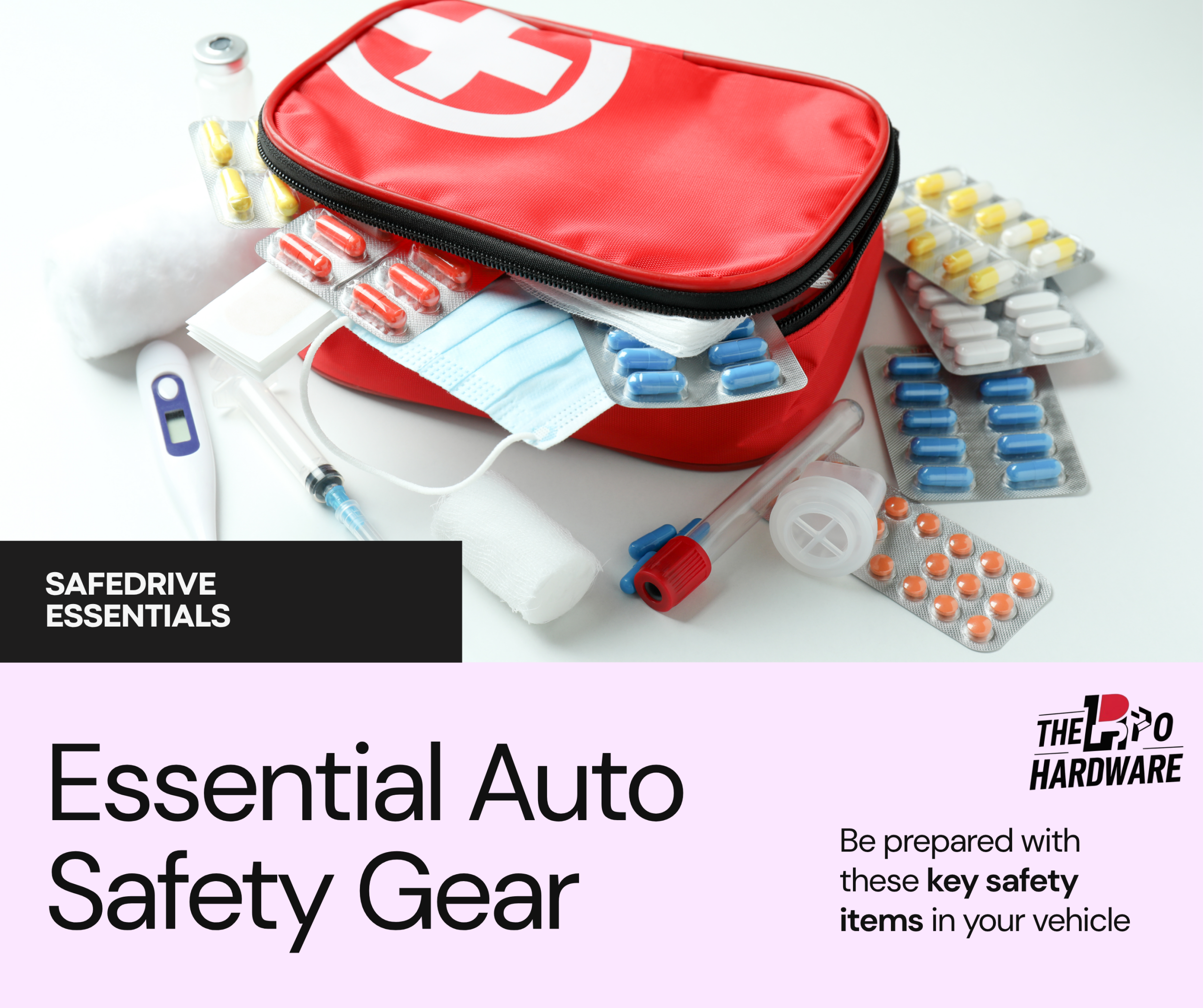
Your Auto First Aid Kit: Safety On The Road
Imagine you are driving. The road is smooth. Suddenly, an accident hits. Do you have the right tools? Can you handle small injuries right away?
Your safety relies on being ready. An Auto First Aid Kit is more than just supplies. It is your quick help in a bad moment. You will find out why a stocked kit is key in your car. It can make a huge difference. You will learn how to pick the best kit for you.
Keep reading. Protect your loved ones and yourself every time you drive.

Credit: pacificfirstaid.ca
Why Carry An Auto First Aid Kit
Carrying a first aid kit is smart for every driver. It helps you act fast in roadside emergencies. Knowing you have the right items is a huge help in a crisis. It keeps you safe. It also helps you follow the law.
Importance In Emergencies
A kit gives you tools to treat small injuries. It can lower the risk of serious harm and infection.
-
Stops bleeding with gauze and bandages.
-
Cleans wounds with antiseptic wipes.
-
Supports injured limbs with splints and bandages.
-
Gives pain relief with basic medicines.
-
Helps you stay calm. Helps you act fast.
Legal Requirements By Region
Some places require drivers to carry a kit. Rules change by state or country.
Peace Of Mind On The Road
A first aid kit keeps you ready for sudden accidents. It gives you confidence when you drive.
-
Replace items that are used or expired.
-
Store it in a place that is easy to reach.
-
Know how to use each item.
Key Items In A First Aid Kit
A first aid kit is vital for car safety. It helps treat injuries fast in an emergency. Knowing what to put inside helps you be ready for small accidents.
Basic Medical Supplies
These items help stop bleeding and clean wounds. They are a must for any kit.
-
Adhesive bandages in many sizes.
-
Sterile gauze pads.
-
Antiseptic wipes.
-
Medical tape.
-
Disposable gloves.
-
Alcohol pads for cleaning.
-
Antibiotic ointment.
Tools For Minor Injuries
Tools make it easier to treat small injuries. They help you handle scrapes, cuts, and other problems safely.
-
Scissors for cutting tape or clothes.
-
Tweezers to remove debris or splinters.
-
Instant cold packs for swelling.
-
Thermometer to check for fever.
-
Safety pins to secure bandages.
Additional Safety Items
These extra items help victims. They make the scene safer during an accident.
-
Emergency blanket to keep warm.
-
CPR face shield for safe mouth-to-mouth.
-
Flashlight with extra batteries.
-
Whistle to signal for help.
-
First aid manual or instruction booklet.
Choosing The Right Kit
Having a first aid kit in your car is important. Picking the right one helps you act fast in an emergency. Not all kits are the same. Choose one that fits your vehicle and your needs.
Size And Portability
Car kits come in different sizes. You need one that fits well but is still easy to carry.
-
Small kits fit in door pockets or glove compartments.
-
Larger kits hold more items but need more space.
-
Look for cases that close well. Look for handles.
Quality And Durability
Quality matters for a first aid kit. Materials must last long. They need to protect the supplies inside.
Specialized Kits For Different Drivers
Different drivers have different needs. Choose a kit that matches your driving and life.
-
Family kits: Include items for adults and children.
-
Off-road kits: Add extra tools and supplies for remote areas.
-
Commercial driver kits: Meet specific safety rules.

Credit: www.amazon.ca
Maintaining Your First Aid Kit
Keeping your kit ready is very important for safety. You should check it often. This ensures all items are usable. This guide covers how to store, inspect, and replace items.
Regular Inspection And Restocking
Look at your kit every month. Check for used or missing items. Also, check that nothing is dirty or broken.
-
Open the kit. Review all supplies.
-
Replace items that are damaged or used.
-
Make a list of missing items. Buy them.
-
Keep the kit clean and dry.
-
Check the packaging or seal for damage.
Proper Storage In The Vehicle
Store the kit in an easy-to-reach place. Do not use places that get wet or very hot. The trunk or glove box is good if it stays dry.
Replacing Expired Items
First aid supplies expire. They lose their strength. Replace items before they expire. This keeps your kit effective in an emergency.
-
Check the expiration dates on medicines, ointments, and bandages.
-
Discard and replace expired items right away.
-
Write the date of replacement inside the kit.
-
Use a marker to track the next check-up date.
Using The Kit Effectively
A kit is a helpful tool in roadside emergencies. Knowing how to use it right can save lives. It can also reduce injuries. Keep your kit organized. Check it often. Learn basic skills to act fast and safely.
Basic First Aid Skills
Learn simple skills like cleaning wounds, doing CPR, and putting on bandages. These skills help you give fast care before help comes. Practice these skills often. This makes you feel ready in an emergency.
-
Stop bleeding by pressing hard.
-
Clean cuts with antiseptic wipes.
-
Use bandages to protect wounds.
-
Know how to perform CPR.
-
Recognize signs of shock and help with them.
When To Seek Professional Help
Some injuries need a doctor fast. Know when to call for help. This avoids serious problems. Do not wait to get help if the person feels worse. Do not wait if the injury is severe.
-
Difficulty breathing or unconsciousness.
-
Heavy bleeding that won’t stop.
-
Signs of a head injury or a broken bone.
-
Deep wounds or severe burns.
-
Sudden weakness or chest pain.
Safety Tips While Administering Aid
Stay safe while you help others. Use gloves. Do not touch blood or other body fluids. Stay calm. Follow the steps carefully. This protects you and the injured person.
-
Wear disposable gloves if you have them.
-
Wash your hands before and after giving aid.
-
Avoid moving the injured unless you must.
-
Keep the injured person warm and comfortable.
-
Use items from the kit safely and properly.
Additional Safety Gear For Drivers
Driving can be hard to predict. Having the right gear is key. A first aid kit is a must. But other safety items can help a lot. Being ready can help a lot. It keeps your passengers and you safe.
Emergency Roadside Kits
These kits are key for car troubles. They have supplies and tools to help you get back on the road. A roadside kit saves you stress and time. They often have a flashlight, jumper cables, and a tire repair kit.
-
Jumper cables to restart a battery that is dead.
-
Flashlight for seeing in the dark.
-
Tire repair kit to fix flat tires.
Fire Extinguishers
Car fires can happen. A fire extinguisher is important. A small, portable one can stop a minor fire from getting big. They are easy to store in your car. They are made to handle small fires safely and fast.
-
Portable and easy to use.
-
Good on small car fires.
-
Can stop bigger problems.
Reflective Warning Signs
These signs warn other drivers you are there. If your car breaks down, these signs increase visibility. This can stop accidents. Put the signs behind your car. This alerts oncoming traffic. They are best at night or when it's hard to see.
-
Increases visibility for other drivers.
-
Stops accidents during breakdowns.
-
Useful when it's hard to see.

Credit: www.amazon.ca
Frequently Asked Questions
What Is Included In An Auto First Aid Kit?
A kit usually has bandages, antiseptic wipes, gauze pads, adhesive tape, scissors, gloves, and a manual. These items help treat small injuries. They give emergency care during medical or roadside problems.
Why Is An Auto First Aid Kit Essential In Vehicles?
It gives immediate medical help after an injury or accident. It helps manage wounds. It lowers the risk of infection. It gives peace of mind. A kit makes vehicles safer for passengers and drivers.
How Often Should You Check Your Auto First Aid Kit?
You should check your kit every six months. Check often. This ensures supplies are not missing, expired, or damaged. Keeping the kit current makes it ready for emergencies.
Can An Auto First Aid Kit Save Lives?
Yes, a kit can save lives. It gives quick treatment to injuries. It stabilizes the injured person until help comes. This prevents problems. It increases survival chances.
Conclusion
Carrying an auto first aid kit keeps you ready for emergencies. It helps treat small injuries fast. It stops infections. Everyone who drives a car needs one. Check your kit often. Replace items that are used or expired. Being prepared gives peace of mind on the road.
Simple tools can make a big difference in tough situations. Stay safe. Keep your first aid kit handy at all times.

