
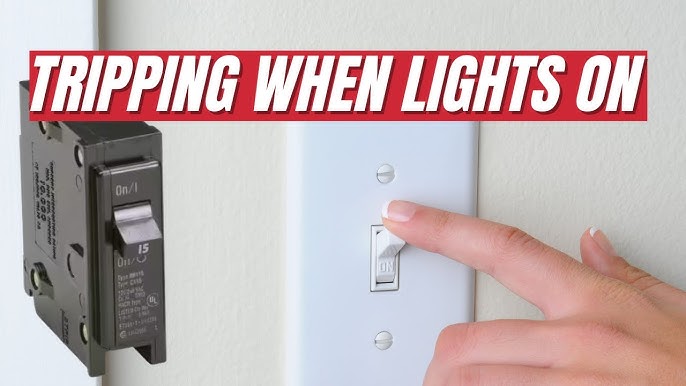
Does your circuit breaker keep flipping, leaving you in the dark and feeling frustrated? You’re not alone.
When the lights suddenly go out or your appliances stop working, it’s more than just an inconvenience—it could be a warning sign from your electrical system. But don’t panic. In many cases, there’s a simple explanation and a straightforward solution.
Before you call an electrician, let’s look at why your circuit breaker keeps flipping and what you can do about it. Understanding the root cause can save you time, money, and stress.
Ready to take control of your home’s electricity and stop this problem for good? Keep reading—we’ll walk you through the most common reasons a circuit breaker keeps flipping and how to fix them safely.

Credit: www.reddit.com
Why Circuit Breakers Trip
Circuit breakers protect your home from electrical damage. They stop the flow of electricity if there is a problem. Understanding why circuit breakers trip helps you prevent frequent power cuts and hazards. Several common issues cause breakers to flip.
Overloaded Circuits
An overloaded circuit happens when too many devices draw power from one circuit. This overload causes the breaker to trip to avoid overheating and fire risks. Avoid plugging many high-power appliances into the same outlet or circuit.
Short Circuits
Short circuits occur when a hot wire touches a neutral or ground wire. This creates a sudden surge of electrical current. The breaker trips immediately to stop damage or sparks. Worn-out wiring or damaged cords often cause short circuits.
Ground Faults
A ground fault happens when electricity flows outside its normal path to the ground. This can cause shocks or fires. Ground fault circuit interrupters (GFCIs) detect this and trip the breaker quickly. Wet areas like kitchens and bathrooms often have ground faults.
Faulty Appliances
Faulty appliances with broken wires or internal damage can cause breakers to trip. These appliances may leak current or cause short circuits. Unplugging the appliance and testing it separately helps find the problem. Repair or replace any faulty devices immediately.
Common Signs of Trouble
Noticing your circuit breaker keeps flipping is more than just an annoyance—it’s a warning signal from your electrical system. Recognizing common signs of trouble early can prevent bigger issues and keep your home safe. Pay close attention to these indicators and ask yourself if your breaker panel is trying to tell you something important.
Frequent Trips
If your circuit breaker trips often, it’s a clear sign that something isn’t right. This can happen when you overload a circuit by plugging in too many devices or if there is a short circuit. You might think resetting the breaker solves the problem, but frequent trips suggest an underlying issue that needs investigation.
Have you noticed your lights flickering or outlets losing power right before the breaker trips? These are clues that the electrical load may be too high or there’s a faulty wire causing the breaker to react. Ignoring this can lead to more serious damage or even electrical fires.
Burning Smell
A burning smell near your breaker panel is a serious red flag. It often means wires are overheating or insulation is melting, which can quickly escalate to a fire hazard. Even a faint odor should prompt immediate action.
Think about the last time you noticed a strange smell and brushed it off. Electrical issues don’t always show visible damage at first, but that smell is your system asking for help. Don’t wait for sparks or smoke—call an electrician if you detect any unusual odors.
Warm Breaker Panel
Your breaker panel should feel cool or just slightly warm to the touch. If it’s noticeably warm or hot, that heat signals a problem inside the panel. Excessive heat can damage the breakers and wiring, increasing the risk of failure or fire.
Have you touched your breaker panel recently? Feeling warmth where there shouldn’t be any is a clear sign your electrical system is under stress. Take this seriously and get a professional to check it out before the situation worsens.
Quick Fixes to Try
When a circuit breaker keeps flipping, try quick fixes before calling an electrician. These simple steps often solve the issue fast. Start with basic checks and adjustments at home.
Resetting The Breaker
First, turn off the breaker fully. Wait a few seconds. Then switch it back on firmly. This resets the system and can clear minor faults. If it trips again, try other steps.
Unplugging Devices
Unplug all devices on the affected circuit. Sometimes one device causes overload or a short. After unplugging, reset the breaker again. Plug devices back in one at a time. This helps find the faulty device.
Distributing Electrical Load
High power use can trip breakers. Spread out device use across different circuits. Avoid running many heavy appliances together. This reduces strain on a single breaker. Balancing load keeps your system stable and safe.
When To Call a Professional
Knowing when to call a professional electrician can save you time, money, and potential hazards. If your circuit breaker keeps flipping, it’s important to recognize the signs that the problem is beyond a simple reset. Ignoring these signals could lead to more serious electrical issues or safety risks.
Persistent Tripping
If your breaker trips repeatedly, even after resetting, this is a clear warning sign. It means the issue isn’t resolving itself and could be caused by overloaded circuits or faulty wiring. Continuing to reset without addressing the root cause can cause damage to your electrical system and appliances.
Ask yourself: Have you noticed the breaker flipping during normal use or when turning on specific devices? This pattern can help a professional diagnose the problem faster. Don’t wait until it becomes an emergency—persistent tripping needs expert attention.
Visible Damage
Any visible damage near your breaker panel, such as burn marks, melted wires, or a burning smell, demands immediate professional inspection. These signs indicate overheating or electrical faults that pose fire risks.
Even minor damage can escalate quickly. If you spot any physical abnormalities, shut off the power to the affected area and call an electrician right away. Your safety depends on addressing these issues promptly.
Electrical Shocks
Feeling a mild shock when touching switches or outlets is a serious red flag. It suggests faulty grounding or wiring problems that could escalate into dangerous electric shocks or fires.
Do not try to fix electrical shocks yourself. This risk requires specialized tools and knowledge to identify and correct the fault safely. Contact a professional immediately to protect yourself and your home.
Preventing Future Trips
Preventing future trips of your circuit breaker helps keep your home safe and your appliances running smoothly. Understanding simple steps can reduce the risk of frequent breaker flips. Taking care of your electrical system avoids sudden power loss and costly repairs.
Regular Maintenance
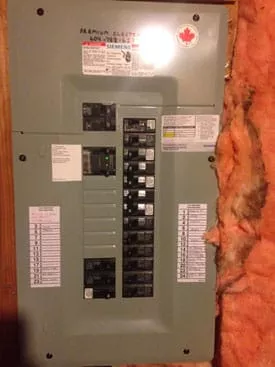
Check your electrical panel regularly for signs of wear or damage. Tighten loose wires and clean dust around breakers. Look for burnt marks or unusual smells. Schedule professional inspections yearly to catch problems early. Proper maintenance keeps breakers functioning well and reduces trips.
Upgrading Electrical Panel
Older panels may not handle modern power demands. Upgrading to a newer panel can improve safety and capacity. New panels have better technology to prevent overloads. Consult an electrician to assess your panel’s condition. A strong panel supports your home’s electrical needs without frequent trips.
Using Correct Breaker Size
Each circuit needs a breaker size matching its wiring and load. Using a breaker too small causes trips from normal use. A breaker too large risks overheating and fires. Match breaker size with wire gauge and appliance power. Always follow electrical codes and hire experts for proper sizing.

Credit: www.reddit.com
Credit: www.premium-electric.ca
Frequently Asked Questions
Why Does My Circuit Breaker Keep Flipping Off?
Circuit breakers trip to prevent electrical overloads or short circuits. Frequent flipping often indicates faulty wiring, overloaded circuits, or malfunctioning appliances.
How Can I Fix A Circuit Breaker That Keeps Tripping?
First, unplug devices on the circuit. Reset the breaker. If it trips again, check for wiring issues or call an electrician.
Can A Circuit Breaker Trip Cause Electrical Hazards?
Yes, frequent tripping can signal serious electrical problems that risk fire or shock. Always address recurring trips promptly for safety.
What Appliances Commonly Cause Circuit Breakers To Trip?
High-power devices like heaters, air conditioners, and microwaves often overload circuits, causing breakers to trip when used simultaneously.
Conclusion
A circuit breaker that keeps flipping signals a problem in your electrical system. It could be overloaded, faulty, or have a wiring issue. Ignoring it can lead to bigger dangers like fires or damage to appliances. Always check your devices and circuits to find the cause.
Calling a professional electrician is the safest way to fix the issue. Stay alert and act quickly to keep your home safe and powered properly. Small problems can turn into big ones if left alone.