

Building a house is one of the most significant investments you’ll ever make, and understanding the material cost to build a house is crucial from the very start.
You might be asking, “How much will it really cost to bring my dream home to life?” Every dollar matters, and knowing material costs helps you make informed decisions that stay within your budget.
Imagine the peace of mind that comes from knowing exactly where your money is going and how to optimize every purchase. In this guide, you’ll uncover insights that can save you money and help you construct the home you’ve always envisioned. Ready to dive in? Let’s explore the material costs that shape your future home.
Factors Influencing Material Costs
Understanding what affects the material cost to build your house can save you money and stress. Several key factors impact these costs, and knowing them helps you plan better and make smarter choices. Let’s look closely at some of the main influences.
Location And Market Trends
Your building location plays a huge role in material costs. Prices for lumber, concrete, and steel can vary widely depending on your region. For example, coastal areas often have higher costs due to transportation and demand.
Market trends also shift material prices regularly. If there’s a shortage or high demand for certain materials, prices can spike quickly. Have you checked local supplier prices recently? Staying updated can help you buy at the right time.
House Size And Design
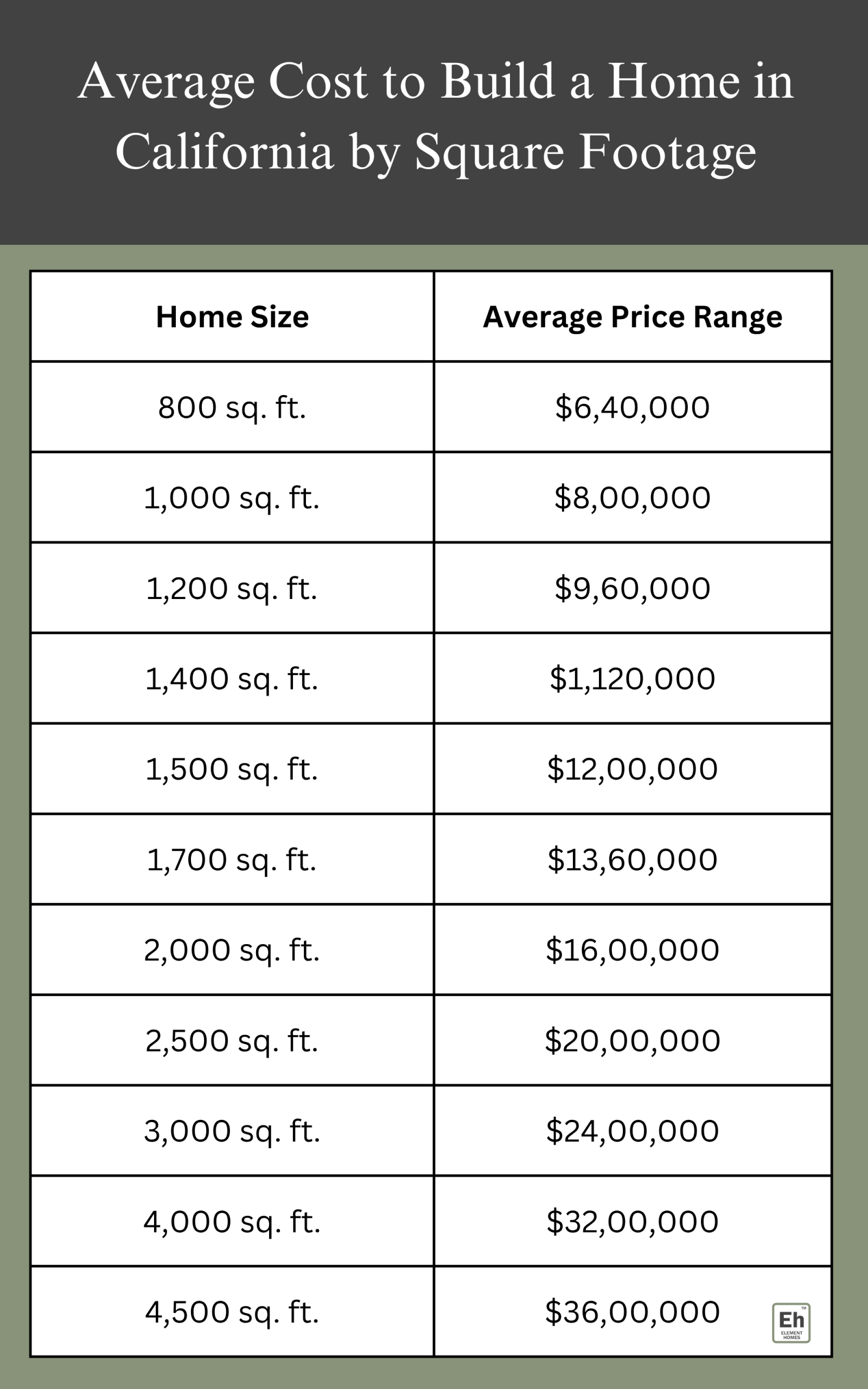
The bigger the house, the more materials you need, which naturally raises costs. But design also matters. Complex shapes and custom features can increase waste and require special materials.
Think about how many windows, doors, and special finishes you want. Each adds to the material list. Could a simpler layout reduce your expenses without compromising your vision?
Material Quality Choices
Choosing high-quality materials often means paying more upfront, but it can save money later on repairs and replacements. On the other hand, cheaper options might be tempting but could cost you in durability.
For instance, opting for treated wood might cost more but resists pests and rot longer. What balance between cost and quality fits your budget and needs?
Credit: www.constructelements.com
Common Building Materials And Prices
Understanding the common building materials and their prices is essential when budgeting to build a house. Each material plays a vital role in the structure’s durability and appearance, directly impacting your overall costs. Let’s break down these materials by category to help you make informed choices for your project.
Foundation Materials
The foundation supports your entire house, so quality matters. Concrete is the most popular choice, with prices around $100 to $150 per cubic yard. You might also consider concrete blocks, costing about $1.50 to $3 each, which can reduce labor time.
Steel reinforcements add strength but increase costs by roughly 10-15%. If you’re on a tight budget, gravel and compacted soil are cheaper alternatives, though not suitable for all soil types. Have you checked the soil conditions on your land yet?
Framing Materials
Wood framing remains the standard, with lumber prices averaging $400 to $700 per thousand board feet. Engineered wood products, like LVL beams, cost more but offer better strength and consistency.
Steel framing is an option if you want durability and pest resistance, but expect prices around $7 to $9 per square foot, higher than wood. Choosing the right framing material affects not just cost but also construction speed and future maintenance.
Roofing Options
Asphalt shingles are budget-friendly, typically costing $1 to $4 per square foot installed. Metal roofing, though pricier at $5 to $12 per square foot, can last longer and resist extreme weather.
Clay and concrete tiles offer a unique look but come with higher costs, around $10 to $18 per square foot. What’s your priority—cost, durability, or style?
Insulation Types
Fiberglass batts are widely used, with prices around $0.40 to $1.50 per square foot. Spray foam insulation costs more—$1 to $3 per square foot—but provides better air sealing and energy efficiency.
Rigid foam panels fall in between, offering good insulation and moisture resistance at about $0.90 to $2.50 per square foot. Insulation choices impact your energy bills significantly; have you factored that into your budget?
Interior Finishes
Drywall is the go-to for walls and ceilings, costing roughly $1.50 to $3 per square foot installed. Hardwood flooring varies widely—$3 to $12 per square foot—depending on the wood type.
Paint prices are modest, usually $1 to $3 per square foot including labor, but quality paint can save you money over time. Selecting finishes that balance aesthetics and price will personalize your home without breaking the bank.
Estimating Material Quantities
Estimating material quantities accurately is a crucial step in controlling the overall cost of building your house. Without precise calculations, you risk ordering too much or too little, leading to wasted money or construction delays. Understanding how to measure and plan for materials will help you stay on budget and make informed decisions throughout the project.
Calculating Square Footage
Start by measuring the total square footage of your house, including all floors and any covered porches or garages. This number is the foundation for estimating how much material you'll need, such as flooring, drywall, and roofing. Remember to measure each room carefully and add them together to get an accurate total.
Have you ever underestimated a room’s size and ended up buying extra supplies last minute? Avoid that by double-checking your measurements and using a detailed floor plan if you have one. Precision here saves time and money later.
Waste And Overages
Materials rarely arrive and fit perfectly without some waste. Account for a waste factor of around 5-10% depending on the material and complexity of your design. For example, tiles and drywall often require cutting, which leads to scraps.
Adding a waste buffer prevents shortages that could stall your build. Think about your last project—did you run out of paint or wood? Adding extra material upfront is cheaper and less stressful than last-minute trips to the store.
Allowances For Upgrades
Are you planning to use premium materials or add custom features? Include allowances for these upgrades in your material estimates. Higher-quality finishes or specialty items can significantly increase the quantity and cost of materials needed.
Estimate how much extra you'll need by comparing basic material quantities to those required for upgraded options. This practice helps you avoid surprises and keeps your budget realistic as you decide on finishes and fixtures.
Tips To Cut Material Costs
Cutting material costs helps keep your house building budget on track. Smart choices reduce expenses without lowering quality. Small changes can add up to big savings. Here are practical tips to save money on building materials.
Buying In Bulk
Buying materials in large quantities often lowers the price per unit. Suppliers give discounts for bulk orders. Plan your project carefully to know exact amounts needed. Avoid overbuying to prevent waste and extra costs.
Using Recycled Materials
Recycled materials cut costs and help the environment. Salvaged wood, bricks, and metal work well in many parts of a house. Check local sources like demolition sites or recycling centers. Ensure recycled items meet safety standards.
Choosing Alternative Materials
Alternative materials can be cheaper and just as strong. Options like bamboo, engineered wood, or compressed earth blocks save money. Research local availability and durability before choosing. Sometimes new materials lower transportation costs too.
Timing Purchases Strategically
Material prices fluctuate with seasons and demand. Buy supplies during off-peak times for better deals. Watch for sales or clearance events at suppliers. Early planning helps avoid rushed purchases at high prices.
Working With Suppliers And Contractors
Working with suppliers and contractors plays a crucial role in controlling the material cost to build your house. The right approach can save you money and prevent costly delays. It’s not just about finding the cheapest option but about making smart choices that benefit your project in the long run.
Negotiating Prices
Don’t hesitate to negotiate prices with suppliers and contractors. Many expect some back-and-forth and leave room for discounts. You can ask for bulk purchase discounts or better payment terms, especially if you’re buying large quantities of materials.
Think about timing your purchases too. Sometimes suppliers offer seasonal discounts or promotions. Asking directly if there’s any flexibility on prices shows you are serious and can lead to unexpected savings.
Comparing Multiple Quotes
Gathering multiple quotes is essential before committing. It gives you a clearer picture of the market rate and helps you spot outliers—both too high and suspiciously low. Be sure to compare the details, not just the bottom line.
Look at what each quote includes, such as delivery fees, warranties, and material quality. This way, you avoid surprises later. How often do you find that the cheapest option ends up costing more due to hidden charges or delays?
Building Strong Relationships
Building trust with your suppliers and contractors can pay off beyond just price. When they know you value the partnership, they’re more likely to prioritize your orders and offer advice. A good relationship can also smooth over issues when they arise.
Keep communication clear and respectful. Regular check-ins and prompt payments show professionalism and encourage cooperation. Have you noticed how projects run smoother when everyone feels like they’re working toward the same goal?
Credit: talent24h.okdiario.com
Hidden Costs To Watch For
Building a house involves more than just the sticker price of materials. There are hidden costs that can quietly inflate your budget if you aren’t careful. Knowing these expenses upfront helps you avoid surprises and keeps your project on track.
Delivery And Handling Fees
Many suppliers charge extra for delivering materials to your site. These fees vary based on distance, weight, and the type of material. Sometimes, handling fees for unloading and moving heavy items add up quickly.
Ask your supplier about all delivery-related charges before ordering. You might save money by coordinating bulk deliveries or renting equipment to unload materials yourself. Have you checked if your builder includes these costs in their estimate?
Storage Costs
Materials don’t always arrive exactly when you need them. If you order early, you may have to pay for secure storage to protect items from weather and theft. Improper storage can lead to damage, forcing you to replace expensive materials.
Consider renting a storage container or setting up a covered area on-site. Sometimes, delaying delivery to match your construction schedule reduces storage needs and costs. How secure is your site for keeping materials safe?
Quality Control and Replacements
Not all materials arrive in perfect condition. Defects or damage can require replacements, which add to your budget and cause delays. Inspect deliveries carefully and report issues immediately.
Building your own checklist for quality control helps catch problems early. Keep records of damaged items and communications with suppliers to avoid disputes. Would you rather spend a little extra time upfront than face costly delays later?
Tools To Track Material Expenses
Tracking material expenses is essential to keep your house-building project on budget. Without proper tools, you risk overspending or missing important cost details. Using the right tools helps you stay organized and makes it easier to spot where you can save money.
Budgeting Software
Budgeting software offers a comprehensive way to manage your material costs. These programs allow you to input expenses, compare quotes, and update your budget in real-time. Many software options also provide reports that highlight spending trends, helping you make smarter decisions.
For example, software like QuickBooks or Buildertrend can track purchases and alert you if you’re nearing your budget limits. Have you ever felt overwhelmed by piles of receipts? Budgeting software can eliminate that stress by keeping everything in one place.
Spreadsheets And Templates
Spreadsheets remain a popular tool due to their flexibility and accessibility. You can customize templates to fit your project’s specific material categories and track costs easily. Using formulas, you can automatically calculate totals and variances without manual math.
Many free templates are available online, designed specifically for construction budgeting. If you prefer control over your data without investing in software, spreadsheets offer a practical solution. How often do you update your tracking sheets? Frequent updates help catch errors early.
Mobile Apps For On-site Management
Mobile apps bring convenience by letting you track material expenses directly on the construction site. These apps allow you to scan receipts, log purchases, and communicate with suppliers instantly. This immediate tracking reduces the chance of forgetting expenses or losing receipts.
Apps like Fieldwire or CoConstruct are designed for builders to manage costs and project timelines simultaneously. Imagine spotting a pricing error while standing at the supplier’s yard—it saves both time and money. Could having this kind of control on your phone change how you manage your project?
Credit: www.constructelements.com
Frequently Asked Questions
What Factors Affect The Material Cost To Build A House?
Material cost depends on house size, design complexity, location, and choice of materials. Higher quality materials increase expenses. Seasonal demand and supply chain issues also impact prices.
How Much Does Average Material Cost Per Square Foot?
On average, material costs range from $50 to $100 per square foot. This varies based on material quality and regional pricing differences.
Which Materials Contribute Most To Building Costs?
Lumber, concrete, steel, roofing, and finishes are major cost contributors. Flooring and cabinetry can also significantly affect the total material expense.
Can Material Costs Be Reduced When Building A House?
Yes, using locally sourced materials, opting for standard designs, and buying in bulk lowers costs. Planning ahead helps avoid price surges.
Conclusion
Building a house requires careful planning of material costs. Prices vary depending on quality and location. Knowing these costs helps you budget better. Choosing the right materials saves money and time. Always compare prices before buying supplies. Small savings add up in the long run.
Keep track of expenses to avoid surprises later. A clear understanding of costs leads to smart decisions. This way, you build your home within budget and with confidence.