
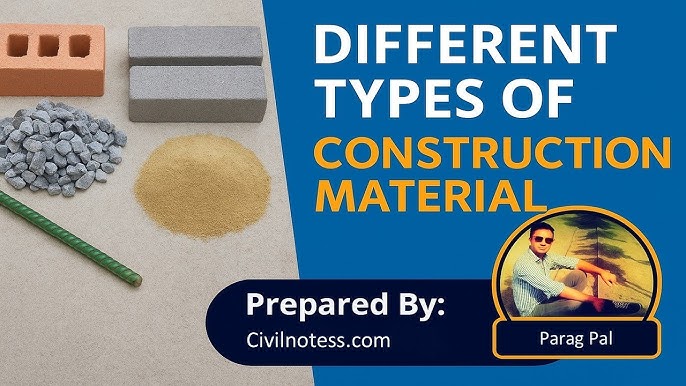
Imagine standing in front of a blank canvas, ready to create something magnificent. When it comes to building structures, this canvas is made of construction materials.
Choosing the right materials is like picking the perfect colors for your masterpiece. But with so many options, how do you decide which ones to use? This is where understanding the different types of construction materials becomes crucial. You want to ensure that your project stands tall, remains durable, and stays within budget.
You'll discover the various construction materials available, helping you make informed decisions for your next building endeavor. Get ready to unlock the secrets of construction that can transform your vision into reality.

Credit: brands.live
Common Construction Materials
Construction projects rely on strong and durable materials. Common construction materials have different properties and uses. Choosing the right material affects the building’s strength, cost, and appearance.
These materials form the foundation of many structures worldwide. They include concrete, steel, wood, and masonry. Each has unique benefits and is suited for specific tasks.
Concrete
Concrete is a mixture of cement, water, sand, and gravel. It hardens over time to form a solid, strong surface. Builders use it for foundations, walls, floors, and roads. It is fire-resistant and lasts for decades. Concrete can be molded into various shapes before it sets.
Steel
Steel is a strong metal made from iron and carbon. It supports heavy loads and resists bending. Steel beams and bars are common in modern buildings and bridges. It is flexible and can withstand earthquakes. Steel also resists pests and fire damage.
Wood
Wood is a natural, renewable material used for framing and furniture. It is easy to cut and shape. Wood provides good insulation and a warm appearance. It requires protection from moisture and insects. Wood is popular in homes and small buildings.
Masonry
Masonry involves bricks, stones, and concrete blocks. These materials are stacked and held with mortar. Masonry walls are strong and fire-resistant. They offer good thermal mass, keeping buildings cool or warm. Masonry is common in walls, chimneys, and facades.
Natural Building Materials
Natural building materials have stood the test of time and continue to offer sustainable, durable, and affordable options for construction. These materials come straight from the earth or plants, requiring minimal processing. Using them can reduce your environmental impact while adding unique character to your projects.
Stone
Stone is one of the oldest construction materials known to humanity. It offers incredible strength and durability, making it perfect for foundations, walls, and decorative facades.
You might be surprised how different types of stone—granite, limestone, sandstone—can change the look and performance of a building. Have you ever considered how stone’s natural thermal mass can help regulate indoor temperatures?
Clay And Earth
Clay and earth are versatile materials used in techniques like adobe, cob, and rammed earth. They provide excellent insulation and breathe naturally, reducing moisture build-up inside buildings.
Working with earth can feel rewarding as you mold it by hand or with simple tools. Imagine the satisfaction of building a wall with your own hands and knowing it will stand strong for decades.
Bamboo
Bamboo grows fast and is incredibly strong for its weight, making it a renewable option for framing, flooring, and scaffolding. It’s flexible yet sturdy, which is why it’s popular in earthquake-prone areas.
Have you ever walked through a bamboo forest and noticed its resilience and elegance? Using bamboo in construction brings those qualities right into your living space.
Straw
Straw bales are an excellent insulator and can be used for walls in eco-friendly homes. They’re lightweight and affordable, making it easier to build energy-efficient structures.
Think about how a thick straw bale wall can keep your home warm in winter and cool in summer. Would you consider trying straw in your next project to save on heating and cooling costs?
Modern And Innovative Materials
Modern construction materials have transformed how we build, making structures stronger, smarter, and more sustainable. These innovative materials often combine functionality with eco-friendliness, pushing the boundaries of traditional building methods. Understanding these options can help you choose the best materials for your next project.
Composite Materials
Composite materials blend two or more substances to create a product that is stronger and lighter than traditional options. Carbon fiber and fiberglass are popular composites used in construction for their high strength-to-weight ratio. These materials improve durability and reduce the need for heavy support structures, saving both time and cost.
Have you considered how composites could reduce your building’s overall weight without sacrificing strength?
Recycled Materials
Using recycled materials not only cuts down waste but also lowers the environmental impact of construction. Materials like recycled steel, reclaimed wood, and crushed concrete are gaining popularity for their eco-friendly benefits. These options often come at a lower price and can add unique character to your project.
Think about the last time you saw a building made from reused materials—did it stand out for its design or sustainability?
Smart Materials
Smart materials react to environmental changes, offering adaptive properties that enhance building performance. Examples include thermochromic glass that changes tint with temperature and self-healing concrete that repairs its own cracks. These materials can reduce maintenance costs and improve energy efficiency in your building.
What if your building could adjust itself automatically to save energy or fix damages without human help?
Insulation Materials
Good insulation keeps buildings comfortable while cutting energy bills. Modern insulation materials include spray foam, aerogel, and reflective barriers, each offering unique benefits like superior thermal resistance or moisture control. Selecting the right insulation can drastically improve your building’s energy efficiency and indoor air quality.
Are you aware of how much energy you might save by upgrading your insulation to one of these modern materials?

Credit: arsgroup.in
Material Selection Criteria
Choosing the right construction material is vital for any building project. The selection affects the structure’s safety, cost, and lifespan. Several factors guide this choice to match the project’s needs.
Understanding these material selection criteria helps ensure a strong, efficient, and sustainable build.
Strength And Durability
Materials must support the building’s load without failing. Strong materials resist wear, weather, and natural forces. Durable materials reduce repair and replacement costs. Consider materials that last long in the project’s environment.
Cost And Availability
Material prices vary widely depending on type and source. Locally available materials often cost less and arrive faster. Budget limits impact material choice heavily. Balance quality with cost to avoid overspending or poor results.
Environmental Impact
Eco-friendly materials lower the project’s carbon footprint. Choose materials that use less energy to produce. Recycled or renewable materials help conserve resources. Consider how materials affect waste and pollution during construction.
Suitability For Project Type
Different projects need different materials. Residential homes require comfort and insulation. Industrial buildings need strength and fire resistance. Outdoor projects demand weather-resistant materials. Match materials to the project’s purpose and location.
Maintenance And Longevity
Maintenance and longevity are key factors when choosing construction materials. The durability of your building depends largely on how materials withstand time and use. Paying attention to how materials respond to weather, daily wear, and repair needs can save you time and money down the road.
Weather Resistance
Different materials react differently to weather conditions like rain, sun, wind, and snow. For example, treated wood can resist moisture better than untreated wood, reducing the risk of rot. Concrete and brick tend to hold up well in harsh weather, but they might crack if exposed to extreme temperature changes.
Think about where your building is located. Is it in a humid area? Or does it face strong winds regularly? Choosing materials with strong weather resistance based on your local climate can greatly extend the life of your construction.
Wear And Tear
Wear and tear are inevitable, especially in high-traffic areas. Materials like steel and brick offer excellent resistance to daily abrasion, while softer materials like plaster may show damage quickly. Flooring materials such as ceramic tiles or polished concrete can handle heavy use better than hardwood in busy spaces.
Ask yourself how much traffic or stress your building materials will face. Do you need surfaces that can handle heavy foot traffic or equipment? Knowing this helps you pick materials that stay looking good longer.
Repair Techniques
Knowing how easy it is to repair materials can influence your choice as much as durability. Some materials like metal panels can be patched or replaced in small sections without much hassle. Others, such as large concrete slabs, may require more effort and cost to fix cracks or damage.
Simple repairs can keep your building strong without major renovations. For example, sealing small cracks in concrete or repainting wood surfaces regularly prevents bigger problems later. Are you prepared to invest time in upkeep, or do you prefer materials that require minimal repairs?

Credit: www.youtube.com
Safety Considerations
Safety considerations in construction materials are crucial to protect not only the structure but also the people who live and work within it. Choosing the right materials can prevent disasters and long-term health issues. Let’s look closely at key safety aspects you should keep in mind when selecting construction materials.
Fire Resistance
Fire resistance is a top priority when picking materials for any building. Materials like concrete, brick, and certain treated woods can slow down or stop the spread of fire. This can give you and others more time to evacuate safely.
Think about your last visit to a commercial building. Did you notice fire doors or walls labeled as fire-resistant? Those are not just for show—they are lifesavers. Always check for fire ratings and certifications before finalizing materials.
Toxicity And Health Risks
Some construction materials release harmful chemicals during installation or over time. Asbestos and lead paint are notorious examples that caused serious health problems in the past. Today, you need to be aware of volatile organic compounds (VOCs) in paints, adhesives, and sealants.
Ask yourself: Could the materials you choose affect indoor air quality? Opt for low-toxicity options and materials labeled as safe for indoor use. Your health and that of your family or workers depends on it.
Structural Integrity
Safety isn’t just about fire or toxins; it’s also about how strong the materials are. Materials with poor structural integrity can lead to collapses and accidents. Steel, reinforced concrete, and quality timber are examples that provide reliable strength.
Have you ever wondered why some old buildings stand strong for centuries? It’s because they were built with materials tested for durability. Always consider load capacity, weather resistance, and longevity when choosing your materials.
Frequently Asked Questions
What Are The Most Common Types Of Construction Materials?
Common construction materials include concrete, steel, wood, bricks, and glass. Each material has specific uses based on strength, durability, and cost. These materials form the foundation of most building projects worldwide.
How Do Construction Materials Affect Building Durability?
Construction materials directly impact a building's strength and lifespan. Durable materials like steel and concrete resist weather and wear. Choosing the right materials ensures long-lasting, safe structures with minimal maintenance.
What Are Eco-friendly Construction Materials?
Eco-friendly materials include bamboo, recycled steel, reclaimed wood, and green concrete. These reduce environmental impact through sustainability and lower carbon footprints. Using them promotes greener construction and energy-efficient buildings.
Why Is Concrete Widely Used In Construction?
Concrete is versatile, strong, and cost-effective. It can be molded into various shapes and withstands heavy loads and harsh weather. Its widespread availability makes it a preferred choice for foundations, walls, and floors.
Conclusion
Choosing the right construction materials affects a project's strength and cost. Each type offers unique benefits for different needs. Wood provides warmth and is easy to shape. Concrete stands strong and lasts long. Steel supports heavy loads and resists damage.
Knowing these options helps make smart building choices. Quality materials lead to safer, better buildings. Keep these materials in mind for your next project. Simple choices can create lasting results.