

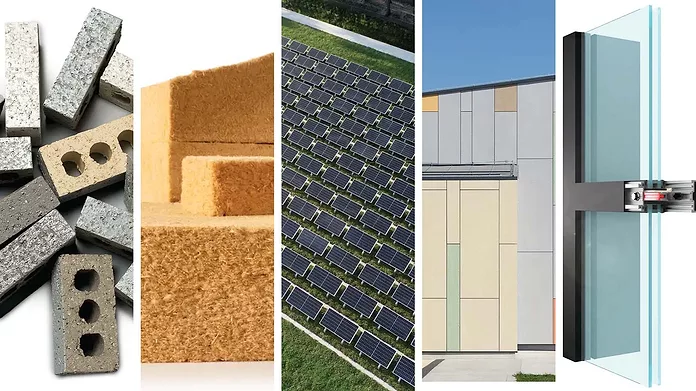
Are you curious about the materials shaping the buildings of tomorrow? New construction materials are not just about bricks and mortar; they're about innovation, sustainability, and efficiency.
Imagine structures that are not only stronger and more durable but also smarter and environmentally friendly. This is the future of construction, and it's happening now. As you explore this article, you'll discover cutting-edge materials that could revolutionize the way we build.
Whether you're a homeowner, a builder, or just someone interested in the latest trends, these advancements might just change the way you think about construction forever. Ready to dive in and see what's transforming the industry? Let's get started!
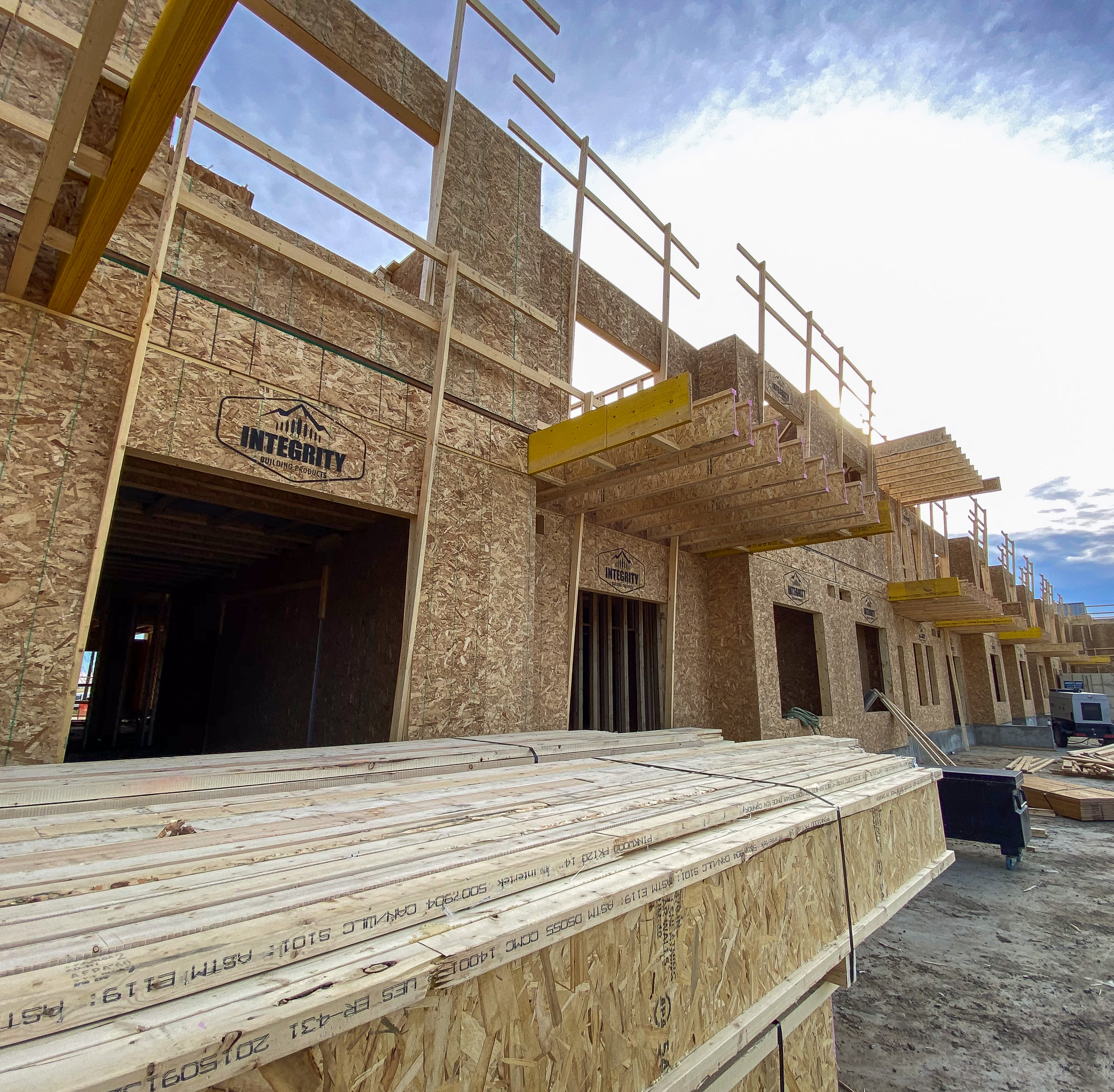
Credit: integritybuilt.com
Emerging Materials Shaping Construction
New construction materials are changing how buildings are made. These materials bring fresh ideas and improve building quality. They focus on strength, sustainability, and cost efficiency. Builders and architects find new ways to create safe, eco-friendly structures. The future of construction looks promising with these innovations.
Bio-based Materials
Bio-based materials come from plants and natural sources. They reduce harm to the environment. Examples include bamboo, hemp, and cork. These materials are strong and lightweight. They also help lower carbon footprints. Builders use them for walls, floors, and insulation. Bio-based options support green building goals.
Nanotechnology In Building
Nanotechnology improves materials at a tiny scale. It makes surfaces stronger and more durable. Nanomaterials resist water, fire, and dirt. They can also clean the air around buildings. This technology enhances energy efficiency. It leads to longer-lasting construction parts. Nanotech is a key to smarter buildings.
Recycled And Upcycled Components
Recycled materials reuse waste products from other industries. Upcycling turns old items into new building parts. Common recycled components include glass, metal, and plastic. These materials reduce landfill waste. They also save natural resources and energy. Builders use them in concrete, bricks, and insulation. Recycling in construction helps protect the planet.
Credit: www.giatecscientific.com
Smart Materials Enhancing Performance
Smart materials are transforming the way buildings perform, making structures stronger, more energy-efficient, and adaptable to their environment. These materials respond to changes around them, reducing the need for costly repairs and lowering energy bills. Understanding how these innovations work can help you make smarter choices for your projects.
Self-healing Concrete
Imagine concrete that repairs its own cracks without human intervention. Self-healing concrete contains bacteria or chemical agents that activate when water enters a crack, filling it and preventing further damage. This reduces maintenance costs and extends the lifespan of structures significantly.
Using self-healing concrete means fewer repairs and less downtime for your building. It’s especially useful in infrastructure like bridges and tunnels where safety and durability are critical. Would you consider this material for your next project to save time and money?
Phase-change Materials For Energy Efficiency
Phase-change materials (PCMs) absorb and release heat as they change states, helping regulate indoor temperatures naturally. By adding PCMs to walls or ceilings, buildings can stay cooler in summer and warmer in winter without relying heavily on HVAC systems.
This not only lowers energy consumption but also enhances occupant comfort. Imagine cutting your energy bills simply by improving the material inside your walls. How much could you save by integrating PCMs into your building design?
Responsive Facades
Responsive facades adjust to environmental conditions like sunlight, temperature, and wind. These facades can open, close, or change transparency to optimize natural light and ventilation throughout the day.
Such dynamic behavior improves energy efficiency and indoor comfort while adding a modern aesthetic to buildings. Have you seen buildings that adapt to their environment? Think about how responsive facades could improve your space’s performance and appeal.
Sustainable Solutions for Green Buildings
Sustainable solutions for green buildings are changing how we think about construction materials. Choosing the right materials can significantly cut down the environmental impact of your project. These innovations not only help save energy and resources but also create healthier living spaces for you and your community.
Low-carbon Cement Alternatives
Traditional cement production is a major source of carbon emissions. Low-carbon alternatives like geopolymer cement and limestone calcined clay cement reduce these emissions by using less energy and emitting fewer greenhouse gases.
Using these alternatives can lower your building’s carbon footprint without compromising strength. Have you considered how much carbon your current materials release? Switching to these cements can be an easy step toward greener construction.
Insulation Innovations
Effective insulation keeps buildings warm in winter and cool in summer, lowering energy use. New materials like aerogels and recycled denim insulation offer excellent thermal performance with less environmental harm.
These options also improve indoor air quality and reduce noise pollution. What if your insulation could save you money on energy bills while protecting the planet? Choosing innovative insulation makes that possible.
Water-repellent And Breathable Materials
Buildings need materials that keep water out but still allow moisture to escape. Breathable membranes and water-repellent coatings help prevent mold and structural damage by managing moisture effectively.
These materials extend the life of your building and reduce maintenance costs. Could better moisture control be the key to making your building more durable and healthier?
Advanced Manufacturing Techniques
Advanced manufacturing techniques play a vital role in developing new construction materials. These methods improve precision, speed, and quality in building projects. They allow builders to use innovative materials in efficient ways. This progress helps reduce waste and lowers costs. Construction becomes faster and safer with these technologies.
3d Printing with New Materials
3D printing creates complex shapes with less material waste. Builders can use concrete, plastics, and composites in printing. This technique allows quick production of custom parts. It supports lightweight, strong structures that traditional methods cannot make. 3D printing also reduces labor needs on site.
Modular Construction Components
Modular components are prefabricated parts made in factories. These parts include walls, floors, and roofs. Modular building reduces construction time on site. It ensures high quality because factory conditions are controlled. Components fit together precisely, lowering errors and material waste.
Robotics In Material Assembly
Robots handle repetitive and heavy tasks with accuracy. They place materials quickly and safely during construction. Robotics improve efficiency and reduce human error. They work well with new, lighter materials that require careful handling. Robotic assembly speeds up projects and enhances safety on site.
Challenges And Future Trends
New construction materials offer exciting possibilities for building stronger and greener structures. Challenges remain in adopting these materials widely. Future trends suggest new solutions and improvements that could change the construction industry.
Cost And Scalability Issues
New materials often come with high costs. Production methods can be expensive and slow. This limits their use in large projects. Scaling up manufacturing to meet demand takes time. Builders may hesitate to switch due to budget concerns. Finding cost-effective ways to produce these materials is crucial.
Regulatory And Safety Considerations
Construction materials must meet strict safety standards. Approval processes can delay new materials reaching the market. Testing for durability, fire resistance, and toxicity is essential. Regulations vary by region, adding complexity. Ensuring compliance protects workers and future occupants. Clear guidelines help builders trust new materials.
Potential Breakthroughs on the Horizon
Researchers are exploring materials like self-healing concrete and carbon-capturing bricks. Advances in nanotechnology may create stronger, lighter components. Bio-based materials could reduce environmental impact. Digital fabrication methods can improve precision and waste reduction. These breakthroughs promise more efficient and eco-friendly construction in the future.
Credit: fmicorp.com
Frequently Asked Questions
What Are The Latest New Construction Materials?
New construction materials include eco-friendly concrete, self-healing polymers, and advanced composites. These materials improve durability and sustainability in building projects.
How Do New Materials Improve Building Sustainability?
New materials reduce carbon footprints by using recycled content and enhancing energy efficiency. They promote longer-lasting structures with less environmental impact.
Are New Construction Materials Cost-effective?
Many new materials lower long-term costs through durability and energy savings. Initial prices may be higher but offer better value over time.
What Role Do Smart Materials Play In Construction?
Smart materials adapt to environmental changes, improving safety and comfort. They enable buildings to respond dynamically to temperature and stress.
Conclusion
New construction materials offer many benefits for builders and buyers. They can save energy and reduce costs. These materials often last longer and need less repair. Builders now have more choices to create safe, strong buildings. Using new materials helps protect the environment too.
The future of construction looks bright with these options. Everyone involved in building can gain from learning about them. This knowledge can lead to better homes and structures for all.