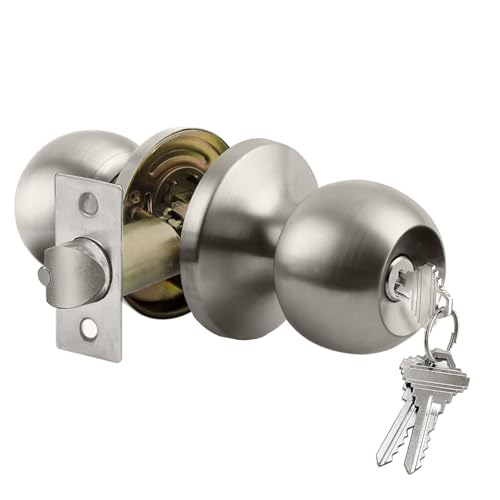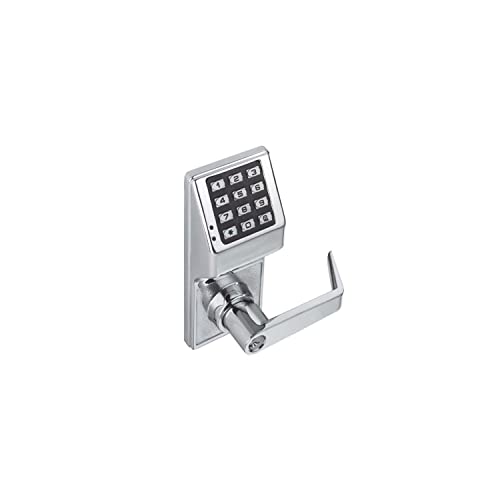

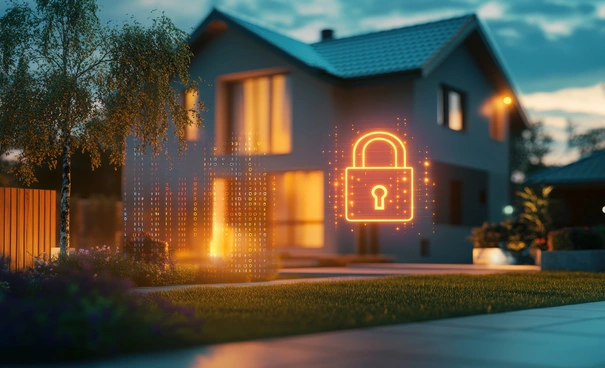
When it comes to keeping your home safe, you probably think about locks, alarms, and cameras. These are common physical security measures that protect your space.
But did you know there are things that might seem like security steps but actually aren’t physical security measures? Knowing what does not count can help you focus your efforts on what truly keeps your home secure. You’ll discover exactly what isn’t a physical security measure for your home—and why understanding this can make a big difference in protecting what matters most to you.
Keep reading to make sure your home is as safe as it can be.
Credit: www.docsity.com
Physical Security Basics
Physical security protects your home from unwanted entry. It uses barriers and devices to keep intruders out.
Not all security measures are physical. Some focus on alerts or monitoring instead.
Key Components Of Home Security
Strong doors and locks are the first line of defense. Windows also need secure locks to prevent easy access.
Lighting around your home helps keep areas visible at night. Motion sensors can trigger lights when movement is detected.
- Solid doors with deadbolt locks
- Window locks and reinforced glass
- Outdoor lighting with timers or sensors
- Security cameras and alarm systems
Common Physical Barriers
Fences and gates help mark your property and slow down intruders. Thick hedges can act as natural barriers.
Security bars on windows stop break-ins. Door chains and peepholes let you check visitors safely.
- Fences and locked gates
- Window security bars
- Door chains and peepholes
- Security screens and shutters
Myths About Physical Security
Many people believe some items can protect their home from intruders. Not all of these ideas are true. Some common security measures do not work as expected.
This article clears up myths about physical security for your home. Learn what is not a real security measure.
Decorative Items As Deterrents
Some homeowners use decorative items hoping they scare off burglars. These might include garden gnomes, statues, or fake signs.
Decorative items do not stop a determined intruder. They do not provide real security. They are just for looks and can give a false sense of safety.
Fake Surveillance Cameras
Fake cameras are often used to trick thieves into thinking a home is watched. These cameras do not record or connect to any system.
- They do not alert authorities or homeowners.
- Experienced burglars can spot fake cameras.
- They do not replace real security cameras.
- Real cameras can provide evidence if a crime happens.
Relying Solely On Neighborhood Watch
Neighborhood Watch programs promote community safety by sharing information. They are helpful but should not be the only protection method.
| Strength | Limitation |
| Increases neighborhood awareness | Cannot stop crimes alone |
| Encourages residents to report suspicious activity | Depends on active participation |
| Builds community trust | Does not replace locks or alarms |
Non-physical Security Measures
Not all home security comes from locks and gates. Many measures protect your home without physical barriers.
These non-physical methods help you stay safe by using technology and smart habits.
Alarm Systems And Monitoring
Alarm systems alert you and authorities when there is a break-in or danger. Monitoring services watch your home 24/7.
- Fire alarms detect smoke and fire early.
- Motion sensors trigger alarms when unexpected movement is detected.
- Glass break detectors sense window or door breakage.
- Professional monitoring sends help automatically when alarms activate.
Cybersecurity For Smart Homes
Smart homes use devices connected to the internet. Cybersecurity protects these devices from hackers.
- Use strong, unique passwords for all smart devices.
- Keep software and firmware updated to fix security flaws.
- Disable features you do not use to reduce risks.
- Secure your Wi-Fi network with encryption and a hidden name.
Security Through Awareness
Knowing how to spot threats and act can protect your home. Awareness is a key security measure.
| Action | Benefit |
| Notice strangers near your home | Prevents potential break-ins |
| Do not share vacation plans online | Avoids alerting burglars |
| Teach family safety habits | Increases everyone’s security |
| Report suspicious activity to authorities | Helps stop crime early |

Credit: www.pelco.com
Effective Physical Security Solutions
Protecting your home needs good physical security measures. These solutions stop intruders and keep you safe. Simple tools can make a big difference.
Not all security ideas are physical. It is important to know what counts as a real physical security measure for your home.
Locks And Deadbolts
Strong locks and deadbolts are the first line of defense for any home. They stop unwanted entry and add a secure barrier to your doors.
- Use deadbolts with at least one inch of bolt throw
- Choose locks with high security ratings
- Change locks after losing keys or moving into a new home
- Install smart locks carefully to avoid hacking risks
Security Doors And Windows
Doors and windows must be strong to resist forced entry. Special security doors and window locks help keep your home safe.
| Feature | Benefit |
| Metal security doors | Hard to break or kick in |
| Reinforced window glass | Stops breaking and shattering |
| Window bars or grilles | Blocks entry through windows |
| Secure window locks | Prevents easy opening from outside |
Outdoor Lighting
Good lighting outside reduces hiding spots for intruders. It makes your home less attractive to thieves at night.
Effective outdoor lighting tips:
- Install motion-sensor lights near entrances
- Use bright lights to cover walkways and yards
- Place lights high to avoid easy tampering
- Keep lights on timers or smart controls for consistency
Combining Measures For Best Protection
Protecting your home takes more than just one type of security. You need to use many ways to keep your home safe. Mixing physical and other security methods works best.
Using different security types helps cover weak spots. This makes it harder for strangers to break in or cause harm.
Integrating Physical And Digital Security
Physical security means things like locks, gates, and alarms. Digital security includes cameras, smart locks, and apps. Combining both keeps your home safer.
You can check cameras from your phone and lock doors remotely. This helps you act fast if there is a problem.
- Use strong door and window locks
- Install security cameras with remote access
- Set up alarms that alert you on your phone
- Use smart lighting to deter intruders
Routine Security Assessments
Check your security setup often. Look for weak points like broken locks or dead batteries. Fix any problems quickly.
Regular checks help keep your home safe. It also helps you update your system with new tools and ideas.
- Test alarms and cameras monthly
- Inspect all doors and windows for damage
- Replace batteries in sensors and devices
- Update passwords on digital security apps
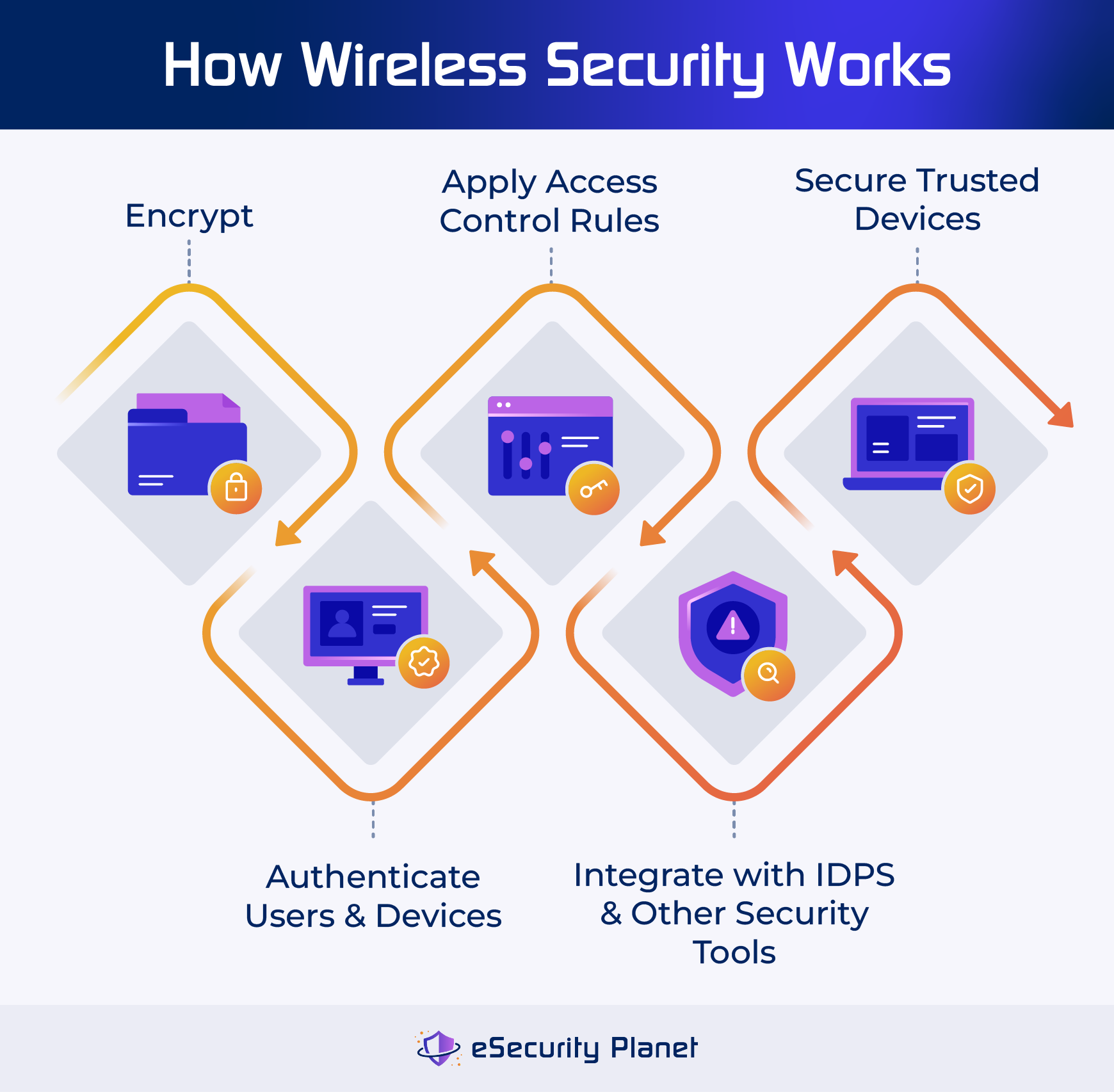
Credit: www.esecurityplanet.com
Frequently Asked Questions
What Is Not Considered A Physical Security Measure?
Not all security methods are physical. For example, cybersecurity and password protection are not physical measures. Physical security involves tangible barriers like locks, fences, and alarms.
Are Digital Alarms A Physical Security Measure?
Digital alarms are part of a physical security system. However, the software managing them is not physical. The device itself, like sensors, is a physical security element.
Is A Security Guard A Physical Security Measure?
Yes, security guards are considered a physical security measure. They provide a human presence and physical deterrence against threats.
Does Insurance Count As A Physical Security Measure?
No, insurance is not a physical security measure. It offers financial protection but does not physically prevent unauthorized access or damage.
Conclusion
Protecting your home needs clear, physical steps. Not every security idea counts as physical. Things like passwords or alarms alone are not enough. Physical measures mean locks, fences, or cameras. These keep people out and your family safe. Choose strong, visible barriers to stop threats.
Remember, good security mixes several methods together. Stay smart about what truly protects your home. Safety grows with simple, solid actions every day.