
Rubber to Rubber Adhesive is the reliable solution you need for bonding rubber surfaces. Whether you're tackling a DIY project or an industrial application, choosing the right adhesive is crucial for long-lasting, flexible, and durable results.
Imagine having an adhesive that ensures a strong bond and withstands stress and environmental factors. Rubber-to-rubber adhesive offers the perfect blend of strength and flexibility, making your projects durable and efficient.
Dive into this article to discover how to choose the best adhesive for your needs, ensuring your rubber materials stay securely bonded, no matter the conditions. Keep reading, because understanding the ins and outs of rubber-to-rubber adhesive could be the game-changer you've been searching for.
Basics Of Rubber Adhesives
Understanding rubber adhesives is essential if you work with rubber materials regularly. These adhesives are designed to effectively bond rubber to rubber or other surfaces. Knowing the basics helps you pick the right adhesive, ensuring strong and lasting bonds for your projects.
Types Of Rubber Materials
Rubber comes in many forms, each with unique characteristics. Natural rubber is flexible and resilient, but it can degrade under UV light. Synthetic rubbers like neoprene, silicone, and nitrile offer better resistance to heat, chemicals, and weather.
Choosing the right adhesive depends on the rubber type you're working with. For instance, silicone rubber requires a different adhesive than neoprene to achieve a strong bond.
Adhesive Categories For Rubber
Rubber adhesives fall into several categories, each suited for specific tasks:
- Contact Adhesives: These provide instant bonding when two coated surfaces touch. They work well for large surface areas but need careful alignment.
- Cyanate Ester Adhesives: Known for high strength and heat resistance, ideal for demanding applications.
- Epoxy Adhesives: Offer excellent durability and chemical resistance, but take longer to cure.
- Polyurethane Adhesives: Flexible and strong, great for bonding rubber to different materials.
Have you ever struggled with an adhesive that didn't stick well? Picking the right category can save you from that frustration.
Key Properties Of Rubber Adhesives
Effective rubber adhesives share several important properties. They must be flexible to accommodate rubber's natural stretch, and strong adhesion is critical to keeping materials bonded under stress.
Resistance to temperature changes, moisture, and chemicals also matters. For example, the adhesive must withstand heat and oil exposure if you're bonding rubber parts for automotive use.
Lastly, quick curing time can be a big advantage in fast-paced work environments. Do you prioritize strength or speed in your adhesive choice? Understanding these properties helps you make smarter decisions.
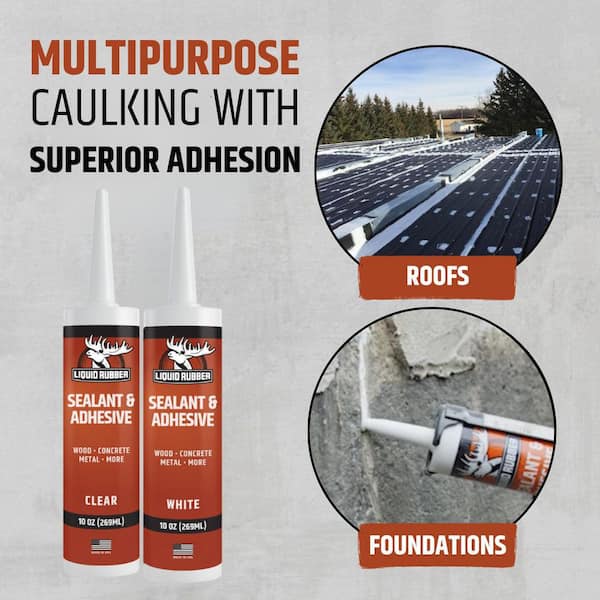
Credit: www.homedepot.com
Testing Bond Durability
Testing bond durability is key to ensuring the rubber-to-rubber adhesive performs well. It checks how strong and lasting the bond is under different conditions. Reliable testing helps find the best adhesive for tough uses and prevents failures that can cause safety issues or costly repairs.
Mechanical Strength Tests
These tests measure how much force the bond can handle before breaking. Common tests include tensile, shear, and peel tests. Each test applies stress in different ways to simulate real use. Results show the bond's capacity to hold under pressure and movement. Strong mechanical performance means the adhesive can handle heavy loads and bending.
Environmental Resistance Testing
Environmental tests expose the bond to heat, cold, moisture, and chemicals. This checks if the adhesive weakens or fails in harsh conditions. Samples may be soaked, frozen, or heated for set times. Resistance to water and chemicals is especially important for outdoor or industrial uses. Good resistance ensures the bond stays intact despite weather or spills.
Long-term Performance Evaluation
Long-term tests track bond strength over weeks or months. These tests show how aging affects the adhesive. Time, UV exposure, and repeated stress are factors considered. Slow changes in the bond's strength reveal potential weak points. This evaluation helps confirm the adhesive's durability for extended use.
Troubleshooting Adhesive Issues
Rubber-to-rubber adhesive problems can slow down projects and waste materials. Spotting issues early saves time and effort. Understanding common problems helps fix them fast. Proper repair methods restore strong bonds and extend product life.
Identifying Common Problems
- Adhesive does not stick well to rubber surfaces.
- Bond weakens after a short period.
- Glue peels off or bubbles appear under the surface.
- The rubber surface feels oily or dirty before application.
- Adhesive dries too quickly or stays sticky for too long.
Solutions For Weak Bonds
Clean the rubber surface thoroughly using isopropyl alcohol. Remove all dirt, oil, and moisture.
Apply adhesive evenly and allow correct drying time as per instructions.
Use primer if recommended to improve adhesion on difficult rubber types.
Press bonded parts firmly and hold until fully set.
Store adhesive in a cool, dry place to maintain effectiveness.
Repair Techniques
- Re-clean the area and remove any old adhesive residue.
- Apply a fresh layer of adhesive carefully on both surfaces.
- Clamp or weigh the parts together during curing for a stronger bond.
- For cracks or tears, use a rubber patch with adhesive for reinforcement.
- Test repaired parts gently before full use to ensure they hold.
Innovations In Rubber Adhesives
Innovations in rubber adhesives have transformed how industries approach bonding solutions. These advancements improve performance and address environmental and practical challenges. If you work with rubber materials, understanding these changes can help you choose the right adhesive for your needs.
Eco-friendly Adhesive Options
Environmental concerns push many manufacturers to seek adhesives with lower toxicity and less harmful emissions.
Water-based rubber adhesives offer strong bonding without the harsh chemicals in traditional solvent-based options. These adhesives reduce air pollution and are safer for workers.
Bio-based adhesives from natural materials like plant oils are gaining popularity. They provide reliable performance and reduce dependency on petroleum products, making your projects more sustainable.
Advances In Polymer Chemistry
Polymer science has brought new formulations that improve adhesion strength and flexibility simultaneously.
Specialty polymers can bond rubber to rubber under challenging conditions, such as extreme temperatures or exposure to oils and chemicals. This means your bonds last longer and resist wear better.
Some adhesives include additives that speed up curing time, allowing faster production without sacrificing quality. This can be a game-changer if you need an efficient turnaround.
Future Trends In Bonding Technology
What will rubber adhesives look like in the next five to ten years?
Smart adhesives that respond to environmental changes or heal themselves after damage are in development. Imagine a bond that repairs minor cracks, extending product life.
Nanotechnology may enhance adhesive properties by improving penetration and creating stronger molecular bonds. This could lead to thinner, lighter bonds without losing strength, benefiting the automotive and electronics industries.

Credit: www.amazon.com
Frequently Asked Questions
What Is Rubber-to-Rubber Adhesive?
Rubber-to-rubber adhesive is a special glue that firmly bonds rubber surfaces. It creates a strong, flexible, durable connection that resists heat, water, and chemicals. This adhesive is ideal for repairing or assembling rubber products without compromising their elasticity.
How Does Rubber-to-Rubber Adhesive Work?
This adhesive forms a chemical bond by softening and fusing rubber surfaces. It penetrates the rubber material, creating a seamless, flexible joint. The bond maintains elasticity and withstands stretching, making it perfect for rubber repairs and manufacturing processes.
Which Industries Use rubber-to-rubber Rubber Adhesive?
Rubber-to-rubber adhesive is widely used in the automotive, footwear, electronics, and manufacturing industries. It helps assemble tires, seals, gaskets, and rubber components. Its strong bond and flexibility make it essential for durable and elastic products.
Can Rubber-to-Rubber Adhesive Withstand Water Exposure?
Yes, rubber-to-rubber adhesives are water-resistant. They maintain strong bonds even when exposed to moisture or water, making them suitable for outdoor applications, waterproof seals, and products that frequently contact liquids.
Conclusion
Choosing the right rubber-to-rubber adhesive helps ensure strong, lasting bonds. It works well for repairs and new projects alike. Easy to use and quick to dry, it saves time. Good adhesion means less chance of things coming apart.
Always pick an adhesive suited for your specific rubber type. Proper use leads to better results and longer durability. Trust the process, and your rubber items will hold together firmly. Simple, reliable, and effective—that's what rubber-to-rubber adhesive offers.
Choosing The Right Adhesive
Choosing the right rubber-to-rubber adhesive can make all the difference in your project's success. The right adhesive ensures a strong bond and guarantees durability and resistance to wear and tear. You might think any adhesive will do, but the specifics matter much more than expected.
Factors Influencing Adhesive Selection
Think about the stresses your bonded rubber will face. Will it stretch, flex, or bear heavy loads? These factors directly affect the type of adhesive you need.
Consider the curing time too. If you need a quick fix, some adhesives set faster but might compromise on strength. Also, think about how easy it is to apply the adhesive—does it require special tools or conditions?
- Mechanical stress and flexibility requirements
- Curing time and application method
- Desired bond strength and longevity
Compatibility With Different Rubber Types
Not all rubbers are created equal. Natural rubber, neoprene, silicone, and EPDM each have unique chemical properties.
If you use an adhesive that isn't compatible, the bond can weaken or fail. For instance, a silicone adhesive works well with silicone rubber but may not bond properly with neoprene.
Always check the adhesive's specifications against your rubber type. Don't guess—testing a small sample can save you time and frustration.
Environmental Considerations
Where will your bonded rubber be used? Environmental factors like temperature, humidity, and chemical exposure can affect the adhesive's performance.
High temperatures cause some adhesives to soften, while moisture can break down others over time. If your project is exposed to outdoor conditions, UV resistance becomes important.
Ask yourself: Will the bond hold up under the exact conditions your project will encounter? Choosing an adhesive designed for those conditions is essential for lasting results.
Surface Preparation Techniques
Surface preparation is vital in achieving a strong rubber-to-rubber adhesive bond. Proper cleaning, roughening, and priming ensure the adhesive sticks well and lasts longer. Each step improves the surface's ability to hold the glue firmly. Neglecting these steps weakens the bond and reduces durability.
Cleaning Methods
Cleaning removes dirt, oils, and contaminants from rubber surfaces. Use a clean cloth and a mild solvent like isopropyl alcohol. Wipe the surfaces gently but thoroughly. Avoid harsh chemicals that may damage the rubber. Let the surface dry completely before applying adhesive. Proper cleaning prevents weak spots and peeling.
Surface Roughening
Roughening increases the surface area for better adhesion. Lightly sand the rubber with fine-grit sandpaper or a scouring pad. This creates tiny grooves that hold adhesive more securely. Do not over-sand, as it can damage the material. After roughening, clean the surface again to remove dust and debris. This step helps the adhesive grip strongly.
Priming For Better Bonding
Primers improve the bond between rubber and adhesive. Apply a thin primer coat designed for rubber materials. Use a brush or cloth to spread it evenly. Let the primer dry as per product instructions. Priming prepares the rubber surface for better chemical bonding. It boosts adhesive strength and resistance to peeling.
Application Methods
Choosing the right application method for rubber-to-rubber adhesive can significantly impact the strength and durability of your bond. Each technique offers distinct advantages depending on the project size, material type, and environmental conditions. Understanding these methods helps you achieve a seamless and lasting adhesion.
Brush And Roller Application
Brush and roller application is one of the simplest rubber adhesive methods. You get precise control over the amount of adhesive you use, reducing waste and mess. This method works best for small to medium surfaces where even coverage is crucial.
Using a brush allows you to reach corners and edges easily, ensuring no part of the rubber is left untreated. Rollers, on the other hand, speed up the process on larger flat surfaces. Have you noticed how a smooth, consistent layer improves the bond strength? That's exactly what this method delivers.
Spray Techniques
Spraying rubber adhesive provides quick and uniform coverage, especially on complex shapes or textured surfaces. It's perfect to cover large areas without brush marks or uneven layers.
Spray guns can be adjusted for different spray patterns, helping you control the adhesive's thickness. However, working in a well-ventilated area is essential to avoid inhaling fumes. Have you ever tried spraying adhesive and struggled with overspray? Using masking tape to protect surrounding areas can save you time and cleanup.
Heat And Pressure Curing
Heat and pressure curing is a specialized application that enhances the adhesive's bonding strength. The adhesive cures faster by applying heat and pressure simultaneously and forms a stronger, more flexible bond.
This technique is common in industrial settings where durability is critical, such as automotive or footwear manufacturing. You might wonder if this method is practical for your project—consider the equipment availability and the rubber types involved. Proper temperature and pressure settings are key; too much heat can damage the rubber, while insufficient pressure might weaken the bond.
Enhancing Bond Strength
Enhancing bond strength in rubber-to-rubber adhesive applications is crucial for creating durable, long-lasting connections. Achieving a strong bond requires more than just applying adhesive; it involves understanding the factors that affect curing, surface preparation, and avoiding common pitfalls. You'll find that even small adjustments can significantly improve your results.
Optimal Curing Conditions
The curing process transforms adhesive from a liquid or gel into a solid, strong bond. Temperature and humidity play a big role here—too cold or damp can slow curing and weaken the bond. Aim for consistent conditions recommended by the adhesive manufacturer to ensure full strength.
Think about when you rushed a project and didn't let the adhesive dry properly. Did the bond hold up? Giving your adhesive the right environment to cure fully can be the difference between failure and success.
Use Of Adhesion Promoters
Adhesion promoters act as a bridge between rubber surfaces and adhesives. They improve the rubber's surface energy, making it easier for the adhesive to grip tightly. Using primers or specific chemical treatments can boost bond strength significantly.
Have you tried skipping this step to save time? You might notice weaker bonds that peel or crack under stress. Using adhesion promoters is a small step that pays off with stronger, more reliable connections.
Avoiding Common Bonding Failures
Many bonding failures happen due to surface contamination, improper adhesive application, or incorrect curing. Dirt, oils, or moisture on the rubber can prevent the adhesive from sticking properly. Always clean and dry surfaces before applying adhesive.
Applying too much or too little adhesive can also cause problems. A layer that is too thick may not cure well, while a layer that is too thin can leave gaps. Pay attention to manufacturer guidelines for the best results.
Have you experienced bond failure after a short time? One of these common mistakes was involved. Preparing surfaces properly and applying adhesive carefully will help you avoid costly errors.

Credit: www.amazon.com
Testing Bond Durability
Testing bond durability is key to ensuring the rubber-to-rubber adhesive performs well. It checks how strong and lasting the bond is under different conditions. Reliable testing helps find the best adhesive for tough uses and prevents failures that can cause safety issues or costly repairs.
Mechanical Strength Tests
These tests measure how much force the bond can handle before breaking. Common tests include tensile, shear, and peel tests. Each test applies stress in different ways to simulate real use. Results show the bond's capacity to hold under pressure and movement. Strong mechanical performance means the adhesive can handle heavy loads and bending.
Environmental Resistance Testing
Environmental tests expose the bond to heat, cold, moisture, and chemicals. This checks if the adhesive weakens or fails in harsh conditions. Samples may be soaked, frozen, or heated for set times. Resistance to water and chemicals is especially important for outdoor or industrial uses. Good resistance ensures the bond stays intact despite weather or spills.
Long-term Performance Evaluation
Long-term tests track bond strength over weeks or months. These tests show how aging affects the adhesive. Time, UV exposure, and repeated stress are factors considered. Slow changes in the bond's strength reveal potential weak points. This evaluation helps confirm the adhesive's durability for extended use.
Troubleshooting Adhesive Issues
Rubber-to-rubber adhesive problems can slow down projects and waste materials. Spotting issues early saves time and effort. Understanding common problems helps fix them fast. Proper repair methods restore strong bonds and extend product life.
Identifying Common Problems
- Adhesive does not stick well to rubber surfaces.
- Bond weakens after a short period.
- Glue peels off or bubbles appear under the surface.
- The rubber surface feels oily or dirty before application.
- Adhesive dries too quickly or stays sticky for too long.
Solutions For Weak Bonds
Clean the rubber surface thoroughly using isopropyl alcohol. Remove all dirt, oil, and moisture.
Apply adhesive evenly and allow correct drying time as per instructions.
Use primer if recommended to improve adhesion on difficult rubber types.
Press bonded parts firmly and hold until fully set.
Store adhesive in a cool, dry place to maintain effectiveness.
Repair Techniques
- Re-clean the area and remove any old adhesive residue.
- Apply a fresh layer of adhesive carefully on both surfaces.
- Clamp or weigh the parts together during curing for a stronger bond.
- For cracks or tears, use a rubber patch with adhesive for reinforcement.
- Test repaired parts gently before full use to ensure they hold.
Innovations In Rubber Adhesives
Innovations in rubber adhesives have transformed how industries approach bonding solutions. These advancements improve performance and address environmental and practical challenges. If you work with rubber materials, understanding these changes can help you choose the right adhesive for your needs.
Eco-friendly Adhesive Options
Environmental concerns push many manufacturers to seek adhesives with lower toxicity and less harmful emissions.
Water-based rubber adhesives offer strong bonding without the harsh chemicals in traditional solvent-based options. These adhesives reduce air pollution and are safer for workers.
Bio-based adhesives from natural materials like plant oils are gaining popularity. They provide reliable performance and reduce dependency on petroleum products, making your projects more sustainable.
Advances In Polymer Chemistry
Polymer science has brought new formulations that improve adhesion strength and flexibility simultaneously.
Specialty polymers can bond rubber to rubber under challenging conditions, such as extreme temperatures or exposure to oils and chemicals. This means your bonds last longer and resist wear better.
Some adhesives include additives that speed up curing time, allowing faster production without sacrificing quality. This can be a game-changer if you need an efficient turnaround.
Future Trends In Bonding Technology
What will rubber adhesives look like in the next five to ten years?
Smart adhesives that respond to environmental changes or heal themselves after damage are in development. Imagine a bond that repairs minor cracks, extending product life.
Nanotechnology may enhance adhesive properties by improving penetration and creating stronger molecular bonds. This could lead to thinner, lighter bonds without losing strength, benefiting the automotive and electronics industries.
Credit: www.amazon.com
Frequently Asked Questions
What Is Rubber-to-Rubber Adhesive?
Rubber-to-rubber adhesive is a special glue that firmly bonds rubber surfaces. It creates a strong, flexible, durable connection that resists heat, water, and chemicals. This adhesive is ideal for repairing or assembling rubber products without compromising their elasticity.
How Does Rubber-to-Rubber Adhesive Work?
This adhesive forms a chemical bond by softening and fusing rubber surfaces. It penetrates the rubber material, creating a seamless, flexible joint. The bond maintains elasticity and withstands stretching, making it perfect for rubber repairs and manufacturing processes.
Which Industries Use rubber-to-rubber Rubber Adhesive?
Rubber-to-rubber adhesive is widely used in the automotive, footwear, electronics, and manufacturing industries. It helps assemble tires, seals, gaskets, and rubber components. Its strong bond and flexibility make it essential for durable and elastic products.
Can Rubber-to-Rubber Adhesive Withstand Water Exposure?
Yes, rubber-to-rubber adhesives are water-resistant. They maintain strong bonds even when exposed to moisture or water, making them suitable for outdoor applications, waterproof seals, and products that frequently contact liquids.
Conclusion
Choosing the right rubber-to-rubber adhesive helps ensure strong, lasting bonds. It works well for repairs and new projects alike. Easy to use and quick to dry, it saves time. Good adhesion means less chance of things coming apart.
Always pick an adhesive suited for your specific rubber type. Proper use leads to better results and longer durability. Trust the process, and your rubber items will hold together firmly. Simple, reliable, and effective—that's what rubber-to-rubber adhesive offers.

