
When it comes to protecting your most sensitive data, you need more than just software. You need a shield that’s built to keep your secrets safe from hackers and cyber threats.
That’s where an HSM, or Hardware Security Module, comes in. Imagine having a powerful lockbox that stores your encryption keys and handles security tasks with unmatched speed and reliability. If you want to take control of your digital security and ensure your information stays under your lock and key, understanding HSM hardware security modules is a must.
Keep reading to discover how this technology can be your strongest defense.

Credit: medium.com
What Is An Hsm
An HSM, or Hardware Security Module, is a physical device that protects cryptographic keys. It keeps keys safe from theft or damage.
HSMs perform encryption and decryption inside a secure environment. They help secure data for businesses and governments.
Core Functions
The main job of an HSM is to manage and protect keys. It creates, stores, and uses keys securely. This prevents hackers from accessing sensitive information.
- Key generation: Producing strong cryptographic keys
- Key storage: Keeping keys safe inside the device
- Encryption and decryption: Processing data securely
- Authentication: Verifying user or system identity
- Digital signing: Creating secure digital signatures
Key Components
An HSM includes hardware and software parts that work together. These parts make sure the device stays secure and reliable.
| Component | Function |
|---|---|
| Cryptographic Processor | Handles encryption and decryption |
| Secure Memory | Stores keys safely inside the HSM |
| Physical Security | Protects against tampering and attacks |
| Access Control | Limits who can use the HSM |
| Firmware | Runs the HSM's operations securely |
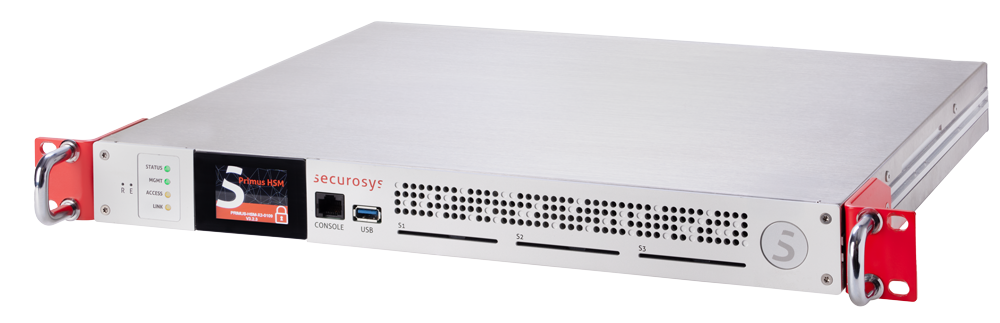
Credit: www.securosys.com
Types Of Hsms
Hardware Security Modules (HSMs) protect sensitive data and cryptographic keys. They come in different types to fit various security needs and environments.
This guide explains three main types of HSMs: Network-Attached HSMs, PCIe HSMs, and Cloud-Based HSMs.
Network-attached Hsms
Network-Attached HSMs connect to a network and serve multiple users or servers. They provide strong security by isolating cryptographic operations from the host machines.
These HSMs are good for organizations needing shared secure key management across many systems.
Pcie Hsms
PCIe HSMs are hardware cards installed inside a computer’s PCIe slot. They offer fast cryptographic processing with low latency.
- Work directly with the host server
- Provide high-speed encryption and decryption
- Ideal for applications needing quick secure transactions
Cloud-based Hsms
Cloud-Based HSMs are hosted by cloud providers. They allow users to manage keys securely without owning physical devices.
| Feature | Cloud-Based HSMs |
| Access | Remote via internet |
| Scalability | High |
| Maintenance | Handled by provider |
| Cost | Subscription-based |
How Hsms Secure Data
Hardware Security Modules (HSMs) protect sensitive data using strong security methods. They keep data safe from theft and misuse.
HSMs handle encryption keys and cryptographic operations inside secure hardware. This makes data protection stronger and more reliable.
Encryption And Decryption
HSMs encrypt data to turn it into unreadable code. Only authorized users can decrypt and read the original data.
This process keeps information safe during storage and transmission. HSMs perform encryption and decryption quickly and securely.
Key Management
HSMs generate and store cryptographic keys inside protected hardware. Keys never leave the device in plain form.
They control key use, making sure only allowed applications access them. This reduces the risk of key theft or loss.
- Key generation inside HSM
- Secure key storage
- Access control for keys
- Key backup and recovery
Tamper Resistance
HSMs have physical protections to stop tampering. If someone tries to open or damage the device, it erases the keys.
This feature stops attackers from stealing data by breaking into the hardware. It keeps the HSM and data safe.
Common Use Cases
Hardware Security Modules (HSMs) protect sensitive data and cryptographic keys. They offer strong security across many industries.
Here are common use cases in financial services, government, cloud security, and IoT protection.
Financial Services
Financial institutions use HSMs to secure transactions and protect customer data. They help with encryption, digital signatures, and key management.
- Secure ATM and point-of-sale transactions
- Protect payment card data
- Manage cryptographic keys for online banking
- Enable secure digital signatures for contracts
Government And Defense
Governments rely on HSMs to safeguard classified information and ensure secure communications. They protect data from cyber attacks.
- Encrypt sensitive government documents
- Secure communication channels
- Manage digital identities and access control
- Support secure voting systems
Cloud Security
Cloud providers use HSMs to protect customer data and keys in shared environments. They help meet compliance requirements.
| Use Case | Benefit |
| Data encryption at rest | Prevents unauthorized data access |
| Key lifecycle management | Ensures secure key generation and storage |
| Secure multi-tenant environments | Isolates customer data securely |
| Compliance support | Meets industry standards and laws |
Iot Protection
HSMs protect IoT devices from hacking. They secure device identities and communications.
- Store cryptographic keys securely inside devices
- Authenticate devices before network access
- Encrypt data sent between devices and servers
- Prevent firmware tampering
Choosing The Right Hsm
Choosing the right Hardware Security Module (HSM) is key for strong data protection. It helps keep encryption keys safe and supports secure operations.
Different HSMs offer varied features. Understanding your needs helps select the best fit for your security goals.
Performance Considerations
Performance depends on speed, capacity, and scalability. These affect how well the HSM handles encryption tasks.
- Check the transaction rate the HSM supports.
- Consider the number of cryptographic keys it can manage.
- Look for scalability options as your needs grow.
- Review latency times for critical operations.
Compliance Requirements
Compliance ensures your HSM meets legal and industry rules. This protects your data and avoids penalties.
| Standard | Description | Importance |
| FIPS 140-2/3 | Security certification for cryptographic modules | High |
| GDPR | Data protection rules in Europe | High |
| PCI DSS | Payment card data security standard | Medium |
| HIPAA | Health data privacy rules | Medium |
Integration And Compatibility
Choose an HSM that fits your existing systems. It must support your software and hardware environments.
Key integration points to check:
- Supported APIs like PKCS11 or KMIP
- Compatibility with cloud platforms and on-premises systems
- Support for your encryption algorithms
- Ease of management and monitoring tools
Implementing Hsms
Hardware Security Modules (HSMs) are devices that secure and manage digital keys. They are vital for protecting sensitive data and ensuring secure transactions.
Implementing HSMs properly is crucial for maximizing their security benefits. This guide covers best practices, access controls, and monitoring strategies.
Deployment Best Practices
Proper deployment ensures HSMs function effectively. Consider network architecture and physical security.
- Place HSMs in secure, controlled environments
- Ensure redundancy for high availability
- Configure network settings for minimal latency
Access Controls
Access controls are essential for HSM security. They prevent unauthorized access and misuse.
- Implement strong authentication methods
- Use role-based access controls
- Regularly review and update permissions
Monitoring And Auditing
Monitoring and auditing help detect anomalies and ensure compliance. They are key for maintaining HSM security.
- Set up real-time alerts for unusual activities
- Conduct regular audits of HSM operations
- Keep detailed logs for incident analysis
Future Trends In Hsm Technology
Hardware Security Modules (HSM) are crucial for data protection. These devices secure sensitive information and cryptographic keys. As technology evolves, so do HSM capabilities.
Future trends in HSM focus on adapting to new challenges. Security needs are growing, and HSM technology is responding. Here are some key areas of development.
Quantum-resistant Solutions
Quantum computing poses a threat to current encryption methods. HSM technology is evolving to counteract this. Quantum-resistant algorithms are being integrated into HSMs. These algorithms aim to secure data against future quantum attacks.
- Developing new cryptographic standards
- Integrating quantum-resistant algorithms
- Enhancing key management systems
Ai Integration
Artificial Intelligence (AI) is changing many fields. In HSM technology, AI helps in threat detection and response. AI models analyze data patterns to identify security risks. This makes HSMs smarter and more efficient.
| AI Feature | Benefit |
| Pattern Recognition | Detect anomalies |
| Automated Response | Reduce human error |
| Continuous Learning | Adapt to new threats |
Cloud-native Enhancements
Cloud computing is becoming more common. HSMs are adapting to fit cloud environments. Cloud-native HSMs offer flexibility and scalability. They provide secure key management without hardware constraints.

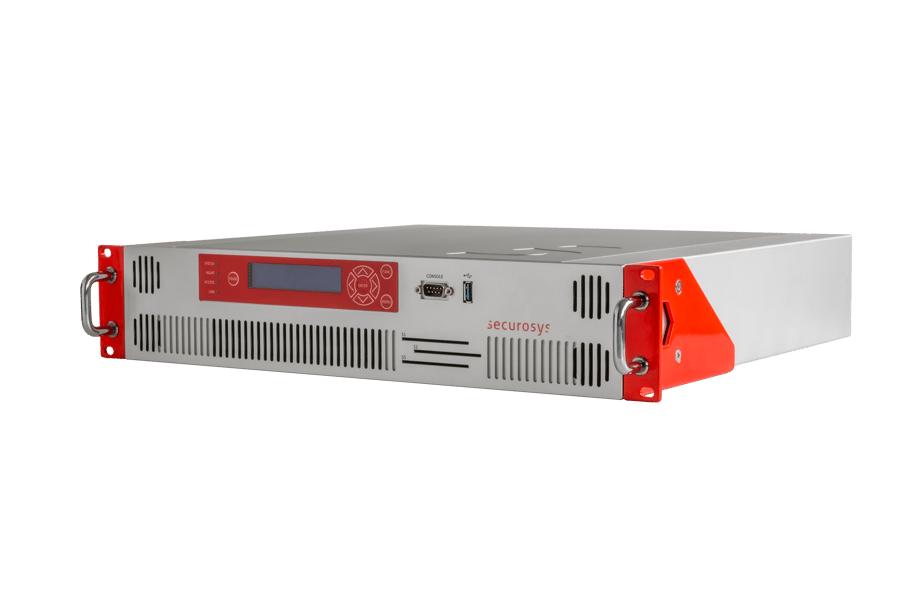
Credit: www.cdw.com
Frequently Asked Questions
What Is An Hsm Hardware Security Module?
An HSM is a physical device that manages digital keys securely. It protects cryptographic keys from theft or tampering. Organizations use HSMs for enhanced data security and regulatory compliance.
How Does An Hsm Improve Data Security?
HSMs generate, store, and manage cryptographic keys inside a tamper-resistant environment. This prevents unauthorized access and ensures data integrity. They provide strong encryption and secure key lifecycle management.
Where Are Hsms Commonly Used?
HSMs are widely used in banking, healthcare, cloud services, and government sectors. They protect sensitive data, secure transactions, and comply with strict security standards like PCI-DSS and GDPR.
Can Hsms Integrate With Cloud Platforms?
Yes, many cloud providers offer HSM services or allow integration with physical HSMs. This enables secure key management and encryption for cloud-based applications and data storage.
Conclusion
HSM Hardware Security Modules protect sensitive data with strong encryption. They keep keys safe from theft and damage. Businesses trust HSMs to secure transactions and digital identities. Using HSMs helps meet strict security rules and avoid breaches. They work fast and fit many systems easily.
Investing in HSM technology boosts overall data safety. Choose HSMs for reliable, clear protection you can count on.