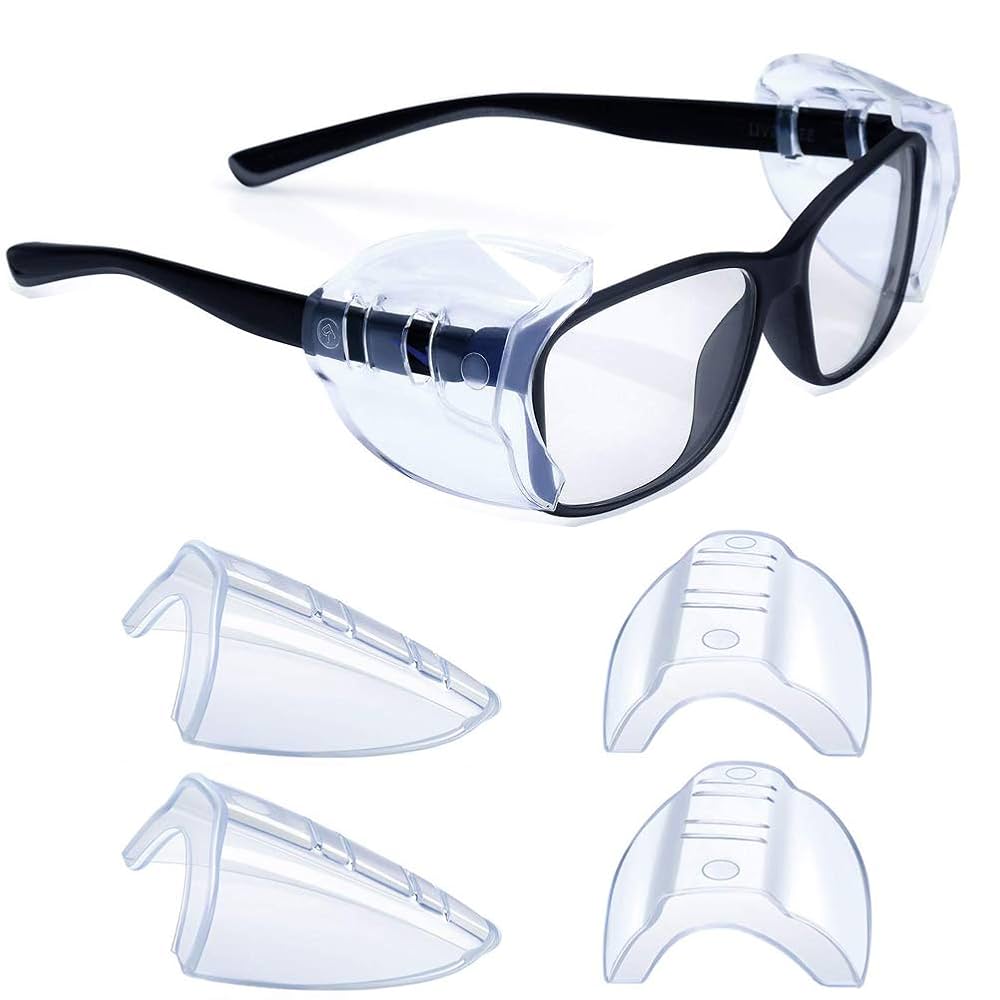
Are you worried about protecting your eyes while wearing prescription glasses? Safety side shields might be the simple solution you’ve been missing.
These small attachments can make a big difference in shielding your eyes from dust, debris, and harmful splashes. If you want to keep your vision safe without sacrificing comfort or style, understanding how prescription glasses safety side shields work is essential.
Keep reading to discover why they matter and how they can protect your eyes every day.

Credit: www.amazon.com
Benefits Of Safety Side Shields
Prescription glasses safety side shields add extra protection to your eyewear. They help keep your eyes safe from various hazards around you.
These shields are simple attachments but provide important safety benefits for everyday and work use.
Enhanced Eye Protection
Safety side shields create a barrier that covers the sides of your glasses. This stops harmful objects from hitting your eyes from the side.
They are especially useful in environments where flying particles or splashes may occur.
Blocking Peripheral Hazards
Side shields help block hazards that come from the edges of your vision. This means fewer risks from things you might not see directly in front of you.
- Protects from wind and dust blowing sideways
- Prevents small objects from entering the eyes
- Reduces glare from side light
- Improves overall safety in busy areas
Reducing Dust And Debris Exposure
| Type of Shield | Dust Protection | Debris Protection |
| Full Side Shields | High | High |
| Partial Side Shields | Medium | Medium |
| No Side Shields | Low | Low |
Wearing glasses with side shields lowers dust and debris reaching your eyes. This is important in dusty or windy places.
Types Of Side Shields
Prescription glasses safety side shields protect your eyes from debris and harmful particles. They are useful in many work environments and outdoor activities.
There are different types of side shields. Each type offers unique features and fits different needs.
Clip-on Side Shields
Clip-on side shields attach easily to the frame of your glasses. They snap on and off without tools.
This type is great if you want temporary protection. You can remove them when not needed.
- Easy to add or remove
- Fits many frame types
- Offers quick eye protection
Built-in Side Shields
Built-in side shields come attached to the glasses frame. They are part of the original design.
These shields provide constant protection without extra parts to handle or lose.
- Permanent part of the glasses
- No need to attach or detach
- Often made of plastic or metal
Removable Side Shields
Removable side shields are fixed with screws or small clips. You can take them off if needed.
This type gives flexibility for users who sometimes want side protection and sometimes do not.
- Attached securely but removable
- Requires a tool to remove or add
- Good for long-term use with option
Materials Used For Side Shields
Side shields protect your eyes from dust and bright light. They attach to the sides of prescription glasses.
Different materials make side shields strong and comfortable. Each has unique benefits for safety and style.
Plastic Shields
Plastic side shields are lightweight and easy to shape. They fit well on most glasses frames.
They resist moisture and are clear or tinted. Plastic shields offer good protection for daily use.
Metal Shields
Metal side shields are very strong and durable. They provide tough protection in harsh environments.
These shields may have small holes for airflow. Metal options often match metal glasses frames well.
- Made from stainless steel or aluminum
- Resist impact and bending
- May add some weight to glasses
Polycarbonate Options
Polycarbonate side shields are very strong and light. They protect eyes from high impacts and flying debris.
This material also blocks harmful UV rays. Polycarbonate shields are clear and comfortable to wear all day.

Credit: www.amazon.com
Choosing The Right Side Shields
Side shields add extra protection to your prescription glasses. They help keep dust and debris out of your eyes. Choosing the right side shields is important for comfort and safety.
Consider your frame style, fit, and safety needs before selecting side shields. This guide covers key points to help you make a good choice.
Matching Frame Styles
Side shields come in different shapes and sizes. They should match your glasses frames for the best fit. Some shields clip on, while others fit inside the frame.
- Clip-on shields suit plastic and metal frames easily
- Inset shields are best for metal frames with grooves
- Wrap-around shields provide full side coverage
- Choose shields that do not block your side vision
Comfort And Fit
Comfort matters since you may wear glasses all day. Side shields should feel secure but not tight. Look for lightweight materials and smooth edges.
| Feature | What to Look For |
|---|---|
| Material | Light plastic or polycarbonate |
| Attachment | Easy to clip on and remove |
| Size | Fits snugly without pressure |
| Edge Finish | Rounded edges to avoid irritation |
Safety Standards To Consider
Side shields must meet safety standards for eye protection. Look for shields tested for impact resistance and chemical splash protection.
Check for these safety certifications:
- ANSI Z87.1 - Impact and splash protection
- EN 166 - European eye protection standard
- CSA Z94.3 - Canadian standard for eye protection
Wearing certified side shields ensures your eyes stay safe in work or hobby environments.
Maintenance And Care Tips
Prescription glasses with safety side shields need regular care. Proper maintenance keeps them safe and comfortable to wear.
Follow these tips to clean, check, and replace your side shields. This helps protect your eyes well.
Cleaning Side Shields
Clean side shields often to remove dust and dirt. Use gentle cleaning to avoid scratches.
Use a soft cloth and mild soap with water. Avoid harsh chemicals or rough materials.
- Rinse shields with water before cleaning
- Use a microfiber cloth to wipe gently
- Dry shields with a soft towel
- Do not use alcohol or ammonia cleaners
Inspecting For Damage
Look at side shields regularly for cracks or breaks. Damaged shields may not protect your eyes well.
Check the attachments to ensure they are tight. Loose shields can fall off or cause injury.
- Examine shields under good light
- Look for scratches, cracks, or bends
- Test if shields fit securely on frames
- Replace shields if any damage is found
Replacing Worn Shields
Replace side shields if they are scratched or broken. Worn shields reduce eye protection.
Use the correct size and type for your glasses. Follow instructions to install new shields safely.
- Buy shields made for your glasses model
- Remove old shields carefully
- Attach new shields firmly without forcing
- Test fit before wearing your glasses
Common Uses and Industries
Prescription glasses safety side shields are used in various industries to protect workers' eyes from hazards. These shields are designed to prevent debris, chemicals, and other objects from entering the eye area.
Construction And Manufacturing
In construction and manufacturing settings, safety side shields are essential for protecting workers from flying particles, sawdust, and other debris. These shields are typically attached to prescription glasses or goggles to provide an extra layer of protection.
- Construction sites: Protect workers from falling objects, sawdust, and other debris
- Manufacturing plants: Prevent eye injuries from flying particles, chemicals, and other hazards
- Welding and metalworking areas: Shield eyes from sparks, hot metal, and other welding hazards
Healthcare Settings
In healthcare settings, safety side shields are used to protect medical professionals from bodily fluids, chemicals, and other biohazards. These shields are often used in hospitals, clinics, and laboratories.
- Hospitals: Protect medical staff from bodily fluids, surgical debris, and other biohazards
- Clinics: Prevent eye injuries from medical procedures, chemicals, and other hazards
- Laboratories: Shield eyes from chemicals, biological agents, and other laboratory hazards
Laboratories And Workshops
In laboratories and workshops, safety side shields are used to protect workers from chemicals, biological agents, and other hazardous materials. These shields are often used in research and development settings.
Additionally, safety side shields are used in workshops to protect workers from flying particles, sparks, and other hazards associated with machinery and equipment.
Potential Limitations
Prescription glasses safety side shields can be a useful addition to your glasses, but like any accessory, they have their limitations. Understanding these limitations can help you make an informed decision about whether side shields are right for you.
Compatibility Issues
One potential limitation of prescription glasses safety side shields is compatibility issues with certain frames or lenses. Some frames may not be designed to accommodate side shields, which can affect the overall fit and appearance of your glasses. Additionally, certain lenses, such as progressive lenses, may not work well with side shields.
- Check with your optician or frame manufacturer to ensure compatibility
- Consider frames with built-in side shields or adjustable temples
- Be aware of potential lens compatibility issues with progressive lenses
Visual Distortion Concerns
Another potential limitation of prescription glasses safety side shields is visual distortion concerns. The addition of side shields can sometimes cause distortion or blurring of peripheral vision, which can be a problem for activities that require good peripheral vision, such as driving or sports.
However, some side shields are designed to minimize visual distortion, using materials and designs that reduce the impact on peripheral vision. If you're concerned about visual distortion, talk to your optician about your options.
Cost Considerations
Finally, one of the most significant limitations of prescription glasses safety side shields is cost. Side shields can add to the overall cost of your glasses, which may be a concern for some people. However, the cost of side shields can vary depending on the type and quality of the shields, as well as the frame and lens materials used.
It's essential to weigh the cost of side shields against their potential benefits, such as improved eye safety and protection from debris. Your optician can help you determine whether side shields are a worthwhile investment for your specific needs and budget.

Credit: www.amazon.com
Future Trends In Eye Protection
Eye protection is changing with new technology and materials. Prescription glasses with safety side shields are becoming smarter and more adaptable.
These trends focus on comfort, style, and better protection for users in many settings.
Innovative Materials
New materials make side shields lighter and stronger. These materials also resist scratches and fogging, improving safety and comfort.
- Polycarbonate for impact resistance
- Anti-fog coatings to keep vision clear
- Flexible plastics for better fit and comfort
- UV protection layers for outdoor use
Smart Safety Glasses
Smart safety glasses add technology for better eye protection. They can adjust tint and monitor eye health in real time.
| Feature | Benefit |
| Auto-tint lenses | Adjust to light quickly |
| Eye tracking sensors | Detect fatigue and alert user |
| Bluetooth connection | Sync with devices for updates |
| Impact detection | Warn about potential hazards |
Customizable Side Shields
Custom side shields let users choose style and protection level. They fit different face shapes and work environments.
Options for customization include:
- Colors and patterns to match personal style
- Removable shields for cleaning or replacement
- Different sizes for a secure fit
- Material choices for weight and durability
Frequently Asked Questions
What Are Prescription Glasses Safety Side Shields?
Prescription glasses safety side shields are protective attachments. They prevent debris, dust, and harmful particles from entering your eyes. These shields enhance eye safety, especially in work environments. They offer extra protection without compromising vision clarity or comfort.
Who Should Wear Safety Side Shields On Glasses?
Anyone exposed to flying debris or hazardous particles should wear them. They are essential for lab workers, construction staff, and DIY enthusiasts. Side shields provide an additional safety layer, reducing eye injury risks during various activities.
Can Safety Side Shields Be Added To Any Prescription Glasses?
Yes, most prescription glasses can have side shields added. They are usually clip-on or screw-on attachments. However, compatibility depends on the frame style and material. Always consult your optician to ensure proper fit and comfort.
Do Side Shields Affect The Comfort Of Prescription Glasses?
Side shields are designed for comfort and minimal impact on wearability. Modern shields are lightweight and ergonomically shaped. Proper fitting ensures they do not cause pressure or discomfort during prolonged use.
Conclusion
Prescription glasses with safety side shields protect your eyes well. They block dust, debris, and wind from the sides. This helps prevent eye injuries during work or outdoor activities. Wearing them feels comfortable and does not limit vision. Many people find them easy to use every day.
Choosing the right pair keeps your eyes safer in risky environments. Remember, eye protection is simple but very important. Stay safe and take care of your vision with side shields.

