Bandages And Dressings (3 Essentials)
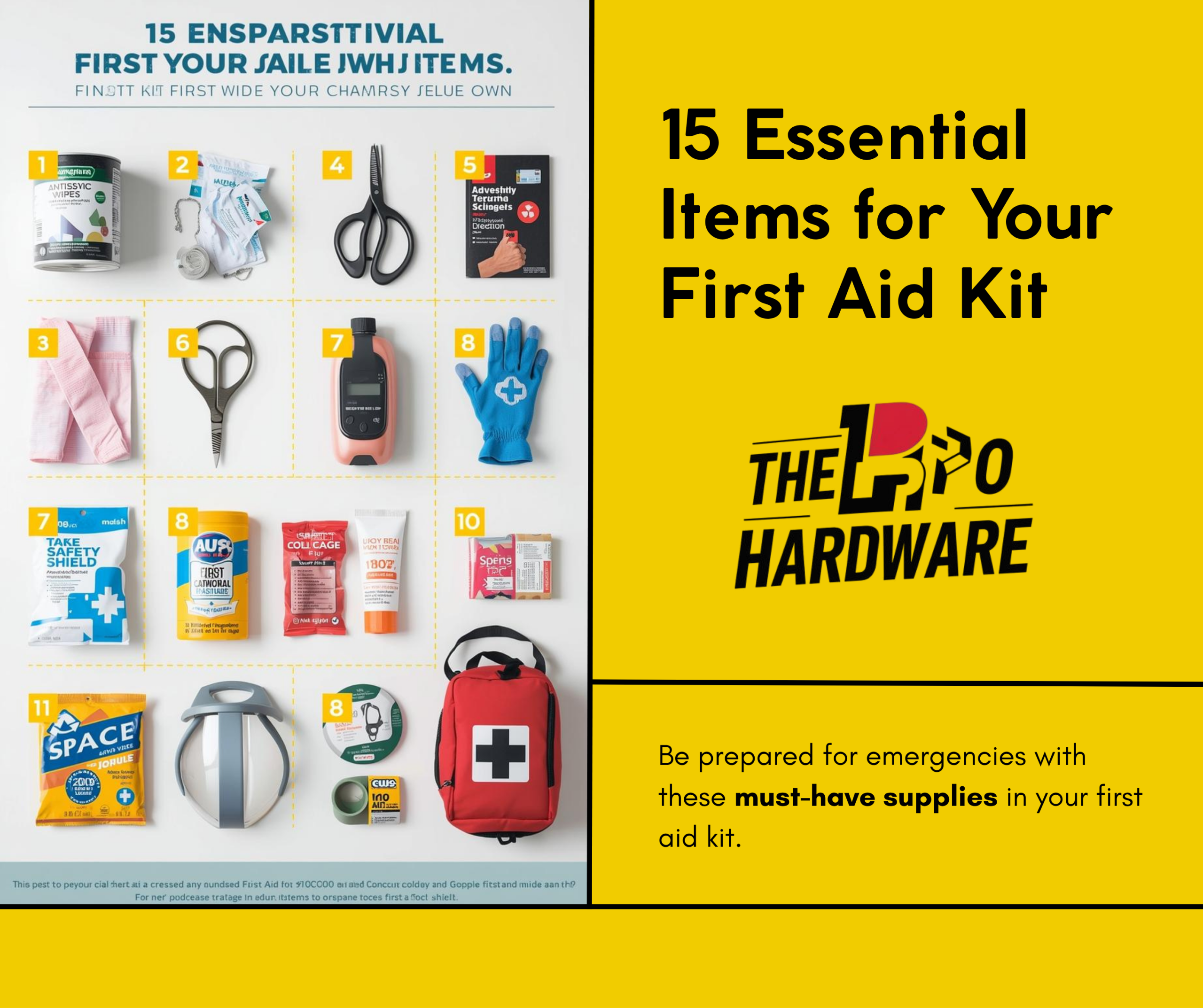
A first aid kit must have dressings and bandages. They help stop bleeding. They also protect wounds. Using them right helps prevent infection. It speeds healing. This is one of the key 15 items that are in a first aid kit that everyone should know to handle emergencies effectively.

Credit: www.twc.health
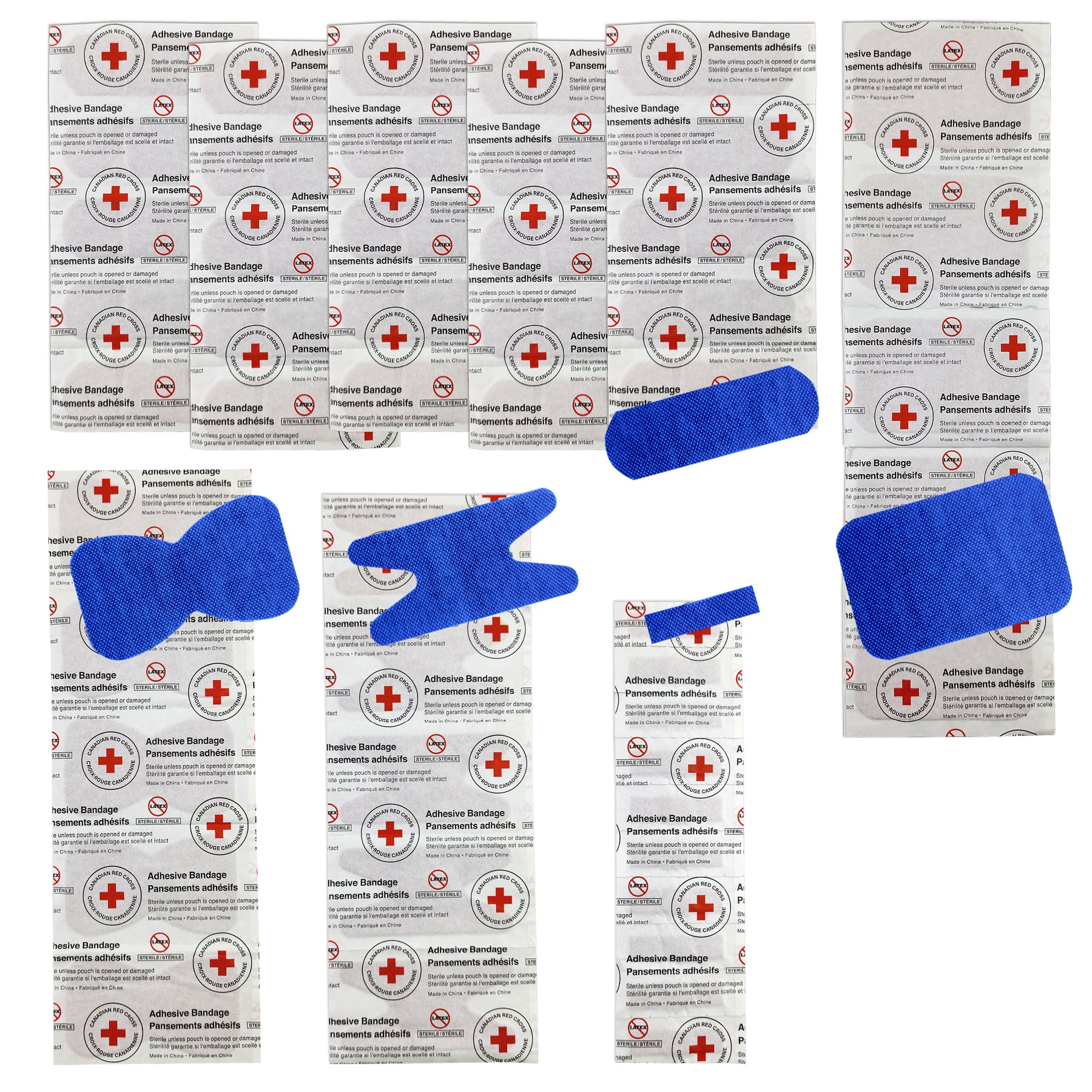
1. Adhesive Bandages (Various Sizes)
Adhesive bandages cover small cuts and scrapes. They keep dirt out. They help skin heal. These are sticky to stay in place.
-
They come in many shapes and sizes.
-
They usually have a soft pad in the middle.
-
Water-resistant types are also available.
-
Easy to use and carry.
-
Change them often to keep the wound clean.
2. Sterile Gauze Pads
Sterile gauze pads are soft cloth pieces. They cover larger wounds. They absorb fluids and blood to keep the area dry. Sterile means they are free from germs.
3. Elastic Bandages
Elastic bandages wrap around injured limbs. They give support. They help lower swelling. They hold dressings in place. They stretch to fit well without blocking blood flow.
-
Made of stretchy synthetic or cotton fabric.
-
Used for strains, sprains, and securing gauze.
-
Can be wrapped loosely or tightly.
-
Reusable after washing.
-
Often come with clips or fasteners.
Credit: products.redcross.ca
Antiseptics And Ointments (3 Essentials)
Ointments and antiseptics are key kit parts. They help stop infections. They soothe skin. These items treat scrapes, cuts, rashes, and bites. Knowing what each does helps you use them safely.
4. Antiseptic Wipes
Antiseptic wipes clean wounds by killing germs. They help prevent infection after an injury. They are disposable and simple to use. They are perfect for fast cleaning of scrapes or cuts.
-
Used before applying bandages.
-
Contain alcohol or other disinfectants.
-
Help lower bacteria on the skin.
5. Antibiotic Cream
Antibiotic cream helps stop infection in small wounds and cuts. It kills bacteria that cause problems. Apply a thin layer on clean skin. It keeps the wound moist. It helps it heal faster.
-
Use on minor burns and cuts.
-
Prevents irritation and infection.
-
Do not use on deep wounds without advice from a doctor.
6. Hydrocortisone Cream
Hydrocortisone cream lowers swelling and itching. It treats skin reactions like insect bites or rashes. Apply a small amount to the area that is affected. It lowers redness and soothes skin.
-
Good for allergic skin reactions.
-
Do not use on open wounds.
-
Use only as directed on the package.
Tools And Instruments (3 Essentials)
A first aid kit has many items for emergencies. Tools and instruments are important parts. These tools help treat injuries fast and safely. They make first aid much easier.
7. Tweezers
Tweezers are small tools. They pick up tiny objects. They help remove ticks, glass pieces, or splinters from the skin. Using tweezers carefully lowers infection risk. Clean them with alcohol before and after use.
-
Remove small foreign objects from wounds.
-
Handle sharp or delicate items safely.
-
Keep clean to avoid infections.
8. Scissors
Scissors in a kit cut tape, bandages, and clothing. They often have tips that are blunt to prevent injury. Sharp scissors help remove obstacles or quickly open dressings. They must be clean and strong for safe use.
-
Cut adhesive tape and gauze.
-
Trim clothing near wounds.
-
Blunt tips protect skin during use.
9. Safety Pins
Safety pins hold slings or bandages in place. They keep dressings secure without causing harm. These pins are simple to use. They come in different sizes. Always close them right to avoid accidental pokes.
-
Secure cloth wraps and bandages.
-
Fasten slings for arm support.
-
Close pins carefully to prevent injury.

Credit: risenmed.en.made-in-china.com
Medications (2 Essentials)
A first aid kit needs key medicines. These help with common illnesses and injuries. They treat allergic reactions. They reduce fever and ease pain. Keeping the right medicines is a big help in an emergency. Check expiration dates often.
10. Pain Relievers
Pain relievers help lower fever and aches. They are useful for minor injuries, muscle pain, and headaches.
-
Acetaminophen (Tylenol) – lowers fever and relieves pain.
-
Ibuprofen (Advil, Motrin) – reduces pain and inflammation.
-
Aspirin – helps with pain. It can reduce swelling.
-
Topical pain relief cream – applied to skin for muscle pain.
-
Cold packs – not a medicine, but helps lower swelling and pain.
11. Allergy Medicine
Allergy medicines lessen or stop allergic reactions. These include swelling, itching, and skin rashes.
Protective Gear (2 Essentials)
Protective gear is a key kit part. It keeps you safe while you help others. This gear stops germs from spreading. It protects wounds from infection. Always use protective items before giving aid.
12. Disposable Gloves
Disposable gloves protect your hands from body fluids and blood. They lower the chance of infection. Use gloves whenever you touch broken skin or wounds. Throw them away after use to stay clean.
-
Latex, nitrile, or vinyl materials.
-
One size fits most hands.
-
Keep gloves sealed and dry.
-
Use new gloves for each patient.
13. Face Mask
A face mask covers your nose and mouth. It helps stop germs from spreading in the air. Wear a mask when giving mouth-to-mouth breaths. Wear one if you are near a sick person. Replace the mask if it gets wet.
-
Disposable surgical masks are common.
-
Keep masks dry and clean.
-
Use masks once, then throw away.
-
Masks protect the patient and the helper.
Additional Supplies (2 Essentials)
A first aid kit needs more than just antiseptics and bandages. It needs extra items for various emergencies. These added supplies are key for fast care. A well-stocked kit ensures you are ready for the unexpected
14. Thermometer
A thermometer is essential in a kit. It helps you check for fever. Knowing the temperature helps guide your next steps. Digital thermometers give fast readings. They are simple to use. They give accurate results. They are safer than mercury thermometers.
15. Instant Cold Pack
An instant cold pack helps lower swelling. It is useful for bruises, strains, or sprains. Cold packs are simple to use and activate. They do not need a fridge. Just squeeze the pack to make it cold. This makes them perfect for emergencies.
-
Relieves swelling and pain.
-
Easy to use and portable.
-
Single-use for convenience.
Frequently Asked Questions
What Are The Essential Items In A First Aid Kit?
A first aid kit must include pain relievers, gloves, scissors, adhesive tape, antiseptic wipes, and bandages. These items help treat minor injuries. They also prevent infections well.
How Often Should You Check Your First Aid Kit?
Check your first aid kit every six months. Restock used supplies. Replace expired items. This ensures you are ready during emergencies.
Why Is Having A First Aid Kit Important At Home?
A first aid kit gives immediate care for injuries. It lowers infection risk. It stabilizes conditions before professional help comes.
Can A First Aid Kit Help With Burns?
Yes. A first aid kit has sterile gauze and burn cream. These items protect the burn area from infection. They soothe pain.
Conclusion
Having these 15 items in your kit can save lives. They help you act fast during emergencies. Keep your kit easy to find and stocked. Check it often. Replace expired or used supplies. Being ready brings peace of mind. Small tools can help a lot. Everyone should know what is in their kit. Stay prepared and safe for any situation.

