Choosing The Right Kit
Picking a good first aid kit is key for safety. It helps you manage small injuries when you are away.
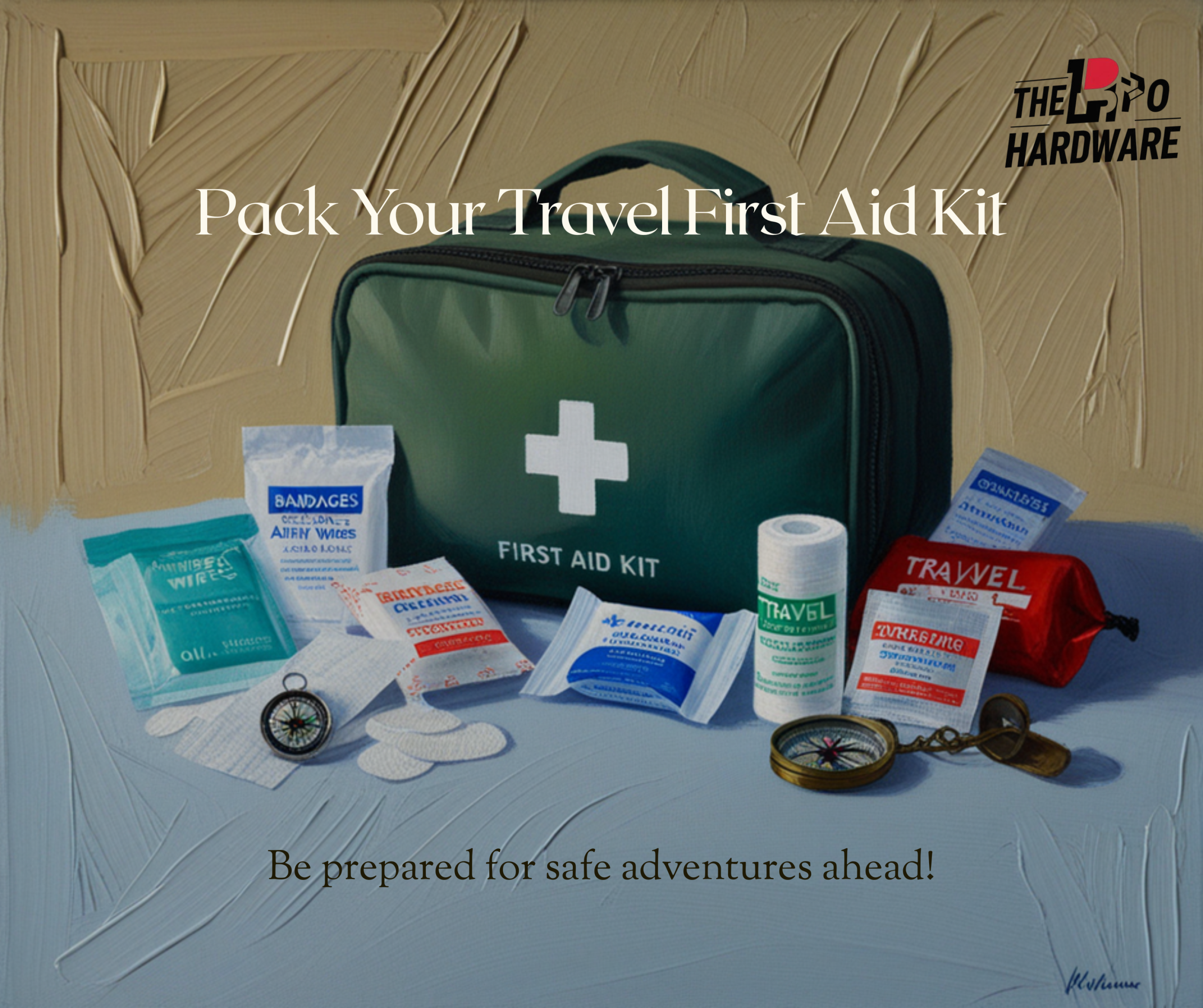
Think about your trip needs before you choose a kit. The right Travel First Aid Kit must fit your health requirements and travel type, providing essential supplies in a compact, easy-to-carry package.
Pre-packed Vs Custom Kits
Pre-packed kits come with basic items. They save time. But they may have things you won't use.
Custom kits let you choose what to include. You can add medicines and tools for your specific needs.
-
Pre-packed kits are easy to use and buy.
-
Custom kits match your trip and health style.
-
Check expiry dates on all supplies.
-
Include your personal medications if you need them.
Size And Portability
Pick a kit size that fits how you travel. Small kits are great for short trips or light packing.
Larger kits hold more items. But they take up space. Think about the room in your bag.
-
Small kits fit in pockets or backpacks.
-
Larger kits work for groups or longer trips.
-
Kits that are light cut down on travel burden.
-
A compact shape means easy access.
Durability And Waterproofing
Strong cases protect your supplies from damage. Look for materials that can handle rough use.
Waterproof kits keep contents dry in wet conditions. This is key for adventure and outdoor travel.
-
Hard plastic cases resist hits.
-
Waterproof seals or zippers block moisture.
-
Soft cases are lighter but less protective.
-
Pick a case that fits where you are going.

Credit: www.amazon.ca
Basic Medical Supplies
A good kit has essential medical supplies. These items help you treat small injuries. They keep you safe on your trip.
Knowing what supplies to bring can help a lot in an emergency. Focus on items for cuts, pain, and infections.
Bandages And Dressings
Bandages and dressings stop bleeding. They protect wounds. They keep germs out. This helps the wound heal.
-
Adhesive bandages for scrapes and small cuts.
-
Sterile gauze pads to cover wounds that are larger.
-
Roller bandages to hold dressings in place.
-
Elastic bandages for support and sprains.
-
Adhesive tape to secure bandages and gauze.
Antiseptics And Ointments
Antiseptics clean wounds. They stop infection. Ointments help skin heal fast. They also ease pain.
Pain Relievers And Medications
Pain relievers make sickness or injuries less painful. Basic medicines can treat common travel problems.
-
Include these in your kit: Acetaminophen or ibuprofen for fever and pain.
-
Antihistamines for bug bites and allergies.
-
Anti-diarrheal medicine for stomach upset.
-
Motion sickness tablets if you travel by boat or car.
Tools And Equipment
Your kit must have the right tools. These items help you manage emergencies and small injuries.
Choosing tools that are useful and small makes your kit easy to carry. Good equipment makes your trips safer.
Tweezers And Scissors
Tweezers remove small debris, ticks, or splinters from the skin. They must be accurate and sharp for safe use.
Scissors cut tape, bandages, or clothing in an emergency. Choose small, sharp scissors. They should have blunt tips. This avoids accidents.
-
Tweezers with a tip that is fine.
-
Small scissors with ends that are blunt.
-
Materials that resist rust and last long.
Thermometer And Gloves
A thermometer helps check for fever fast. Digital thermometers are accurate and easy to read.
Gloves protect you and others from germs. Use disposable gloves when treating wounds or handling blood.
-
Infrared or digital thermometer.
-
Nitrile or latex disposable gloves.
-
Have multiple pairs for repeated use.
Cpr Masks And Safety Pins
CPR masks help give rescue breaths safely. Look for masks with a one-way valve. This stops contamination.
Safety pins hold slings or bandages in place. They must be strong. They should be easy to use.
-
CPR mask with a valve that goes one way.
-
Safety pins in different sizes.
-
Strong metal with a secure lock.
Specialized Items
A travel first aid kit should have special items. These help with common travel health issues. Adding them makes your kit better and more useful.
Special supplies cover allergies, bug bites, altitude sickness, and motion sickness. Carrying these stops serious issues and discomfort.
Allergy And Asthma Supplies
People with asthma or allergies need extra care. Pack items that help control asthma attacks and allergic reactions. These keep you safe in an emergency.
Common supplies include inhalers, allergy eye drops, and antihistamines. Pack enough medicine for the whole trip. Include a copy of your prescriptions too.
-
Liquid or tablet antihistamine.
-
Asthma inhaler with spacer.
-
Allergy eye drops.
-
Epinephrine auto-injector (if your doctor ordered it).
-
Copies of prescriptions and allergy action plans.
Insect Bite And Sting Remedies
Bites and stings can cause pain, itching, or reactions. Your kit needs items to treat bites quickly. This helps ease discomfort. It stops infection.
Include sprays, creams, and tools to remove stingers. Antihistamine creams help with itching. Pain medicine can ease soreness.
-
Lotion or cream antihistamine.
-
Hydrocortisone cream for swelling.
-
Spray for insect sting relief.
-
Tweezers to remove stingers.
-
Pain tablets like ibuprofen or acetaminophen.
Altitude Sickness And Motion Sickness Aids
Altitude sickness can cause dizziness, headaches, and nausea. Motion sickness causes discomfort and nausea when traveling. Your kit should have remedies for both.
Bring tools and medicine that ease symptoms. Some items stop sickness before it starts. Others treat it once it hits.
-
Altitude sickness tablets (like acetazolamide).
-
Anti-nausea medicine for motion sickness.
-
Candies or tablets with ginger for nausea relief.
-
Acupressure wristbands or sea bands.
-
Hydration salts to stop dehydration.
Packing Tips
Packing a first aid kit well is key for safety. It helps you handle sickness and small injuries fast.
Organizing your kit makes it easy to find things fast. Keep your supplies fresh. Pick items that fit your trip.
Organizing For Quick Access
Keep your kit neat and sorted. Use zip bags or small containers. Separate items by their type.
Put the items you use most on top. Or put them in easy pockets. This saves time when you need help fast.
-
Bandages and antiseptic wipes in a clear pouch.
-
Pain relievers and medications in a labeled bag.
-
Tools like scissors and tweezers in a separate case.
Keeping Items Fresh And Effective
Check expiration dates before you pack. Replace old or used items. This keeps the kit ready.
Store medicines and ointments in a dry, cool place. Avoid heat and moisture. This keeps them working well.
-
Use containers that block air for powders and creams.
-
Keep pills in the packaging they came in.
-
Check the kit often for items that are damaged.
Customizing For Destination And Activities
Think about what you will do. Think about where you are going. Add items that fit your trip's needs.
Include special tools or medicines for your plans. This helps you stay ready.
-
Bite cream and insect repellent for tropical areas.
-
Extra blister pads for long walks or hiking.
-
Allergy medicine if you have known allergies.
-
Water purification tablets for camping trips.
Maintaining Your Kit
Your first aid kit is essential for any trip. Keeping it up-to-date makes sure you are ready for problems. Checks and updates make your kit reliable.
Let's look at how to keep your kit in good shape easily. This means checking items often and replacing expired ones.
Regular Checks And Restocking
Checking your kit often tells you what is missing. It makes sure you have all you need before you go.
-
Set a reminder. Check your kit every three months.
-
Review the list of items that should be inside.
-
Restock any missing or low items.
Replacing Expired Items
Items that have expired can be harmful. They might not work well. Replacing them on time is very important.
Training And Familiarity
Knowing how to use your kit is as important as having it. Training ensures you can act fast in a pinch.
-
Take a basic first aid course.
-
Review the kit’s manual often.
-
Practice using the items. Practice with antiseptic wipes and bandages.
Maintaining your kit is simple. Regular checks, training, and replacements keep you ready for emergencies. Stay safe!

Credit: www.ebay.ca
Frequently Asked Questions
What Essential Items Should A Travel First Aid Kit Include?
Your kit should have bandages and pain relievers. Add antiseptic wipes and adhesive tape. Include tweezers and allergy medicine. These items cover small cuts and common sicknesses. A small thermometer helps too. Always include your personal medicines for emergencies.
How Do I Choose The Right First Aid Kit For Travel?
Pick a kit based on your trip length. Think about your activities and where you are going. Look for kits that are light and small. They must have the key supplies. Think about adding items for altitude sickness or bug bites. Portability and quality are vital for travel safety.
Can A Travel First Aid Kit Handle Serious Emergencies?
No. This kit is for small injuries and common problems. It is not for professional medical care. For serious emergencies, get help fast. Always carry your insurance details. Have emergency phone numbers ready when you travel.
How Often Should I Update My Travel First Aid Kit?
Update your kit every 6 to 12 months. Check for old medicines. Replace supplies that are used or broken. Regular updates make sure the kit works well. Change the kit based on your health and travel plans.
Conclusion
A travel first aid kit keeps you ready for small emergencies. It helps you treat minor aches, cuts, and scrapes fast. Carrying one gives peace of mind on any trip. Remember to check and refill your kit regularly. Stay safe and enjoy your travels with confidence.
A simple kit can make a big difference in tough moments. Prepare well, travel smart, and stay healthy wherever you go.

