Have you ever thought about what happens if a fire breaks out involving metals like magnesium, sodium, or aluminum? Regular fire extinguishers won’t help in these cases, and using the wrong one could make things worse.
That’s where a Class D fire extinguisher becomes crucial for your safety. Understanding how this special extinguisher works can protect your home, workplace, or workshop from dangerous metal fires. Keep reading to discover why a Class D fire extinguisher might be the key to handling these rare but serious fires effectively.

Credit: www.wholesalesafetylabels.com
Class D Fires And Hazards
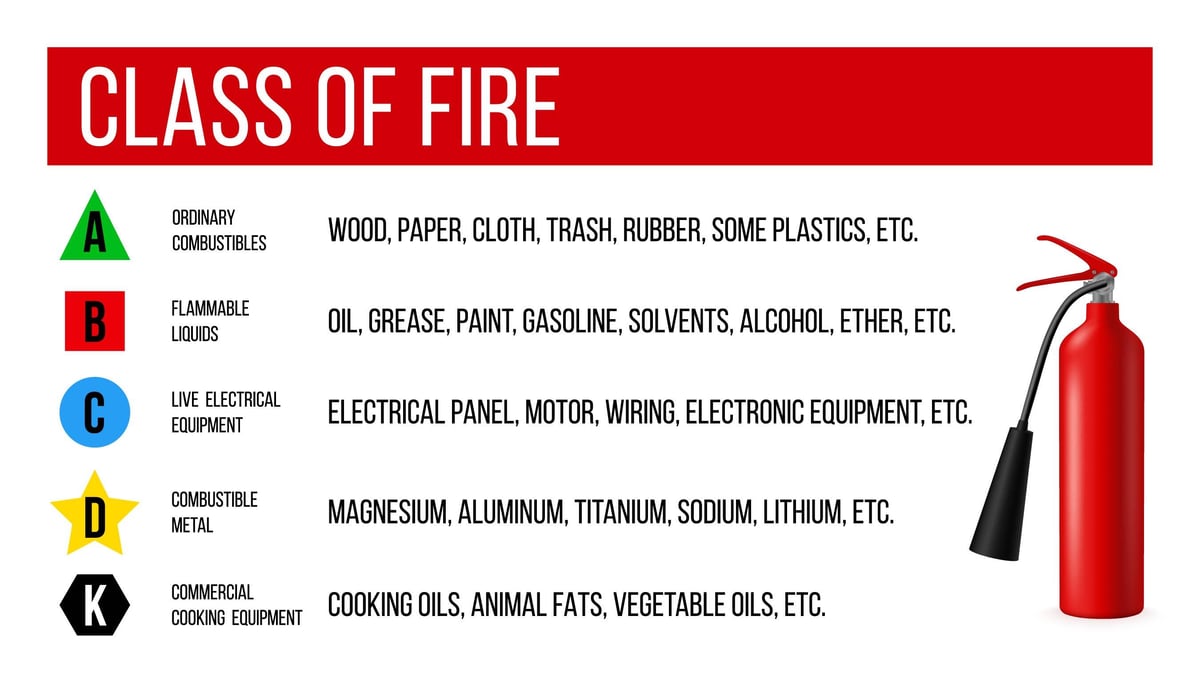
Class D fires involve burning metals. These fires are different from others because metals burn at very high temperatures.
Special extinguishers are needed to put out Class D fires safely. Understanding these fires helps prevent serious accidents.
Types Of Combustible Metals
Some metals can catch fire easily and burn fiercely. These metals are called combustible metals.
Common combustible metals include magnesium, titanium, and sodium. Each metal burns differently and needs specific handling.
- Magnesium: Used in aircraft and fireworks
- Titanium: Found in aerospace and medical tools
- Sodium: Used in chemical industries
- Potassium: Found in fertilizers and labs
- Aluminum: Used in manufacturing and packaging
Common Sources Of Class D Fires
Class D fires often start in places where metals are cut, ground, or heated. Sparks can ignite metal dust or shavings.
Workshops, factories, and labs are common places for these fires. Metal scrap piles and powder storage are also risky areas.
- Metalworking shops with grinding or cutting tools
- Manufacturing plants handling metal powders
- Storage areas for metal shavings and dust
- Laboratories using reactive metals
- Waste collection sites with metal scraps
Risks Associated With Metal Fires
Metal fires burn very hot and spread quickly. Water or normal extinguishers can make these fires worse.
Burning metals can cause explosions or release harmful gases. These fires are dangerous for workers and buildings.
- Extreme heat damages nearby materials
- Explosions risk from metal reactions
- Toxic smoke harms breathing
- Water use can spread fire
- Fire spreads fast in dusty areas

Credit: www.dougdeals.com
Features Of Class D Fire Extinguishers
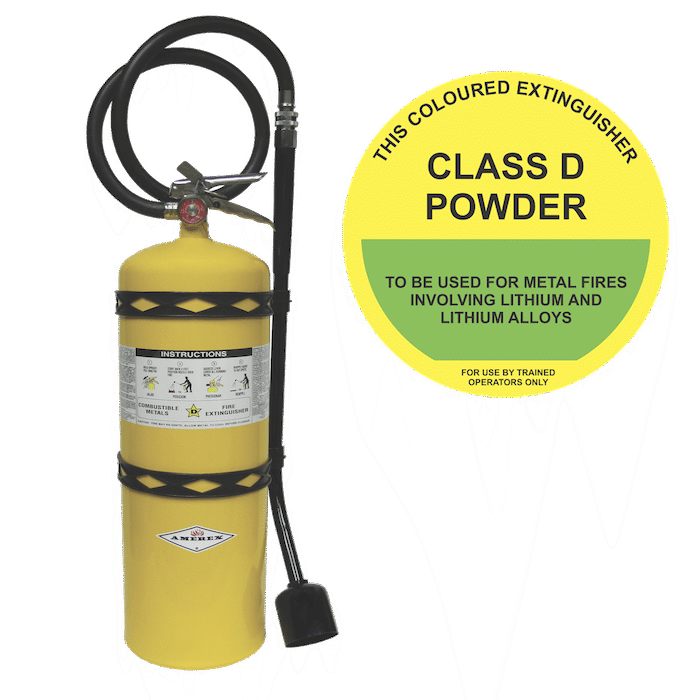
Class D fire extinguishers are made for metal fires. These fires involve metals like magnesium and sodium. Using the wrong extinguisher on these fires can be dangerous.
This guide explains the key features of Class D extinguishers. It covers the agents used, how they work, and how they differ from other types.
Specialized Agents Used
Class D extinguishers use special dry powders to fight metal fires. These powders work by smothering the fire and absorbing heat. They do not react with the burning metal.
- Sodium chloride powder
- Graphite-based powder
- Copper-based powder
- Special dry powder blends
Design And Operation
These extinguishers have a unique nozzle or applicator. This helps to carefully place the powder on the fire. The design avoids spreading the burning metal.
The operation involves gently covering the fire with powder. The powder forms a crust that blocks oxygen. This stops the fire from growing.
| Feature | Description |
| Nozzle Type | Specialized applicator for metal fires |
| Extinguishing Agent | Dry powder that smothers fire |
| Operation Method | Apply powder carefully to avoid spreading |
| Use | Only on combustible metal fires |
Differences From Other Extinguisher Classes
Class D extinguishers differ from others in many ways. They are only for metal fires. Other classes handle wood, paper, liquids, or electrical fires.
- Use dry powder, not water or foam
- Designed for high heat metal fires
- Special applicators to prevent fire spread
- Not suitable for common fires like paper or oil
Proper Use Of Class D Extinguishers
Class D fire extinguishers are designed for fires involving combustible metals. These fires need special care because normal extinguishers can make them worse. Knowing how to use a Class D extinguisher safely helps stop these fires quickly.
Always use the correct extinguisher to avoid spreading the fire. Using a Class D extinguisher on metal fires can prevent damage and injury.
Step-by-step Usage Guide
Find the fire’s source and confirm it is a metal fire. Remove the extinguisher’s safety pin before use. Hold the extinguisher firmly and aim the nozzle at the base of the fire.
Discharge the powder or agent slowly. Sweep the nozzle side to side over the fire base until the fire goes out. Keep watching the area to ensure the fire does not restart.
- Confirm fire involves combustible metals
- Remove safety pin
- Aim at the fire base
- Discharge agent slowly
- Sweep side to side
- Watch for re-ignition
Safety Precautions During Operation
Wear protective gloves and goggles to protect yourself from heat and powder. Stand at a safe distance from the fire. Keep a clear exit route behind you.
Do not breathe in the extinguishing agent powder. Use the extinguisher in a well-ventilated area if possible. Call emergency services if the fire grows or does not stop.
- Wear gloves and goggles
- Maintain safe distance
- Keep exit path clear
- Avoid inhaling powder
- Use in ventilated space
- Call for help if needed
Common Mistakes To Avoid
Do not use water or foam on metal fires; this can cause explosions. Avoid aiming at the top of the fire. Do not rush the discharge; use steady pressure to cover the fire base.
Never leave the fire unattended after using the extinguisher. Do not use a Class D extinguisher on other fire types. Check the extinguisher regularly for damage or expiration.
- Using water or foam on metal fires
- Aiming above the fire base
- Discharging too fast or too slow
- Leaving fire without monitoring
- Using Class D extinguisher on wrong fires
- Ignoring extinguisher maintenance
Credit: blog.koorsen.com
Maintenance And Inspection Tips
Class D fire extinguishers are designed for fires involving combustible metals. Proper maintenance keeps them ready for emergencies. Regular checks help find problems early.
Inspecting and maintaining your extinguisher ensures it works well when needed. Follow these simple tips to keep it in good condition.
Regular Checkups And Testing
Check your Class D extinguisher every month. Look for any damage or leaks. Make sure the pressure gauge shows the right level.
Test the extinguisher yearly by a professional. This confirms it will work correctly in a fire. Keep a record of all inspections and tests.
- Check the pressure gauge for correct reading
- Inspect the extinguisher body for dents or rust
- Ensure the nozzle is clear and not blocked
- Verify the safety pin is intact and secure
- Record the inspection date and findings
Storage Recommendations
Store your Class D extinguisher in a dry, cool place. Avoid areas with extreme heat or cold. Keep it easily accessible in case of fire.
Place it near potential metal fire hazards but away from heavy traffic. Mount the extinguisher on a wall bracket to prevent damage.
- Keep away from direct sunlight and moisture
- Store between 40°F and 120°F (4°C and 49°C)
- Mount securely on a visible wall bracket
- Do not block access with furniture or equipment
- Check storage location regularly for hazards
When To Replace Or Recharge
Replace or recharge your Class D extinguisher after any use. Even small discharges reduce its effectiveness. Do not wait to refill or replace.
Replace the extinguisher if it shows signs of damage or corrosion. Also, follow the manufacturer’s guidelines for lifespan and replacement time.
- Recharge after every use, no matter how small
- Replace if the extinguisher is damaged or corroded
- Follow expiration dates on the label
- Consult a professional for recharge and replacement
Choosing The Right Extinguisher
Class D fire extinguishers are essential for certain environments. They are used for metal fires. Selecting the correct one is important for safety.
Consider the type of metal and risk factors in your area. This helps in making the right choice.
Assessing Fire Risks In Your Area
Identify potential fire hazards where you live or work. Understand the type of metals present.
- Check for metals like magnesium or sodium.
- Determine the quantity and storage conditions.
- Evaluate if your area has a history of metal fires.
Matching Extinguishers To Metal Types
Each metal needs a specific type of extinguisher. Using the wrong one can be ineffective or dangerous.
| Metal Type | Recommended Extinguisher |
| Magnesium | Class D - Sodium Chloride |
| Sodium | Class D - Copper Based |
| Zinc | Class D - Graphite Based |
Certifications And Standards To Look For
Ensure your extinguisher meets safety standards. Look for certifications from recognized bodies.
Training And Preparedness
Knowing how to use a Class D fire extinguisher is very important. Training helps people act fast and safe in fires involving metals.
Being ready for emergencies lowers risks and protects lives and property from metal fires.
Importance Of Fire Safety Training
Fire safety training teaches workers about Class D fires and how to handle them. It explains the special extinguisher needed for metal fires.
Training builds confidence so people can use extinguishers correctly and safely. It lowers panic and mistakes during a fire.
- Learn types of fires and correct extinguishers
- Practice safe use of Class D extinguishers
- Understand fire risks in metal handling areas
- Know how to alert others and call for help
Conducting Fire Drills
Fire drills help people practice what to do in a metal fire. They show how to find and use Class D extinguishers quickly.
Regular drills make sure everyone remembers safety steps and stays calm. They also find any problems in the fire plan.
- Simulate metal fire scenarios safely
- Practice extinguisher use and evacuation
- Check response time and teamwork
- Review and improve fire safety plans
Emergency Response Planning
Good emergency plans include steps for metal fires. They show who does what and how to use Class D extinguishers.
Plans help keep people safe and reduce damage. Everyone should know the plan and their role in an emergency.
- Identify fire hazards and risks
- Assign roles for fire response
- Ensure access to Class D extinguishers
- Set clear evacuation routes
- Train staff on emergency steps
Frequently Asked Questions
What Is A Class D Fire Extinguisher Used For?
A Class D fire extinguisher is designed for combustible metal fires. It works on metals like magnesium, titanium, and sodium. These fires require special agents to safely extinguish. Regular extinguishers can worsen metal fires. Class D extinguishers prevent flare-ups and explosions.
How Does A Class D Fire Extinguisher Work?
Class D extinguishers use dry powder agents to smother metal fires. The powder absorbs heat and separates oxygen from the fuel. This stops the chemical reaction causing the fire. The agents do not react violently with burning metals. This ensures effective and safe fire suppression.
Where Should You Use A Class D Fire Extinguisher?
Use Class D extinguishers in workshops, labs, or industries handling combustible metals. They are essential in places with magnesium or titanium dust. They are not suitable for ordinary fires or liquids. Proper placement ensures quick response to metal fires and minimizes damage.
Can Class D Extinguishers Be Used On Other Fire Types?
No, Class D extinguishers are specialized for metal fires only. Using them on wood, paper, or electrical fires is ineffective. Different fire classes require specific extinguishing agents. Always use the right extinguisher for the fire type to ensure safety and effectiveness.
Conclusion
Class D fire extinguishers protect against metal fires. They are important for places with combustible metals like magnesium or sodium. Using the right extinguisher stops fires safely and quickly. Always check the extinguisher type before use. Keep these extinguishers accessible in high-risk areas.
Knowing how to use them can save lives and property. Stay prepared and stay safe.

