5 Durable Garage Flooring Options for Workshop Use
When it comes to choosing the right flooring for your garage workshop, durability is key. You need a surface that can withstand heavy tools, spills, and constant foot traffic without cracking, staining, or becoming unsafe. Luckily, there are several excellent options designed specifically for tough environments like yours.
Let’s explore five durable garage flooring options that combine strength, safety, and easy maintenance—so you can focus on your projects without worrying about your floor.

Credit: xtremepolishingsystems.com
Epoxy Coatings
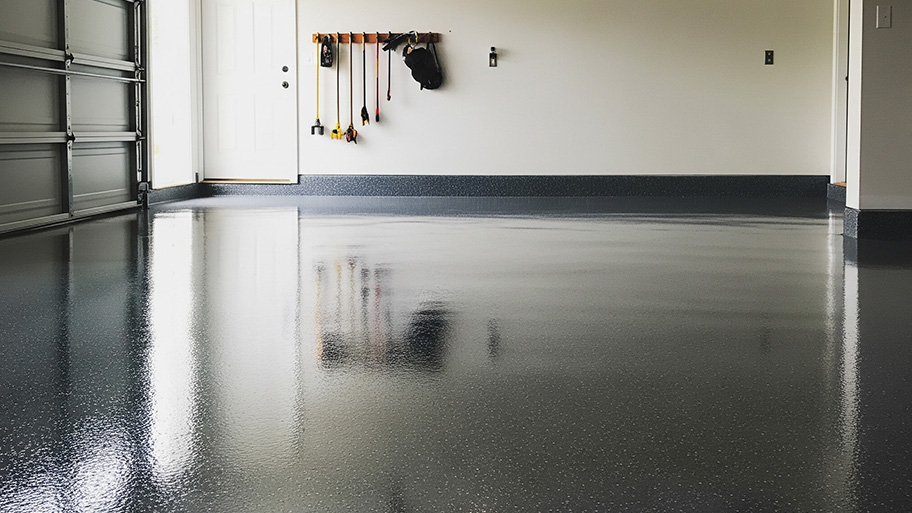
Epoxy coatings are a popular choice for garage floors. They create a strong, smooth surface that lasts a long time. These coatings protect floors from damage and stains.
Many workshops use epoxy because it handles heavy tools and chemicals well. It also looks clean and professional, making the workspace safer.
Benefits For Workshops
Epoxy coatings offer many advantages for workshop floors. They improve durability and safety while keeping the area easy to clean.
- Resists stains from oil, grease, and chemicals
- Strong enough to hold heavy tools and equipment
- Creates a non-slip surface to reduce accidents
- Easy to clean with simple sweeping and mopping
- Improves light reflection, brightening the workspace
Installation Process
Installing epoxy coatings needs careful preparation and steps. The floor must be clean and dry before applying the coating.
- Clean the floor by removing dust, grease, and old paint
- Repair any cracks or holes with patching material
- Etch the surface to help the epoxy bond well
- Mix the epoxy resin and hardener carefully
- Apply the epoxy in thin, even layers with a roller
- Allow the first coat to dry before adding a second coat
- Let the floor cure for at least 24 to 48 hours before use
Maintenance Tips
Proper care extends the life of epoxy floors. Routine cleaning and some precautions keep the surface in good shape.
| Maintenance Task | Frequency | Details |
| Sweep or vacuum | Daily | Remove dust and debris to prevent scratches |
| Mop with mild cleaner | Weekly | Use water and a gentle detergent; avoid harsh chemicals |
| Inspect for damage | Monthly | Check for chips or cracks and repair as needed |
| Avoid sharp objects | Always | Use mats or pads under heavy tools to protect surface |
| Reapply topcoat | Every 2-3 years | Restore shine and protection with an additional epoxy layer |
Polyurethane Flooring
Polyurethane flooring is a popular choice for garage workshops. It offers a smooth and durable surface that can handle heavy use.
This type of flooring protects your garage floor from damage and looks good for many years.
Durability Features
Polyurethane flooring is strong and resists wear and tear. It stands up to heavy tools and equipment.
The surface does not crack or peel easily, even under constant use.
- High resistance to scratches
- Flexibility reduces cracking
- Long-lasting finish
Chemical Resistance
Polyurethane flooring protects against many chemicals found in workshops. It does well against oils and solvents.
This resistance helps keep the floor safe and clean from spills and stains.
- Resists oil and grease stains
- Protects from brake fluids and gasoline
- Easy to clean spills
Cost Considerations
Polyurethane flooring costs more than some options but lasts longer. It can save money over time.
Installation may require professional help, which adds to the cost.
- Higher initial cost than epoxy
- Durability reduces replacement needs
- Professional installation recommended
Interlocking Floor Tiles
Interlocking floor tiles are a strong choice for garage workshops. They offer protection and comfort for work areas.
These tiles snap together easily to create a durable floor surface. They suit many types of garage workspaces.
Material Types
Interlocking tiles come in several materials. Each type has unique benefits for garage floors.
- PVC:Durable and resistant to stains and chemicals.
- Rubber:Provides good grip and cushioning.
- Polypropylene:Lightweight and easy to clean.
- Vinyl:Offers a smooth surface and is water-resistant.
Ease Of Installation
One big advantage of interlocking tiles is how easy they are to install. No glue or tools are needed.
| Installation Step | Description |
| Prepare Floor | Clean and dry the surface thoroughly. |
| Lay Tiles | Start from one corner and snap tiles together. |
| Cut Tiles | Trim edges to fit walls or corners if needed. |
| Secure Edges | Use edge pieces or trim for a finished look. |
Customization Options
Interlocking tiles offer many ways to customize your garage floor. You can choose colors and patterns to match your style.
- Mix colors for a checkerboard or striped pattern.
- Add logo or text tiles for personalization.
- Select tiles with different textures for grip or comfort.
- Use border tiles to frame the workspace floor.
Concrete Sealing
Concrete sealing is a smart choice for workshop garage floors. It protects the surface and makes it stronger.
Sealed concrete resists damage from spills, stains, and heavy use. It helps keep the floor looking good for years.
Enhancing Strength
Sealing concrete adds a tough layer that makes the floor stronger. It helps the floor handle heavy tools and machines.
This extra strength stops cracks and chips from forming. It keeps the surface smooth and safe to work on.
Protection Against Stains
Garage workshops often face oil, paint, and chemical spills. Sealing stops these liquids from soaking into the concrete.
The sealed surface is easy to clean. Stains stay on top and do not cause permanent damage.
- Blocks oil and grease absorption
- Prevents paint and chemical stains
- Allows quick and simple cleanup
Longevity Factors
Sealing helps the concrete last longer by protecting it from wear and tear. It also prevents water damage.
Regular sealing keeps the floor in good shape and reduces the need for repairs. This saves time and money.
- Protects from moisture and cracks
- Reduces damage from heavy use
- Extends the floor’s lifespan
Rubber Flooring
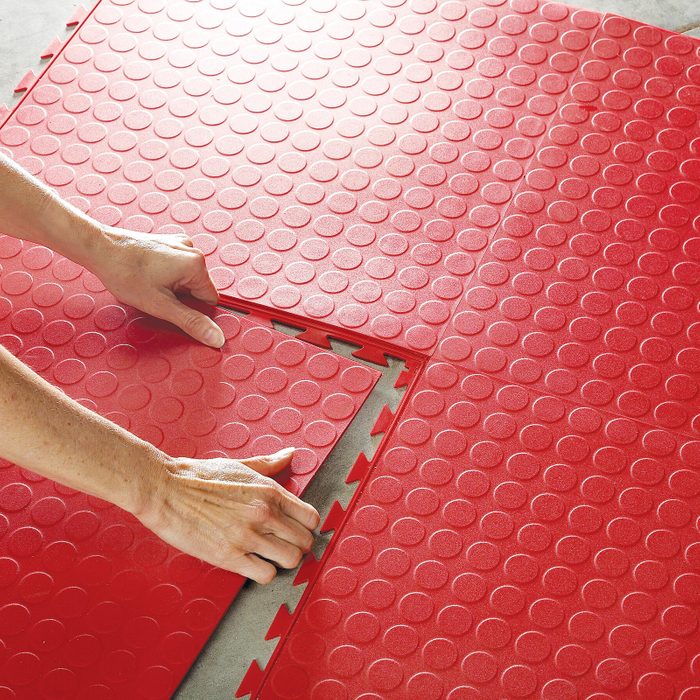
Rubber flooring is a popular choice for workshops. It is durable and versatile. This type of flooring provides comfort for long hours of work.
Rubber flooring is also known for its resilience. It is easy to install and maintains a clean look.
Shock Absorption
Rubber flooring is great at absorbing shocks. It reduces impact when tools or heavy objects fall. This feature helps protect both the floor and the items.
It provides a cushioned surface. This is helpful for standing on hard floors for long periods.
Slip Resistance
Rubber flooring offers excellent slip resistance. It reduces the risk of accidents in the workshop. The textured surface provides better grip, even when wet.
Safety is improved with this type of flooring. It is ideal for busy and active environments.
Cleaning Methods
Cleaning rubber flooring is simple. Use a broom or vacuum for daily cleaning. For deeper cleaning, a mop with mild detergent works well.
Regular maintenance keeps the floor looking new. Avoid harsh chemicals to protect the rubber surface.
- Use a soft broom or vacuum for dust
- Mild detergent and water for stains
- Avoid harsh chemicals and scrubbing

Credit: www.obsessedgarage.com
Credit: www.familyhandyman.com
Frequently Asked Questions
What Is The Most Durable Garage Flooring For Workshops?
Epoxy coating is the most durable garage flooring option. It resists chemicals, stains, and heavy impacts. Epoxy also provides a smooth, easy-to-clean surface ideal for workshops.
How Does Rubber Flooring Benefit A Garage Workshop?
Rubber flooring offers excellent shock absorption and noise reduction. It is slip-resistant and comfortable to stand on for long periods. Its durability makes it ideal for heavy tools and equipment.
Are Vinyl Garage Floors Suitable For Workshop Use?
Yes, vinyl floors are moisture-resistant and easy to clean. They handle moderate wear and tear well. Vinyl is cost-effective and available in various designs suitable for workshops.
Can Concrete Flooring Withstand Heavy Workshop Machinery?
Concrete is strong and can support heavy machinery without damage. It’s affordable and easy to maintain. Sealing concrete improves durability and resistance to stains and chemicals.
Conclusion
Choosing the right garage flooring makes your workshop stronger and safer. Durable floors protect tools and keep the space clean. Each option offers unique benefits for long-lasting use. Think about your needs, budget, and style before deciding. A solid floor helps you work better every day.
Enjoy a workshop that lasts for years without trouble. Simple steps lead to a great, useful workspace. Your garage deserves a floor that stands up to hard work.