Are you confident that your electrical systems are as safe as they should be? The National Electrical Safety Code (NESC) is the key to making sure your equipment, workers, and property stay protected.
Understanding the NESC isn’t just for experts—it’s essential for anyone involved with electrical installations or maintenance. You’ll discover what the NESC covers, why it matters to you, and how following its guidelines can prevent accidents and costly mistakes. Keep reading to unlock the safety secrets that could save lives and secure your work.

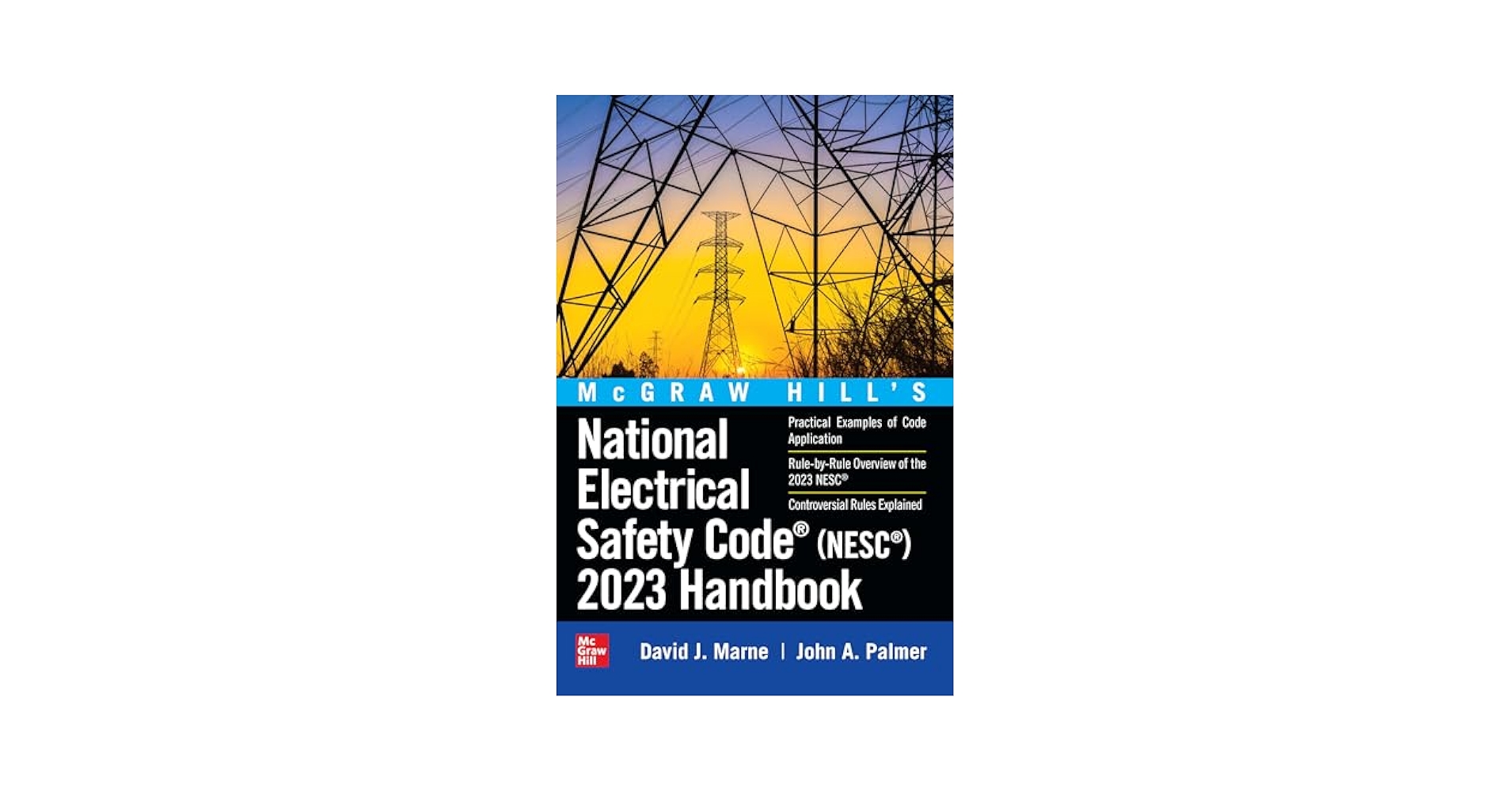
Credit: www.amazon.com.mx
Purpose Of Nesc
The purpose of the National Electrical Safety Code (NESC) is to set clear and practical safety standards for the installation, operation, and maintenance of electrical supply and communication lines. It aims to protect workers, the public, and property from electrical hazards. Understanding why NESC exists helps you appreciate how it keeps your environment safer every day.
Protecting People From Electrical Hazards
NESC focuses on reducing electrical accidents by providing strict safety guidelines. These rules help workers avoid shocks, burns, and other injuries while working with power lines and equipment. Have you ever wondered how utility workers stay safe up on poles or near high-voltage wires? The NESC’s detailed safety measures make that possible.
Ensuring Reliable Electrical Systems
Beyond safety, NESC also ensures that electrical systems work reliably without frequent failures. Proper installation and maintenance standards reduce outages and equipment damage. Think about how frustrating a blackout can be—NESC’s rules aim to minimize those disruptions so your daily life runs smoothly.
Standardizing Practices Across The Industry
NESC creates a common set of rules that everyone in the electrical industry follows. This consistency helps prevent mistakes and misunderstandings during design, construction, and repair. When multiple teams work on the same project, having one safety code keeps everyone on the same page and improves overall safety.
Adapting To New Technologies And Challenges
The code evolves to address new electrical technologies and emerging risks. This adaptability ensures that safety standards stay relevant as the industry changes. Are you curious how safety keeps pace with innovations like smart grids or renewable energy? NESC updates help tackle those modern challenges head-on.
Key Standards And Requirements
The National Electrical Safety Code (NESC) sets clear rules to protect people and property from electrical hazards. These rules guide the design, installation, and maintenance of power lines and equipment. The NESC focuses on safety standards that reduce risks in electrical systems.
Below are some key standards and requirements essential to follow for safety and compliance.
Safety Rules For Overhead Lines
Overhead lines carry high voltage and pose serious risks. The NESC requires specific clearances from buildings, roads, and other structures. These clearances help prevent accidental contact and electrical shock.
- Maintain safe distances based on voltage levels.
- Use warning signs and barriers near lines.
- Inspect lines regularly for damage or wear.
- Ensure proper support and tension to prevent sagging.
Grounding And Bonding Guidelines
Grounding protects people and equipment by directing fault currents safely to the earth. Bonding connects metal parts to prevent voltage differences. Both are critical for electrical safety.
- Install grounding systems with low resistance.
- Bond all metal parts to create a continuous path.
- Use approved materials and methods for grounding.
- Test grounding regularly to ensure effectiveness.
Equipment Installation Standards
The NESC defines rules for installing electrical equipment safely. Proper installation prevents accidents and equipment failure.
- Follow manufacturer guidelines and NESC rules strictly.
- Place equipment in locations free from hazards.
- Use protective enclosures to avoid contact with live parts.
- Ensure clear access for maintenance and inspection.
Roles Of Utilities And Organizations
The National Electrical Safety Code (NESC) ensures the safety of electrical systems. Utilities and organizations play a critical role in upholding these standards. Their responsibilities safeguard both infrastructure and public safety. By adhering to NESC guidelines, they minimize risks and promote reliable energy delivery.
Roles Of Utilities In Nesc Compliance
Utilities are responsible for implementing NESC standards in their operations. They oversee the construction, maintenance, and operation of electrical systems. Compliance ensures the safety of workers, the public, and the environment. Utilities must train their teams to follow NESC rules during installations and repairs. Regular inspections and audits help identify and fix potential hazards.
Responsibilities Of Organizations In Electrical Safety
Organizations like engineering firms and contractors also uphold NESC standards. They ensure that designs and installations meet safety requirements. Collaboration with utilities ensures compliance throughout projects. These organizations often provide technical expertise to enhance electrical safety.
Collaboration Between Stakeholders
Utilities and organizations work together to maintain NESC compliance. This partnership ensures consistent safety measures across all operations. Open communication and shared responsibility reduce risks and improve system reliability.
Importance Of Training And Awareness
Training programs help professionals understand and apply NESC guidelines. Regular workshops and certifications improve compliance and safety knowledge. Awareness campaigns educate the public about electrical hazards and safety practices.
Compliance Strategies
Compliance with the National Electrical Safety Code (NESC) requires clear strategies. These strategies help prevent accidents and ensure safety for workers and the public. Effective compliance reduces risks and promotes smooth operations in electrical work environments.
Employing structured methods builds a strong safety culture. It also helps companies meet legal and industry standards. Below are key strategies to follow for NESC compliance.
Risk Assessment Practices
Risk assessment identifies hazards before work begins. It involves checking equipment, tools, and work areas for dangers. Teams should list possible risks and decide how to control them. This process reduces accidents by planning safe work steps.
- Identify electrical hazards and unsafe conditions
- Evaluate the likelihood and severity of risks
- Create control measures to reduce or eliminate risks
- Document findings and update assessments regularly
Training And Certification Programs
Proper training ensures workers understand NESC rules. Certified programs teach safe methods and emergency responses. Workers must refresh their knowledge through regular courses. Training builds skills and confidence for safe electrical work.
- Provide NESC-focused safety training to all employees
- Use certified trainers and up-to-date materials
- Offer hands-on practice and scenario-based learning
- Keep records of completed training and certifications
Regular Inspection Protocols
Inspections catch safety issues early. Conduct routine checks on electrical systems and equipment. Use detailed checklists to cover all NESC requirements. Prompt repairs keep systems safe and compliant.
- Schedule inspections at set intervals
- Inspect tools, cables, poles, and grounding systems
- Report and fix problems immediately
- Maintain inspection logs for accountability
Updates And Revisions
Staying updated with the National Electrical Safety Code (NESC) is essential for anyone working with electrical systems. The code evolves regularly to address new technologies, safety challenges, and industry feedback. Understanding the latest updates can help you avoid hazards and ensure compliance with current standards.
Recent Key Changes In The Nesc
The most recent NESC revisions focus heavily on enhancing worker safety and improving equipment reliability. For example, there are stricter requirements for grounding and bonding to reduce electrical shock risks. You’ll also find updated guidelines on the installation of new renewable energy systems, reflecting their growing presence in the power grid.
These changes aren’t just technical—they reflect real-world incidents and lessons learned. If you’ve ever dealt with electrical maintenance, you know how small adjustments can make a big difference in preventing accidents.
How Updates Impact Your Daily Work
Every update in the NESC affects how you plan, install, and maintain electrical equipment. New rules might require additional inspections or the use of specific tools and materials. Ignoring these changes could lead to costly violations or, worse, accidents on the job.
Think about your last project—were you fully aligned with the latest safety codes? If not, reviewing the current NESC could save you time and protect your team.
Staying Informed About Future Revisions
Keeping up with future NESC updates requires a proactive approach. You can subscribe to industry newsletters, participate in safety workshops, or join professional organizations. Many utilities and contractors also hold regular training sessions to help workers stay current.
Ask yourself: How often do you check for code updates? Making this a routine can prevent surprises and help you maintain a safe work environment.
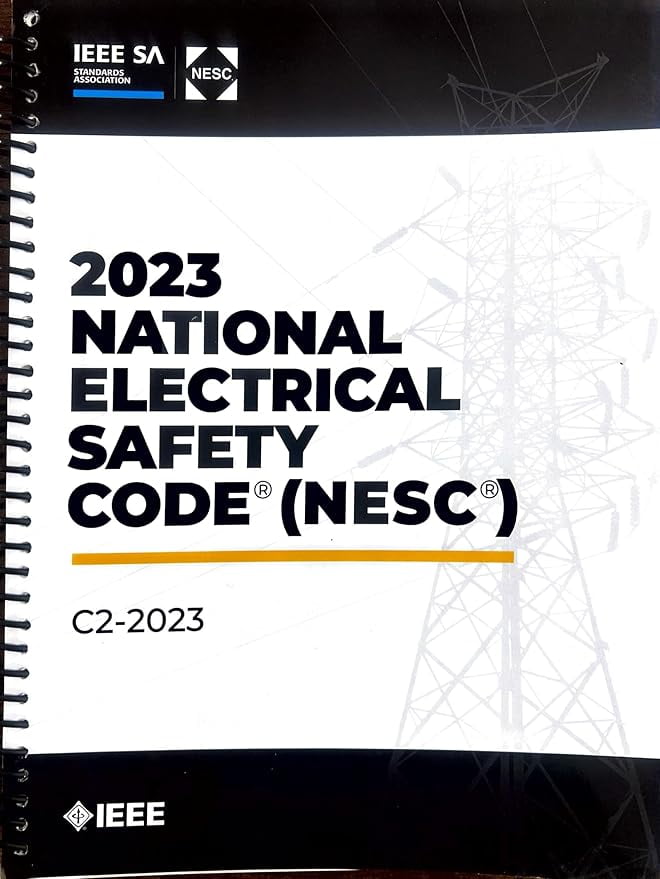
Credit: www.walmart.com
Challenges In Implementation
The National Electrical Safety Code (NESC) plays a vital role in ensuring safe electrical systems. Yet, its implementation comes with unique challenges. These hurdles make compliance difficult for various organizations. Below, we discuss the most pressing issues faced during implementation.
Cost Management Issues
Implementing NESC standards often requires significant financial investment. Many organizations struggle with budgeting for necessary upgrades. Equipment modernization and infrastructure improvements increase costs. Smaller organizations may find these expenses especially burdensome. Balancing safety with limited resources is a constant challenge.
Technological Barriers
Some regions lack access to modern technology. This makes adopting NESC standards more difficult. Aging infrastructure often cannot support advanced safety measures. Upgrading to meet code requirements can be time-consuming. Training personnel to handle new technologies adds to the problem.
Coordination Among Stakeholders
Effective implementation requires collaboration among multiple parties. Utilities, contractors, and regulatory bodies must work together. Miscommunication can delay projects and create compliance gaps. Aligning priorities among stakeholders is often a complex task. Without clear coordination, achieving full compliance becomes challenging.
Benefits Of Adhering To Nesc
Adhering to the National Electrical Safety Code (NESC) brings clear benefits that go beyond mere compliance. It helps protect lives, ensures reliable electrical service, and cuts down on costly accidents. When you follow NESC guidelines, you’re making a smart investment in safety and efficiency that pays off every day.
Enhancing Safety For Workers And The Public
NESC sets strict safety rules that protect everyone involved with electrical systems. Workers face fewer risks because the code demands proper clearances and grounding methods. This means fewer accidents, injuries, and even fatalities on job sites and around power lines.
Think about how many times you’ve heard about accidents caused by electrical hazards. Sticking to the NESC helps prevent those stories from becoming part of your own experience.
Improving System Reliability And Performance
Following NESC ensures your electrical infrastructure operates smoothly and consistently. The code addresses design and maintenance standards that reduce outages and equipment failures. This keeps power flowing and avoids interruptions that can disrupt homes and businesses.
Have you ever dealt with a power outage that could have been avoided? NESC compliance directly reduces those frustrating moments.
Reducing Costs And Liability Risks
Accidents and equipment damage lead to expensive repairs and legal issues. NESC compliance lowers these risks by promoting safer designs and better maintenance. This saves money in the long run and shields your organization from liability claims.
Imagine the financial strain from a lawsuit or a major repair bill. Following the code helps you avoid those costly surprises.
Ensuring Regulatory Compliance And Industry Acceptance
Many states and utilities require adherence to the NESC as part of their regulations. By following the code, you stay aligned with legal requirements and industry standards. This smooths inspections, approvals, and project timelines.
Have you ever faced delays due to non-compliance? Staying on the right side of the NESC clears the path for your projects.
Promoting Environmental Responsibility
NESC encourages practices that minimize environmental impact, such as controlling electromagnetic fields and managing vegetation near power lines. This helps protect surrounding ecosystems and communities. You contribute to a safer, cleaner environment by respecting these guidelines.
How often do you think about the environmental effects of electrical infrastructure? NESC helps you make a positive difference.

Credit: www.amazon.com
Frequently Asked Questions
What Is The National Electrical Safety Code (nesc)?
The NESC is a standard for safe electrical design, installation, and maintenance. It ensures public and worker safety around power systems.
Who Publishes The National Electrical Safety Code?
The Institute of Electrical and Electronics Engineers (IEEE) publishes the NESC. It updates the code every five years for safety improvements.
Why Is Nesc Important For Electrical Safety?
NESC sets minimum safety requirements to prevent electrical hazards. It protects workers, the public, and property from electrical risks.
How Often Is The Nesc Updated?
The NESC is updated every five years. These updates reflect new technologies and improved safety practices in electrical systems.
Conclusion
The National Electrical Safety Code sets clear rules to keep people safe. It helps prevent accidents and electrical hazards. Following the NESC protects workers and the public. It guides proper installation and maintenance of electrical systems. Safety is easier when everyone knows the right steps.
Trust the NESC to reduce risks and improve safety. Stay informed and apply these rules every day. Safety starts with understanding and following the code. Simple actions make a big difference. Keep safety first, always.

