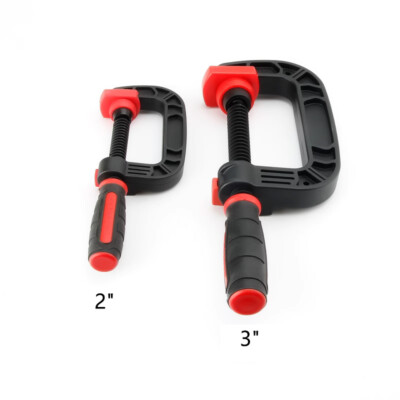


Have you ever struggled to hold a piece of wood or metal steady while working on it? That’s where a bench vise comes in.
This simple tool can make your projects easier, safer, and more precise. Whether you’re a DIY enthusiast, a professional craftsman, or just starting out, understanding what a bench vise is and why you need one could change the way you work.
Keep reading to discover how this handy device can become your best workshop partner.

Credit: www.abmtools.com
What Is A Bench Vise
A bench vise is a tool used to hold objects firmly in place. It is often attached to a workbench or table. This allows you to work on the object with both hands free.
People use bench vises for many jobs like sawing, filing, drilling, or gluing. It keeps the work steady and safe.
Basic Design And Components
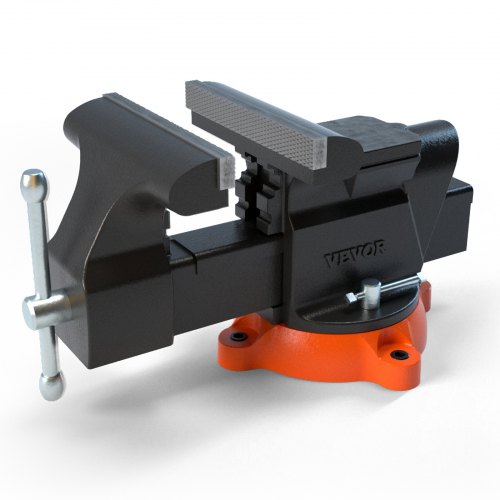
A bench vise has simple parts that work together to hold things tightly. It usually has two jaws. One jaw is fixed, and the other moves when you turn a handle.
- Jaws:The flat parts that grab the object.
- Handle:Used to open or close the jaws.
- Base:The part that attaches the vise to the bench.
- Screw:Inside the handle to move the jaw.
- Anvil:A flat surface on some vises for hammering.
Types Of Bench Vises
| Type | Use | Key Feature |
|---|---|---|
| Mechanic’s Vise | Metalwork and heavy tasks | Strong jaws and wide opening |
| Woodworker’s Vise | Wood shaping and cutting | Soft jaws to avoid damage |
| Pipe Vise | Holding pipes for cutting or threading | Curved jaws for pipes |
| Combination Vise | General use, wood and metal | Interchangeable jaws |

Credit: www.eastwood.com
Key Uses Of A Bench Vise
A bench vise is a strong tool fixed to a workbench. It holds objects steady while you work on them. This helps you complete tasks safely and accurately.
Many people use bench vises for various tasks in woodworking, metalworking, and repairs. Let’s explore the main uses of a bench vise.
Holding Materials Securely
A bench vise holds wood, metal, or plastic firmly in place. This stops the material from moving or slipping. It lets you work with both hands free.
- Keep materials steady for drilling or sanding
- Prevent damage by avoiding slips
- Hold irregular shapes safely
- Allow precise measurements and cuts
Assisting In Cutting And Filing
Use a bench vise to hold materials while cutting or filing. It keeps the piece stable so you can work carefully. This improves the quality of your work.
| Task | Why Use a Bench Vise |
| Cutting wood or metal | Prevents slipping and keeps a straight line |
| Filing rough edges | Keeps material steady for smooth filing |
| Sawing shapes | Allows controlled and even sawing |
Bending And Shaping Objects
A bench vise can hold metal or wire while you bend or shape it. It acts like a third hand, holding tight so you use tools safely. This is helpful for crafts and repairs.
Common uses include:
- Bending metal rods
- Shaping wires for crafts
- Forming parts for machines
- Holding pieces while hammering
Benefits Of Having A Bench Vise
A bench vise is a tool that holds objects firmly in place. It helps you work with both hands free. This makes many tasks easier and safer.
Using a bench vise can improve how you work on projects. It gives you better control and helps finish tasks faster.
Improved Safety
A bench vise keeps your workpiece steady. This stops it from slipping or moving unexpectedly. It lowers the chance of accidents.
Holding materials tightly reduces hand strain and injury risks. Your hands stay clear from sharp tools and moving parts.
- Prevents sudden slips during cutting or drilling
- Keeps hands away from sharp edges
- Reduces chance of dropping heavy items
Increased Precision
A bench vise holds materials firmly in one position. This helps you make exact cuts and measurements. It stops the workpiece from shifting.
With less movement, your work becomes cleaner and more accurate. This is important for detailed or fine jobs.
- Keeps parts steady for precise drilling or sawing
- Helps align pieces correctly before joining
- Improves quality of finishing work
Enhanced Efficiency
Using a bench vise speeds up your work. It frees both hands to use tools properly. You spend less time adjusting the material.
It also holds items in place for long periods. You can focus on the task without stopping to reposition the workpiece.
- Faster setup for cutting, filing, or sanding
- Reduces need for extra helpers
- Allows continuous work without interruptions
Choosing The Right Bench Vise
A bench vise is a tool you attach to a workbench. It holds objects firmly while you work on them. Choosing the right bench vise helps you work safer and easier.
Think about what you will use the vise for. Size, strength, and mounting all matter. This guide helps you pick the best one for your needs.
Material And Build Quality
Bench vises come in different materials. Cast iron is strong and lasts long. Steel vises are tougher and resist bending. Some vises have hardened jaws to grip better.
- Cast iron is common and durable
- Steel is stronger but may cost more
- Check for smooth moving parts
- Look for corrosion resistance
Jaw Width And Opening Size
The jaws hold your workpiece. Wider jaws hold bigger objects. The opening size tells you the largest object the vise can clamp.
| Jaw Width | Best For | Common Sizes |
| 2 to 3 inches | Small projects | 2", 3" |
| 4 to 6 inches | General use | 4", 5", 6" |
| 6 inches or more | Large workpieces | 6", 8", 10" |
Mounting Options
Vises attach to benches in different ways. Some bolt through the bench top. Others clamp on the edge. Choose the type that fits your workspace and work style.
- Bolt-down vises are very stable
- Clamp-on vises are easy to move
- Swivel bases let you rotate the vise
- Check if your bench can support the vise
Bench Vise Maintenance Tips
Keeping your bench vise in good shape helps it work better and last longer.
Regular care prevents rust and damage, making your tasks easier and safer.
Cleaning And Lubrication
Clean your vise often to remove dirt and metal shavings. Use a brush or cloth.
Lubricate moving parts with light oil or grease. This stops rust and keeps it smooth.
- Wipe jaws and screw threads clean after use
- Apply lubricant to the screw and slide
- Remove old grease before adding new
- Check for rust and clean it off promptly
Jaw Replacement And Upgrades
Jaws wear out or get damaged over time. Replace them to keep a strong grip.
| Jaw Type | Use | Material |
| Standard Steel | General clamping | Hardened steel |
| Soft Jaw | Protect delicate items | Plastic or aluminum |
| Pipe Jaw | Hold round objects | Special serrated steel |
Storage And Handling
Store your bench vise in a dry place to stop rust. Cover it if possible.
Handle the vise carefully. Avoid dropping or banging it to keep parts aligned.
- Keep vise away from moisture
- Use a cover or cloth when idle
- Do not overload or force the vise
- Check bolts and screws regularly for tightness
Credit: www.vevor.ca
Frequently Asked Questions
What Is A Bench Vise Used For?
A bench vise holds objects firmly in place during work. It enables precise cutting, drilling, and shaping. It improves safety by preventing movement and helps achieve better craftsmanship.
How Do I Choose The Right Bench Vise?
Choose a bench vise based on jaw width, clamping force, and material. Consider the size of your projects. Durable steel and swivel bases add versatility and strength.
Can A Bench Vise Damage My Workpieces?
A bench vise can damage soft materials without protection. Use jaw covers or padding to prevent scratches or dents. Proper adjustment of clamping pressure also avoids damage.
Why Is Jaw Width Important In A Bench Vise?
Jaw width determines how large an object the vise can hold. Wider jaws provide better stability for bigger projects. Select jaw size based on your typical workpieces.
Conclusion
A bench vise holds materials firmly while you work. It makes cutting, drilling, and shaping easier and safer. Every workshop benefits from having one close by. It saves time and effort on many tasks. Simple, strong, and reliable—that’s why you need a bench vise.