

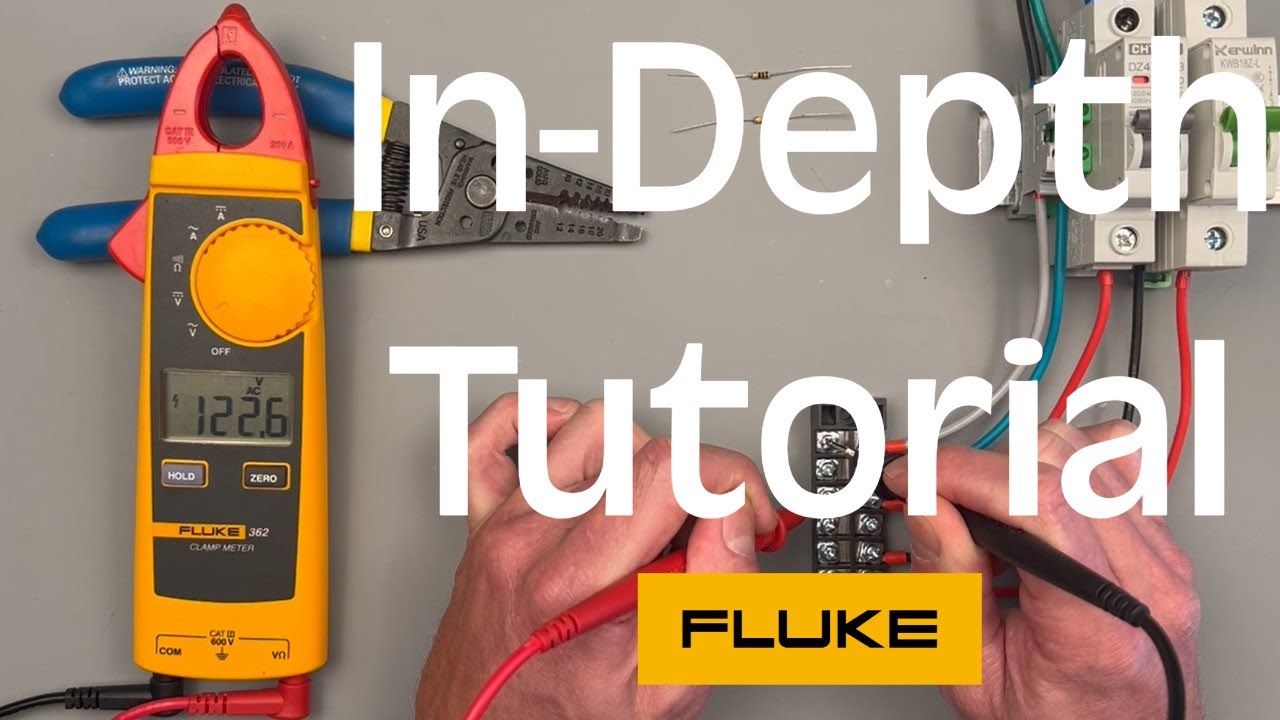
Are you looking to measure electrical current safely and easily? A clamp multimeter is the perfect tool for the job.
Whether you’re a beginner or just need a quick refresher, learning how to use a clamp multimeter can save you time and keep you safe. In this guide, you’ll discover simple, step-by-step instructions that make testing currents straightforward. By the end, you’ll feel confident handling your clamp multimeter like a pro—ready to tackle any electrical task with precision.
Keep reading, and unlock the power of this handy device today!
Credit: mestekinstruments.com
Choosing The Right Clamp Multimeter
Choosing a clamp multimeter is important for accurate electrical measurements. You need the right tool to measure current safely and easily.
This guide helps you pick the best clamp multimeter by explaining types and key features.
Types Of Clamp Meters
Clamp meters come in different types based on what they measure and how they work. Choose one that fits your needs.
- AC Clamp Meters:Measure only alternating current. Good for home and light work.
- AC/DC Clamp Meters:Measure both AC and direct current. Useful for automotive and electronics.
- Digital Clamp Meters:Show readings on a digital screen. Easier to read and more precise.
- Analog Clamp Meters:Use a needle and dial. Some prefer them for simple jobs.
- Specialty Clamp Meters:Designed for specific tasks like measuring low current or frequency.
Key Features To Look For
Look for features that make the clamp multimeter easy and safe to use. These features improve accuracy and convenience.
| Feature | Why It Matters |
| Jaw Size | Must fit around the cables or busbars you want to measure. |
| Auto-Ranging | Automatically selects the correct measurement range. Simplifies use. |
| True RMS | Provides accurate readings for non-linear loads and distorted waves. |
| Backlit Display | Helps read measurements in low light conditions. |
| Data Hold | Freezes the reading for easier viewing after measurement. |
| Safety Ratings | Look for ratings like CAT III or CAT IV for high-voltage work safety. |
Basic Components And Functions
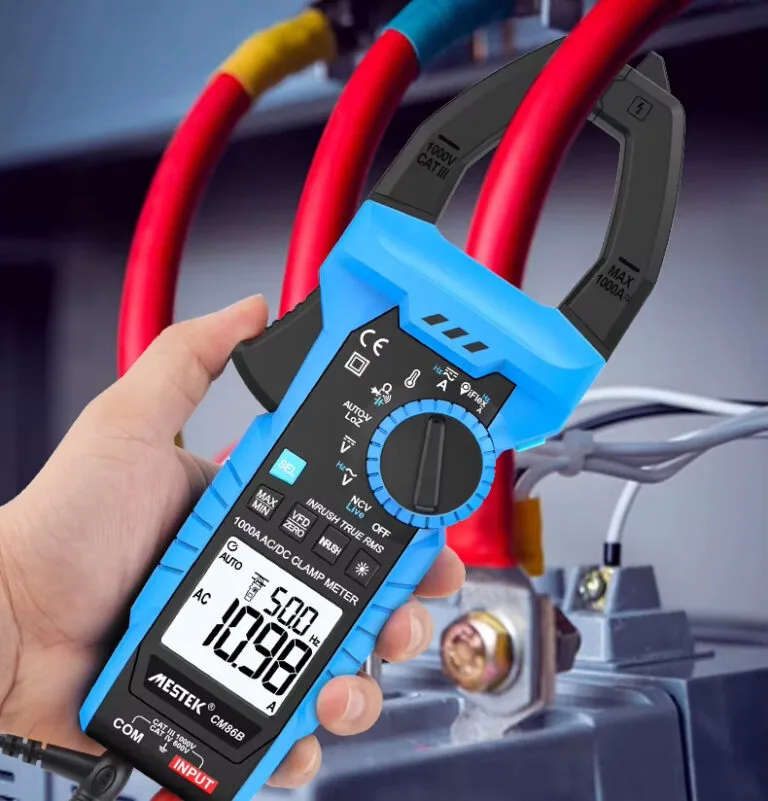
A clamp multimeter measures electrical current without touching wires. It has parts that help you see and control the readings. Understanding these parts helps you use the tool safely and correctly.
Each part has a special function. Knowing these will make it easier to measure voltage, current, and resistance.
Display And Controls
The display shows numbers and symbols. It tells you what you are measuring and the value. Some displays have backlights for dark places.
The controls let you choose what to measure. You can select voltage, current, or resistance. There are buttons or dials for this. Some models have extra buttons for hold, range, or mode.
- Digital screen to show readings
- Mode dial to select measurement type
- Hold button to freeze a reading
- Range button to change measurement scale
- Power button to turn the meter on/off
Jaw And Clamp Mechanism
The jaw is the part that opens and closes around a wire. It measures current by detecting the magnetic field. This means no need to cut or touch the wire.
The clamp mechanism is spring-loaded. It holds the jaw firmly closed during measurement. It is easy to open by pressing a lever or button.
- Jaw opens to fit around a conductor
- Clamp senses electrical current safely
- Spring keeps the jaw closed tightly
- Lever or button to open the jaw
- No direct contact with live wires needed
Setting Up Your Clamp Multimeter
Using a clamp multimeter starts with proper setup. This ensures accurate readings and safe use.
Follow these steps carefully to prepare your device for measuring electrical currents.
Powering On And Calibration
First, power on your clamp multimeter by pressing the power button. Some models may require holding the button for a few seconds.
After powering on, calibrate the meter if needed. Calibration helps improve measurement accuracy.
- Place the clamp jaws together with nothing inside.
- Press the zero or calibration button.
- Wait for the display to show zero or a stable reading.
Selecting The Measurement Mode
Choose the correct measurement mode to match what you want to test. The clamp multimeter can measure current, voltage, resistance, and more.
| Mode | Use | Symbol |
|---|---|---|
| AC Current | Measure alternating current in wires | A~ |
| DC Current | Measure direct current from batteries | A= |
| Voltage | Check electrical potential difference | V |
| Resistance | Test circuit resistance or continuity | Ω |
Turn the dial or press the mode button to select the right setting. Verify the display matches your choice before measuring.
Credit: mestekinstruments.com
Measuring Current Safely
Using a clamp multimeter lets you measure current without breaking the circuit. It is safer and faster than traditional methods. Still, you must follow safety rules to avoid accidents.
This guide explains how to measure AC and DC current safely. It also covers common safety hazards you should avoid.
Using The Clamp For Ac And Dc Current
Clamp multimeters work by detecting the magnetic field around a conductor. This lets them measure current without direct contact. Most clamps measure AC current easily. Some models can also measure DC current.
- Turn on the multimeter and set it to the correct current type (AC or DC).
- Open the clamp and place it around a single conductor wire.
- Make sure the clamp fully closes for accurate readings.
- Read the current value on the display.
- Remove the clamp carefully after measurement.
Avoiding Common Safety Hazards
Clamp meters are safe if used correctly. Common hazards come from improper use or ignoring safety steps. Follow these tips to stay safe:
| Hazard | How to Avoid |
| Touching live wires | Always wear insulated gloves and avoid contact |
| Incorrect clamp placement | Clamp only one conductor at a time |
| Using wrong settings | Set meter to correct current type (AC or DC) |
| Damaged equipment | Check meter and clamp for damage before use |
| Overloading meter | Know the max current rating of your clamp meter |
Measuring Voltage And Resistance
A clamp multimeter helps you measure electrical values safely and easily. You can measure voltage and resistance using the same tool.
Knowing how to switch between modes and follow tips ensures accurate readings every time. This guide covers these key points.
Switching Between Modes
Start by turning the dial on your clamp multimeter to select the mode. Choose "V" for voltage and "Ω" for resistance. Some models have separate buttons to switch modes.
- Set the dial to “V” to measure voltage.
- Set the dial to “Ω” to measure resistance.
- Use the clamp for current measurement, but it is not needed for voltage or resistance.
- Always check the display to confirm the selected mode.
Tips For Accurate Readings
| Tip | Explanation |
| Check battery | Low battery can cause wrong readings. |
| Use correct range | Select a range higher than expected value. |
| Clean probes | Dirty probes reduce contact quality. |
| Avoid touching tips | Finger contact can affect resistance measurement. |
| Turn off power (for resistance) | Ensure circuit power is off before measuring resistance. |
Advanced Features And Functions
Clamp multimeters have many features beyond basic measuring. These advanced functions help you get accurate and useful readings.
Understanding these features lets you use the multimeter better and save time on your tasks.
Data Hold And Max/min Modes
Data Hold lets you freeze the current reading on the screen. This helps when you cannot look at the meter while measuring.
Max/Min modes record the highest and lowest values during a measurement session. These modes show changes over time.
- Data Hold:Press the button to lock the displayed number.
- Max Mode:Displays the highest value measured.
- Min Mode:Displays the lowest value measured.
- Use case:Watch fluctuations without needing to write values down.
Using Bluetooth And App Integration
Some clamp multimeters connect to smartphones via Bluetooth. This lets you send readings directly to an app.
Apps can save data, create graphs, and help with analysis. This makes it easier to track measurements over time.
- Pair the multimeter with your phone using Bluetooth.
- Use the app to view live readings remotely.
- Save and export measurement data for reports.
- Set alerts for values outside your set limits.
Troubleshooting And Maintenance
Using a clamp multimeter correctly helps you find electrical problems fast. Proper maintenance keeps your tool working well for a long time.
This guide covers common issues you may face and how to fix them. It also gives tips on cleaning and storing your multimeter safely.
Common Issues And Fixes
If your clamp multimeter shows no reading, check the battery first. A dead battery is a usual cause. Also, ensure the clamp jaws close completely around the conductor.
- If the display is dim or blank, replace the battery immediately.
- Check for loose or damaged test leads and replace if needed.
- Make sure the multimeter is set to the correct measurement mode.
- Clean clamp jaws if readings are unstable or inaccurate.
- Reset the device by turning it off and on again if it freezes.
Cleaning And Storage Tips
Keep your clamp multimeter clean and dry. Dirt or moisture can harm its internal parts and cause wrong readings.
| Cleaning Step | Details |
| Use a soft cloth | Wipe the body and clamp jaws gently to remove dust |
| Avoid chemicals | Do not use alcohol or solvents that may damage plastic parts |
| Check the battery compartment | Remove battery if storing for long time to prevent leakage |
| Store in a dry place | Keep the multimeter in its case away from humidity and heat |

Credit: www.youtube.com
Expert Tips For Efficient Use
A clamp multimeter is a useful tool for measuring electrical current without disconnecting wires. Using it correctly saves time and improves safety.
These expert tips help you get accurate readings and work faster with your clamp multimeter.
Maximizing Accuracy
To get the best results, keep the clamp steady around a single conductor. Avoid clamping around multiple wires at once.
Make sure the multimeter is set to the correct mode and range before testing. This prevents wrong readings.
- Clamp only one wire at a time
- Use the right measurement setting (AC or DC)
- Zero the meter if it has a zero function
- Hold the clamp firmly and avoid moving it during measurement
- Avoid metal objects near the clamp sensor
Time-saving Techniques
Prepare your clamp multimeter and tools before starting work. This reduces delays during testing.
Use the hold function to freeze readings. This lets you check measurements without staying in one spot.
- Set the correct mode before clamping
- Use the hold button to keep readings visible
- Test wires in sequence without changing settings often
- Use the backlight in low light areas
- Keep batteries fresh to avoid power loss
Frequently Asked Questions
What Is A Clamp Multimeter Used For?
A clamp multimeter measures electrical current without disconnecting wires. It also tests voltage, resistance, and continuity safely and efficiently.
How Do You Safely Use A Clamp Multimeter?
Always wear protective gear and ensure the device is set to the correct function. Clamp around one conductor only for accurate current readings.
Can A Clamp Multimeter Measure Ac And Dc Current?
Yes, many clamp multimeters measure both AC and DC current. Check your model specifications to confirm its capabilities.
How Do You Read Measurements On A Clamp Multimeter?
Clamp the meter around the conductor and read the digital display. Select the proper mode for current, voltage, or resistance measurements.
Conclusion
Using a clamp multimeter makes measuring electrical currents simple and safe. Always read the manual before starting to use the tool. Hold the clamp around one wire only, never around two wires together. Take your time to get accurate readings.
Practice often to feel more confident with the device. This tool helps check circuits quickly without disconnecting wires. Keep safety first by wearing gloves and avoiding wet hands. A clamp multimeter is useful for both beginners and experts alike. Try it out and see how it helps in your electrical tasks.

