
Hanging pictures on plaster walls can feel tricky. You want your favorite photos and artwork to look perfect without damaging your walls.
If you’ve tried nails or regular hooks, you know they don’t always hold up well or can leave unwanted marks. But what if you had the right picture hooks designed just for plaster walls? You’ll discover the best options that make hanging easy, secure, and damage-free.
Keep reading to find the perfect hooks that will bring your walls to life without any hassle.

Credit: www.picturehangingsystems.ca
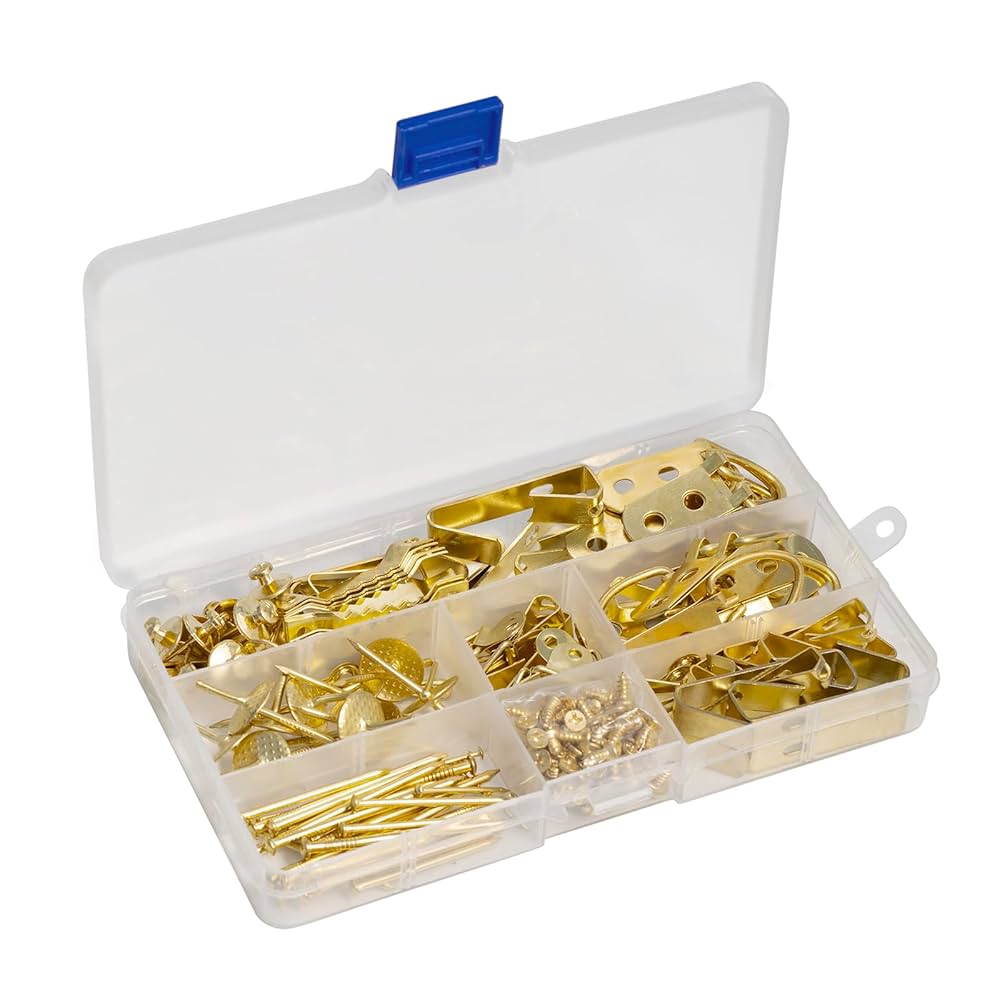
Types Of Picture Hooks
Picture hooks help you hang art and photos on plaster walls. Choosing the right hook keeps your pictures secure.
This guide covers different types of hooks for plaster walls. Learn which hook fits your needs best.
Adhesive Hooks
Adhesive hooks stick to the wall without nails or screws. They use strong glue or tape to hold pictures.
These hooks work well for light frames. They do not damage plaster walls if removed carefully.
- Easy to install and remove
- Best for lightweight pictures
- Leaves little or no wall damage
- Not for heavy or valuable items
Nail-in Hooks
Nail-in hooks use small nails to secure pictures. They are simple and work for light to medium weights.
They may cause small holes in plaster. Use gentle tapping to avoid cracking the wall.
- Fast and easy to use
- Good for small to medium frames
- May leave tiny holes after removal
- Not ideal for heavy pictures
Screw-in Hooks
Screw-in hooks need a drill or screwdriver. They hold heavier pictures securely on plaster walls.
Drill a pilot hole to avoid plaster cracking. These hooks provide strong support for valuable frames.
- Strong and durable hold
- Suitable for medium to heavy pictures
- Requires tools for installation
- Leaves holes that need patching
Toggle Bolts
Toggle bolts use a spring-loaded wing to anchor behind plaster. They hold very heavy pictures firmly.
Install by drilling a hole and pushing the bolt through. The wings open inside the wall for strong support.
- Best for heavy or large frames
- Requires drilling a larger hole
- Strong, reliable hold in plaster
- More complex to install
Molly Bolts
Molly bolts expand inside the plaster when tightened. They create a strong anchor for heavy pictures.
Drill a hole and insert the molly bolt. Tighten the screw to open the anchor behind the wall.
- Strong hold for heavy items
- Good for plaster and drywall
- Requires drilling and tools
- Leaves holes that need repair
Choosing Hooks For Plaster Walls
Plaster walls can be tricky when hanging pictures. Choosing the right hooks is important. You want to avoid cracks and damage.
This guide helps you pick the best picture hooks for plaster walls. Consider weight, wall thickness, and material.
Weight Capacity Considerations
Different hooks support different weights. Check the weight of your picture before buying hooks.
- Lightweight pictures: Use hooks supporting up to 5 pounds.
- Medium weight pictures: Choose hooks for 5-10 pounds.
- Heavy pictures: Opt for hooks supporting over 10 pounds.
Wall Thickness And Condition
The thickness of your plaster affects hook choice. Thicker walls need longer hooks. Check for cracks or damage too.
| Wall Thickness | Recommended Hook Type |
| Thin (less than 1 inch) | Short hooks |
| Medium (1-2 inches) | Standard hooks |
| Thick (more than 2 inches) | Longer hooks |
Hook Material And Durability
Material choice affects durability. Metal hooks are strong and last longer. Plastic hooks are lighter but less durable.
Tools Needed For Installation
Hanging pictures on plaster walls needs the right tools. Using proper tools makes the job easier and safer.
This guide covers the main tools you need for installing picture hooks on plaster walls.
Drills And Drill Bits
A drill helps make holes in plaster walls for hooks or anchors. Choose a drill that feels comfortable to hold.
Use drill bits designed for plaster or masonry. They reduce damage and make clean holes.
- Use a low speed to avoid cracking plaster
- Start with a small bit and increase size if needed
- Wear safety glasses to protect your eyes
Stud Finders
Stud finders detect wooden studs behind plaster walls. Hooks hold better when attached to studs.
Use a magnetic or electronic stud finder for accurate results. Mark stud edges with a pencil.
- Scan the wall slowly for best detection
- Mark multiple points to find stud center
- Check for pipes or wires if possible
Level And Measuring Tape
A level helps hang pictures straight on the wall. Measuring tape measures distances precisely.
Use the tape to mark where hooks will go. Then check with a level for even placement.
- Use a bubble or laser level
- Measure twice before marking
- Mark spots lightly with pencil
Screwdrivers And Hammers
Screwdrivers help drive screws into anchors or studs. Hammers are used to tap in picture hooks.
Choose a screwdriver type that matches your screws. Use a small hammer to avoid wall damage.
- Use a Phillips or flathead screwdriver as needed
- Tap hooks gently with hammer to avoid cracks
- Keep tools clean and in good condition
Credit: www.familyhandyman.com
Step-by-step Hanging Process
Hanging pictures on plaster walls needs care and the right tools. Following a clear process helps you avoid damage.
This guide shows simple steps to hang pictures safely and securely on plaster walls.
Locating Studs
Studs are wooden beams behind your plaster wall. They hold the most weight. Use a stud finder to locate them. Move the finder slowly across the wall until it beeps. Mark the edges of the stud with a pencil.
Marking Hook Placement
Decide where your picture will hang. Measure the height and width. Mark the wall lightly with a pencil. Make sure the marks align with the stud marks if possible. This gives the best support for heavy frames.
Drilling Pilot Holes
Before installing hooks, drill small pilot holes. Use a drill bit smaller than your hook screws. Drill straight into the marked spots. This step prevents plaster from cracking when you insert screws.
- Choose the right drill bit size for your hooks.
- Wear safety glasses to protect your eyes.
- Drill slowly and gently to avoid damage.
- Clear dust from holes before installing hooks.
Installing Hooks
Insert the hooks into the pilot holes. Turn them clockwise by hand or with a screwdriver. Make sure they are tight but do not force them too hard. Hooks should sit firmly without wobbling.
Hanging Pictures Safely
| Picture Weight | Recommended Hook Type | Additional Tips |
|---|---|---|
| Light (under 5 lbs) | Adhesive hooks or small nails | Use painter's tape to protect paint |
| Medium (5 to 20 lbs) | Standard picture hooks or screws in studs | Check that hooks are secure before hanging |
| Heavy (over 20 lbs) | Heavy-duty hooks or wall anchors in studs | Consider using two hooks for balance |
Hang your picture carefully on the installed hooks. Use a level to keep it straight. Adjust as needed to avoid leaning or falling.
Tips To Avoid Wall Damage
Hanging pictures on plaster walls needs care to avoid damage. Using the right hooks and techniques protects your walls. This guide shares simple tips to keep your plaster walls safe.
Follow these steps to hang your pictures securely and remove hooks without leaving marks. Protect your walls while displaying your favorite art or photos.
Using Proper Hooks
Choose hooks made for plaster walls. They are strong and less likely to cause cracks. Avoid nails or screws that can break the plaster surface.
- Use picture hooks with wide bases
- Pick hooks designed for heavy weights if needed
- Try adhesive hooks for light frames
- Avoid sharp nails or thin hooks
Distributing Weight Evenly
Spread the weight of your picture to lower pressure on one spot. This stops holes and cracks from forming in the plaster.
| Method | Benefit |
|---|---|
| Use two hooks spaced apart | Balances weight on wall |
| Choose a hanging wire or strip | Evenly spreads picture’s load |
| Pick lightweight frames | Reduces wall stress |
Removing Hooks Without Damage
Take hooks out slowly and carefully to avoid pulling off plaster. Use proper tools and clean the area after removal.
Here are tips to remove hooks safely:
- Loosen the hook by gently wiggling it
- Pull straight out without twisting
- Use a putty knife to help loosen stuck hooks
- Fill small holes with plaster or wall filler
- Sand smooth and touch up paint if needed
Alternative Hanging Methods
Hanging pictures on plaster walls can be tricky. Nails and hooks may cause damage or not hold well.
There are other ways to hang art that protect walls and keep pictures secure. These methods suit different picture sizes and weights.
Picture Rails
Picture rails are long strips fixed near the ceiling. You hang pictures using hooks and cords from these rails.
This method avoids putting holes in plaster walls. It also lets you easily change pictures without extra damage.
- Install rails with screws into wall studs for strong support
- Use adjustable hooks and cords to hang various sizes
- Keep walls free of holes and cracks
Wire Hanging Systems
Wire hanging systems use a cable fixed to the wall or ceiling. You attach picture hooks to the wire to hang frames.
This system spreads weight evenly and reduces stress on plaster walls. It works well for heavy or multiple pictures.
- Secure the wire with strong anchors in studs or ceiling joists
- Adjust hooks up and down the wire for perfect placement
- Good for galleries or walls with many pictures
Command Strips For Lightweight Items
Command strips stick to plaster walls without nails. They hold small and light frames safely and remove cleanly.
This option suits renters or those who want no wall damage. Check the weight limit on the package before use.
- Clean wall surface before applying strips
- Press strips firmly for strong adhesion
- Use strips only for lightweight pictures or decorations

Credit: www.amazon.com
Frequently Asked Questions
What Are The Best Hooks For Plaster Walls?
The best hooks for plaster walls are adhesive hooks, picture hooks with anchors, and screw-in hooks. They provide strong support without damaging the plaster. Choose hooks rated for your picture’s weight to ensure safety and durability.
How Do I Hang Pictures Without Damaging Plaster Walls?
Use adhesive hooks or picture hooks with wall anchors to avoid damage. Avoid heavy nails or screws directly in plaster, which can cause cracks. Always check the hook’s weight limit before hanging your picture.
Can I Use Regular Nails On Plaster Walls?
Regular nails are not recommended for plaster walls as they can cause cracks. Instead, use special picture hooks with anchors or adhesive hooks designed for plaster surfaces. These options provide better support and protect your wall from damage.
What Weight Can Picture Hooks Hold On Plaster Walls?
Picture hooks for plaster walls typically hold between 10 to 50 pounds. Always check the hook’s packaging for weight limits. Use multiple hooks for heavier frames to distribute the weight evenly and prevent wall damage.
Conclusion
Choosing the right picture hooks keeps your walls safe and your art secure. Strong hooks prevent damage and hold weight well. Simple tools and clear steps make hanging easy. Using the best hooks saves time and effort. Enjoy your space with pictures that stay put.
Your walls will look neat and polished. Remember, small details make a big difference. Trust good hooks for plaster walls every time.