OSB Subfloor Fasteners Building Code is essential knowledge for any flooring project. Choosing the wrong nails or screws can cause squeaky floors, weak support, or costly code violations that delay your work. Understanding the building code requirements for OSB subfloor fasteners ensures your floor is safe, durable, and up to standard. In this guide, you’ll learn the key rules and tips to select the right fasteners and avoid common mistakes. Keep reading to protect your investment and complete your project the right way the first time.

Credit: www.fastenersplus.com
Osb Subfloor Basics
OSB subfloors are common in modern buildings. They form the base layer under floors.
Understanding OSB and its benefits helps builders follow the building code well.
What Is Osb?
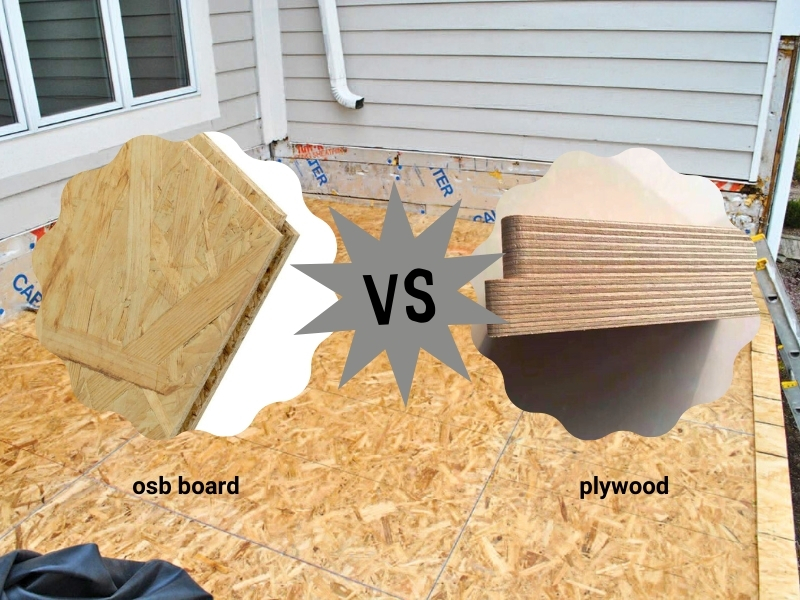
OSB stands for Oriented Strand Board. It is made from wood strands glued together.
The strands are arranged in layers to make the board strong and stable.
Benefits Of Osb Subfloors
OSB subfloors offer good strength and durability for homes and buildings.
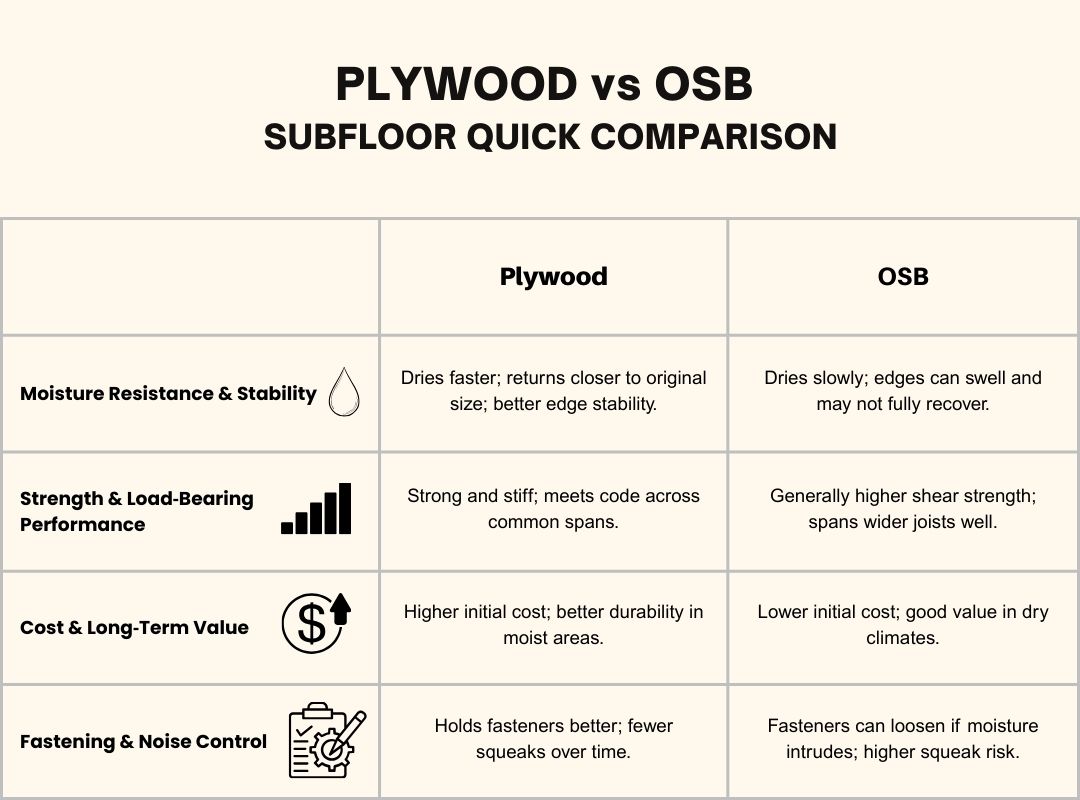
They resist moisture better than some other wood panels, reducing damage risk.
- Cost-effective compared to plywood
- Uniform strength across the panel
- Easy to cut and install
- Good resistance to warping and splitting
- Meets many building code requirements
Building Code Requirements
Understanding the building code for OSB subfloor fasteners is crucial. It ensures safety and durability in construction projects.
Builders must follow specific guidelines for fasteners. This includes types allowed, spacing, placement, and size requirements.
Fastener Types Allowed
Different fasteners are permitted for OSB subfloors. Each type serves a unique purpose in construction stability.
- Nails: Commonly used for quick installation.
- Screws: Provide stronger hold and are more secure.
- Staples: Often used for thinner materials, less common for subfloors.
Spacing And Placement Rules
Proper spacing and placement of fasteners are vital. This prevents floor squeaks and ensures a sturdy subfloor.
| Location | Spacing |
| Edges | 6 inches apart |
| Field | 12 inches apart |
Fastener Length And Size
Choosing the correct fastener length and size is important. It affects the subfloor's ability to hold weight and remain stable.
- Use nails or screws that are at least 1.5 inches long.
- Ensure fasteners penetrate into the joist below.
- Consider material thickness when selecting fastener size.
Fastener Materials
Choosing the right fastener material is key for OSB subfloor installation. The fasteners must hold firmly and last long.
Fastener materials affect strength, corrosion resistance, and compatibility with building codes. This guide covers important types.
Nails Vs. Screws
Nails are quick to install and cost less. Screws offer stronger hold and resist pulling out better. Each has uses in subfloor work.
- Nails are best for fast, general fastening.
- Screws provide better grip and reduce squeaks.
- Screws take more time to install but last longer.
- Nails may loosen over time in high traffic areas.
Corrosion Resistance
Corrosion resistance prevents rust and weak fasteners. It is important for subfloors in moist or humid places.
| Fastener Type | Material | Corrosion Resistance |
| Nail | Galvanized Steel | Good |
| Nail | Stainless Steel | Excellent |
| Screw | Steel with Coating | Good |
| Screw | Stainless Steel | Excellent |
| Specialized | Copper or Alloy | Very Good |
Specialized Fasteners
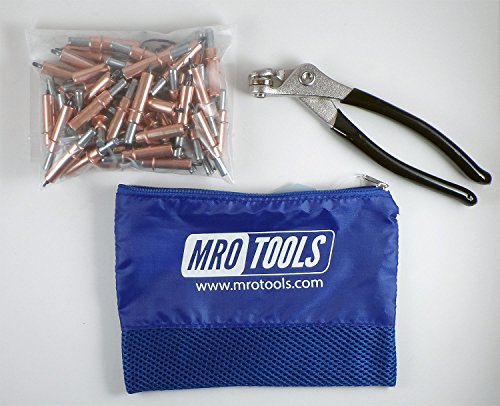
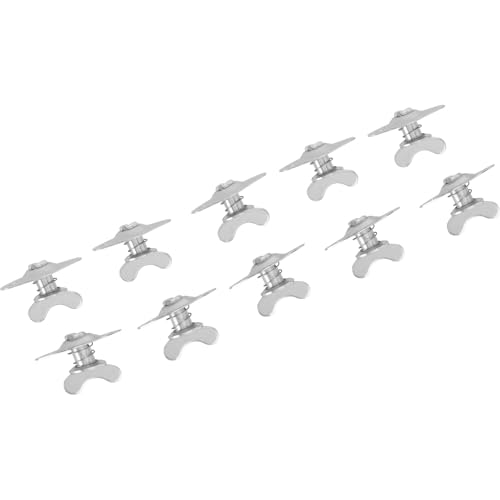
Specialized fasteners are made for unique needs. They provide added strength or corrosion resistance in tough conditions.
Examples of specialized fasteners:
- Ring shank nails for extra grip in OSB
- Coated screws for wet or treated wood
- Stainless steel fasteners for outdoor subfloors

Credit: www.fastenersplus.com
Installation Best Practices
Installing OSB subfloor fasteners correctly ensures a strong, safe floor. Follow building codes and use the right tools.
Good installation prevents squeaks and keeps the floor stable for years. Pay attention to details during the process.
Preparing The Subfloor
Start with a clean, dry subfloor before fastening. Remove dust, debris, and moisture to help fasteners hold well.
Check for damaged panels or gaps. Replace or repair these to keep the floor level and strong.
- Clear dust and debris from the surface
- Ensure the subfloor is dry to avoid fastener corrosion
- Replace damaged OSB panels
- Fill gaps between panels with appropriate material
Correct Fastening Techniques
Use fasteners that meet the local building code requirements. Choose nails or screws designed for OSB subfloors.
Place fasteners evenly and close to the panel edges without splitting the wood. Follow spacing rules precisely.
- Use corrosion-resistant nails or screws
- Space fasteners 6 to 8 inches along edges
- Place fasteners 12 inches apart in the field
- Drive fasteners flush with the subfloor surface
Avoiding Common Mistakes
Do not overdrive or underdrive fasteners. Both can weaken the hold and cause floor problems.
Avoid using the wrong fasteners or ignoring spacing rules. This can lead to squeaky or unstable floors.
- Do not use regular nails instead of approved fasteners
- Never miss fastener spacing requirements
- Do not leave fasteners sticking out or sunken too deep
- Check for loose panels before fastening
Inspection And Compliance
OSB subfloor fasteners must meet building codes for safety and strength. Inspections check if fasteners are installed correctly. This helps avoid future problems with the floor structure.
Compliance with codes ensures the building is safe for use. Inspectors look for proper fastener type, spacing, and condition during inspections.
Code Inspection Tips
Inspectors focus on fastener placement and type. They check for corrosion and damage. Correct spacing and fastening patterns are also important.
- Verify fasteners match code specifications
- Check for proper spacing according to manufacturer guidelines
- Look for signs of rust or wear on fasteners
- Ensure fasteners are flush with the OSB surface
- Confirm fastening pattern follows structural plans
Ensuring Structural Integrity
Fasteners hold the OSB subfloor firmly in place. This prevents movement and squeaks. Proper fasteners maintain the floor's strength over time.
| Fastener Type | Maximum Spacing | Purpose |
| Nails | 6 inches along edges | Secure edges of OSB panels |
| Screws | 12 inches in field | Hold panels to joists |
| Adhesive | Continuous bead | Reduce movement and noise |
Addressing Code Violations
Violations can weaken the floor and cause safety issues. Fixing them quickly is important. Inspectors often find missing fasteners or wrong spacing.
Common fixes include:
- Replacing damaged or rusted fasteners
- Adding fasteners where spacing is too wide
- Using approved fastener types only
- Refastening loose OSB panels
Common Challenges
Using the right fasteners for OSB subfloors is important for safe building. Builders face many challenges with these fasteners.
This guide covers common problems like moisture, fastener failure, and different OSB thicknesses.
Dealing With Moisture
Moisture can weaken OSB panels and fasteners. It causes swelling and warping in the subfloor.
Fasteners may rust or lose grip if moisture is high. This leads to loose or squeaky floors.
- Use corrosion-resistant fasteners in moist areas
- Keep OSB dry before and after installation
- Ensure proper ventilation under the floor
- Apply moisture barriers if needed
Fastener Failures
Fastener failure happens when nails or screws pull out or break. It weakens the floor structure.
Incorrect fastener length or type causes failures. Overdriving fasteners can split the OSB.
- Choose the right fastener length for the OSB thickness
- Use screws for better hold in OSB
- Follow building code spacing rules
- Avoid over-tightening fasteners
Adapting To Different Osb Thicknesses
OSB subfloors come in various thicknesses. Fasteners must match the panel thickness for a safe hold.
Thicker panels need longer fasteners. Thinner panels risk splitting if fasteners are too long or large.
- Check panel thickness before choosing fasteners
- Use fasteners that penetrate at least 1 inch into the joist
- Follow manufacturer and code guidelines for fastener size
- Adjust fastener type based on panel thickness and floor load
Tools And Equipment
Using the right tools and equipment is important for fastening OSB subfloors safely. Proper tools help make sure the fasteners hold well and meet building codes.
Builders need specific tools and safety gear to work efficiently and avoid injuries. This guide explains what you need for OSB subfloor fastening.
Recommended Fastening Tools
Fastening OSB subfloors requires tools designed for wood and engineered panels. Using these tools helps keep the subfloor secure and code compliant.
- Cordless drill or screw gun with adjustable clutch
- Collated screw system for faster fastening
- Hammer or nail gun for specific fasteners
- Measuring tape and chalk line for layout accuracy
- Carpenter’s square to ensure straight edges
- Utility knife for trimming fastener heads if needed
Safety Gear For Builders
Safety gear protects builders from hazards on the job. Wearing the right equipment reduces the risk of accidents while fastening OSB subfloors.
| Safety Gear | Purpose |
| Safety glasses | Protect eyes from dust and debris |
| Work gloves | Protect hands from splinters and cuts |
| Hearing protection | Reduce noise from power tools |
| Knee pads | Comfort and protection when kneeling |
| Dust mask | Prevent inhalation of wood dust |
| Steel-toe boots | Protect feet from heavy objects |
Credit: ttplywood.com
Updates In Building Codes
Building codes for OSB subfloor fasteners have changed recently. These updates affect how builders secure subfloors.
Understanding these new rules helps keep projects safe and up to code.
Recent Changes To Fastener Guidelines
The latest codes require stronger fasteners for OSB subfloors. Builders must use nails or screws that resist pulling out.
Fastener spacing rules are tighter to reduce floor movement and squeaks.
- Use corrosion-resistant fasteners in moist areas
- Reduce spacing between fasteners to 6 inches on edges
- Use ring-shank nails or screws for better hold
Impact On Future Projects
Builders must plan for higher fastener costs due to stricter rules. Projects may take more time to meet standards.
Following new codes improves floor durability and safety. Inspectors will check fastener types and spacing more closely.
- Budget more for quality fasteners
- Train workers on new installation methods
- Ensure all subfloor work meets updated codes
Frequently Asked Questions
What Fasteners Are Approved For Osb Subflooring?
Building codes typically approve ring-shank nails or screws for OSB subfloors. These fasteners provide strong holding power and resist pull-out, ensuring floor stability and safety.
How Far Apart Should Osb Subfloor Fasteners Be Placed?
Fasteners are usually spaced 6 to 8 inches along panel edges and 12 inches in the field. This spacing meets most building code requirements for secure subfloor installation.
Can Screws Replace Nails For Osb Subfloor Fasteners?
Yes, screws can replace nails and often provide better holding strength. Codes allow corrosion-resistant screws specifically designed for subflooring applications to prevent squeaks and improve durability.
What Building Code Covers Osb Subfloor Fastener Requirements?
The International Residential Code (IRC) and local amendments detail OSB subfloor fastening guidelines. Always consult your local building authority to ensure compliance with specific fastener types and spacing.
Conclusion
Choosing the right fasteners ensures your OSB subfloor stays strong and safe. Building codes guide the proper nail or screw type, size, and spacing. Following these rules prevents damage and keeps your floor stable over time. Always check local codes before starting your project.
A well-fastened subfloor supports your entire building structure. Simple steps lead to long-lasting results and peace of mind. Remember, safety and quality matter most in any construction work.