When you’re faced with joining two pieces of metal, choosing the right rivet can make all the difference in your project’s strength and durability. But how do you know whether to pick pop rivets or solid rivets?
Each type has its unique benefits, uses, and challenges that could impact your work. You’ll discover the key differences between pop rivets and solid rivets—so you can make the best choice for your needs and avoid costly mistakes. Keep reading to find out which rivet fits your project perfectly.
Credit: firstmold.com
Pop Rivets Basics
Pop rivets are a type of fastener used to join materials. They are also called blind rivets because they work from one side only.
These rivets are easy to install and require simple tools. They hold parts tightly together and are common in many industries.
Design And Structure
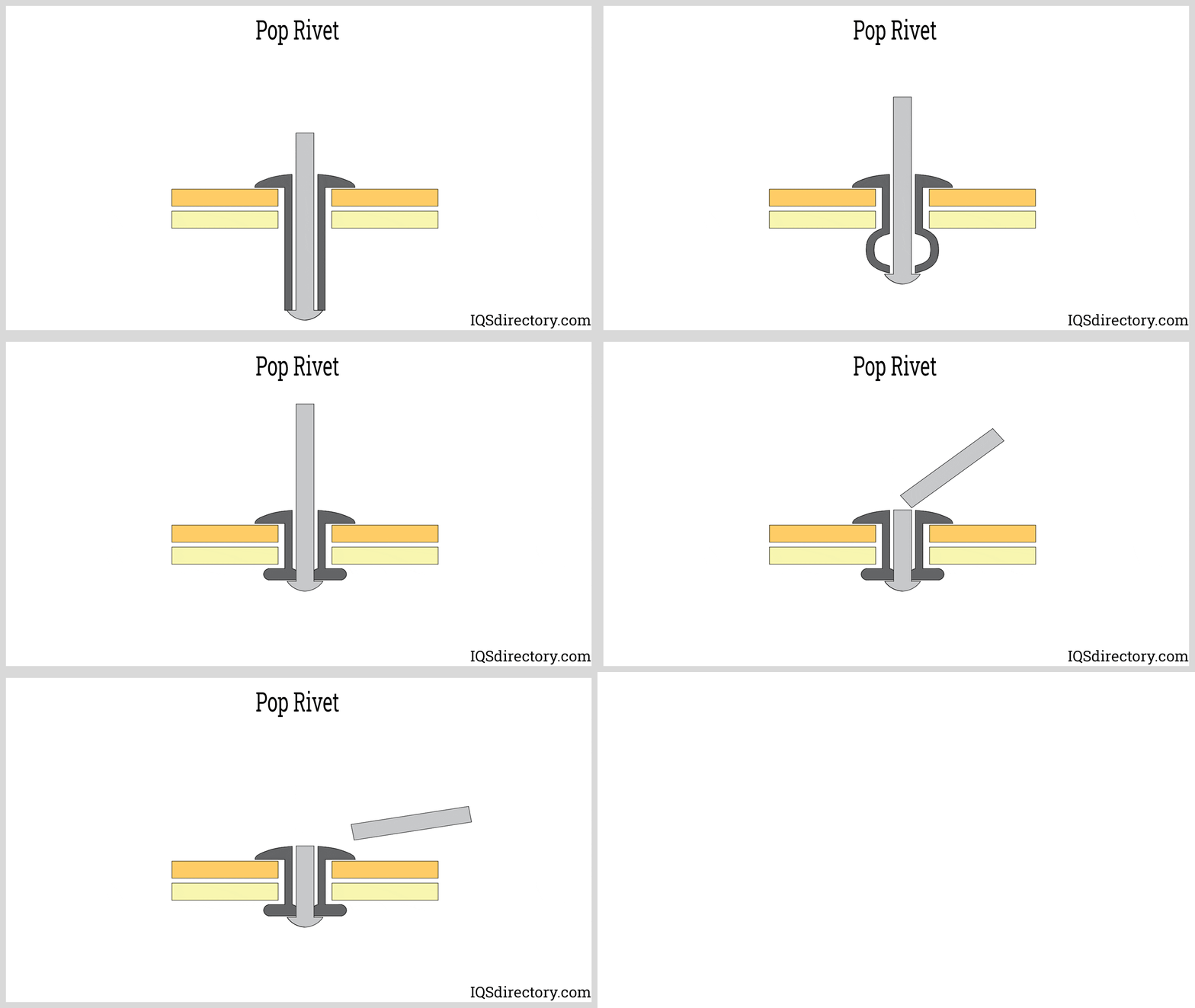
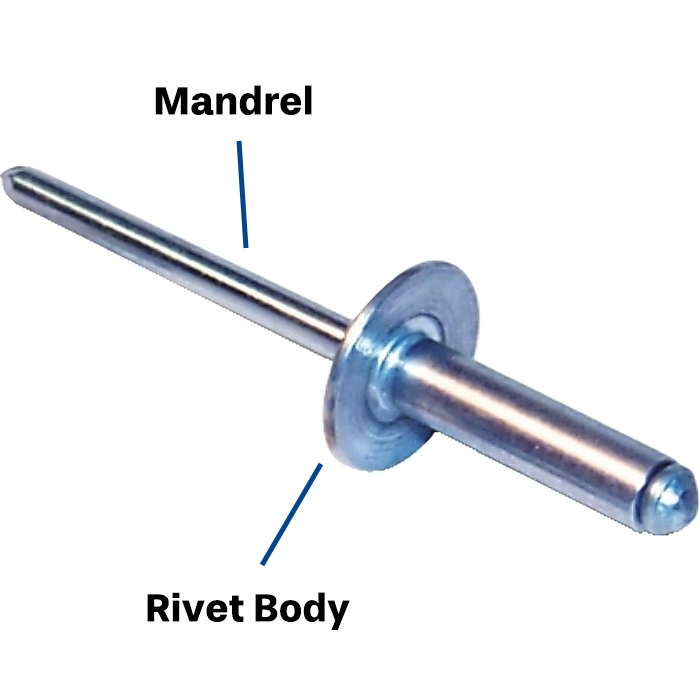
Pop rivets have a hollow cylindrical body and a mandrel inside. The mandrel pulls through the rivet body when installed.
- The rivet body expands to hold parts together.
- The mandrel breaks off after setting.
- The design allows quick and strong fastening.
Common Materials
| Material | Features |
| Aluminum | Lightweight and corrosion-resistant |
| Steel | Strong and durable |
| Stainless Steel | Resists rust and stains |
| Copper | Good electrical conductivity |
Typical Uses
Pop rivets are used to join thin metals, plastics, and other materials. They work well where access is limited to one side.
- Automotive assembly
- Aircraft construction
- Building and roofing
- Electronics and appliances
Credit: www.fictiv.com
Solid Rivets Basics
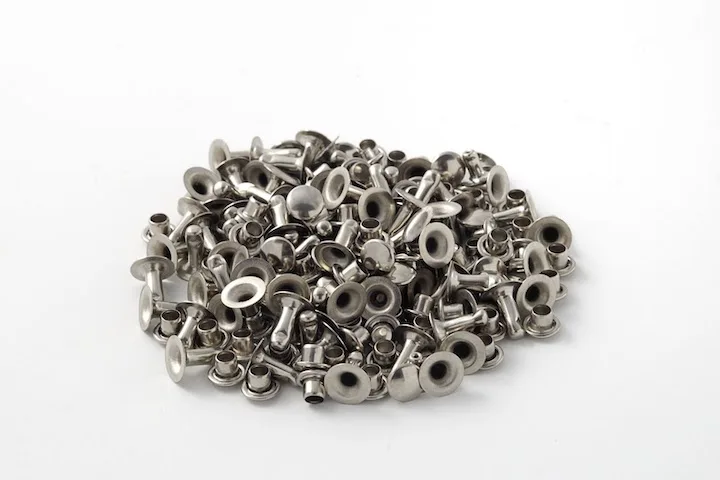
Solid rivets are a type of fastener used in construction. They are simple and strong, making them popular for many applications.
These rivets are made from a single piece of metal. They need access to both sides of the material being joined.
Design And Structure
Solid rivets have a simple design. They consist of a shaft and a head.
The rivet is placed in a pre-drilled hole. The tail is then hammered to form a second head.
- Shaft for insertion
- Head for holding
- Formed tail for securing
Common Materials
Solid rivets are made from various materials. Each material offers different benefits.
Common materials include aluminum, steel, and copper. These materials provide strength and durability.
- Aluminum: lightweight, corrosion-resistant
- Steel: strong, heavy-duty
- Copper: good conductivity, decorative
Typical Uses
Solid rivets are used in many industries. Their strength makes them ideal for heavy-duty applications.
Common uses include aircraft construction, bridges, and shipbuilding. They are essential where strong joints are needed.
- Aircraft: secure panels and frameworks
- Bridges: join metal parts
- Shipbuilding: maintain hull integrity
Installation Methods
Pop rivets and solid rivets are common fasteners in metalwork and construction. Their installation methods differ significantly. Understanding these differences helps choose the right rivet for your project.
The tools and steps used for installing pop rivets are simpler than those for solid rivets. Each method suits different materials and strength needs.
Tools For Pop Rivets
Pop rivets use special tools designed to pull and set the rivet quickly. The main tool is a rivet gun or riveter. This tool grips the rivet's mandrel and pulls it to expand the rivet body inside the hole.
- Handheld rivet gun for light work
- Pneumatic rivet gun for heavy-duty jobs
- Drill or punch to make holes
- Safety glasses for protection
Tools For Solid Rivets
Solid rivets need more manual effort and special tools. A hammer and bucking bar are essential. The bucking bar supports one side of the rivet while the hammer deforms the other end.
- Hammer for shaping the rivet
- Bucking bar to support the rivet
- Drill or punch to create holes
- Rivet set for precise shaping
- Safety gloves and glasses
Installation Process Differences
| Step | Pop Rivets | Solid Rivets |
|---|---|---|
| 1 | Drill hole through materials | Drill hole through materials |
| 2 | Insert rivet into hole | Insert rivet into hole |
| 3 | Use rivet gun to pull mandrel | Hold bucking bar behind rivet |
| 4 | Mandrel pulls and expands rivet body | Hammer rivet head to form a second head |
| 5 | Mandrel snaps off, leaving finished rivet | Shape rivet with rivet set if needed |
| 6 | No extra finishing required | Check rivet for tight fit and finish |
Strength And Durability
Pop rivets and solid rivets are common fasteners. Each type has different strength and durability features. Understanding these helps choose the right rivet for your project.
We will look at load bearing capacity, resistance to vibration, and corrosion resistance. These factors show how strong and long-lasting each rivet type is.
Load Bearing Capacity
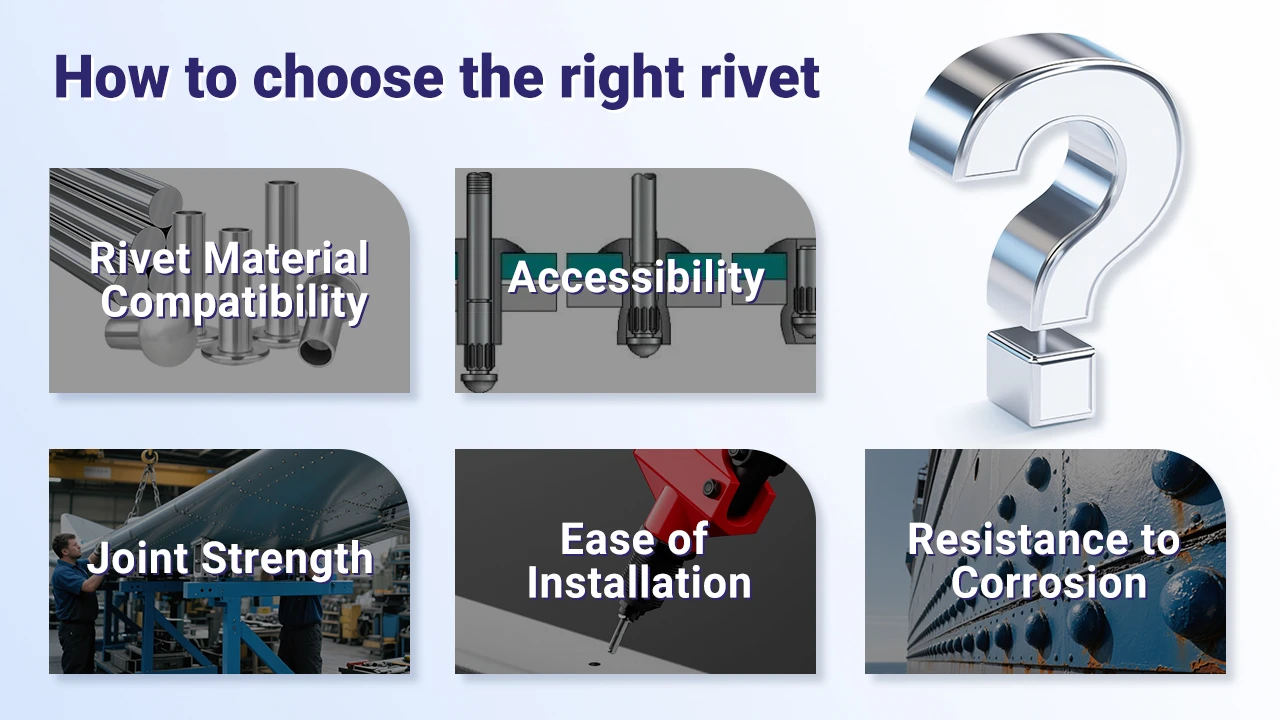
Solid rivets have higher load bearing capacity than pop rivets. They are made from a single piece of metal, which makes them very strong.
Pop rivets are easier to install but are weaker under heavy loads. They are hollow and rely on a mandrel to form the joint.
- Solid rivets handle heavy loads better
- Pop rivets suit lighter load applications
- Solid rivets are used in aircraft and bridges
- Pop rivets are common in household and light industrial use
Resistance To Vibration
Solid rivets resist vibration well because they form a tight joint. This reduces the risk of loosening over time.
Pop rivets can loosen with strong vibrations. Their hollow design makes them less stable in high-vibration settings.
- Solid rivets stay secure under vibration
- Pop rivets may need frequent checks in vibrating environments
- Solid rivets are preferred in engines and heavy machinery
Corrosion Resistance
Corrosion resistance depends on the material used for both rivet types. Stainless steel solid rivets offer good corrosion resistance.
Pop rivets often come with coatings like zinc or aluminum for corrosion protection. Their hollow center can trap moisture if not sealed properly.
- Solid rivets resist corrosion if made from stainless steel
- Pop rivets need coatings to prevent rust
- Proper sealing improves pop rivet durability
Advantages Of Pop Rivets
Pop rivets and solid rivets are common fasteners used in many projects. Pop rivets offer several benefits that make them easy to use and efficient.
These advantages help users save time and work in places where solid rivets may be hard to install.
Ease Of Use
Pop rivets are simple to apply with a special tool called a rivet gun. The tool pulls the rivet to hold parts tightly.
They do not need access to both sides of the material, which makes them easy for beginners and professionals alike.
Accessibility In Tight Spaces
Pop rivets only require access from one side, which works well in tight spaces or hard-to-reach areas.
This makes pop rivets a good choice for repairs or assembly where the back side is blocked or inside a closed structure.
Speed Of Installation
Using pop rivets is faster than solid rivets because they need fewer steps to set. The rivet gun does most of the work quickly.
This speed helps finish projects faster and reduces labor time, which is useful in many jobs.
Credit: www.lsengineers.co.uk
Advantages Of Solid Rivets
Solid rivets are a common type of fastener used in many industries. They provide strong, permanent connections between materials.
This section explains the benefits of solid rivets compared to pop rivets. Understanding these advantages helps choose the right fastener.
Higher Strength
Solid rivets offer greater strength than pop rivets. They can handle more pressure and stress without failing.
Their solid construction allows them to hold materials tightly together. This makes them ideal for heavy-duty applications.
- Made from a solid metal piece
- Withstand high shear and tensile forces
- Less likely to loosen over time
Permanent Fastening
Solid rivets create a permanent joint. Once installed, they cannot be easily removed without damaging the rivet.
This permanence ensures the connection stays secure for a long time. It is useful in safety-critical structures.
- No moving parts to wear out
- Does not loosen due to vibration
- Maintains joint integrity over years
Wider Industrial Applications
Solid rivets are used in many industries like aerospace, shipbuilding, and construction. Their reliability suits harsh environments.
They join metals that need strong, lasting bonds. This makes them preferred in projects requiring durability.
- Aircraft fuselage and wings
- Bridges and large structures
- Heavy machinery assembly
Cost Considerations
Choosing between pop rivets and solid rivets involves understanding their cost differences. These costs affect the overall budget of a project.
Three main factors impact cost: material costs, tooling expenses, and labor time. Each plays a role in deciding the best option.
Material Costs
Pop rivets usually cost more than solid rivets. This is because pop rivets have a more complex design with a mandrel inside.
| Rivet Type | Average Cost per Unit | Material |
|---|---|---|
| Pop Rivets | $0.10 - $0.20 | Aluminum, Steel, or Stainless Steel |
| Solid Rivets | $0.05 - $0.12 | Steel, Aluminum, Copper |
Tooling Expenses
Pop rivets require special tools called rivet guns. These tools add to the initial cost but help speed up installation.
- Pop rivet guns cost between $20 and $200.
- Solid rivets need hammering or pressing tools.
- Hammering tools are usually cheaper but need more skill.
Labor And Time
Pop rivets install quickly and need less labor skill. This lowers labor costs in many cases.
Solid rivets take more time and effort. Workers need training to shape them correctly, increasing labor expenses.
- Pop rivets: faster installation, less training.
- Solid rivets: slower process, skilled labor required.
- Labor cost depends on project size and skill level.
Choosing Between Pop And Solid Rivets
Pop rivets and solid rivets are common fasteners in many projects. Picking the right one affects strength and ease of use. Understanding their differences helps in making the best choice.
Each type has unique features suitable for different situations. Think about your project needs, environment, and budget before deciding.
Project Requirements
Consider the materials you are joining and how strong the connection must be. Solid rivets usually provide a stronger hold but need access to both sides of the material. Pop rivets work well when you can only reach one side.
- Use solid rivets for heavy-duty tasks and metal joints.
- Choose pop rivets for quick fixes and thin materials.
- Consider if you can access both sides of the assembly.
- Think about the tools you have available for installation.
Environmental Factors
Rivets face different conditions like moisture, temperature, and vibration. Some rivets resist corrosion better than others. It is important to match rivet material to the environment.
| Rivet Type | Corrosion Resistance | Temperature Tolerance | Vibration Resistance |
| Pop Rivets | Good (aluminum, stainless) | Moderate | Moderate |
| Solid Rivets | Excellent (steel, copper) | High | High |
Budget Constraints
Cost affects which rivet you choose. Pop rivets are often cheaper and faster to install. Solid rivets need more labor and tools but last longer in tough jobs.
Here is a simple cost comparison:
- Pop Rivet: Lower price, less installation time
- Solid Rivet: Higher price, requires skilled labor
- Consider the total cost including tools and labor
Frequently Asked Questions
What Are The Main Differences Between Pop And Solid Rivets?
Pop rivets are blind rivets installed from one side, ideal for inaccessible areas. Solid rivets require access to both sides and provide stronger, permanent joints. Pop rivets are quicker to install, while solid rivets offer higher shear strength and durability.
When Should I Use Pop Rivets Over Solid Rivets?
Use pop rivets for quick, easy installation where only one side is accessible. They suit lightweight materials and temporary joints. Solid rivets are better for high-strength, permanent applications requiring superior load-bearing capacity.
Are Pop Rivets As Strong As Solid Rivets?
No, solid rivets are generally stronger and more durable. Pop rivets provide adequate strength for many applications but are less suited for heavy loads or high-stress environments.
Can Pop Rivets Replace Solid Rivets In All Projects?
Pop rivets cannot replace solid rivets in heavy-duty or critical structural projects. They are best for lighter, non-structural assemblies where ease of installation is a priority.
Conclusion
Pop rivets and solid rivets serve different purposes in fastening. Pop rivets are easy to install and work well in hard-to-reach places. Solid rivets offer stronger, more durable joints but need more skill and tools. Choosing the right rivet depends on your project’s needs and materials.
Both types have clear advantages. Knowing their differences helps you pick the best option. Simple tools or heavy-duty jobs—each rivet has its place. Understanding these basics makes your work easier and more effective.

