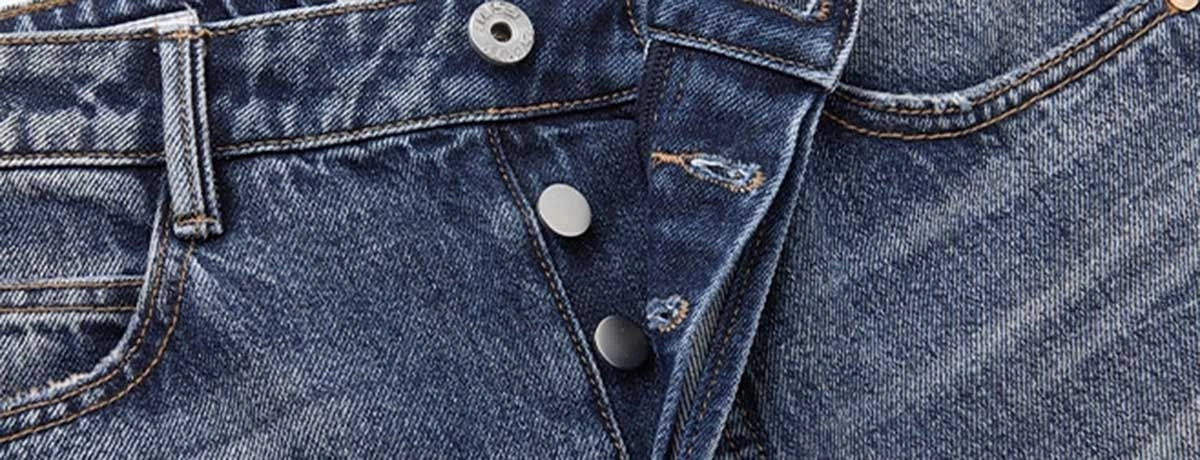
Have you ever wondered why your favorite pair of jeans has those tiny metal dots near the pockets? Those are metal rivets, and they do much more than just add a cool look.
They make your jeans stronger and help them last longer, even through all your daily adventures. If you want to know how these small pieces can make a big difference in your jeans' durability and style, keep reading. You'll discover why metal rivets are a smart and stylish choice for your wardrobe.
History Of Metal Rivets
Metal rivets are small but strong pieces of metal. They hold jeans together at stress points. Rivets make jeans last longer and look unique.
The story of metal rivets on jeans is linked to work clothes. They helped workers wear tough pants that did not tear easily.
Origins In Workwear
Metal rivets first appeared in the late 1800s. They were used by miners and laborers. These workers needed strong pants for hard jobs.
- Rivets reinforced pockets and seams.
- They stopped fabric from ripping under pressure.
- Rivets helped jeans last through tough work.
- The idea came from a tailor named Jacob Davis.
- He worked with Levi Strauss to patent riveted pants in 1873.
Evolution In Denim Fashion
Jeans became popular beyond workwear in the 20th century. Rivets stayed as a key design element. They moved from tool to fashion detail.
| Era | Use of Rivets | Significance |
| Late 1800s | Strengthen work pants | Durability for laborers |
| Mid 1900s | Fashion statement | Style and toughness |
| Modern day | Brand identity | Iconic denim look |
How Rivets Enhance Durability
Metal rivets are small but mighty components on jeans. They play a key role in making jeans last longer.
These rivets are not just for decoration. They provide strength and support to the fabric.
Strengthening Stress Points
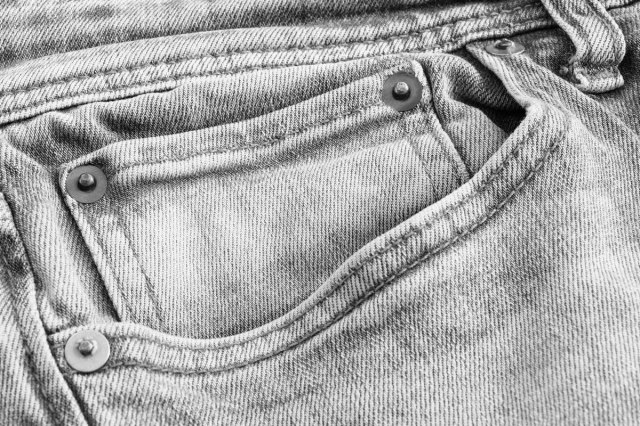
Jeans face a lot of stress at certain points. These points include pockets and seams.
Rivets help reinforce these areas. They prevent the fabric from tearing under pressure.
- Pockets carry heavy items
- Seams endure daily wear and tear
- Rivets add extra strength to these areas
Materials Used In Rivets
Rivets are made from various metals. The choice of metal affects their durability.
Common materials include copper, brass, and aluminum. Each metal has its benefits.
| Metal | Benefits |
| Copper | Resistant to corrosion |
| Brass | Strong and durable |
| Aluminum | Lightweight and rustproof |
Types Of Metal Rivets On Jeans
Metal rivets help hold jeans together and make them strong. They keep pockets and seams from tearing.
There are different types of metal rivets used on jeans. Each type has unique features and benefits.
Copper Rivets
Copper rivets are the most common type used in jeans. They are strong and resist rust well. Copper also adds a classic look to denim.
- Durable and long-lasting
- Provides a vintage appearance
- Resistant to corrosion
Aluminum Rivets
Aluminum rivets are lighter than copper. They do not rust but may be less strong. These rivets are often used in fashion jeans.
| Feature | Copper Rivets | Aluminum Rivets |
| Weight | Heavier | Lighter |
| Rust Resistance | High | Very High |
| Strength | Strong | Moderate |
| Appearance | Classic | Modern |
Brass Rivets
Brass rivets have a shiny gold color. They combine strength with style. Brass is also resistant to corrosion.
Advantages of brass rivets:
- Strong and durable
- Attractive golden color
- Good corrosion resistance

Credit: www.walmart.com
Rivets And Jeans Style
Metal rivets are small but important parts of jeans. They hold the fabric tightly at stress points.
Rivets also add style and a rugged look to jeans. They have a long history in denim fashion.
Classic Look
Rivets first appeared on jeans in the 1800s. They made jeans stronger for workers.
Classic jeans use copper or brass rivets. These give a vintage, tough style.
- Copper rivets on pockets and seams
- Simple round shapes for durability
- Used on traditional blue denim
Modern Fashion Trends
Today, rivets are also a fashion detail. Designers use different metals and shapes.
Modern jeans may have silver, black, or colored rivets. They add a fresh look.
- Shiny silver rivets for a polished style
- Matte black rivets for a sleek look
- Unique shapes like stars or logos
Crafting Riveted Jeans
Metal rivets make jeans stronger. They hold fabric parts together tightly. This helps jeans last longer under stress.
Crafting riveted jeans involves careful steps. From placing rivets to checking quality, each part matters.
Manufacturing Process
The process starts with cutting denim fabric. Workers then sew parts like pockets and seams. Rivets are added to stress points.
- Cut denim pieces to size
- Sew pockets and seams securely
- Place metal rivets on corners and edges
- Press rivets to fix them firmly
- Inspect stitching and rivet placement
Quality Control
Quality checks ensure rivets hold well. Inspectors test strength and look for defects. This keeps jeans durable and safe to wear.
| Test | Purpose | Result Needed |
|---|---|---|
| Rivet Strength | Check if rivets stay fixed | No loosening after pull test |
| Stitch Inspection | Look for broken or loose threads | All stitches must be tight |
| Fabric Damage | Ensure no tears near rivets | Fabric must be intact |
Credit: historyfacts.com
Caring For Riveted Jeans
Jeans with metal rivets need special care to last longer. Rivets help hold the fabric together but can rust or loosen without attention.
Proper washing and fixing rivets can keep your jeans strong and looking good.
Washing Tips
Turn your jeans inside out before washing. This protects the rivets from damage. Use cold water and a gentle cycle to reduce wear.
Avoid bleach and strong detergents. They can cause rust on the rivets. Hang your jeans to dry instead of using a dryer.
- Turn jeans inside out
- Use cold water and gentle cycle
- Avoid bleach and harsh detergents
- Air dry to protect rivets
Repairing Rivets
If a rivet becomes loose or falls off, fix it quickly to avoid fabric damage. You can use a rivet repair kit or take the jeans to a tailor.
Check all rivets regularly. Tighten any that feel loose. Replace rusted rivets to keep your jeans strong.
- Use a rivet repair kit for small fixes
- Visit a tailor for professional repair
- Check rivets often for looseness
- Replace rusted rivets promptly
Sustainability And Rivets
Metal rivets add strength to jeans. They help jeans last longer. This supports sustainable fashion.
Using the right materials and design can reduce waste. Rivets play a key role in this process.
Eco-friendly Materials
Rivets are often made from metals like copper or aluminum. Some brands choose recycled metals. This lowers the need for mining new materials.
- Recycled copper rivets reduce environmental impact
- Aluminum rivets are lightweight and easy to recycle
- Nickel-free rivets prevent skin irritation and pollution
- Natural coatings replace harmful chemical finishes
Longevity And Waste Reduction
Rivets increase jean durability. Strong rivets prevent tears at stress points. This extends the life of jeans.
| Benefit | Impact |
| Stronger seams | Less frequent repairs |
| Longer lifespan | Reduced clothing waste |
| Recyclable metal parts | Lower landfill contribution |

Credit: www.ebay.com
Frequently Asked Questions
What Are Metal Rivets On Jeans Used For?
Metal rivets reinforce stress points on jeans, like pockets and seams. They prevent fabric tearing and increase durability, especially in workwear jeans.
Why Do Jeans Have Metal Rivets?
Jeans have metal rivets to strengthen weak areas. This design originated to make jeans last longer during heavy use.
Are Metal Rivets On Jeans Purely Decorative?
No, metal rivets serve a functional purpose. They add strength to high-stress areas, though they also give jeans a classic style.
How Do Metal Rivets Affect Jeans’ Durability?
Metal rivets enhance durability by preventing fabric from ripping. They secure pockets and seams, extending the jeans’ lifespan significantly.
Conclusion
Metal rivets add strength and style to jeans. They keep pockets from tearing easily. Rivets also give jeans a classic, rugged look. Many people appreciate their simple yet useful design. Choosing jeans with rivets means choosing durability. These small details make a big difference.
Next time you wear jeans, notice the rivets. They tell a story about quality and tradition. Jeans with rivets are made to last. A small metal piece with a big role.

