

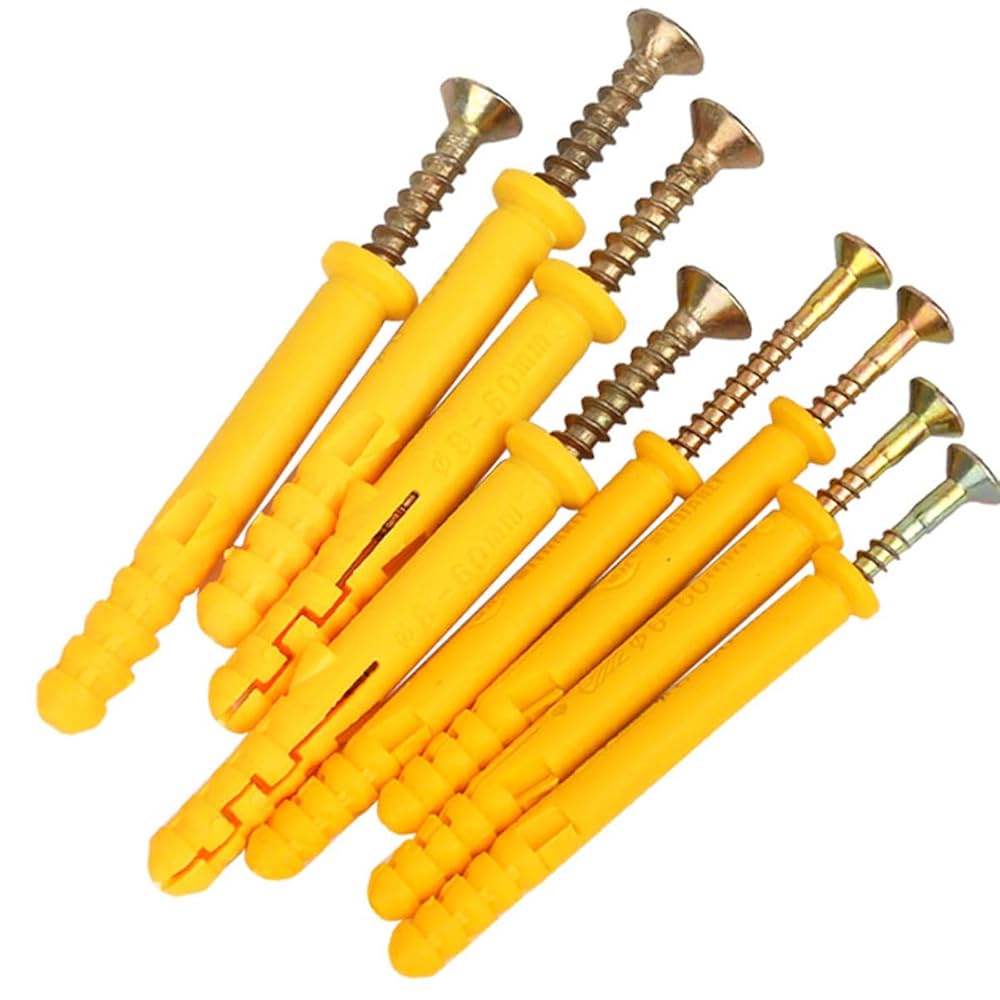
Are you tired of struggling to hang shelves, pictures, or fixtures that just won’t stay put? The secret to a strong, reliable hold lies in the right plastic wall plug anchor.
Whether you're a DIY enthusiast or tackling home repairs, choosing the right anchor can make all the difference between a secure fit and a frustrating fail. You’ll discover how plastic wall plug anchors work, why they’re essential for your projects, and how to pick the perfect one for your walls.
Keep reading to make sure your next project is rock solid.

Credit: www.amazon.com
Types Of Plastic Wall Plug Anchors
Plastic wall plug anchors hold screws firmly in walls. They help fix objects on surfaces like drywall or brick. Different types suit different tasks and wall materials.
Knowing the types of plastic wall plugs helps pick the right one. This guide explains four common types and their uses.
Standard Expansion Plugs
Standard expansion plugs expand when a screw is driven in. This expansion holds the plug tightly in the wall. They work well in solid materials like brick and concrete.
Ribbed Plugs
Ribbed plugs have ridges along their length. These ribs stop the plug from turning or slipping in the hole. They fit well in softer materials such as drywall or plaster.
Sleeve Anchors
Sleeve anchors have a hollow sleeve around the plug. When the screw is tightened, the sleeve expands. This creates a strong grip in hollow or weak walls.
- Used in hollow blocks and plasterboard
- Provide better load support
- Available in different sizes
Hammer Drive Anchors
Hammer drive anchors install by hammering a pin inside the plug. The pin pushes the plug to expand inside the wall. They are fast to install and good for light loads.
| Type | Best For | Installation Method |
| Standard Expansion | Solid walls like brick and concrete | Screw expansion |
| Ribbed Plugs | Drywall and plaster | Screw insertion with rib grip |
| Sleeve Anchors | Hollow blocks and weak walls | Screw tightens sleeve |
| Hammer Drive Anchors | Light loads, quick fixes | Hammer pin expansion |
Choosing The Right Plug For Your Wall
Plastic wall plug anchors help hold screws in walls. Choosing the correct plug is important for secure fixing.
Selecting the right plug depends on your wall type, screw size, and weight of the item you want to hang.
Consider Wall Material
Different walls need different plugs. Drywall, brick, and concrete all require specific anchors.
Using the wrong plug can cause the screw to loosen or the wall to crack.
- Drywall: Use lightweight plastic anchors or toggle bolts
- Brick: Use heavy-duty plugs designed for masonry
- Concrete: Use strong nylon or plastic anchors made for solid walls
Match Plug Size To Screw
The plug size must fit the screw size. A small plug with a large screw will not hold well.
Check the package or product details to match screw diameter with plug diameter.
- Use a plug slightly larger than the screw diameter
- Make sure the plug length fits the wall thickness
- Do not force screws that are too big into small plugs
Weight Capacity And Load
Each plug has a weight limit. Use a plug that can support the item’s weight safely.
Heavy items need stronger plugs and sometimes special anchors like metal ones.
| Plug Type | Approximate Weight Capacity | Best Use |
|---|---|---|
| Lightweight Plastic | Up to 10 lbs (4.5 kg) | Small pictures, light shelves |
| Heavy-Duty Nylon | Up to 50 lbs (23 kg) | Medium shelves, curtain rods |
| Masonry Anchor | Over 50 lbs (23 kg) | Heavy mirrors, large cabinets |
Tools Needed For Installation
Installing plastic wall plug anchors requires some basic tools. These tools help you fix anchors safely and securely.
Using the right tools makes your work easier and prevents damage to the wall or anchor.
Drill And Bits
You need a drill to make holes for the plastic wall plug anchors. Choose the right drill bit size for the anchor.
Using the correct drill bit ensures the anchor fits tightly in the wall.
- Use a drill with adjustable speed
- Select a drill bit matching the anchor size
- Use masonry bits for concrete or brick walls
Screwdrivers
Screwdrivers help you insert screws into the plastic wall plug anchors. Choose the right type and size for the screws.
Using the correct screwdriver prevents slipping and damages to the screw head.
- Use a Phillips or flathead screwdriver as needed
- Match screwdriver size to screw size
- Electric screwdrivers can save time
Measuring Tools
Measuring tools help you mark the exact spots for drilling holes. Accurate marks improve installation quality.
Use simple tools to measure and mark before drilling the wall.
- Use a tape measure for length
- Use a pencil or marker for marking
- A level helps keep marks straight
Step-by-step Installation Process
Installing a plastic wall plug anchor ensures a strong hold for screws in walls. Follow these simple steps carefully for best results.
Each step guides you through marking, drilling, inserting, and securing the anchor with ease.
Marking Drill Points
Start by deciding where you want to place the wall plug. Use a pencil to mark the exact spot on the wall. Double-check the position before moving on.
Drilling The Hole
Select a drill bit that matches the size of your plastic wall plug. Hold the drill steady and drill straight into the wall at the marked point. Drill to the depth of the plug.
- Choose the correct drill bit size.
- Drill carefully at the marked spot.
- Keep the drill straight for a clean hole.
- Drill to the plug’s full length.
Inserting The Plug
Push the plastic wall plug into the drilled hole. It should fit snugly without force. If it is loose, choose a larger plug or drill a new hole.
| Plug Size | Drill Bit Size | Use |
|---|---|---|
| 5mm | 5mm | Light fixtures, small screws |
| 8mm | 8mm | Medium weight objects |
| 10mm | 10mm | Heavy items, shelves |
Securing The Screw
Insert the screw into the plug and tighten it with a screwdriver. Do not overtighten. The plug will expand inside the wall and hold the screw firmly.
- Place the screw in the plug.
- Turn the screwdriver clockwise.
- Stop tightening when the screw feels firm.
- Check if the mounted object is secure.
Common Installation Mistakes
Plastic wall plug anchors help secure screws in walls. They make installations strong and safe.
Many people make mistakes that weaken the hold. Avoiding these errors improves your results.
Incorrect Hole Size
Drilling a hole that is too big or too small causes problems. A large hole makes the anchor loose.
A small hole can damage the anchor when you push it in. Use the drill bit size the anchor needs.
- Check the anchor package for correct drill size
- Use a drill bit that matches the anchor diameter
- Drill straight and clean holes
Using The Wrong Plug Type
Different walls need different anchors. Using the wrong type may not hold the screw well.
For example, a plug for drywall may fail in concrete. Choose plugs made for your wall material.
- Match plug type to wall: drywall, brick, concrete, or plaster
- Use heavy-duty plugs for heavy objects
- Ask for advice if unsure about the plug type
Over-tightening Screws
Tightening screws too much can break the anchor or wall. This reduces the holding strength.
Stop turning the screw when it feels tight. Use a screwdriver with good control.
- Tighten screws until snug, not forced
- Use a hand screwdriver if possible
- Check for cracks or damage after tightening

Credit: www.amazon.com
Maintenance And Removal Tips
Plastic wall plug anchors are essential for securing items to walls. Proper maintenance ensures they remain effective. Knowing how to remove them is also important.
This guide will help you check for looseness, remove plugs safely, and repair walls afterward.
Checking For Looseness
Over time, wall plugs can become loose. It's important to check them regularly. Secure plugs hold items safely on walls.
Press gently on the item attached to the wall. If it moves, the plug might be loose. Tighten screws to see if it helps.
- Regularly inspect wall plugs
- Tighten any loose screws
- Replace damaged plugs immediately
Safe Plug Removal
Removing wall plugs needs care to avoid wall damage. First, remove the screw from the plug. Use a flathead screwdriver to gently pry out the plug.
If the plug is stuck, use pliers for better grip. Pull the plug out slowly to prevent crumbling the wall.
- Unscrew first, then remove the plug
- Use tools like screwdrivers or pliers
- Be gentle to avoid wall damage
Wall Repair After Removal
Once a plug is removed, the wall may have holes. Fill these holes to keep walls looking neat. Use wall filler to cover the gaps.
Apply filler with a putty knife and smooth it out. Let it dry completely before painting over the area.
- Fill holes with wall filler
- Use a putty knife for even application
- Paint over the area after drying
Applications For Plastic Wall Plugs
Plastic wall plugs help secure screws in walls. They provide extra grip in drywall, brick, or concrete.
These plugs make sure items stay fixed and do not fall. They are used in many home and office tasks.
Hanging Shelves
Plastic wall plugs hold screws tightly in the wall. They keep shelves safe and steady.
You need strong anchors to support the shelf weight. Plastic plugs stop screws from pulling out easily.
- Use plugs in drywall or brick walls
- Choose plug size based on shelf weight
- Insert plugs before screwing shelf brackets
Fixing Light Fixtures
Light fixtures must stay fixed to the wall or ceiling. Plastic wall plugs help screws hold tightly.
They prevent fixtures from loosening or falling. This adds safety and keeps lights working well.
- Use plugs in drywall or plaster
- Secure screws to avoid fixture movement
- Choose plugs that fit screw size
Mounting Cabinets
Cabinets need strong support on walls. Plastic wall plugs provide firm hold for screws.
They help cabinets stay level and safe. Without good anchors, cabinets can fall or damage walls.
- Use heavy-duty plugs for heavy cabinets
- Insert plugs into drilled holes before screws
- Check plug and screw fit for strong hold

Credit: www.amazon.com
Comparing Plastic Wall Plugs With Other Anchors
Plastic wall plugs are common anchors used in light-duty applications. They fit into drilled holes and expand to hold screws tightly. Different anchors suit different walls and loads.
This article compares plastic wall plugs with metal anchors, toggle bolts, and adhesive anchors. Each type has its uses and limits.
Metal Anchors
Metal anchors are stronger than plastic plugs. They are made from steel or zinc and hold heavy items well. Metal anchors resist bending and breaking better than plastic.
Plastic wall plugs work best in drywall and masonry. Metal anchors are better for heavier loads and harder materials like concrete and brick.
Toggle Bolts
Toggle bolts have wings that open inside hollow walls. They spread the load over a larger area, holding heavy objects securely. Plastic wall plugs cannot do this.
- Toggle bolts are good for drywall and hollow walls.
- Plastic plugs work only if the wall is solid behind.
- Toggle bolts need bigger holes than plastic plugs.
- Plastic plugs are easier to install in small holes.
Adhesive Anchors
Adhesive anchors use glue or epoxy to fix bolts in place. They provide strong bonds in cracked or weak concrete. Plastic wall plugs rely on expansion, not bonding.
| Type | Installation | Best Use | Strength |
| Plastic Wall Plugs | Insert into drilled hole | Light loads in masonry, drywall | Low to medium |
| Metal Anchors | Insert and expand | Heavy loads in concrete, brick | High |
| Toggle Bolts | Insert wings through hole | Heavy loads in hollow walls | High |
| Adhesive Anchors | Glue into hole, insert bolt | Cracked or weak concrete | Very high |
Frequently Asked Questions
What Is A Plastic Wall Plug Anchor Used For?
A plastic wall plug anchor secures screws in drywall, masonry, or brick. It prevents screws from loosening. It offers a strong grip for hanging items.
How To Install A Plastic Wall Plug Anchor Correctly?
Drill a hole matching the plug size. Insert the plug flush with the wall. Screw into the plug slowly for tight fit. Avoid over-tightening to prevent damage.
Can Plastic Wall Plugs Support Heavy Loads?
Plastic wall plugs support moderate loads like shelves or pictures. For heavy items, use metal anchors or specialized fasteners. Always check the plug’s weight rating before use.
Are Plastic Wall Plugs Reusable After Removal?
Plastic wall plugs usually deform during removal. This makes reuse unreliable. It’s best to use new plugs for secure fastening each time.
Conclusion
Plastic wall plug anchors provide strong support for screws in walls. They keep items secure and prevent damage. Easy to use and affordable, they suit many projects. Choose the right size for your wall type. This small tool makes a big difference in home repairs.
Trust plastic anchors to hold shelves, pictures, and more. Simple, reliable, and effective—perfect for everyday use.

