

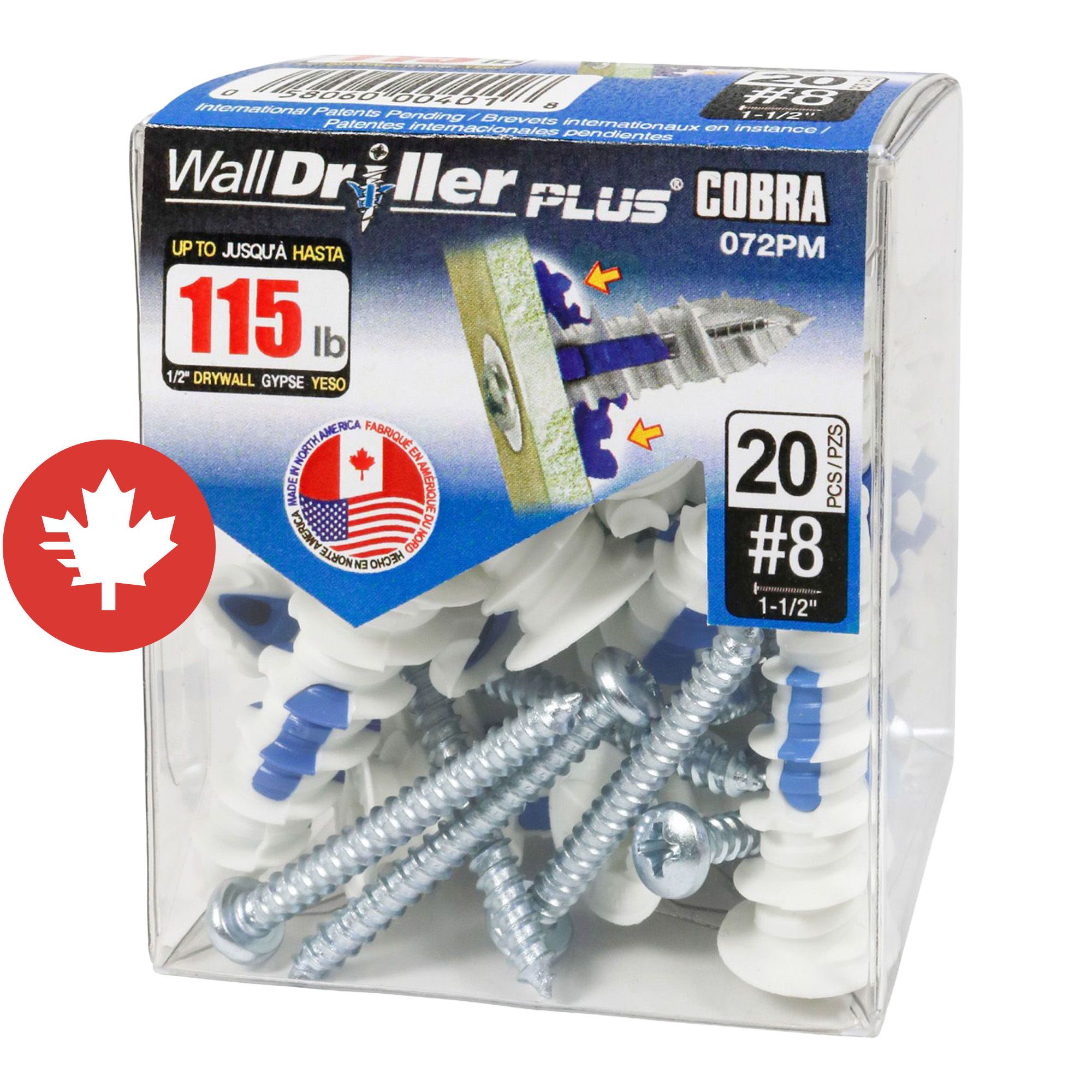
Are you struggling to hang something heavy on your wall without worrying it might fall? Choosing the right wall anchors and screws can make all the difference between a secure hold and a costly mess.
Whether you’re mounting shelves, pictures, or TV brackets, understanding how these small but mighty tools work will save you time, money, and frustration. You’ll discover exactly which wall anchors and screws fit your needs and how to use them like a pro.
Keep reading, and you’ll never second-guess your wall mounting again.
Types Of Wall Anchors
Wall anchors help hold screws tightly in walls. They stop screws from pulling out easily. Different anchors fit different wall types and loads.
Choosing the right anchor makes your mounting strong and safe. Here are common types of wall anchors and how they work.
Plastic Expansion Anchors
Plastic expansion anchors are simple and common. They are made of plastic and expand when a screw goes in.
They work well in drywall or light materials. The expansion grips the wall to hold the screw firmly.
- Easy to install
- Good for light loads
- Best for drywall and plaster
Toggle Bolts
Toggle bolts have spring-loaded wings that open inside the wall. They spread the load over a large area.
This makes toggle bolts strong in hollow walls. They hold heavy items like shelves or mirrors well.
- Strong load support
- Works in hollow walls
- Wings open behind the wall
Molly Bolts
Molly bolts are metal anchors that expand inside the wall. They create a strong hold for medium loads.
They are good for drywall and plaster. The bolt tightens to expand the sleeve behind the wall.
- Metal for strength
- Expandable sleeve inside wall
- Supports medium weight items
Self-drilling Anchors
Self-drilling anchors do not need a pre-drilled hole. They cut into drywall or thin materials as you screw them in.
They are quick to install and work well for light to medium loads. They save time in small projects.
- No drill hole needed
- Quick and easy installation
- Good for drywall and light materials
Concrete Anchors
Concrete anchors are strong and made for solid walls. They hold screws tightly in concrete or brick.
Types include wedge anchors and sleeve anchors. They expand inside the hole to grip hard surfaces firmly.
- Made for solid walls
- Strong and secure hold
- Used in concrete, brick, and stone

Credit: www.amazon.ca
Choosing The Right Screw
Picking the right screw is crucial for the stability of your project. Different factors influence which screw is best for your wall anchors.
Understanding the screw's material, thread type, length, and head style can help you make the best choice. Let's explore these elements.
Screw Materials
Screws come in various materials, each suited for different environments. Some materials resist rust, while others are stronger.
- Stainless Steel: Great for outdoor use, resists rust.
- Brass: Ideal for decorative projects, not very strong.
- Carbon Steel: Strong and durable, often used indoors.
Thread Types
The thread type of a screw affects how it grips the material. Different threads are needed for wood, metal, and plastic.
| Thread Type | Best For |
| Coarse | Wood |
| Fine | Metal |
| Self-tapping | Plastic |
Length And Diameter
The length and diameter of a screw determine how well it fits and holds. Longer screws are for deeper anchoring, while thicker screws provide more strength.
Screw Head Styles
Screw head styles affect the look and function of the screw. Some heads sit flush, while others protrude for easy removal.
Common head styles include flat, round, and pan. Choose based on the surface finish you desire.
Matching Anchors And Screws
Choosing the right anchor and screw is important for a secure hold. They must fit well together. This ensures safety and stability in your projects.
Different anchors need specific screws to work properly. Using the wrong screw can cause the anchor to fail or damage the wall.
Compatibility Factors
Anchors and screws must match in size and type. The diameter of the screw should fit the anchor's internal diameter. The length must be enough to hold the load.
- Check screw diameter matches anchor size
- Use screws designed for the anchor material
- Ensure screw length suits the wall thickness
- Avoid mixing materials that may corrode
Weight Capacity Considerations
Weight capacity depends on both anchor and screw strength. Using a strong anchor with a weak screw lowers holding power.
| Anchor Type | Recommended Screw Type | Maximum Weight |
| Plastic Expansion | Coarse Thread Screw | 20 lbs |
| Metal Toggle | Machine Screw | 100 lbs |
| Molly Bolt | Sheet Metal Screw | 50 lbs |
| Concrete Anchor | Hex Head Screw | 150 lbs |
Wall Material Impact
Wall material affects anchor and screw choice. Soft walls need different anchors than hard walls. The screw must hold well in the wall type.
Common wall materials and matching anchors:
- Drywall:Plastic anchors with coarse screws
- Concrete:Concrete anchors with heavy-duty screws
- Brick:Sleeve anchors with machine screws
- Wood:Wood screws without anchors

Credit: www.potvinbouchard.ca
Installation Techniques
Installing wall anchors and screws correctly ensures strong and safe support. Proper techniques help avoid damage to walls and fixtures.
Follow simple steps for drilling, setting anchors, and securing screws to get the best results.
Drilling Proper Holes
Choose the right drill bit size that matches the anchor diameter. Drill straight into the wall to avoid angled holes. Clean out dust from the hole for better anchor grip.
- Mark the spot clearly before drilling
- Use a drill with steady speed
- Keep the drill perpendicular to the wall
- Remove dust and debris from the hole
Setting Anchors Correctly
Insert the anchor gently into the hole until it is flush with the wall surface. Tap lightly with a hammer if needed. Avoid forcing the anchor as it may break or deform.
| Anchor Type | Insertion Tip |
| Plastic Expansion | Push and tap gently |
| Metal Sleeve | Tap to expand inside wall |
| Toggle Bolt | Fold wings before inserting |
Securing Screws Firmly
Choose screws that fit your anchors well. Turn screws slowly and stop when tight. Over-tightening can damage anchors and walls.
- Insert screw into anchor hole
- Turn screw clockwise with a screwdriver
- Stop when resistance increases firmly
- Check that fixture is secure and stable
Common Mistakes To Avoid
Using wall anchors and screws is easy if you know what to do. Many people make simple mistakes that cause problems later. Avoid these common errors to keep your walls strong and safe.
This guide covers three main mistakes: picking the wrong anchor, overtightening screws, and ignoring the wall type. Read carefully to learn how to fix each one.
Wrong Anchor Selection
Choosing the wrong anchor can cause your item to fall off the wall. Different walls need different anchors. Using a plastic anchor on drywall may not hold heavy weight.
- Use plastic anchors for light loads on drywall.
- Use metal anchors for heavy loads or plaster walls.
- For concrete or brick, use masonry anchors.
- Check the weight rating on the anchor package.
Overtightening Screws
Tightening screws too much can strip the anchor or damage the wall. This weakens the hold and can cause the anchor to fail.
- Stop turning the screw once it feels tight.
- Do not use power tools at high speed.
- Use a screwdriver for better control.
- Check the anchor and wall for cracks after tightening.
Ignoring Wall Material
Different walls need different types of anchors and screws. Ignoring this can cause poor support or wall damage. Learn which anchors fit your wall material.
| Wall Type | Recommended Anchor | Notes |
| Drywall | Plastic or toggle anchors | Light to medium weight items |
| Plaster | Metal anchors or molly bolts | Stronger hold needed |
| Concrete or brick | Masonry anchors or sleeve anchors | Drill holes with masonry bit |
| Tile | Plastic anchors with care | Drill slowly to avoid cracks |
Maintenance And Safety Tips
Wall anchors and screws hold things securely on walls. Proper maintenance keeps them safe and strong.
Checking and caring for your fixings helps prevent accidents and damage over time.
Regular Checks
Look at your wall anchors and screws often. Check if they are loose or rusty. Tighten or clean them as needed.
Early checks stop small problems from becoming big ones. This keeps items on the wall secure and safe.
- Inspect screws for rust or wear
- Make sure anchors are not loose
- Check walls for cracks around fixings
Replacing Damaged Fixings
Replace screws or anchors that look worn or broken. Damaged fixings can fail and cause items to fall.
Use the right size and type of replacement parts. This keeps the wall and your items safe from harm.
- Remove old, rusty screws carefully
- Choose anchors that fit your wall type
- Use screws with the right length and thickness
Load Limit Awareness
Know how much weight your anchors and screws can hold. Do not hang heavier items than recommended.
Overloading fixings can cause them to pull out or break. This is unsafe and can damage your walls.
- Check manufacturer load ratings
- Distribute weight evenly when possible
- Use stronger fixings for heavy items

Credit: www.amazon.ca
Frequently Asked Questions
What Are The Main Types Of Wall Anchors?
Wall anchors include plastic expansion, toggle bolts, molly bolts, and self-drilling anchors. Each type suits different wall materials and load requirements. Choosing the right anchor ensures secure mounting and prevents damage.
How Do I Choose The Right Screw For Anchors?
Select screws that match the anchor size and wall material. Proper screw length and thickness ensure a firm hold. Using incompatible screws can weaken the anchor’s grip and cause failure.
Can Wall Anchors Support Heavy Objects Safely?
Yes, specific heavy-duty anchors like toggle bolts support heavy loads. Always check the weight rating on packaging. Proper installation is crucial for safety and durability.
Are Wall Anchors Reusable After Removal?
Most wall anchors are not reusable once removed. Removing anchors may damage the wall or the anchor itself. It’s best to use new anchors for reinstallation to ensure strength.
Conclusion
Choosing the right wall anchors and screws makes all the difference. They hold items safely and keep walls strong. Using the correct type helps avoid damage and accidents. Always match the anchor to the wall material and weight. Simple steps lead to lasting results and peace of mind.
A little care goes a long way in any project. Now, you can hang with confidence and ease.

