

Are you struggling to hang heavy items on your walls without worrying they might fall? Using the right wall anchor can make all the difference.
Whether you want to mount shelves, pictures, or mirrors, knowing how to use a wall anchor correctly will keep your belongings secure and your walls damage-free. In this guide, you’ll discover simple, step-by-step tips that anyone can follow—no special tools or skills needed.
Keep reading, and you’ll soon feel confident tackling your next wall project like a pro.

Credit: www.amazon.ca
Types Of Wall Anchors
Wall anchors help you hang heavy items on walls safely. They hold screws in drywall, plaster, or hollow walls.
Different wall anchors work best for different wall types and weights. Here are common types you should know.
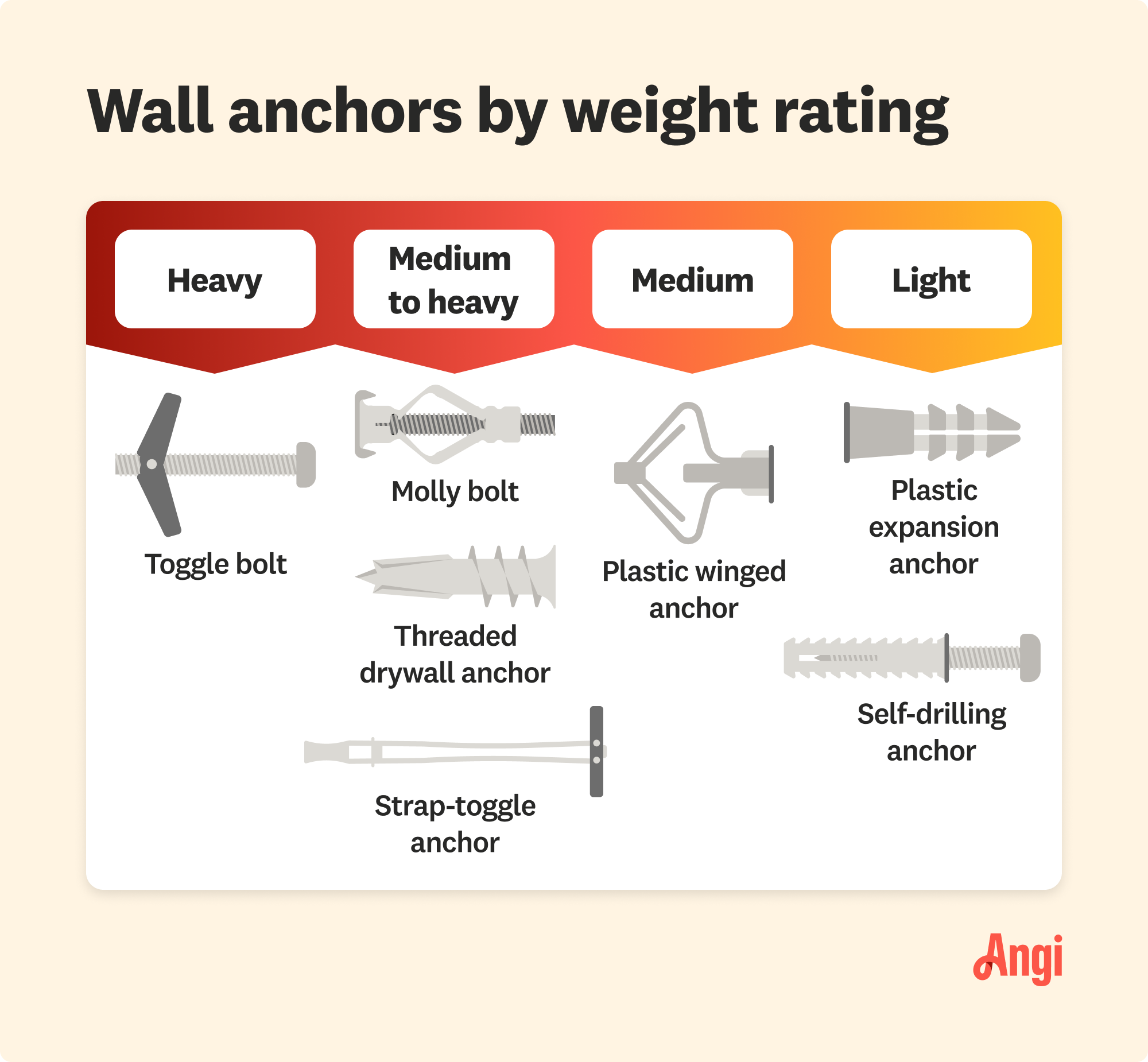
Plastic Expansion Anchors
Plastic expansion anchors are simple and affordable. They work well for light loads in drywall or masonry.
When you screw into the anchor, it expands and grips the wall tightly. They are easy to install with just a drill.
- Best for light to medium weight objects
- Common in drywall and concrete
- Require pre-drilling a hole
- Not ideal for heavy loads
Toggle Bolts
Toggle bolts have metal wings that open behind the wall. They spread the load over a large area.
They are strong and good for heavy items in hollow walls. You need to drill a hole big enough for the wings.
- Support heavy loads
- Work in hollow walls and ceilings
- Require large pre-drilled holes
- Wings close to insert and open inside wall
Molly Bolts
Molly bolts are metal anchors that expand inside the wall. They have a sleeve that grips the drywall firmly.
They hold medium to heavy objects well. Installation involves tightening a screw to expand the anchor.
- Good for medium to heavy loads
- Used in drywall and plaster walls
- Expandable metal sleeves for strong hold
- Can be removed and reused
Self-drilling Anchors
Self-drilling anchors cut their own hole as you screw them in. They need no pre-drilling in drywall.
They are quick to install and good for light to medium loads. Made from metal or plastic materials.
- Do not need a drill for installation
- Hold light to medium weight items
- Fast and easy to use
- Mostly used in drywall

Credit: www.amazon.ca
Choosing The Right Anchor
Choosing the correct wall anchor is important for safety. This guide helps you make the right choice.
Different factors affect the choice of wall anchors. These include wall material, load weight, and anchor size.
Assessing Wall Material
Walls come in various materials like drywall, concrete, or brick. Each requires a different type of anchor.
For drywall, use plastic anchors. For concrete or brick, use heavy-duty anchors.
- Drywall: Plastic anchors
- Concrete: Heavy-duty anchors
- Brick: Sleeve anchors
Considering Load Weight
Know the weight of the item you will hang. This helps in choosing a strong anchor.
Light items need simple anchors. Heavy items need stronger anchors.
- Light items: Simple plastic anchors
- Medium items: Toggle bolts
- Heavy items: Metal expansion anchors
Anchor Size And Length
Anchor size and length depend on wall thickness and item weight. Choose wisely for best results.
Short anchors are for thin walls. Long anchors are for thicker walls.
| Wall Thickness | Anchor Length |
| Thin Wall | Short Anchor |
| Thick Wall | Long Anchor |
Tools Needed For Installation
Using wall anchors requires some basic tools to make the installation strong and easy. Having the right tools helps you drill holes and secure anchors correctly.
Below are the main tools you will need for installing wall anchors. Each tool plays a specific role in the process.
Drill And Drill Bits
A drill is essential to make holes in the wall for the anchors. Choose a drill that is easy to handle and fits your workspace.
Drill bits come in different sizes. Pick the right size to match your wall anchor. Using the wrong size can cause the anchor to fail.
- Use a power drill for quick and clean holes
- Select a drill bit size recommended by the anchor instructions
- Use masonry bits for concrete or brick walls
Screwdriver Options
Screwdrivers help you drive screws into the wall anchors. You can use a manual or electric screwdriver.
Choose the right screwdriver head to fit your screws. The common types are flathead and Phillips.
- Manual screwdrivers give you control and precision
- Electric screwdrivers save time and effort
- Match screwdriver head with screw type
Measuring Tools
Measuring tools help you mark the exact spot for the wall anchor. Accurate measurements make your installation neat and secure.
Common measuring tools include tape measures, rulers, and levels. Use them to check distances and straightness.
- Tape measure to find distances easily
- Ruler for smaller, precise measurements
- Level to ensure anchors are straight
Step-by-step Installation Guide
Using a wall anchor helps secure screws in drywall or hollow walls. It keeps items firmly attached and prevents damage.
This guide shows you how to install a wall anchor safely and correctly in four clear steps.
Marking The Spot
First, decide where you want to place the anchor. Use a pencil to mark the exact spot on the wall.
Make sure the spot is free from wires or pipes inside the wall.
Drilling The Hole
Choose a drill bit that matches the size of the wall anchor. Drill a hole at the marked spot.
- Hold the drill steady and straight.
- Drill slowly to avoid cracking the wall.
- Clean out the dust from the hole after drilling.
Inserting The Anchor
Push the anchor into the hole until it is flush with the wall surface. Use a hammer gently if needed.
| Anchor Type | Insertion Tip |
|---|---|
| Plastic Expansion | Push and tap lightly with hammer |
| Toggle Bolt | Fold wings before inserting |
| Molly Bolt | Insert and tighten screw to expand |
Securing The Screw
Place the screw into the anchor and turn it clockwise. Tighten until it feels secure but avoid over-tightening.
- Use a screwdriver or drill with a proper bit.
- Stop when the screw head meets the surface.
- Check that the mounted item is stable.
Common Mistakes To Avoid
Using wall anchors is a simple way to hang heavy items safely. Still, many people make mistakes that cause problems.
Knowing what to avoid helps you use wall anchors the right way. This keeps your walls and items secure.
Using Wrong Anchor Type
There are many types of wall anchors. Each fits different wall materials and weights.
Using the wrong type makes the anchor weak. It may pull out and damage the wall.
- Plastic anchors are for light loads and drywall.
- Molly bolts work well in hollow walls for medium loads.
- Toggle bolts hold heavy items in drywall or hollow walls.
- Concrete anchors are for solid walls like brick or cement.
Overtightening Screws
Many people tighten screws too much. This can break the anchor or strip the hole.
When the anchor breaks, it loses grip. The screw may become loose and the item can fall.
- Stop tightening as soon as the screw feels firm.
- Do not force screws if they do not turn easily.
- Use a screwdriver with good control to avoid overtightening.
Ignoring Wall Condition
Not checking the wall before installing anchors causes problems. Old or damaged walls may not hold anchors well.
Look for cracks, holes, or soft spots. Avoid placing anchors on these areas to keep strong support.
- Inspect the wall surface before drilling.
- Repair any damage or choose a different spot.
- Use anchors made for your wall type.
Testing Anchor Strength
Testing the strength of a wall anchor ensures it will hold the intended weight. It helps avoid accidents and damage to walls.
Proper testing methods reveal if the anchor is secure before hanging heavy objects.
Weight Testing Methods
To test anchor strength, apply weight gradually. Start with light loads and increase slowly. This prevents sudden failure.
- Attach a hook or hanger to the anchor.
- Hang a small weight, such as 5 pounds (2.3 kg).
- Observe if the anchor stays firmly in place.
- Add more weight in 5-pound increments.
- Stop testing if the anchor shows any signs of slipping.
- Use a scale to measure the maximum weight held safely.
Signs Of Weak Anchors
Weak anchors can cause damage or injury. Watch for these signs to know if an anchor is failing.
| Sign | What It Means |
| Loose Anchor | Anchor moves or wiggles in the wall |
| Cracks in Wall | Wall material is breaking around the anchor |
| Anchor Pulling Out | Anchor begins to slide or come out |
| Weight Drop | Hanging item falls or shifts suddenly |
Removing Wall Anchors
Wall anchors hold screws tightly in drywall or plaster. Removing them carefully helps avoid damage. This guide shows how to take out anchors safely and fix any wall problems.
Use the right tools and methods to make removal easy. Follow the tips below to protect your walls during the process.
Safe Removal Techniques
Choose a method based on the anchor type. Some anchors pull out, others need to be pushed or twisted. Use pliers, screwdrivers, or drills as needed.
- Try to pull the anchor straight out with pliers.
- If it won’t budge, push it through the wall carefully.
- Use a screwdriver to unscrew anchors that twist out.
- Cut the anchor flush with the wall if removal is too hard.
- Avoid forcing the anchor to stop wall damage.
Repairing Wall Damage
Removing anchors may leave holes or rough spots. Fix these to prepare the wall for painting or new anchors.
| Damage Type | Repair Method | Materials Needed |
| Small hole | Fill with spackle | Spackle, putty knife, sandpaper |
| Large hole | Use patch and joint compound | Patch kit, joint compound, putty knife, sandpaper |
| Rough surface | Sand smooth | Sandpaper, primer |

Credit: www.youtube.com
Frequently Asked Questions
What Is The Purpose Of A Wall Anchor?
A wall anchor secures heavy items to drywall or hollow walls. It prevents damage and ensures stability. Anchors distribute weight evenly, supporting shelves, mirrors, or TVs safely.
How Do You Install A Wall Anchor Properly?
First, drill a hole matching the anchor size. Insert the anchor into the hole flush with the wall. Then, screw in the fastener to expand the anchor and secure it firmly.
Which Wall Anchor Type Is Best For Drywall?
Plastic expansion anchors work well for light loads. For heavier items, use toggle bolts or molly bolts. Choose based on weight and wall thickness for optimal support.
Can Wall Anchors Be Removed Without Damage?
Yes, carefully unscrew the fastener. For plastic anchors, gently pull or push them out. Some minor wall patching may be required to fix small holes.
Conclusion
Using wall anchors helps secure items safely on walls. Choose the right anchor for your wall type. Drill the hole carefully and insert the anchor firmly. Screw into the anchor to hold objects tightly. This simple method prevents damage and keeps items steady.
With practice, installation becomes quick and easy. Trust wall anchors for reliable support every time.

