

Are you sure your tools are as safe and reliable as they should be? Whether you’re a professional or a DIY enthusiast, proper maintenance isn’t just about performance—it’s about safety and saving money on costly repairs.
In this Tools Maintenance Safety & Guides resource, you’ll learn simple yet effective ways to care for your tools. These tips will help ensure they last longer, work better, and keep you safe while using them.
By the end, you’ll feel confident that your tools are in top condition and your workspace is safer than ever.
Ready to protect yourself and your equipment? Let’s dive in.

Credit: www.vevor.com
Importance Of Tool Maintenance
Tool maintenance is more than just a routine task—it’s an essential practice that ensures your tools remain safe, efficient, and long-lasting. Neglecting maintenance can lead to malfunction, accidents, and costly replacements. Taking a proactive approach not only saves money but also protects you and those around you from potential hazards.
Why Regular Maintenance Prevents Accidents
A poorly maintained tool is a ticking time bomb. Loose screws, dull edges, or frayed cords can easily lead to injuries. For instance, a dull blade requires more force to cut, increasing the likelihood of slipping and causing harm.
By inspecting your tools regularly, you can spot and fix small issues before they escalate. This simple habit can make all the difference in creating a safer working environment.
Extending The Life Of Your Tools
Think about how much you’ve invested in your tools. Proper maintenance ensures they last longer and perform at their best.
Cleaning tools after use, storing them in a dry place, and lubricating moving parts are straightforward steps that significantly extend their lifespan. Over time, these small efforts add up, saving you from frequent replacements.
Improving Efficiency And Performance
A well-maintained tool gets the job done faster and with less effort. Imagine using a screwdriver with a worn-out tip—it’s frustrating and wastes time.
Sharpening blades, tightening screws, and checking for alignment can make your tools work like new. This not only improves your productivity but also ensures the quality of your work remains high.
Protecting Your Warranty
Did you know neglecting maintenance could void your tool’s warranty? Manufacturers often include clauses requiring proper care to keep the warranty valid.
Follow the care instructions in the user manual to avoid unnecessary headaches. It’s a simple way to protect your investment and avoid out-of-pocket expenses for repairs.
How To Get Started With Tool Maintenance
- Create a maintenance schedule for your tools based on how frequently you use them.
- Keep a checklist to ensure you don’t overlook critical tasks like cleaning, sharpening, or checking electrical components.
- Invest in basic maintenance supplies like lubricants, cleaning cloths, and protective cases.
Start small—pick one tool today and give it a quick inspection. What issues can you spot? Taking just a few minutes can make a big difference in your safety and the tool's performance.
Credit: www.ccohs.ca
Common Hazards Of Poor Maintenance
Poor maintenance of tools leads to serious risks. These hazards affect safety, efficiency, and tool lifespan. Understanding common dangers helps prevent accidents and costly repairs.
Increased Risk Of Injury
Damaged or worn tools can slip or break suddenly. Workers may suffer cuts, bruises, or worse. Sharp edges become dull, causing more effort and mistakes.
Electrical Hazards
Faulty wiring or insulation increases the chance of shocks. Moisture or dirt in electrical parts worsens risks. Poorly maintained power tools can start fires or short circuits.
Decreased Tool Performance
Tools that lack regular care lose their precision. Work takes longer and results suffer. Overused parts wear out quickly, requiring replacements.
Unexpected Breakdowns
Ignoring signs of wear leads to sudden failures. Work stops abruptly, causing delays and extra costs. Emergency repairs often cost more than planned maintenance.
Environmental Hazards
Leaking oils or chemicals from tools pollute work areas. Improper disposal of worn parts harms the environment. Clean and maintain tools to reduce pollution risks.
Choosing The Right Tools
Choosing the right tools is more than just picking the most expensive or popular brand. It’s about matching the tool to the job and ensuring it supports your safety and efficiency. The right tool reduces risks and makes your work smoother.
Understanding The Task Requirements
Before selecting a tool, clearly define what you need to accomplish. Different tasks demand different tools, and using the wrong one can lead to accidents or poor results.
Ask yourself: Does this tool handle the materials I’m working with? Will it perform under the conditions I expect? For example, an electric drill designed for light home use won’t hold up on heavy construction sites.
Checking Tool Quality And Safety Features
Not all tools are built equally. Look for those with safety certifications or features like insulated handles, safety locks, or anti-slip grips.
Quality tools last longer and protect you better. I once used a low-quality wrench that slipped and caused a minor injury—something that could have been avoided with the right choice.
Considering Ergonomics And Comfort
You’ll work better and safer if the tool feels comfortable in your hand. Ergonomic design reduces strain and helps maintain control.
Try holding the tool before buying. Does it feel balanced? Is it too heavy for prolonged use? These small factors affect your safety more than you might think.
Evaluating Maintenance And Compatibility
Choose tools that are easy to maintain and compatible with your existing equipment. This keeps your workspace organized and prevents unexpected breakdowns.
Think about availability of replacement parts and how often the tool needs servicing. A well-maintained tool is a safe tool.
Budgeting Without Compromising Safety
It’s tempting to cut costs, but safety should never be sacrificed. Invest wisely in tools that offer durability and protection.
Consider the long-term savings from avoiding injuries and downtime. Sometimes spending a little more upfront saves you a lot later.

Credit: www.popularmechanics.com
Routine Inspection Practices
Routine inspection practices are essential for keeping tools safe and functional. Regular checks help prevent accidents, reduce downtime, and extend tool life. By identifying issues early, you can avoid costly repairs or replacements. A consistent inspection schedule ensures tools remain reliable and ready for use.
Inspect For Visible Damage
Examine tools for cracks, rust, or broken parts. Check handles, blades, and cords for wear. Replace or repair damaged components immediately to avoid accidents.
Check Moving Parts
Ensure moving parts operate smoothly without resistance. Lubricate hinges, gears, or joints if needed. Tighten loose screws or bolts to maintain stability.
Test Electrical Components
Inspect cords for fraying or exposed wires. Test power buttons and switches for proper functioning. Avoid using tools with faulty electrical parts.
Verify Calibration And Accuracy
Check tools like levels, gauges, or measuring devices for accuracy. Recalibrate them if measurements are off to ensure precision in tasks.
Clean Tools Regularly
Remove dust, dirt, or debris from tools after use. Use a soft brush or cloth to clean hard-to-reach areas. Proper cleaning prevents buildup that can affect performance.
Review Manufacturer Guidelines
Refer to the tool manual for specific maintenance instructions. Follow the recommended inspection frequency and practices for best results. Manufacturer guidelines ensure correct handling and longevity.
Maintain A Record
Keep a log of inspection dates and findings. Document repairs or replacements done on tools. A record helps track maintenance and ensures consistency.
Cleaning And Storage Tips
Keeping your tools clean and stored properly is key to ensuring they last longer and perform better. Neglecting this simple habit can lead to rust, dullness, or even safety hazards. Let’s dive into practical tips that help you maintain your tools effortlessly.
Cleaning Your Tools After Use
Always wipe down your tools immediately after using them. Dirt, grease, and moisture left on the surface can cause damage over time.
Use a dry cloth to remove dust and debris, then apply a light coat of oil to metal parts to prevent rust. For stubborn grime, a gentle brush or mild soap solution works well. Have you noticed how a little cleaning makes your tools feel almost new again?
Choosing The Right Storage Spot
Store tools in a dry, cool place away from direct sunlight. Humidity is the enemy of metal tools, so avoid damp basements or unventilated garages.
Consider using pegboards, toolboxes, or wall-mounted racks to keep tools organized and accessible. This not only protects them but also saves you time searching for the right tool when you need it.
Protecting Sharp Edges And Moving Parts
Sharp tools like knives or saw blades should be covered or sheathed before storage. This protects both you and the tool from accidental damage.
For tools with moving parts, such as pliers or wrenches, apply lubricant regularly to keep them functioning smoothly. Do you find lubricating tools helps reduce frustration during your projects?
Regular Inspection And Maintenance Schedule
Set aside time monthly to inspect your tools for wear or damage. Catching issues early can save you money and prevent accidents.
Keep a checklist or reminder to clean, oil, and sharpen tools as needed. This habit turns maintenance into a routine rather than a chore.
Safety Measures For Power Tools
Power tools make your work faster and easier, but they can be dangerous if you don’t handle them carefully. Safety measures are essential to prevent accidents and injuries. Understanding how to use and maintain your power tools safely protects you and those around you.
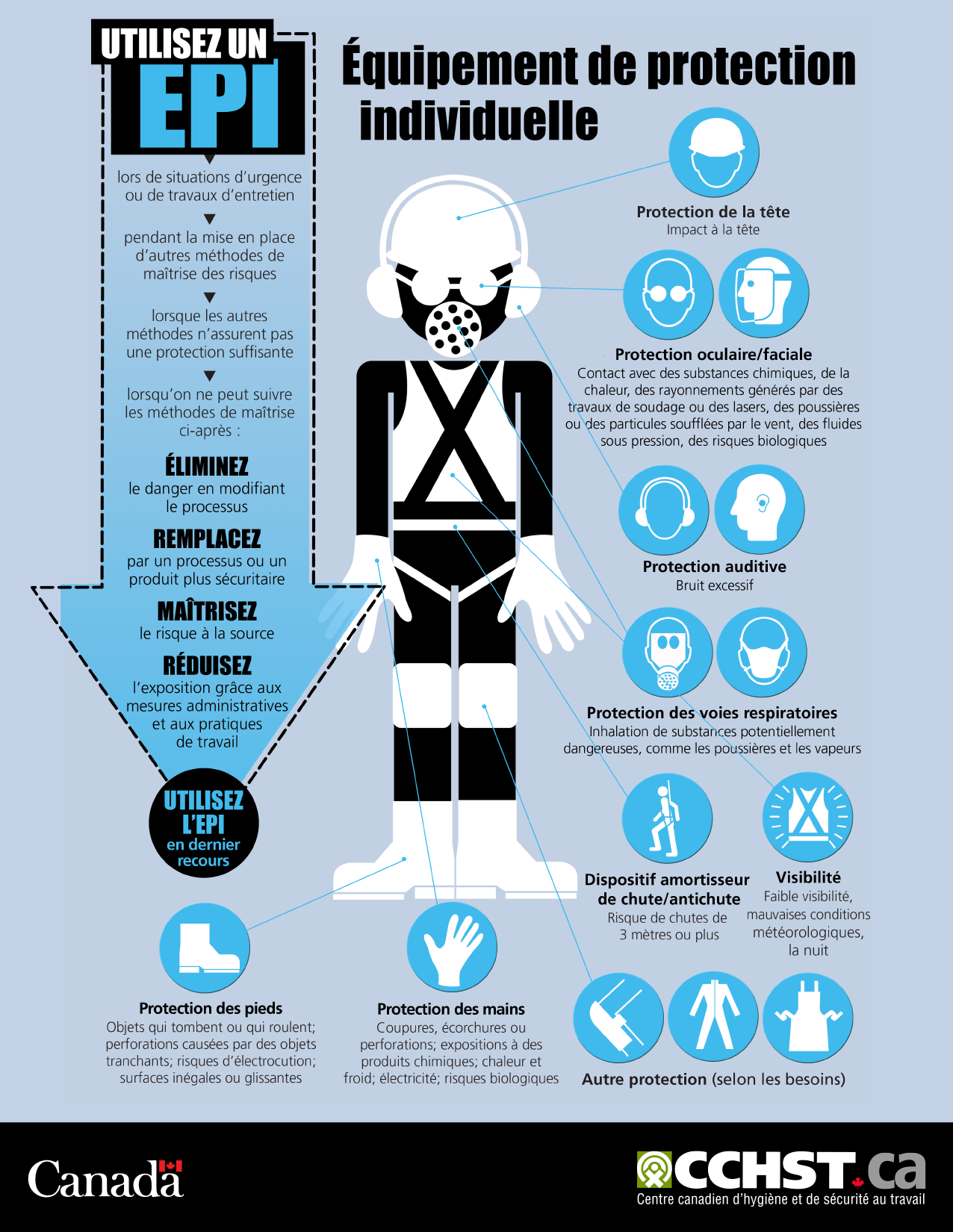
Wear Appropriate Personal Protective Equipment (ppe)
Always put on safety glasses or goggles to protect your eyes from flying debris. Hearing protection, like earplugs or earmuffs, is crucial when working with loud power tools. Don’t forget gloves to shield your hands from cuts and vibrations, but make sure they fit well to avoid getting caught in moving parts.
Inspect Tools Before Use
Check your power tools for any damage or defects before you start working. Look for frayed cords, loose parts, or cracks in the casing. Using a faulty tool can cause electrical shocks or mechanical failure, leading to serious injuries.
Keep Your Workspace Clean And Organized
A cluttered workspace increases the risk of accidents. Remove unnecessary items from your work area to avoid tripping or knocking tools over. Good lighting also helps you see what you’re doing and prevents mistakes.
Use Tools Only For Their Intended Purpose
Each power tool is designed for specific tasks. Using them for the wrong job can damage the tool and put you in danger. For example, don’t use a drill as a screwdriver unless it’s designed for both functions.
Maintain A Firm Grip And Proper Posture
Hold your power tools firmly with both hands to maintain control. Keep your body balanced and avoid awkward positions that could cause slips or falls. Have you noticed how quickly fatigue sets in when you’re off balance? Staying steady reduces accidents.
Disconnect Power Before Adjusting Or Cleaning
Always unplug your power tools before changing bits, blades, or cleaning. This prevents accidental starts that could injure your fingers or hands. It’s a simple step but one that many overlook, leading to avoidable accidents.
Store Tools Safely After Use
Keep your power tools in a secure place, away from children and pets. Store them in their cases or on shelves to prevent damage and accidental starts. Proper storage also extends the life of your tools.
Protective Equipment Essentials
Protective equipment is the backbone of safe tool maintenance. Without the right gear, even a simple task can lead to injury. Understanding what to wear and why can keep you safe and confident while handling tools.
Eye Protection
Your eyes are vulnerable when working with tools that produce sparks, dust, or flying debris. Safety goggles or face shields create a barrier that prevents particles from causing damage.
Choose eyewear that fits well and meets safety standards like ANSI Z87.1. Have you ever experienced a small particle hit your eye? That quick moment is enough to change your perspective on the importance of protection.
Hand Protection
Gloves shield your hands from cuts, abrasions, and chemical exposure. The type of glove you use depends on the tool and material you’re working with.
- Leather gloves for handling rough or sharp objects
- Rubber gloves for electrical work or chemical handling
- Cut-resistant gloves for sharp tools or blades
Wearing the right gloves not only protects but improves your grip and control. Think about the last time your hands slipped on a tool—could gloves have prevented that?
Hearing Protection
Power tools can produce noise levels that damage your hearing over time. Earplugs or earmuffs reduce sound intensity, helping you avoid long-term hearing loss.
Don’t underestimate noise exposure during short tasks. Consistent use of hearing protection preserves your ability to enjoy sounds that matter, like conversations or music.
Respiratory Protection
Dust, fumes, and chemicals released during tool maintenance can harm your lungs. Masks or respirators filter out harmful particles and vapors.
Select respiratory gear based on the specific hazards you face. Have you checked if your mask fits properly? A poor fit defeats its purpose and leaves you exposed.
Proper Clothing
Wear clothing that covers your skin and fits snugly to prevent getting caught in moving parts. Avoid loose sleeves, jewelry, or scarves.
Durable fabrics like denim or canvas offer extra protection against sparks and sharp edges. What do you normally wear when working with tools, and does it protect you enough?
Training For Safe Tool Usage
Training for safe tool usage is essential to protect yourself and others around you. Without proper knowledge, even a simple tool can cause serious injury. Investing time in learning how to handle and maintain your tools correctly will boost your confidence and efficiency.
Understanding Tool Functions And Risks
Before you start using any tool, take time to learn what it does and the risks involved. Each tool has unique safety features and potential hazards. Knowing these can help you avoid common mistakes that lead to accidents.
Have you ever picked up a tool without reading the manual? It’s easy to underestimate the dangers until something goes wrong. Don’t let that happen to you.
Hands-on Practice With Supervision
Reading about safe tool use is important, but nothing beats hands-on practice. Try using your tools under supervision until you feel confident. This approach helps you learn how to control the tool and react safely in unexpected situations.
During my early days with power tools, supervised practice saved me from costly errors. It made me aware of the tool’s power and taught me to respect it. You can build the same kind of respect through guided experience.
Regular Safety Refresher Sessions
Safety training isn’t a one-time event. Regular refreshers keep your skills sharp and remind you of essential precautions. Safety procedures can change, and staying updated ensures you don’t slip into unsafe habits.
Set a schedule for safety reviews, whether monthly or quarterly. This small step can prevent many accidents before they happen.
Using Personal Protective Equipment (PPE) Correctly
Training should always include the proper use of PPE. Wearing goggles, gloves, or ear protection is not optional—it’s necessary. Knowing when and how to use PPE can save your hearing, eyesight, and skin from damage.
- Learn which PPE matches each tool.
- Practice putting on and removing PPE quickly and properly.
- Check PPE regularly for wear and tear.
Emergency Procedures And First Aid Knowledge
Accidents can happen even when you’re careful. Knowing how to respond quickly can reduce injury severity. Your training should cover basic first aid and what to do in an emergency related to tool use.
Have you ever thought about what you would do if a tool slipped and caused a cut? Preparing in advance makes you ready to act calmly and effectively.
Emergency Response Guidelines
Emergencies can happen when you least expect them, especially during tools maintenance. Whether it's a sudden injury or a dangerous equipment malfunction, knowing how to respond quickly and safely can make all the difference. This section will provide clear, actionable steps to ensure you're prepared to handle emergencies efficiently and protect yourself and others.
How To Identify an Emergency Situation
Recognizing an emergency is the first step to responding effectively. Pay attention to warning signs like unusual noises, sparks, or equipment overheating. If someone is injured, assess the severity—are they bleeding, unconscious, or in visible distress?
Stay calm and act decisively. Your ability to think clearly in these moments can prevent further harm and save lives.
Steps To Secure the Area
Before addressing the emergency, secure the area to prevent additional accidents. Shut off power sources or deactivate equipment if it’s safe to do so. Make sure others are aware of the situation and keep them at a safe distance.
A well-secured area minimizes risks and allows you to focus on resolving the issue without distractions.
Using First Aid Kits Effectively
First aid kits should always be accessible during tool maintenance tasks. Familiarize yourself with their contents—bandages, antiseptics, gloves, and more. This knowledge allows you to act quickly in case of injuries.
For example, if someone suffers a cut, clean the wound with antiseptic and cover it with a sterile bandage. Always wear gloves to protect both yourself and the injured person.
Contacting Emergency Services
If the situation is beyond your control, don’t hesitate to contact emergency services. Dial your local emergency number and provide clear information about the incident, location, and injuries.
Make sure someone is designated to wait for emergency responders and guide them to the affected area. Time is critical, and clear communication can speed up the assistance process.
Reviewing Emergency Response Plans
Are you familiar with your workplace or home emergency response plan? Take time to review it regularly. These plans outline evacuation routes, designated meeting points, and key contacts during emergencies.
If you don’t have a plan, create one. Include steps for various scenarios, like fires, tool malfunctions, or injuries, to ensure everyone knows what to do.
Frequently Asked Questions
What Are the Best Practices for Tool Maintenance Safety?
Regularly inspect tools for damage and wear. Clean and lubricate moving parts. Store tools properly to avoid accidents. Always use protective gear when handling tools. Follow manufacturer guidelines for maintenance schedules and procedures.
How Often Should Tools Be Maintained for Safety?
Tool maintenance depends on usage frequency and type. Generally, inspect tools before each use. Perform thorough maintenance monthly or quarterly. Replace worn or damaged parts immediately. Regular upkeep extends tool life and ensures user safety.
What Safety Gear Is Essential During Tool Maintenance?
Wear safety goggles to protect eyes from debris. Use gloves to avoid cuts and burns. Consider ear protection when working with loud tools. Wear dust masks if sanding or grinding. Always prioritize personal protective equipment during maintenance.
How Can Improper Tool Maintenance Lead To Accidents?
Neglected tools can malfunction, causing injuries. Worn parts may break under stress. Dirty tools reduce efficiency and control. Improper storage increases fall or trip hazards. Consistent maintenance minimizes risks and ensures safe operation.
Conclusion
Safe tool use starts with regular checks and cleaning. Keep blades sharp and handles strong. Store tools properly to avoid damage. Follow guides to learn correct handling steps. Small efforts prevent big accidents. Stay alert and respect tool limits. Protect yourself with gloves and goggles.
Good habits save time and money. Trust your tools by caring for them well. Safety and maintenance go hand in hand. Keep these tips in mind every day.

