

Is your door creaking, sticking, or not closing properly? These common problems often come down to one thing: a faulty door hinge.
If you ignore it, the damage can get worse, making your door harder to use and even causing costly repairs. But don’t worry—you don’t have to call a professional right away. With a few simple steps, you can fix your door hinge yourself and bring smooth movement back to your door.
Keep reading to discover easy, practical tips that will save your door and your peace of mind.
Common Causes Of Squeaky Hinges
Squeaky door hinges can be annoying and distracting. They often mean the hinge needs attention or repair.
Understanding why hinges squeak helps you fix the problem quickly and keep doors working smoothly.
Lack Of Lubrication
Hinges need lubrication to move quietly. Without it, metal parts rub and make noise.
Dry hinges squeak because there is no oil or grease to reduce friction between parts.
Rust And Corrosion
Rust builds up when hinges are exposed to moisture. It causes rough movement and squeaking.
Corrosion wears down hinge parts and makes them harder to move smoothly.
Loose Or Worn Hinges
Hinges can become loose or worn from frequent use. This causes misalignment and noise.
Worn pins or loose screws let parts shift and rub, creating squeaks when the door moves.
Dirt And Debris Build-up
Dirt and dust can get inside hinges and block smooth movement. This causes noise when the door opens.
Cleaning hinges regularly helps keep them free of grime and stops squeaks from dirt buildup.
Poor Installation
Hinges that are not installed correctly can create pressure and friction points. This leads to squeaking.
Proper alignment and tightening of screws reduce noise and improve door movement.

Credit: www.amazon.ca
Essential Tools And Materials
Fixing a door hinge requires the right tools and materials. Using proper items makes the repair easier and lasts longer.
This guide lists the key tools and materials you need for door hinge repair. Having them ready saves time and effort.
Screwdriver
A screwdriver is needed to remove and tighten screws on the hinge. Choose the right type based on the screw head.
Common types include flathead and Phillips screwdrivers. A magnetic tip helps hold screws in place.
- Flathead screwdriver for straight slot screws
- Phillips screwdriver for cross-shaped screws
- Magnetic tip for easier screw handling
Replacement Screws
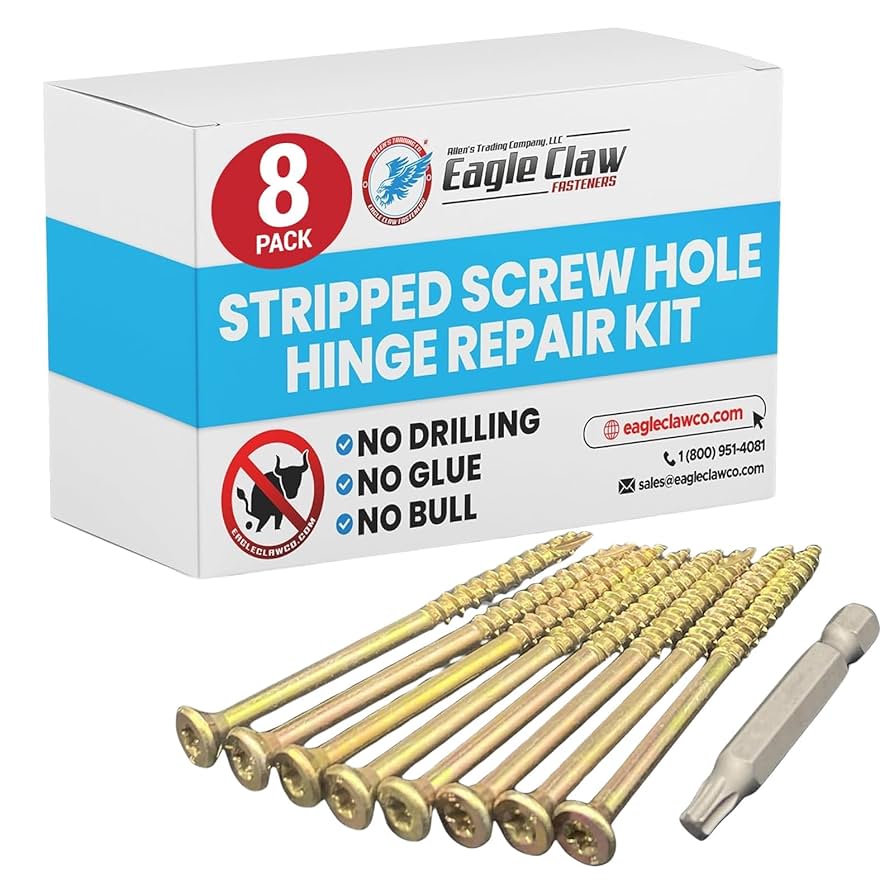
Old screws can get worn or stripped. Using new screws ensures a tight and secure fit for the hinge.
Buy screws that match the size and type of the original ones. Wood screws are common for door hinges.
- Check screw length and thickness
- Use rust-resistant screws for durability
- Wood screws are best for wooden doors
Wood Filler Or Toothpicks
Loose screws often mean the hole is damaged. Fill the hole with wood filler or toothpicks to tighten it again.
Let the filler dry fully before inserting screws. This fixes stripped holes and holds screws firmly.
- Use wood filler for larger holes
- Toothpicks work well for small holes
- Trim excess material before screwing
Hammer
A hammer helps tap in pins or nails and adjust the hinge position. Use it carefully to avoid damage.
Choose a hammer with a smooth face to prevent marks. A small claw hammer is ideal for this task.
- Use for tapping hinge pins back in place
- Adjust door alignment gently
- Avoid heavy force to protect wood
Lubricant
Lubricant helps hinges move smoothly and stops squeaking. Apply it after tightening screws and fixing the hinge.
Use a light oil or silicone spray. Wipe off extra to keep the area clean.
- Reduces friction and noise
- Protects metal from rust
- Easy to apply with spray or dropper
Quick Lubrication Techniques
Door hinges can squeak and stick if not lubricated well. Quick lubrication can fix this issue fast. It helps doors open and close smoothly.
Using the right lubricant makes the job easier. You can use common oils from home or buy special lubricants for better results.
Using Household Oils
Household oils like cooking oil or olive oil can help stop hinge squeaks. They are easy to find and safe to use on most hinges.
Apply a small amount to the hinge pin and move the door back and forth. This spreads the oil and reduces friction quickly.
- Use a dropper or cloth for easy application
- Wipe off extra oil to avoid drips
- Repeat if hinge still squeaks after a day
Specialized Lubricants
Special lubricants like silicone spray or WD-40 are made to protect metal parts. They last longer and work better on rusty or old hinges.
Spray the lubricant directly on the hinge pin. Move the door several times to spread the lubricant inside the hinge smoothly.
- Choose lubricants labeled for door hinges
- Wear gloves to protect your hands
- Store lubricants in a cool, dry place
Tightening Loose Hinges
Loose door hinges cause doors to sag or make noise. Fixing them helps your door work smoothly.
Tightening hinges is an easy repair anyone can do with simple tools.
Proper Screw Tightening
Check each screw on the hinge. Tighten screws firmly but do not strip them.
- Use a screwdriver that fits the screw head well.
- Turn screws clockwise until snug.
- Avoid over-tightening to prevent damage.
- Test the door after tightening to see if it swings properly.
Replacing Worn Screws
Old screws may be stripped or too short. Replacing them can secure the hinge better.
| Issue | Solution | Tip |
| Stripped screw holes | Use longer screws or fill holes with wood filler first | Choose screws at least 1 inch longer |
| Rusty or bent screws | Replace with new stainless steel screws | Match screw size to original |
| Loose screws in soft wood | Use wood glue with toothpicks to fill hole, then reinsert screw | Allow glue to dry fully before tightening |
Removing Rust And Corrosion
Rust and corrosion can damage door hinges and make them hard to move. Cleaning these parts helps your doors work smoothly again.
This guide shows easy ways to clean rust and how to stop it from coming back.
Cleaning Methods
Start by removing loose rust with a wire brush. Use sandpaper for tough spots. Then, clean the hinge with a mixture of vinegar and water.
- Remove the hinge from the door if possible.
- Scrub rust with a wire brush or sandpaper.
- Soak the hinge in white vinegar for 30 minutes.
- Rinse with water and dry completely.
- Apply lubricant to the hinge before reinstalling.
Preventive Measures
Prevent rust by keeping hinges dry and well-lubricated. Use rust-resistant paint or spray to protect metal surfaces.
| Preventive Action | How It Helps |
| Regular lubrication | Keeps metal moving smoothly |
| Rust-resistant spray | Blocks moisture from metal |
| Keep hinges dry | Prevents rust from forming |
| Check hinges monthly | Find rust early for quick cleaning |

Credit: www.amazon.ca
Aligning Misaligned Hinges
Door hinges can become misaligned over time. This causes the door to stick or not close properly.
Fixing hinge alignment improves how smoothly the door moves. It also prevents damage to the door frame.
Adjusting The Door
Start by loosening the hinge screws slightly. This lets you move the door to the right position.
Lift or shift the door until it sits evenly in the frame. Then tighten the screws firmly to hold it.
- Check for gaps between the door and frame
- Adjust the door up or down as needed
- Tighten screws after alignment
Shimming Techniques
Use thin pieces of wood or plastic called shims to fix hinge gaps. Shims help align the door better.
Place shims behind the hinge plates if the door is uneven. Add or remove shims until the door fits well.
- Remove hinge screws carefully
- Insert shims behind the hinge plate
- Reattach screws and test door movement
- Repeat if needed for better alignment
Replacing Damaged Hinges
Door hinges can wear out or get damaged over time. Replacing them keeps your door working well. It also stops noise and sagging.
This guide helps you pick the right hinge and install it properly. Follow the tips to do the repair safely and correctly.
Choosing The Right Replacement
Match the new hinge to the old one for size and style. Check the material and weight it can hold. This ensures the door stays secure.
| Hinge Type | Use For | Material | Weight Capacity |
| Butt Hinge | Most doors | Steel or Brass | Up to 100 lbs |
| Piano Hinge | Long doors or lids | Steel | Varies by length |
| Ball Bearing Hinge | Heavy doors | Steel | Over 100 lbs |
| Strap Hinge | Gates and barn doors | Iron or Steel | Heavy loads |
Installation Tips
- Remove the old hinge carefully with a screwdriver.
- Clean the door and frame surfaces.
- Align the new hinge with existing holes or mark new spots.
- Pre-drill holes to avoid wood splitting.
- Screw in the new hinge tightly but do not over-tighten.
- Test the door swing to make sure it moves smoothly.
- Adjust screws if the door does not close properly.

Credit: www.ebay.ca
Preventive Maintenance Tips
Door hinges help your doors open and close smoothly. Keeping them in good shape saves you time and money. Regular checks stop problems before they start.
Follow these tips to keep your door hinges working well for a long time. A little care goes a long way in preventing wear and damage.
Clean Hinges Regularly
Dirt and dust can build up in hinges and cause them to stick or squeak. Wipe them with a damp cloth every few months. Use a soft brush to reach tight spaces.
Lubricate Hinges
Oiling your door hinges helps reduce friction and noise. Use a light machine oil or silicone spray. Apply a small amount and open the door several times to spread it evenly.
- Clean the hinge surface before oiling
- Avoid using heavy grease that attracts dirt
- Oil hinges twice a year for best results
- Use a cloth to wipe off excess oil
Tighten Loose Screws
Loose screws can cause the door to sag and damage the hinges. Check screws every few months and tighten them with a screwdriver. Replace any stripped screws with new ones of the same size.
Inspect For Rust And Damage
Rust weakens hinges and makes them hard to move. Look for rust spots or bent parts regularly. Clean small rust areas with steel wool and apply rust-resistant paint. Replace badly damaged hinges.
| Problem | Cause | Solution |
| Squeaky hinge | Dry hinge | Lubricate with oil |
| Door sagging | Loose screws | Tighten or replace screws |
| Stiff door | Dirt buildup | Clean hinge and lubricate |
| Rusty hinge | Moisture exposure | Remove rust and paint or replace hinge |
Frequently Asked Questions
How Do I Know If My Door Hinge Needs Repair?
Signs include squeaking, sticking, loose screws, or door misalignment. These issues affect door function and indicate hinge wear or damage.
Can I Repair Door Hinges Myself Easily?
Yes, many hinge repairs are simple. Tighten screws, lubricate hinges, or replace pins to fix common problems effectively.
What Tools Are Needed For Door Hinge Repair?
Basic tools include a screwdriver, hammer, lubricant, and replacement screws or hinge pins. These help fix most hinge issues quickly.
How Long Does Door Hinge Repair Usually Take?
Most repairs take 15 to 30 minutes. Time varies based on damage severity and whether parts need replacement.
Conclusion
Fixing a door hinge can save time and money. Small repairs stop bigger problems later. Tighten screws and clean the parts often. A smooth door feels good every day. Keep an eye on squeaks and wobbles. Simple care helps your door work well.
Don’t wait for damage to grow. Try these easy steps for lasting results. Your door will stay strong and quiet. A little effort goes a long way.

