

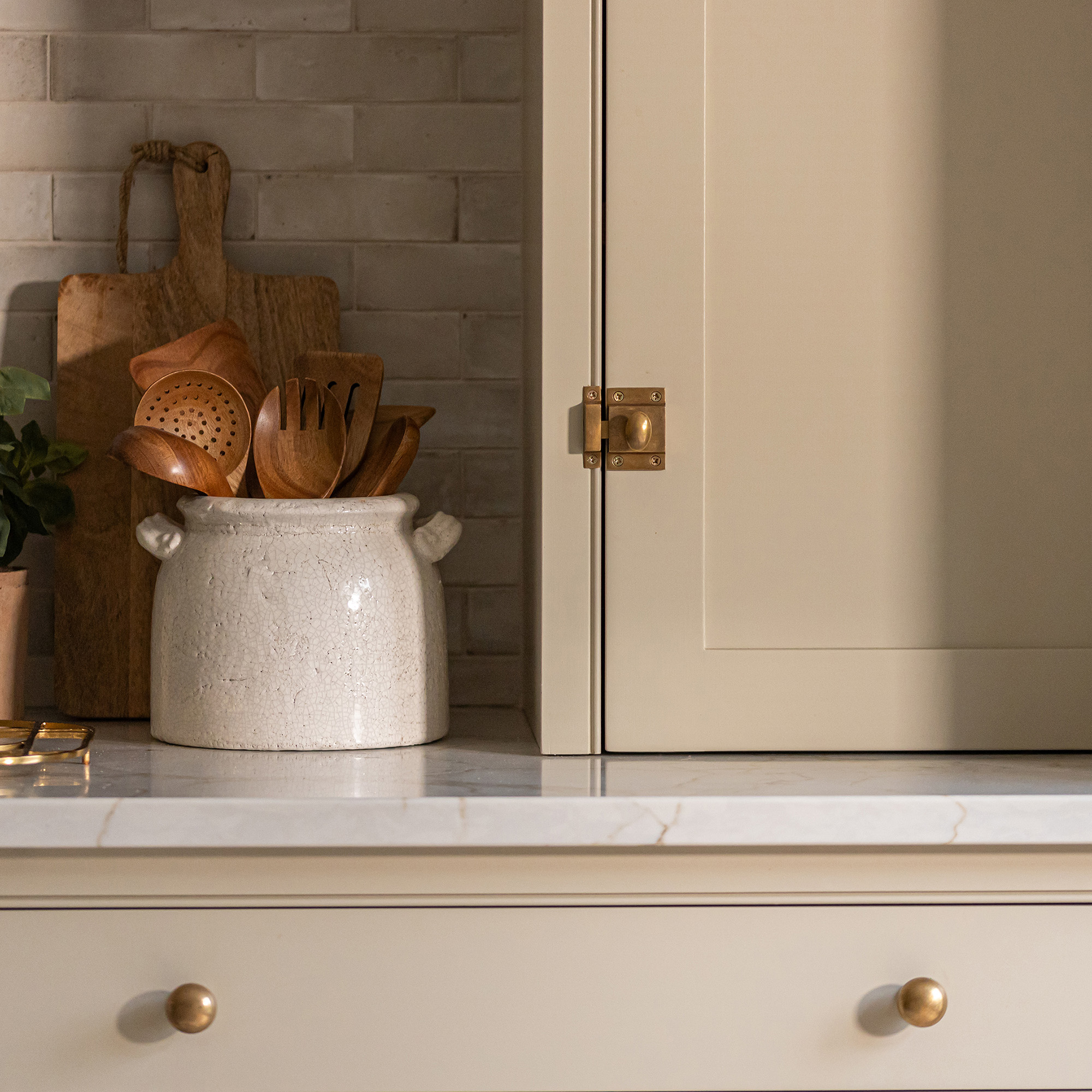
Are your brass cabinet handles looking dull or tarnished? You might think cleaning them is tricky or time-consuming, but it doesn’t have to be.
Imagine your cabinets shining like new, adding a fresh and elegant touch to your space. In this guide, you’ll discover simple, effective ways to restore that bright, warm glow to your brass handles. Keep reading, and you’ll learn easy steps that anyone can follow to make your cabinets look stunning again.
Your home deserves that little extra shine—let’s get started!

Credit: www.handles4homes.co.uk
Tools And Materials Needed
Cleaning brass cabinet handles is easy when you have the right tools. These tools help you remove dirt and shine the brass.
Gather all materials before starting to clean. This saves time and makes the process smooth.
Soft Cloths
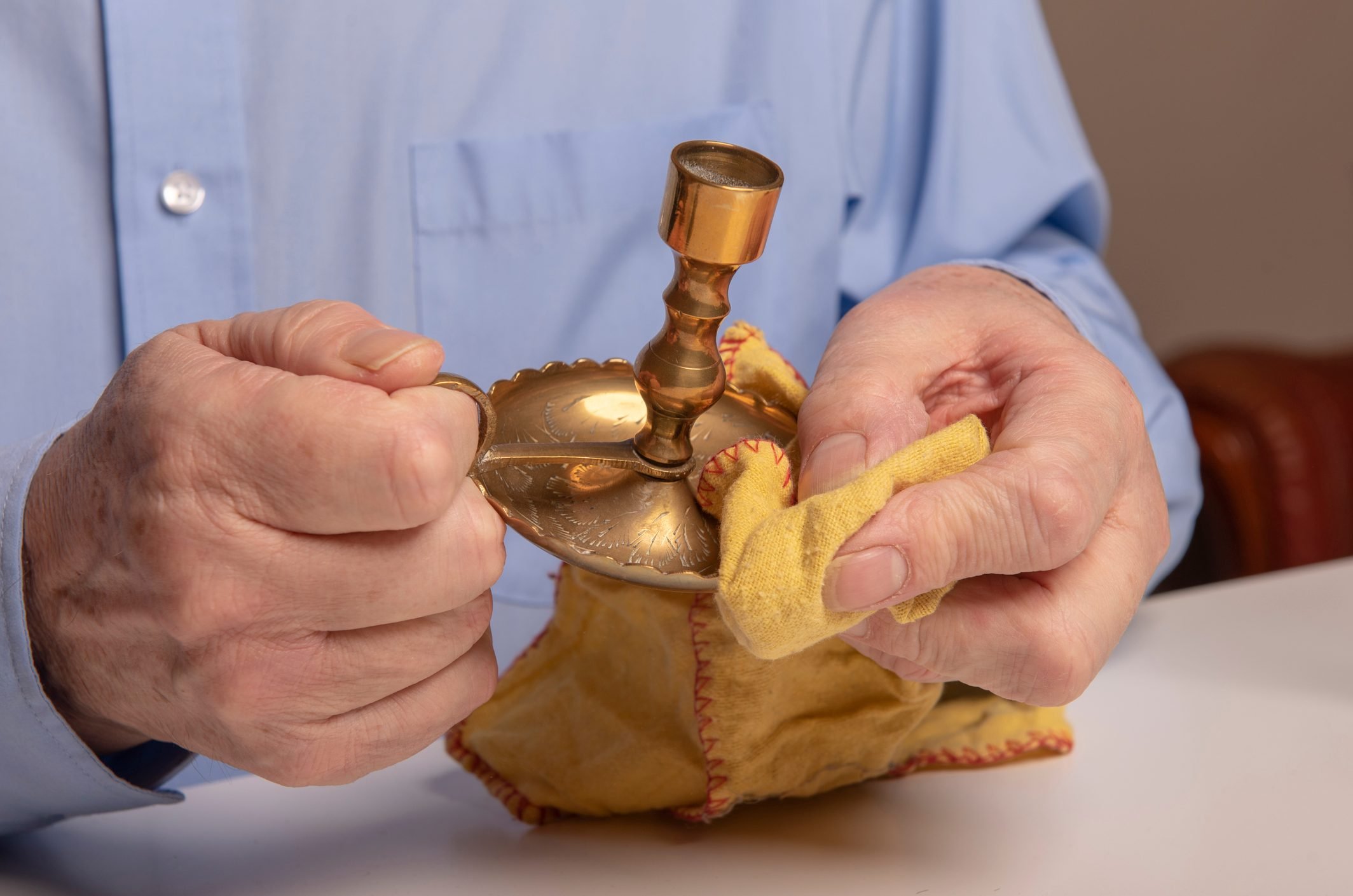
Use soft cloths to avoid scratching the brass. Microfiber or cotton cloths work best for cleaning and polishing.
Have at least two cloths: one for cleaning and one for drying or polishing.
Mild Dish Soap
Mild dish soap helps remove grease and dirt from the handles. It is gentle and safe for brass surfaces.
Mix it with warm water to create a cleaning solution.
White Vinegar
White vinegar acts as a natural cleaner for brass. It helps remove tarnish and stains.
Use it diluted with water to protect the finish of the handles.
Baking Soda
Baking soda is a gentle abrasive cleaner. It works well with vinegar to clean brass handles.
Make a paste with water for scrubbing tough spots.
Old Toothbrush
An old toothbrush helps clean small crevices and detailed areas on the handles. It reaches spots cloths cannot.
Use soft bristles to avoid scratching the brass.
Gloves
Wear gloves to protect your hands from cleaning solutions. Gloves also keep the handles free from oils and fingerprints.
Choose rubber or latex gloves for easy cleaning.
Credit: www.familyhandyman.com
Preparing The Handles
Cleaning brass cabinet handles starts with proper preparation. This helps protect both the handles and the cabinet surface.
Taking time to prepare the handles ensures a better cleaning result. It also prevents damage during the process.
Removing Handles Safely
Removing the handles carefully makes cleaning easier. It also stops scratches on the cabinet doors.
- Use a screwdriver that fits the screws well.
- Turn screws slowly to avoid stripping them.
- Keep all screws in a small container to avoid losing them.
- Lift handles gently once screws are removed.
- Place handles on a soft cloth to prevent scratches.
Dusting And Wiping
Before cleaning, remove dust and loose dirt from handles. This step prevents grime from spreading during cleaning.
| Tool | Purpose |
|---|---|
| Soft brush | Remove dust from grooves and corners |
| Microfiber cloth | Wipe away surface dirt gently |
| Warm water | Moisten cloth for better cleaning without damage |
Homemade Cleaning Solutions
Brass cabinet handles can lose their shine over time. You can clean them with simple items found at home. These methods are safe and easy to try.
Below are some homemade cleaning solutions that work well on brass. They help remove dirt and restore the metal's bright look.
Lemon And Baking Soda Paste
This paste uses natural ingredients that gently clean brass. Lemon's acidity breaks down tarnish, while baking soda acts as a mild scrub.
- Cut a lemon in half and squeeze out the juice.
- Mix lemon juice with baking soda to form a thick paste.
- Apply the paste to the brass handles using a soft cloth.
- Let it sit for 5 to 10 minutes for best results.
- Rinse with warm water and dry with a clean towel.
Vinegar And Salt Mixture
Vinegar is acidic and helps dissolve grime. Salt acts as a gentle abrasive to lift dirt from the surface.
| Ingredient | Amount | Use |
| White vinegar | 1/2 cup | Breaks down tarnish |
| Salt | 1 teaspoon | Scrubs surface gently |
| Flour | 1/2 cup | Forms thick paste |
Mix vinegar and salt well. Add flour and stir to make a paste. Spread the paste on the handles and leave for 30 minutes. Then rinse and dry.
Commercial Brass Cleaners
Commercial cleaners are made specifically for brass. They often work faster but contain chemicals. Use them carefully and follow instructions.
- Wear gloves to protect your skin.
- Apply cleaner with a soft cloth.
- Rub gently to avoid scratching.
- Wipe off any residue completely.
- Polish with a dry cloth for shine.
Cleaning Process
Brass cabinet handles add a classic look to your furniture. Keeping them clean helps maintain their shine and beauty.
This guide explains how to clean brass handles safely and effectively.
Applying The Cleaner
Choose a brass cleaner or make a simple homemade paste using lemon juice and baking soda. Apply the cleaner evenly on the handles using a soft cloth.
Cover all surfaces gently to avoid scratching the brass. Let the cleaner sit for a few minutes to break down dirt and tarnish.
Scrubbing Techniques
Use a soft toothbrush or a cotton swab to scrub the handles. Focus on crevices and detailed areas where dirt hides.
Apply light pressure to avoid damaging the brass finish. Repeat scrubbing if needed for stubborn spots.
- Use gentle circular motions
- Do not use steel wool or abrasive pads
- Clean hard-to-reach areas carefully
Rinsing And Drying
Rinse the handles with warm water to remove all cleaner residue. Use a damp cloth if direct rinsing is not possible.
Dry the handles immediately with a soft, dry cloth. This step prevents water spots and keeps the brass shiny.
Polishing For Extra Shine
Brass cabinet handles can lose their shine over time. Polishing them helps bring back their bright look. This makes your cabinets look fresh and clean.
Using the right tools and products is key. Gentle polishing keeps the brass safe and shiny. Let’s explore how to polish brass handles properly.
Using A Soft Cloth
Use a soft cloth to polish brass handles gently. Avoid rough materials that can scratch the surface. A microfiber cloth works best.
Rub the cloth in small circles over the brass. This helps remove dirt and adds shine. Clean the cloth often to avoid spreading grime.
- Pick a clean, dry microfiber cloth
- Polish with gentle circular motions
- Check the cloth for dirt and change if needed
- Finish with a light buff for extra shine
Natural Polishing Alternatives
You can use natural items to polish brass handles. These options are safe and easy to find at home. They help clean and shine without harsh chemicals.
Some common natural polishers include lemon juice, vinegar, and baking soda. Mix these with water or make a paste. Apply gently and wipe clean for a bright finish.
- Lemon juice: Cuts through tarnish and adds shine
- Vinegar: Cleans and brightens dull brass
- Baking soda paste: Scrubs gently without damage
- Olive oil: Adds a smooth, polished look
Maintaining Brass Handles
Brass cabinet handles add elegance to any room. Keeping them clean ensures their shine lasts long.
Proper maintenance prevents tarnish and preserves their beauty. Follow these tips to keep your brass handles looking new.
Regular Cleaning Tips
Regular cleaning is key to maintaining brass handles. Simple steps can make a big difference.
- Use a soft cloth to wipe the handles weekly.
- Mild soap and water are effective for removing dirt.
- Dry the handles completely to avoid water spots.
Preventing Tarnish
Tarnish can dull the shine of your brass handles. Here are ways to prevent it from forming.
Avoid touching the handles with oily hands.
| Method | Frequency |
| Wipe with cloth | Weekly |
| Soap and water wash | Monthly |
| Lacquer application | Yearly |
Troubleshooting Common Issues
Cleaning brass cabinet handles can be tricky. Sometimes, common issues arise that need special attention. This guide will help you solve these problems.
Let's explore how to tackle stubborn stains and handle corrosion or damage effectively.
Stubborn Stains
Stains can make brass handles look unattractive. Simple cleaning might not work on tough stains. Here are some tips to remove them:
- Use a mix of vinegar and salt to scrub away stains.
- Apply lemon juice and baking soda paste. Let it sit for 5 minutes.
- Rinse thoroughly with warm water and dry with a soft cloth.
Corrosion And Damage
Corrosion can cause serious damage to brass handles. It's important to act quickly to prevent further issues. Consider these solutions:
| Problem | Solution |
| Light Corrosion | Gently scrub with a soft-bristle brush and soapy water. |
| Severe Corrosion | Consult a professional for restoration. |
| Surface Damage | Use brass polish to restore shine and protect the surface. |

Credit: www.reddit.com
Frequently Asked Questions
How Do I Clean Tarnished Brass Cabinet Handles?
To clean tarnished brass handles, use a mixture of lemon juice and baking soda. Apply gently, then rinse and dry. This removes tarnish without damaging the brass, restoring shine effectively.
Can I Use Vinegar To Clean Brass Handles?
Yes, vinegar is effective for cleaning brass handles. Mix equal parts vinegar and water, apply with a soft cloth, then rinse and dry. Avoid prolonged contact to prevent damage.
How Often Should I Clean Brass Cabinet Handles?
Clean brass cabinet handles every 3-6 months or when they appear dull. Regular cleaning prevents tarnish build-up and maintains their shine and durability.
Is It Safe To Use Commercial Brass Cleaners?
Commercial brass cleaners are safe if used as directed. Always follow the instructions and test on a small area first. This ensures no damage or discoloration occurs.
Conclusion
Cleaning brass cabinet handles keeps them bright and shiny. Use gentle cleaners and soft cloths to avoid damage. Regular care prevents tarnish and extends their life. Simple steps can bring back their natural glow. Your cabinets will look fresh and well-maintained.
A little effort makes a big difference in appearance. Enjoy the beauty of clean, polished brass handles every day. Keep these tips handy for easy, quick cleaning.

