

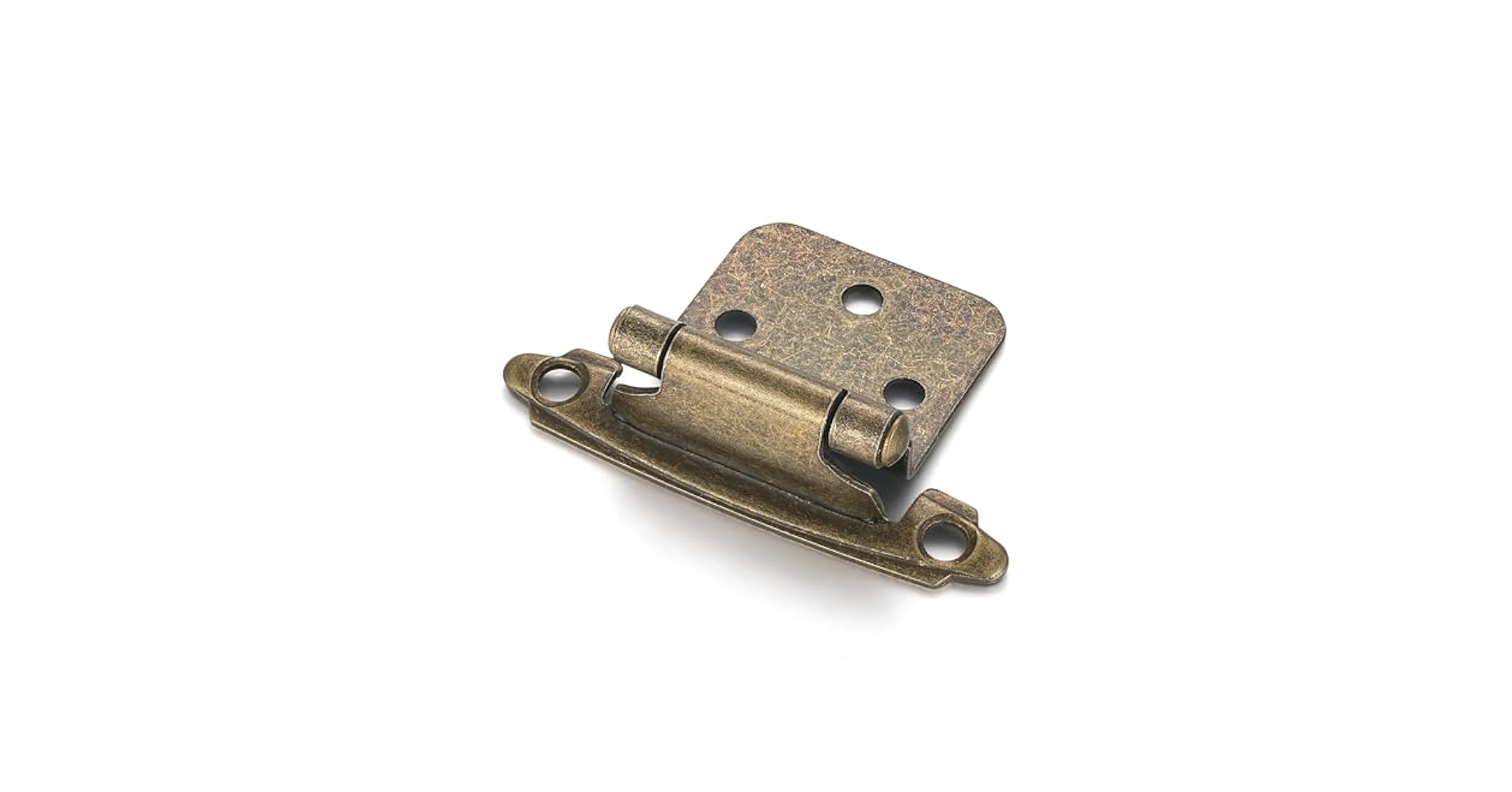
Are your old cabinet hinges making that annoying creak or causing doors to hang unevenly? You might not realize it, but these small pieces play a huge role in how your cabinets look and function every day.
Whether you’re fixing up a vintage kitchen or just want smoother, quieter doors, understanding old cabinet hinges can save you time and frustration. Keep reading, and you’ll discover simple tips to choose, repair, or replace hinges that bring your cabinets back to life—making your space feel fresh and easy to use again.
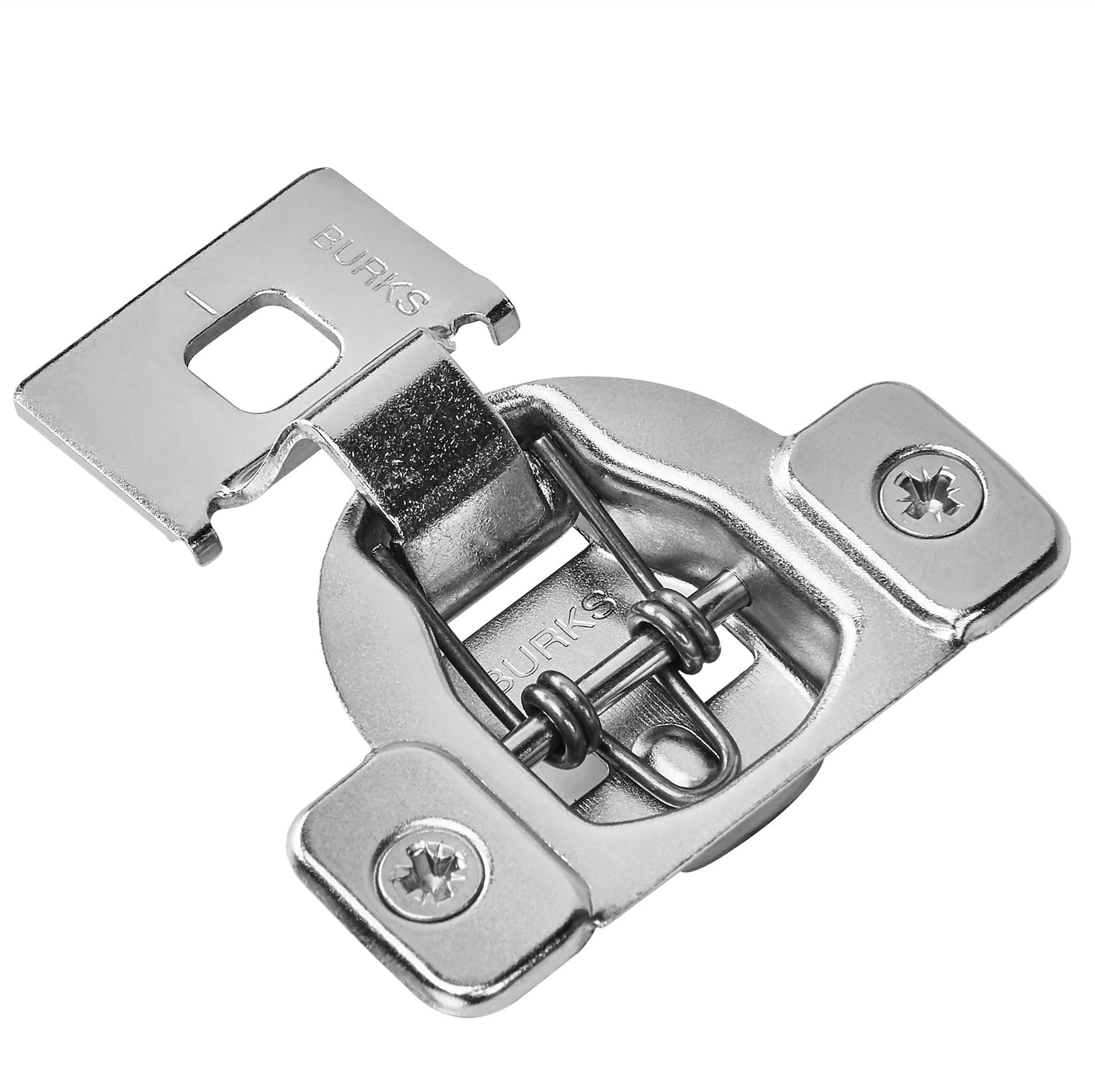
Credit: www.amazon.com
Signs Of Worn Cabinet Hinges
Cabinet hinges can wear out over time. This affects how your cabinet doors open and close.
Knowing the signs of worn hinges helps you fix problems early. This keeps your cabinets working well.
Common Issues To Look For
Old cabinet hinges often show clear signs of wear. Look for loose screws and rusty metal parts.
Check if the door is sagging or does not stay closed. These are common hinge problems.
- Doors that stick or are hard to open
- Squeaking or creaking noises when moved
- Visible rust or corrosion on the hinge
- Loose screws or gaps between hinge and wood
- Doors that do not align properly
Impact On Cabinet Functionality
Worn hinges make cabinet doors hard to use. Doors may not close fully or may fall open.
Damaged hinges can cause stress on cabinet frames. This leads to bigger repairs later.
- Doors may slam shut or stay open
- Cabinet structure can weaken over time
- Items inside the cabinet may be less secure
- Opening and closing becomes noisy
- Hinges may break completely if ignored
Choosing Between Restoration And Replacement
Old cabinet hinges often need attention to work well and look right. You must decide if you should restore or replace them. This guide helps you choose the best option for your hinges.
Restoring hinges can keep the original style and save money. Replacing hinges can fix serious problems and improve function. Read on to learn when to restore and when to replace old cabinet hinges.
When To Restore Hinges
Restoration works well if the hinges still fit well and have no major damage. Cleaning, tightening, and oiling can bring them back to life. Restoring keeps the original look of your cabinets.
- Hinges show only light rust or dirt
- Hinges still close and open smoothly
- Hinges are not bent or broken
- You want to keep the antique or vintage style
- Replacement hinges are hard to find
When To Replace Hinges
Replace hinges if they are damaged beyond repair or cause problems. New hinges can improve cabinet function and safety. This table shows signs you need new hinges and the reasons why.
| Sign | Reason to Replace |
|---|---|
| Hinges are bent or broken | Cannot hold door properly or pose safety risk |
| Hinges are rusted through | Weak and may break soon |
| Doors sag or do not close | Hinges lose alignment and function |
| Hinges make loud creaking noises | Damage inside the hinge mechanism |
| You want a modern style or stronger material | New hinges offer better performance and look |
Restoring Old Cabinet Hinges
Old cabinet hinges can wear out and lose their function. Fixing them brings life back to your furniture.
Simple tools and steps help you clean, fix, and polish these hinges.
Cleaning And Lubricating
Start by removing dirt and rust from the hinges. Clean hinges work better and last longer.
- Use a soft brush to remove dust and debris.
- Apply a rust remover if needed, then wipe clean.
- Lubricate with oil or silicone spray to reduce friction.
- Wipe off excess lubricant to avoid dust buildup.
Fixing Loose Or Misaligned Hinges
Loose or misaligned hinges cause doors to hang unevenly. Tighten screws or replace damaged parts.
| Problem | Cause | Fix |
| Door sags | Loose screws | Tighten screws with screwdriver |
| Door won’t close | Hinge misalignment | Adjust hinge position |
| Squeaking noise | Lack of lubrication | Apply lubricant |
| Broken hinge | Wear or damage | Replace hinge |
Polishing And Refinishing
Polishing old hinges improves their look and protects the metal. Refinishing can restore shine and prevent rust.
Use this simple polish recipe:
- Mix equal parts vinegar and water.
- Soak hinges for 10 minutes.
- Rub with a soft cloth until shiny.
- Dry fully and apply clear lacquer to protect.
Selecting Replacement Hinges
Old cabinet hinges can wear out or break over time. Choosing the right replacement hinges helps your cabinets work well and look good.
To pick the best hinges, you need to know about different types, materials, and how to measure for the right fit.
Types Of Cabinet Hinges
There are many types of cabinet hinges. Each type works best for certain cabinets and doors.
- Butt Hinges: Common and simple, used on most cabinets.
- Concealed Hinges: Hidden when the door is closed for a clean look.
- Piano Hinges: Long hinges running the full length of the door.
- Strap Hinges: Decorative and strong, often for rustic cabinets.
- Overlay Hinges: Fit doors that cover the cabinet frame fully.
Materials And Finishes
Hinges come in different materials and finishes. Pick materials that last long and look good with your cabinets.
- Steel: Strong and durable, often coated to stop rust.
- Brass: Classic look, resists corrosion but may need polishing.
- Stainless Steel: Rust-resistant and ideal for moist areas.
- Zinc Alloy: Cost-effective and can be finished in many colors.
- Finishes: Options include chrome, nickel, bronze, and black.
Measuring For Proper Fit
Measuring old hinges helps you find the right size replacements. Accurate measuring avoids problems when installing.
- Measure the height and width of the hinge leaf (the flat part).
- Check the thickness of the hinge leaf for door fit.
- Note the distance between screw holes and their sizes.
- Measure the hinge pin diameter if it is removable.
- Check if the hinge is for an inset, overlay, or partial overlay door.
Step-by-step Replacement Guide
Old cabinet hinges can make doors hard to open or close. Replacing them is a simple way to improve your cabinets.
This guide shows you how to remove old hinges, install new ones, and adjust them for perfect alignment.
Removing Old Hinges
Start by opening the cabinet door fully. Use a screwdriver to remove the screws holding the old hinges.
Keep the door supported as you remove the last screws. This stops the door from falling and causing damage.
- Open door wide
- Unscrew hinge screws slowly
- Support door to avoid falls
- Remove old hinges carefully
Installing New Hinges
Place the new hinges where the old ones were. Line up the screw holes and start screwing them in by hand.
Use a screwdriver to tighten all screws. Do not overtighten because it can strip the wood or break the hinge.
- Align new hinges with old holes
- Insert screws by hand first
- Tighten screws carefully
- Check that hinges feel secure
Adjusting For Perfect Alignment
Close the door to see if it fits well. If the door is uneven, adjust the hinge screws slightly.
Move the door up, down, left, or right until it closes smoothly and aligns with the cabinet frame.
- Test door closing
- Loosen screws to shift hinge
- Move door to align edges
- Tighten screws when aligned
- Open and close door to check

Credit: www.ebay.com
Tips To Extend Hinge Life
Old cabinet hinges can last longer with proper care. Simple maintenance helps keep them working smoothly.
Follow these easy tips to make your hinges stay in good shape. Keep your cabinets opening and closing without problems.
Regular Maintenance Practices
Regular care makes a big difference for old hinges. You can extend their life with simple actions.
- Clean hinges with a soft cloth to remove dust
- Lubricate hinges with oil every few months
- Tighten loose screws to prevent damage
Avoiding Common Mistakes
Avoiding certain mistakes helps keep hinges in good condition. Simple awareness can prevent common problems.
- Do not slam doors, it causes stress on hinges
- Avoid using harsh cleaners that can corrode metal
- Do not ignore squeaks, they indicate lubrication needs
Enhancing Cabinet Appearance
Old cabinet hinges can change how your cabinets look. They are small but have a big impact. Upgrading them can give your kitchen or bathroom a fresh feel.
Choosing the right hinges can match your cabinet style. This makes your space look well-designed and complete.
Matching Hinges To Cabinet Style
Hinges should fit your cabinet's style. This helps create a uniform look. Think about the color and design of your cabinets when picking hinges.
If your cabinets are modern, sleek hinges work best. For traditional cabinets, choose more ornate hinges.
- Modern cabinets need simple, shiny hinges
- Rustic cabinets look better with matte or dark hinges
- Classic cabinets shine with detailed, antique-style hinges
Upgrading Hardware For A Fresh Look
New hinges can make old cabinets look new. This upgrade is simple and budget-friendly. It can change the feel of your entire room.
When replacing hinges, ensure they fit the existing holes. This saves time and effort during installation.
- Measure old hinges to find the right size
- Choose a finish that matches other hardware
- Consider soft-close hinges for a modern touch

Credit: www.ebay.com
Frequently Asked Questions
What Are Old Cabinet Hinges Made Of?
Old cabinet hinges are typically made from brass, steel, or iron. These metals offer durability and a classic look. Brass hinges resist corrosion well, while steel and iron provide strong support. The material affects the hinge's lifespan and appearance.
How To Identify Old Cabinet Hinges Style?
Identify old cabinet hinges by examining their shape and design. Common styles include butt, strap, and decorative hinges. Look for ornate patterns or simple, functional designs. The style often reflects the cabinet's age and overall aesthetic.
Can Old Cabinet Hinges Be Repaired Or Restored?
Yes, old cabinet hinges can be repaired or restored. Cleaning, lubricating, and tightening screws often improve function. Rust removal and repainting restore appearance. In some cases, replacing broken parts extends hinge life without losing vintage charm.
Why Do Old Cabinet Hinges Squeak Or Stick?
Old cabinet hinges squeak due to dirt, rust, or lack of lubrication. Hinges can stick if screws loosen or metal warps over time. Regular cleaning and oiling prevent noise and ensure smooth door movement.
Conclusion
Old cabinet hinges can bring charm and function to any furniture. They may need cleaning, tightening, or replacing to work well. Choosing the right hinges helps keep cabinets sturdy and easy to open. Small fixes save money and keep your cabinets looking nice.
Take time to inspect hinges regularly for smooth use. A little care goes a long way in home maintenance. Keep your old cabinets useful and attractive with simple hinge care.

