

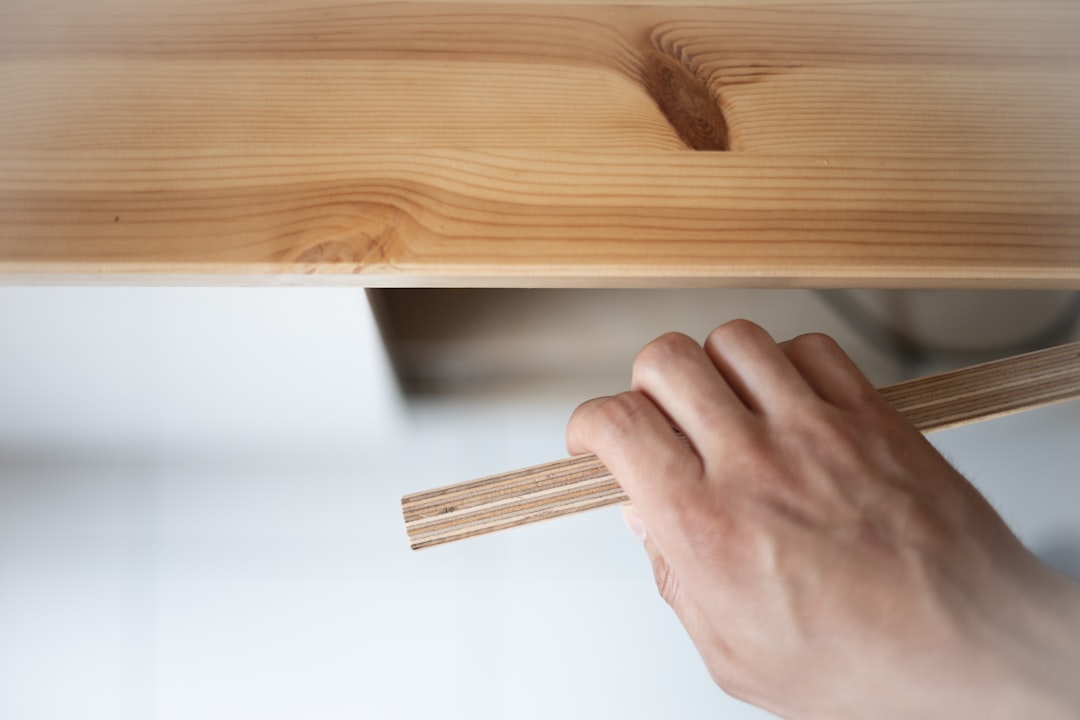
Are your drawers sticking, squeaking, or just not sliding smoothly? You don’t have to live with that daily frustration.
Imagine opening your drawers with ease, every single time. Installing your own drawer slides might sound tricky, but with the right steps, you can do it yourself—and save time and money. You’ll discover simple, clear instructions to upgrade your drawers, making them glide like new.
Ready to transform your furniture and enjoy that satisfying smooth slide? Keep reading, and let’s get started!
Choosing Materials
Choosing the right materials is important for building drawer slides. Good materials help drawers open smoothly and last longer.
You can use different materials depending on your budget and skill level. Knowing the options helps you pick the best one.
Types Of Drawer Slides
There are several types of drawer slides you can make yourself. Each type works differently and fits different drawers.
- Wooden Slides: Simple and easy to build
- Metal Slides: Smooth and durable
- Ball Bearing Slides: Roll smoothly but need metal parts
- Roller Slides: Use small wheels for easy movement
Wood Vs Metal Components
Wood and metal are common materials for drawer slides. Each has good and bad points.
- Wood is easy to cut and shape. It fits well in wooden drawers.
- Wood slides can wear out faster if not finished well.
- Metal parts last longer and handle more weight.
- Metal slides are harder to make at home without tools.
Choosing wood or metal depends on your project and tools. You can combine both for better results.
Tools Needed
You need some basic tools to make drawer slides. The tools depend on the materials you use.
- Saw: To cut wood or metal pieces
- Drill: For making holes and fixing screws
- Screwdriver: To attach parts securely
- Measuring tape: For exact sizes
- Sandpaper: To smooth wood surfaces
- Level: To keep slides straight
Having the right tools helps you build smooth and strong drawer slides.

Credit: frugalfill.com
Measuring And Planning
Measuring and planning are important before installing drawer slides. Good measurements help the drawer open and close smoothly.
Taking time to plan ensures the slides fit perfectly and work well with your drawer.
Measuring Drawer Dimensions
Measure the width, height, and depth of your drawer carefully. Use a tape measure for accuracy.
Write down the inside width where the slides will attach. Also, note the drawer’s full depth to pick the right slide size.
- Measure inside width between the drawer sides
- Check the drawer height from bottom to top edge
- Measure drawer depth from front to back
Selecting Slide Length
Choose a slide length that matches your drawer depth. Slides too long or short will cause problems.
Usually, pick slides slightly shorter than the drawer depth. This leaves space for smooth movement.
- Use drawer depth as the main guide
- Subtract about 1/2 inch for clearance
- Confirm slide length with manufacturer specs
Marking Placement
Mark where the slides will attach inside the cabinet and on the drawer. Use a pencil and level for straight lines.
Check that marks on both sides are even. This keeps the drawer balanced and prevents jamming.
- Measure and mark slide position on cabinet sides
- Mark matching spots on drawer sides
- Use a level to ensure marks are straight
- Double-check measurements before drilling
Preparing The Drawer And Cabinet
Proper preparation of the drawer and cabinet is important before installing drawer slides. This makes sure the slides work smoothly and last longer.
Take time to get the surfaces ready, strengthen weak spots, and check that everything fits well. This helps avoid problems later.
Sanding And Cleaning Surfaces
Start by sanding the drawer and cabinet surfaces where the slides will go. Use fine-grit sandpaper for smoothness. Remove any old paint or rough edges.
After sanding, clean all dust and dirt with a dry cloth. Clean surfaces help the slides stick and move better.
Reinforcing Drawer Sides
Check the drawer sides for cracks or weak spots. If needed, add wood glue or small nails to strengthen them. Strong sides hold the slides firmly.
- Use wood glue along the inner edges
- Clamp the drawer for 30 minutes after gluing
- Add small finishing nails for extra support
- Fill any holes with wood filler and sand smooth
Ensuring Alignment
Measure the drawer and cabinet carefully to check alignment. The slides must be straight and level. Misalignment causes sticking or gaps.
| Check Point | Tools Needed | What to Do |
|---|---|---|
| Drawer width | Tape measure | Measure inside width of drawer sides |
| Cabinet width | Tape measure | Measure inside width of cabinet opening |
| Levelness | Spirit level | Place on cabinet floor and sides to check level |
| Slide height | Ruler or square | Mark equal height on drawer and cabinet for slides |
Installing Drawer Slides
Installing drawer slides is a simple task that improves how drawers open and close. You need to measure carefully and use the right tools.
This guide will help you mount slides on the drawer, attach them to the cabinet, and check for smooth movement.
Mounting Slides On Drawer
Start by attaching the drawer slides to the sides of the drawer. Make sure the slides are straight and aligned with the drawer edges.
- Place the slide flush with the bottom edge of the drawer side.
- Mark screw holes with a pencil.
- Pre-drill holes to avoid splitting the wood.
- Screw the slides securely in place.
Attaching Slides To Cabinet
Next, fix the cabinet part of the slides inside the cabinet. Check the height and depth for correct alignment.
| Slide Part | Position | Tip |
| Cabinet Member | Inside cabinet side | Keep level and aligned with drawer slide |
| Drawer Member | Mounted on drawer side | Flush with bottom edge |
Checking Movement And Adjustments
After installation, slide the drawer in and out. Check for smooth movement and proper alignment.
- Tighten or loosen screws to fix any wobble.
- Use a level to ensure the slides are straight.
- Check that the drawer closes fully without gaps.
Testing And Maintenance
Keeping your drawer slides working well takes regular checks and care. Testing their smoothness helps catch problems early.
Good maintenance extends the life of your drawer slides and keeps them easy to open and close.
Smooth Operation Checks
Check if your drawer slides move smoothly without sticking or making noise. Open and close the drawer fully several times.
- Look for any rough spots or catches.
- Listen for squeaks or grinding sounds.
- Check if the drawer stays in place when open.
- Notice if the drawer feels loose or wobbly.
Lubrication Tips
Applying lubricant helps drawer slides move easily. Use a light oil or silicone spray for best results.
- Clean the slides before applying lubricant.
- Apply lubricant along the rails and rollers.
- Wipe off excess to avoid attracting dust.
- Repeat lubrication every six months or after cleaning.
Troubleshooting Common Issues
| Problem | Cause | Solution |
|---|---|---|
| Drawer sticks or jams | Dirt buildup or damaged slides | Clean slides and check for damage |
| Drawer feels loose | Loose screws or worn parts | Tighten screws or replace parts |
| Noise when opening or closing | Dry slides or misalignment | Lubricate slides and realign drawer |
| Drawer won't stay open | Broken stop mechanism | Replace or repair the stop parts |

Credit: www.familyhandyman.com

Credit: www.youtube.com
Frequently Asked Questions
What Tools Do I Need For Diy Drawer Slides?
You need a drill, screwdriver, measuring tape, pencil, level, and screws. These tools ensure precise installation and smooth drawer movement.
How Do I Measure For Drawer Slide Installation?
Measure the drawer length and cabinet depth accurately. Choose slides matching these dimensions for proper fit and function.
What Types Of Drawer Slides Are Best For Diy Projects?
Ball-bearing and roller slides are popular. Ball-bearing slides offer smooth motion, while roller slides are budget-friendly and easy to install.
Can I Install Drawer Slides Without Professional Help?
Yes, with proper tools and instructions, you can install slides yourself. Follow guides carefully to avoid mistakes and ensure durability.
Conclusion
Installing drawer slides yourself saves money and builds skills. It takes some patience but feels rewarding. Choose the right slides for your drawer size. Measure twice to avoid mistakes. Use basic tools and follow clear steps. Small adjustments can improve how smoothly drawers move.
This project suits beginners and helps improve home storage. Try it today and enjoy better organized spaces. Simple tasks can bring big satisfaction.

