
Have you ever found yourself locked out or worried about your door’s security? Imagine having a simple way to control your door lock from the outside without needing a key every time.
Creating a DIY door lock from outside can give you that peace of mind and convenience. You’ll discover easy steps and smart tips to build your own secure, reliable door lock system. Ready to take control of your door and boost your home’s safety?
Keep reading—you’re about to learn something that can make your life easier and safer.
Choosing The Right Lock
Picking the right lock for your door is very important. It keeps your home safe and secure.
There are many types of locks. You should know about them to choose the best one.
Types Of Door Locks
Door locks come in different styles. Each type works best for certain doors and uses.
- Deadbolt locks: strong and secure for outside doors
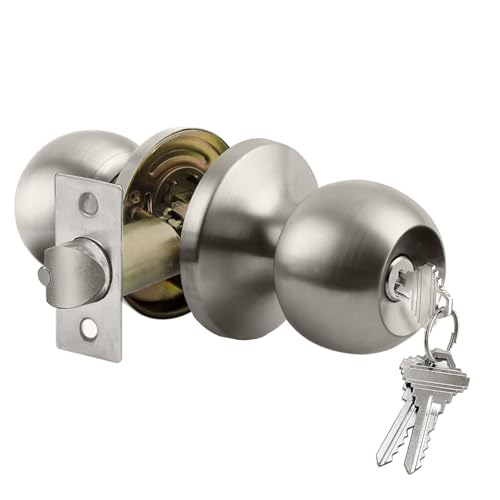
- Knob locks: common but less secure
- Lever handle locks: easy to use, good for people with disabilities
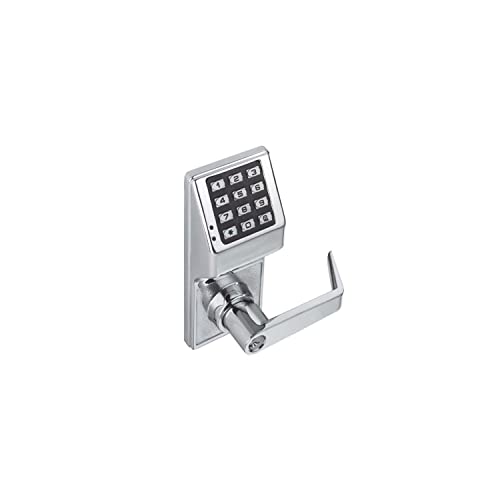
- Smart locks: use codes or phones for keyless entry
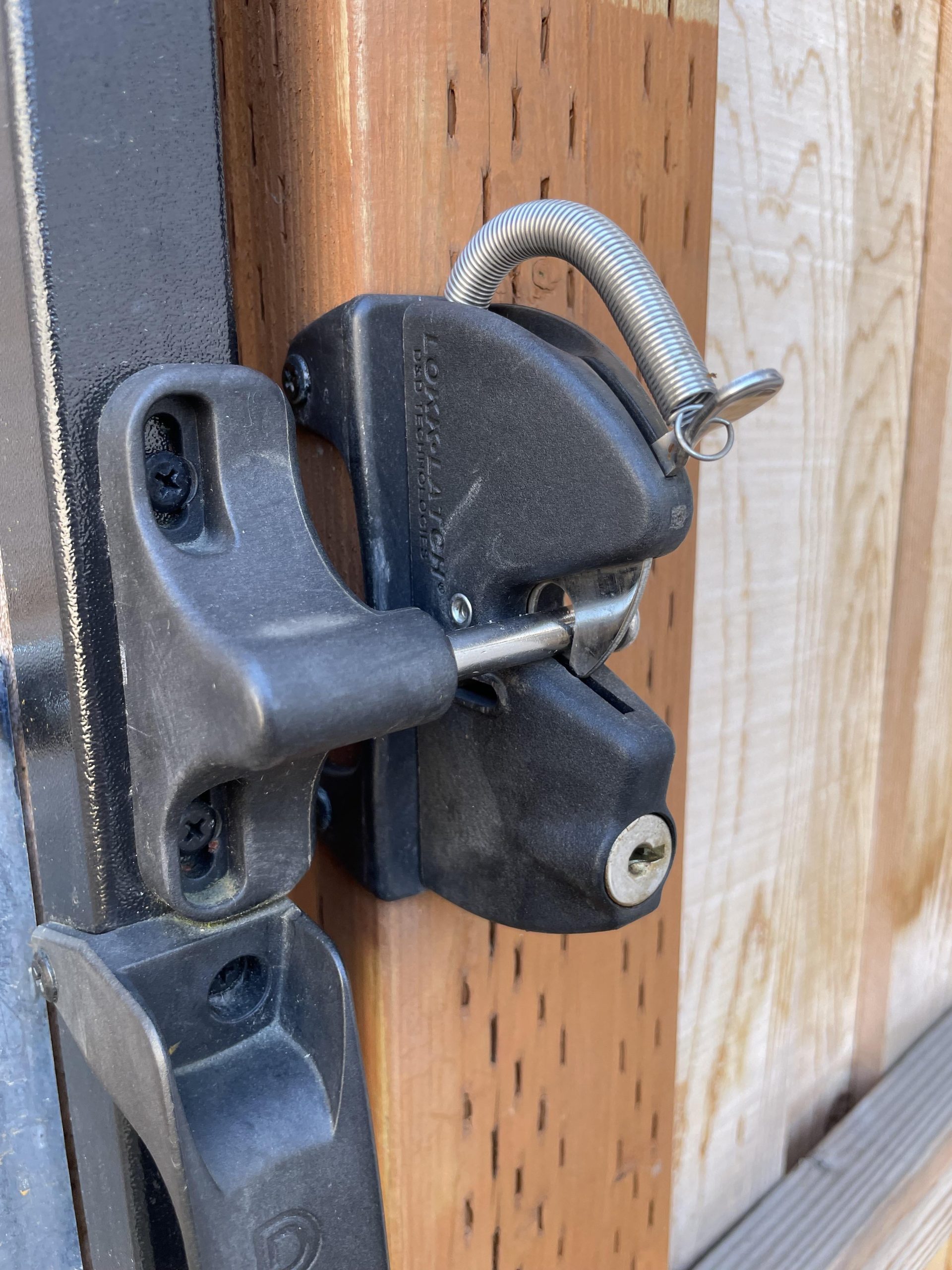
- Padlocks: portable and simple, used for gates or sheds
Material And Durability
Lock material affects how long it lasts and how strong it is. Choose tough materials for outside locks.
Common materials include brass, steel, and zinc. Steel is very strong and resists cutting.
- Brass: resists rust but can be softer
- Steel: very strong and durable
- Zinc alloy: good for budget locks
- Stainless steel: resists weather and rust well
Security Features To Look For
Good locks have special features that make them harder to break or pick.
Look for features that add extra protection to your door.
- Pick resistance: stops lock picking tools from working
- Drill resistance: hardened parts that resist drilling
- Anti-bump: prevents lock bumping methods
- Key control: limits who can copy the keys
- Weatherproof: protects lock from rain and cold
Credit: www.diychatroom.com
Tools And Materials Needed
Installing a door lock from outside requires specific tools and materials. Having the right items helps you work safely and efficiently.
This guide covers the basic tools, lock components, and safety gear needed for the job.
Basic Tools List
You need some basic tools to install or fix a door lock from outside. These tools help with measuring, cutting, and assembling parts.
- Screwdriver set (flathead and Phillips)
- Drill with drill bits
- Measuring tape
- Pencil or marker
- Chisel
- Hammer
- Utility knife
- Level
Lock Components
Understanding the parts of a door lock is important. You will need these components to complete the installation or repair.
- Lock body (main locking mechanism)
- Strike plate (fits on the door frame)
- Latch or bolt (the part that holds the door closed)
- Keys or keypad (for locking and unlocking)
- Handles or knobs
- Screws and mounting hardware
Safety Gear
Safety gear protects you while working on the door lock. Always wear the right gear to avoid injuries.
- Safety glasses to protect your eyes
- Work gloves to protect your hands
- Ear protection if using loud power tools
- Dust mask if drilling or sanding wood
Preparing The Door
Before installing a door lock from outside, you need to prepare the door carefully. This helps the lock fit well and work properly.
Preparing the door means measuring, marking, drilling holes, and cleaning the surface. Each step is important for a good result.
Measuring And Marking
Measure the exact spot where the lock will go. Use a tape measure and ruler for accuracy.
Mark the places for screws and the lock body with a pencil. Clear marks make drilling easier and more precise.
- Measure the height from the bottom of the door
- Mark the center point for the lock
- Mark screw holes around the lock area
Drilling Holes
Use a drill with the right size bit for the lock and screws. Drill straight holes to avoid damage.
Start with small pilot holes. Then drill larger holes as needed for the lock parts to fit well.
- Wear safety glasses before drilling
- Use a drill bit that matches lock size
- Drill slowly to prevent wood splitting
Cleaning The Surface
Remove dust and wood chips from the drilled holes and door surface. A clean surface helps the lock stick better.
Wipe the area with a dry cloth. Check that no debris remains inside the holes before fitting the lock.

Credit: www.reddit.com
Installing The Lock
Installing a door lock from outside is a useful skill. It helps keep your home safe and secure.
Follow simple steps to fit the lock correctly. This guide shows how to install and test the lock.
Fitting The Lock Mechanism
First, place the lock mechanism on the door’s outside. Align it with the hole made for the lock.
Make sure the lock fits snugly and the keyhole is straight. Adjust if the lock does not sit flush.
Securing The Lock With Screws
Use screws to hold the lock in place. Insert screws through the lock’s holes into the door.
Tighten screws evenly to avoid bending the lock. Check that the lock stays firm when pressed.
- Use a screwdriver that fits the screw heads
- Do not over-tighten to prevent damage
- Secure all screws provided with the lock
Testing The Lock Functionality
After installation, test the lock several times. Use the key to lock and unlock the door.
Check if the lock turns smoothly and stops fully. If it sticks, adjust the screws or reposition the lock.
- Insert the key and turn it both ways
- Open and close the door to test lock engagement
- Repeat tests to ensure consistent operation
Adding Extra Security Features
Adding extra security to your door lock helps protect your home. Simple upgrades make your door stronger against break-ins.
These steps can improve safety without spending a lot of money. Small changes add up to better security.
Reinforcing The Door Frame
The door frame is often the weakest point in door security. Reinforcing it can stop forced entry attempts.
Use strong wood or metal to strengthen the frame around the lock. This support helps the door resist impact.
- Install a solid wood frame or metal strip
- Use long screws to secure the frame deeply
- Fill gaps with wood filler or epoxy
- Check for loose parts and tighten regularly
Using Strike Plates
Strike plates are metal pieces where the lock bolt fits. A strong strike plate keeps the lock secure.
Use heavy-duty strike plates and install them with long screws. This holds the plate firmly to the frame.
- Choose thick metal strike plates
- Use screws at least 3 inches long
- Place strike plates over the frame’s strongest wood
- Replace old or damaged strike plates promptly
Installing Security Cameras
Security cameras help watch your door from outside. They can deter thieves and record any suspicious activity.
Place cameras where they see the door and entry points clearly. Make sure they are visible to scare off intruders.
- Mount cameras above or near the door
- Use cameras with night vision for 24/7 monitoring
- Connect cameras to your phone or computer
- Check camera angle and clean the lens often
Maintaining Your Diy Lock
Maintaining your DIY door lock is important for safety and durability. Regular care helps it work smoothly.
Here, you will learn simple ways to keep your DIY lock in top shape. Follow these easy tips to avoid common problems.
Regular Cleaning
Dust and dirt can build up on your lock. Clean your lock regularly to prevent these issues.
Use a soft cloth to wipe away dust. Avoid harsh chemicals to keep the lock's finish intact.
- Wipe with a damp cloth weekly
- Use a mild soap if needed
- Avoid soaking the lock
Lubrication Tips
Lubrication keeps your lock working smoothly. A dry lock can be hard to turn.
Choose a lubricant made for locks. Apply it carefully to moving parts.
- Use graphite or silicone spray
- Apply lubricant every six months
- Wipe off any excess lubricant
When To Replace Parts
Parts of your lock can wear out over time. Know when to replace them to ensure security.
Listen for unusual noises or difficulty turning the key. These signs mean it's time to check the parts.
- Replace keys if they are bent
- Check the latch if it sticks
- Call a professional if unsure
Common Mistakes To Avoid
Installing a door lock from outside can be tricky. Many people make common errors during the process. Knowing these mistakes helps ensure a successful installation.
This guide highlights frequent errors to avoid when working on your DIY project. Pay attention to details for a secure and functional lock.
Incorrect Measurements
Measurements are crucial when installing a lock. Errors can cause the lock to not fit or function properly. Always double-check your measurements before cutting or drilling.
Use a reliable measuring tool for accuracy. Measure twice to be sure. Incorrect measurements can lead to unnecessary expenses and wasted time.
Using Low-quality Materials
Quality materials ensure the lock's durability and security. Low-quality materials may save money initially but can fail quickly. Choose materials that offer strength and longevity.
Investing in high-quality materials can prevent future issues. Look for trusted brands and read reviews to make informed decisions.
Ignoring Manufacturer Instructions
Manufacturer instructions provide essential guidance. Ignoring them can lead to improper installation. Always read and follow the instructions provided with your lock.
Instructions often include important safety information. They can also offer tips specific to the lock model. Keep the instructions handy during the installation process.

Credit: www.youtube.com
Frequently Asked Questions
How To Make A Diy Door Lock From Outside?
To make a DIY door lock from outside, use sturdy materials like metal or wood. Attach a latch mechanism securely. Ensure it fits your door and is easy to operate. Test the lock for safety and durability before regular use.
What Tools Are Needed For Diy Door Locks?
You need basic tools like a drill, screwdriver, measuring tape, and saw. Also, use screws, metal plates, and a latch mechanism. Safety gloves and goggles are recommended for protection. These tools help create a functional and secure DIY door lock.
Can Diy Door Locks Improve Home Security?
Yes, DIY door locks can enhance home security if built well. Use strong materials and secure installation. They provide an additional locking layer, deterring intruders. However, professional locks still offer the highest security level.
Are Diy Door Locks Cost-effective?
DIY door locks are cost-effective as they use affordable materials. You save on locksmith fees and purchase costs. However, ensure quality to avoid frequent repairs. Proper DIY locks balance cost savings and reliable security.
Conclusion
Making a DIY door lock from outside saves money and adds security. You can use simple tools and materials found at home. This project helps you learn basic skills and feel more confident. Always double-check your lock to ensure it works well.
Stay safe by keeping your door secure every day. Trying this yourself brings pride and protects your space. Small changes make a big difference in home safety. Give it a shot and see how easy it can be.