Have you ever found yourself needing to say something simple but important in Spanish, like “lock the door,” and not knowing the right words? Imagine being in a situation where you want to keep your home or belongings safe, but language gets in the way.
Knowing how to say “lock the door” in Spanish can give you confidence and peace of mind. You’ll learn easy phrases and tips that will make you feel ready and secure when speaking Spanish. Keep reading, and you’ll discover how just a few words can make a big difference in your safety and communication.

Credit: www.shabanastores.com
Common Spanish Phrases To Lock The Door
Knowing how to say phrases about locking the door in Spanish is useful. These phrases help in daily life and emergencies.
This guide shows common commands and requests for locking doors. It also covers urgent situations.
Basic Commands For Locking
Use simple commands to tell someone to lock the door. These are direct and clear.
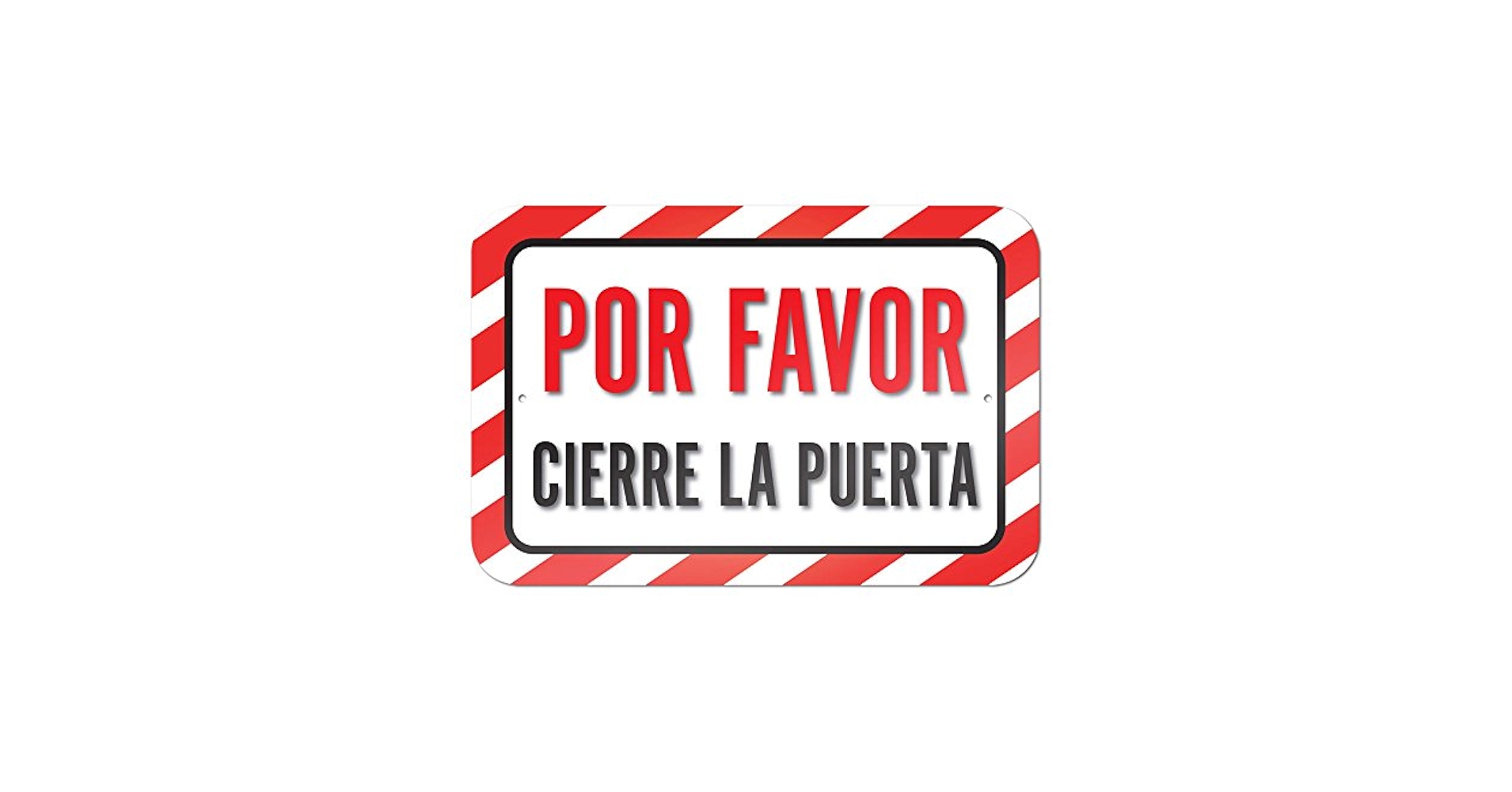
- Cierra la puerta. (Close the door.)
- Traba la puerta. (Lock the door.)
- Pon la llave. (Put the key in.)
- Gira la llave. (Turn the key.)
- Bloquea la puerta. (Block the door.)
Polite Requests
Use polite phrases to ask someone to lock the door. These sound respectful and kind.
- ¿Puedes cerrar la puerta, por favor? (Can you close the door, please?)
- ¿Me ayudas a trabar la puerta? (Can you help me lock the door?)
- Por favor, pon la llave en la puerta. (Please put the key in the door.)
- ¿Podrías girar la llave? (Could you turn the key?)
- ¿Serías tan amable de bloquear la puerta? (Would you be so kind as to lock the door?)
Urgent Situations
In emergencies, use quick phrases to lock the door fast. These phrases show urgency.
- ¡Cierra la puerta ya! (Close the door now!)
- ¡Traba la puerta rápido! (Lock the door quickly!)
- ¡Pon la llave rápido! (Put the key in fast!)
- ¡Gira la llave ya! (Turn the key now!)
- ¡Bloquea la puerta urgente! (Lock the door urgently!)
Vocabulary For Door And Lock
Doors and locks are important for home security. Knowing the right words helps you describe them clearly.
This guide shows common Spanish words for doors and locks. It also covers related security terms.
Words For Door
The word for door in Spanish is "puerta." There are many types of doors with different names.
- Puerta principal – front door
- Puerta trasera – back door
- Puerta corrediza – sliding door
- Puerta de madera – wooden door
- Puerta metálica – metal door
- Marco de la puerta – door frame
- Manilla – door handle
- Bisagra – hinge
Types Of Locks
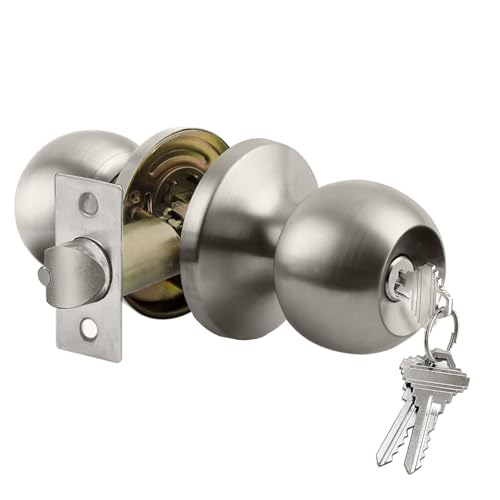
Locks keep doors secure. Here are common types of locks in Spanish with their English meaning.
| Spanish | English | Description |
| Cerradura | Lock | General word for a lock |
| Cerradura de llave | Key lock | Lock opened with a key |
| Candado | Padlock | Portable lock with a shackle |
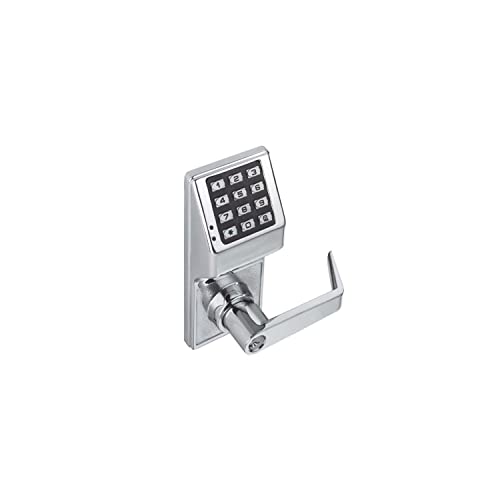
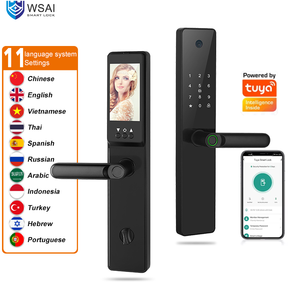
| Cerradura electrónica | Electronic lock | Lock with electronic access |
| Cerradura de combinación | Combination lock | Lock opened by a code |
Related Security Terms
These words relate to security and locking systems. They help describe safety features.
- Seguridad – security
- Llave – key
- Alarma – alarm
- Código – code
- Acceso – access
- Protección – protection
- Intruso – intruder
- Sistema de seguridad – security system
Using Lock Phrases In Different Contexts
Lock phrases help communicate safety and privacy clearly. Using them right fits each situation.
We will explore how to use lock phrases at home, in public places, and at work.
At Home
At home, lock phrases ensure family members know when a door must stay closed. Simple phrases keep everyone safe and respect privacy.
- "Please lock the door behind you."
- "Make sure the door is locked before bedtime."
- "Don’t forget to lock the door when you leave."
In Public Places
In public, lock phrases help keep spaces secure and inform others about restricted areas. Clear wording avoids confusion.
| Phrase | Context |
| "This door is locked for safety." | Restricted area |
| "Please do not enter, door locked." | Private room |
| "Keep door locked after use." | Restroom or storage |
Workplace Scenarios
At work, lock phrases help protect equipment and confidential information. They also remind staff of security rules.
Common workplace lock phrases:
- "Lock the door when you leave the office."
- "Keep this door locked during business hours."
- "Remember to lock the supply room after use."
- "Emergency exit doors must remain locked."
Common Mistakes To Avoid
Learning how to say "Lock the door" in Spanish can be tricky. Many people make simple errors that confuse listeners.
This guide shows common mistakes to avoid when using this phrase in Spanish.
Incorrect Verb Usage
The verb "lock" in Spanish is usually "cerrar con llave" or "asegurar". Using the wrong verb changes the meaning.
For example, saying "cerrar la puerta" means "close the door," not "lock the door."
- Use "cerrar con llave" to mean "lock the door."
- Avoid just "cerrar" because it means "close."
- "Asegurar la puerta" also works for "secure the door."
Mispronunciations
Pronouncing Spanish words incorrectly can confuse native speakers. Common errors happen with "llave" and "cerrar."
The double "ll" in "llave" sounds like "y" in English. Saying "la-veh" is wrong.
- "Llave" sounds like "YA-veh."
- "Cerrar" sounds like "seh-RAR."
- Practice slow and clear pronunciation.
Cultural Considerations
In some Spanish-speaking countries, people use different phrases or customs for locking doors.
For example, some may say "poner seguro" instead of "cerrar con llave."
- Learn local expressions for locking doors.
- Understand that "cerrar con llave" is standard but not universal.
- Respect local customs about home security.
Tips To Practice Locking Phrases
Practicing locking phrases helps you speak clearly and confidently. It is important to repeat these phrases often.
Using different ways to practice makes learning easier and more fun. Try role-playing, listening, and apps.
Role-playing Exercises
Role-playing lets you use locking phrases in real situations. You can practice with a friend or teacher.
Act out scenes like locking the door or asking for help. This helps your brain remember the phrases.
- Take turns being the speaker and listener
- Use simple sentences about locking doors
- Correct each other gently
- Repeat the phrases several times
Listening And Repeating
Listening to native speakers helps you hear correct pronunciation. Repeat the phrases out loud to practice.
You can find audio clips or videos with locking phrases. Listen carefully and say the phrases clearly.
- Focus on how the words sound
- Pause the audio and repeat
- Practice daily for better results
- Record yourself to check your voice
Using Language Apps
Language apps offer exercises to practice locking phrases. They give immediate feedback on your answers.
Apps help you practice anywhere and anytime. Use them regularly to improve your skills step by step.
- Choose apps with speaking exercises
- Repeat phrases in the app
- Use flashcards to memorize words
- Track your progress each day
Credit: www.alibaba.com

Credit: www.threads.com
Frequently Asked Questions
What Is The Spanish Phrase For "lock The Door"?
The Spanish phrase for "lock the door" is "cerrar la puerta con llave. " It literally means closing the door with a key to secure it.
How Do You Say "did You Lock The Door?" In Spanish?
You say "¿Cerraste la puerta con llave? " To ask if someone locked the door in Spanish. It is informal and commonly used.
What Verb Means "to Lock" In Spanish?
The verb "cerrar" means "to close," but "cerrar con llave" specifically means "to lock. " It is used for doors and windows.
Can "lock The Door" Have Different Translations In Spanish?
Yes, depending on context, "lock the door" can be "asegurar la puerta" or "poner la llave. " "Cerrar con llave" is most common.
Conclusion
Knowing how to say "lock the door" in Spanish helps in everyday situations. It keeps you safe and shows respect for others' property. Practice the phrase often to speak it with confidence. Use it when you enter or leave a place.
Simple words can make a big difference in communication. Keep learning new phrases to improve your Spanish skills. Speaking clearly and correctly builds trust and understanding. Try using this phrase today and see how easy it is!