
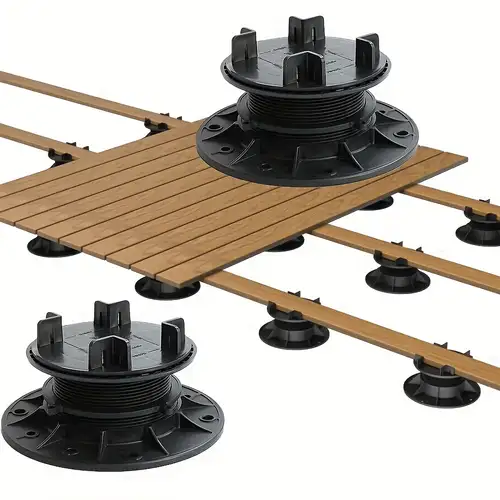
Are you tired of uneven decking that wobbles under your feet or collects water in the wrong spots? Adjustable leveling feet for decking could be the simple fix you need.
These small but powerful components help you create a perfectly flat, stable surface—no matter how tricky your ground is. Imagine stepping onto your deck with confidence, knowing it’s sturdy and safe. Keep reading to discover how adjustable leveling feet can transform your outdoor space and make your decking project easier than ever.

Credit: www.amazon.com
Benefits Of Adjustable Leveling Feet
Adjustable leveling feet bring significant advantages to your decking project. They make a noticeable difference in how stable, safe, and long-lasting your deck feels. If you’ve ever dealt with a wobbly deck or struggled to get it perfectly even, you’ll appreciate what these feet offer.
Enhanced Deck Stability
Adjustable leveling feet provide a solid foundation by allowing you to fine-tune each support point. This means your deck stays steady, even when people move around on it. You won’t have to worry about that unsettling wobble or shifting boards anymore.
Think about the last time you noticed a shaky spot on your deck. It’s not just annoying—it can be unsafe. With adjustable feet, you fix these issues right at the source, preventing accidents before they happen.
Compensation For Uneven Surfaces
Uneven ground often causes headaches during deck installation. Adjustable leveling feet let you compensate for dips, slopes, or bumps without extra digging or costly groundwork. You simply twist the feet to the perfect height, and your deck surface becomes perfectly level.
This flexibility saves time and effort. Have you ever tried to build on a slope and ended up with a deck that felt tilted? These feet remove that frustration, making your deck look and feel professionally installed regardless of the terrain.
Durability And Weather Resistance
Decks face harsh conditions—rain, sun, snow, and more. Adjustable leveling feet are typically made from weather-resistant materials like stainless steel or heavy-duty plastic. This means they won’t rust or degrade quickly, keeping your deck stable year after year.
Choosing durable feet protects your investment and reduces maintenance needs. Imagine not having to replace or adjust your deck supports every season. That’s a practical benefit you’ll appreciate as time goes by.
Types Of Leveling Feet
Adjustable leveling feet come in different types to suit various decking needs. Each type offers unique benefits for stability and ease of use. Understanding these types helps in choosing the right one for your decking project.
Threaded Leveling Feet
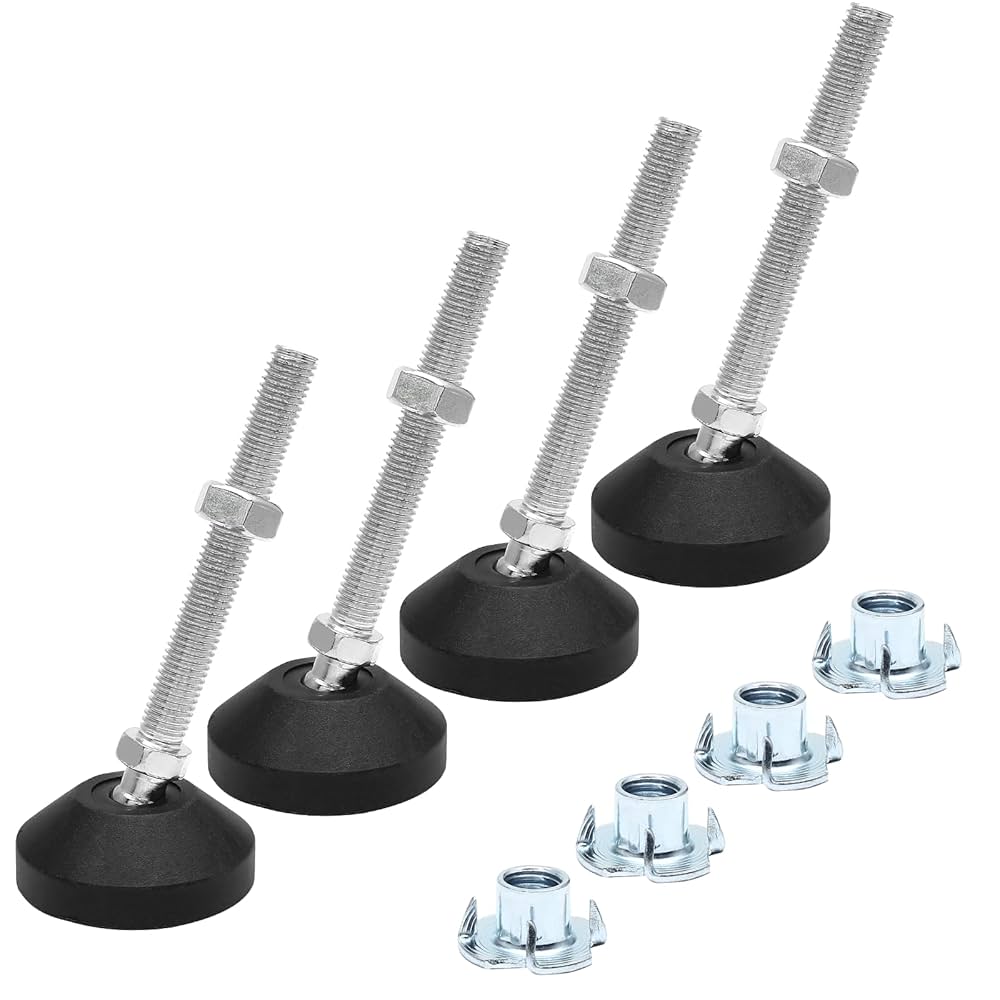
Threaded leveling feet have a screw-like design. They adjust height by turning the foot up or down. This allows precise leveling on uneven surfaces. These feet are durable and easy to install. They work well for decks with slight height differences.
Ball-and-socket Leveling Feet
Ball-and-socket feet allow multi-directional movement. The ball joint lets the foot tilt to match the surface angle. This flexibility improves stability on uneven ground. They reduce stress on decking materials. Ideal for areas with irregular surfaces or slopes.
Rubber-tipped Feet
Rubber-tipped feet provide extra grip and prevent slipping. The rubber tip protects decking from scratches and damage. These feet absorb vibrations and noise. Perfect for decks in high-traffic or windy areas. They help keep the decking firmly in place.
Materials And Construction
Adjustable leveling feet for decking come in various materials and designs. These choices affect durability, strength, and resistance to weather. Proper material selection ensures a stable and long-lasting deck foundation. Understanding the common materials helps in picking the right feet for your decking needs.
Stainless Steel Options
Stainless steel is popular for its strength and durability. It resists rust and corrosion, making it ideal for outdoor use. These feet can handle heavy loads without bending or breaking. The smooth finish also adds a clean look to the deck's base. Stainless steel feet last longer in wet or salty environments.
Plastic And Nylon Variants
Plastic and nylon feet are lightweight and easy to install. They offer good resistance to moisture and chemicals. These materials prevent scratches on decking surfaces. Nylon feet provide some flexibility, reducing noise from deck movement. They work well for lighter decks or temporary setups.
Corrosion-resistant Coatings
Coatings add extra protection to metal feet. Zinc plating and powder coating shield against rust and wear. These coatings extend the life of steel or iron feet. They also improve the feet’s appearance by preventing discoloration. Coated feet suit decks exposed to harsh weather or salty air.
Credit: ovaeda.com
Installation Process
Installing adjustable leveling feet for your decking can transform an uneven surface into a smooth, stable area perfect for relaxing or entertaining. The process is straightforward but requires careful attention to detail. Let’s walk through each part to ensure your deck stands strong and level.
Preparing The Deck Frame
Start by inspecting your deck frame for any damage or weak spots. Repair or reinforce any loose or rotten boards to provide a solid base for the leveling feet. Clean the frame thoroughly to remove dirt and debris, which can interfere with secure attachment.
Check the spacing between joists to ensure it matches the size of your leveling feet bases. Adjusting this beforehand saves time during installation and prevents future instability. Have you considered marking each spot where a leveling foot will go? This simple step can keep your work organized.
Attaching The Leveling Feet
Secure the leveling feet to the underside of your deck frame using screws or bolts recommended by the manufacturer. It helps to pre-drill holes to avoid splitting the wood and to make the process smoother. Make sure each foot is firmly attached and aligned properly.
Use a power drill with the right bit to save effort and ensure a tight fit. If your deck frame is metal, use appropriate fasteners designed for metal surfaces. Remember, a loose foot defeats the purpose of leveling, so double-check every connection.
Adjusting Height For Perfect Level
Once all feet are attached, start adjusting their height one by one. Use a spirit level or laser level to check the surface regularly. Raise or lower each foot until the deck surface is perfectly flat.
Take your time during this stage—it’s easier to make small adjustments gradually than to fix major unevenness later. Have you noticed how small height changes can make a big difference in stability? Test the deck by walking over it to feel for any wobble or tilt before finishing up.
Maintenance Tips
Keeping your adjustable leveling feet in top shape is key to a stable and safe decking setup. Simple maintenance can prevent costly repairs and extend the life of your decking system. Let’s look at some practical tips that you can easily include in your regular upkeep routine.
Regular Inspection
Take a close look at your leveling feet every few weeks. Check for any signs of wear, rust, or loosening. Small cracks or wobbling parts can cause bigger problems if ignored.
Ask yourself: Are all feet sitting evenly on the ground? Uneven footing can lead to instability and damage to your deck over time.
Cleaning And Lubrication
Dirt and debris can clog the moving parts of your leveling feet, making adjustments difficult. Use a soft brush or cloth to remove grime from threads and joints.
Apply a light lubricant to keep the threads turning smoothly. This reduces friction and protects against rust, making future adjustments easier and extending the feet’s lifespan.
Replacing Worn Components
Even the best-maintained feet will eventually need parts replaced. Look out for stripped threads or cracked pads that no longer provide proper support.
Keep spare parts handy so you can swap out worn components quickly. This prevents downtime and keeps your deck stable without hassle.
Common Applications
Adjustable leveling feet are essential components that enhance the stability and durability of decking installations across various settings. Their versatility allows them to adapt to uneven surfaces, ensuring a safe and level deck. Understanding where these feet are commonly applied can help you make better decisions for your decking projects.
Residential Decks
In homes, uneven ground often challenges deck construction. Adjustable leveling feet help homeowners achieve a perfectly flat surface without costly ground preparation.
They also make maintenance easier. If the soil shifts or settles, you can quickly adjust the feet to keep your deck stable and safe.
Have you noticed a deck wobbling underfoot? Installing leveling feet can eliminate that problem and extend the life of your outdoor space.
Commercial Outdoor Spaces
Businesses such as restaurants and event venues rely on sturdy outdoor decks to serve guests comfortably. Adjustable leveling feet allow for quick installation over imperfect surfaces, saving time and money.
They also ensure compliance with safety standards by providing a level walking area. This reduces the risk of trips and falls in high-traffic zones.
Consider how much easier it is to maintain a commercial deck when you can adjust it without dismantling the entire structure.
Temporary And Modular Decking
Temporary stages and modular decking systems benefit greatly from adjustable leveling feet. These feet allow for fast setup on uneven terrain, crucial for events and exhibitions.
They provide flexibility, allowing you to reuse decking components in different locations without worrying about ground conditions.
Have you ever struggled with a shaky temporary deck? Adjustable feet can solve that by ensuring each section is perfectly balanced and secure.
Troubleshooting Common Issues
Adjustable leveling feet are essential for maintaining a stable, even decking surface, but issues can still arise. Understanding how to troubleshoot common problems will save you time and frustration. Let’s look at practical ways to handle the most frequent challenges.
Dealing With Excessive Movement
If your decking feels wobbly or shifts underfoot, the leveling feet might not be properly adjusted or securely fastened. First, check if the feet are tightened firmly against the decking surface. Loose connections often cause movement.
Next, examine the ground beneath the feet. Uneven or soft soil can reduce stability. Consider adding a firm base like gravel or concrete pads under each foot to improve support.
Have you noticed any patterns in when the movement happens? Sometimes, weather changes cause soil to expand or contract, affecting stability. Regularly inspect and adjust the feet to keep your deck secure.
Handling Corrosion Problems
Corrosion can weaken your adjustable feet and damage your deck’s structure. If you spot rust or discoloration, clean the affected area using a wire brush or sandpaper. Then, apply a rust-inhibiting primer followed by a protective paint suitable for metal.
Choosing feet made from stainless steel or coated with weather-resistant finishes helps prevent corrosion from the start. Do you live in a humid or coastal area? Extra protection like regular cleaning and applying anti-rust sprays will extend the feet’s life.
Ignoring corrosion may lead to costly repairs later. It’s better to act early and protect your investment.
Fixing Installation Mistakes
Incorrect installation can cause many issues, from uneven decks to damaged leveling feet. Double-check that the feet are installed perpendicular to the decking surface. Angled or crooked feet won’t provide proper support.
Also, ensure you use the right tools and follow the manufacturer’s guidelines exactly. Over-tightening screws can strip threads, while under-tightening causes instability.
If you realize a mistake after installation, don’t hesitate to remove and reinstall the feet correctly. It’s easier to fix early than deal with bigger problems later.
Credit: www.reidsupply.com
Frequently Asked Questions
What Are Adjustable Leveling Feet For Decking?
Adjustable leveling feet are hardware components that stabilize decking surfaces. They compensate for uneven ground by allowing height adjustments. This ensures a flat, secure deck surface and prevents wobbling or tilting.
How Do Adjustable Leveling Feet Improve Deck Stability?
These feet provide precise height control on uneven terrain. By leveling each deck post or frame, they reduce movement and enhance safety. This results in a more durable and stable decking structure.
Can Adjustable Leveling Feet Prevent Water Damage?
Yes, they elevate the decking slightly above the ground. This improves drainage and reduces water pooling under the deck. It helps prevent wood rot and prolongs the deck’s lifespan.
Are Adjustable Leveling Feet Easy To Install?
Most adjustable leveling feet are designed for simple installation. They usually screw into deck posts or frames. Basic tools and minimal effort are required, making them suitable for DIY projects.
Conclusion
Adjustable leveling feet for decking offer practical benefits. They provide stability. No more wobbly decks. Easy installation and adjustments save time. Enjoy a safer outdoor space. These feet help with uneven surfaces. Choose the right type for your needs. They come in various materials.
Consider weather resistance and durability. Enhance your deck experience. Make your outdoor area inviting and secure. Investing in these feet is wise. They ensure a level and steady deck. Perfect for gatherings and relaxation. Improve your deck's performance and longevity.
Step into a balanced outdoor space with confidence.