
Are you tired of dealing with unwanted intruders or stray animals on your property? Electric fence wiring might just be the solution you've been searching for.
Imagine a reliable and efficient way to safeguard your land, livestock, or garden without the need for constant supervision. Electric fences offer a modern twist on traditional barriers, providing a powerful deterrent while being surprisingly easy to maintain. But what exactly goes into setting up an electric fence, and how can you ensure it works effectively?
We’ll unravel the ins and outs of electric fence wiring, from understanding the basics to mastering installation tips. Whether you're a seasoned DIY enthusiast or a curious beginner, this guide will empower you to take control of your property’s security like never before. Stay with us, and discover how you can harness the power of electricity to protect what matters most to you.

Credit: www.electricfence-online.co.uk
Choosing The Right Materials
Choosing the right materials for your electric fence can make all the difference in its durability and effectiveness. The quality of wire, fence posts, insulators, and connectors directly impacts how well the fence performs and how long it lasts. Understanding the options available helps you build a fence that meets your specific needs without overspending or compromising safety.
Types Of Wire For Electric Fences
Wire is the backbone of any electric fence. You can choose from galvanized steel, aluminum, or stainless steel wire, each offering different benefits.
- Galvanized steel: Strong and rust-resistant, ideal for long-term use in harsh weather.
- Aluminum: Lightweight and easy to handle, but less durable than steel.
- Stainless steel: Offers the best corrosion resistance and conductivity but is more expensive.
Think about your environment and the animals you want to contain. Would a lightweight wire hold up if strong winds or large animals are involved?
Selecting Fence Posts
Your fence posts must support the wire firmly and withstand outdoor conditions. Wood, fiberglass, and steel are the most common options.
- Wood posts: Affordable and easy to install but may rot over time.
- Fiberglass posts: Lightweight, durable, and resistant to weather, perfect for temporary or semi-permanent fences.
- Steel posts: Very strong and long-lasting but require more effort to install.
Ask yourself: How permanent do you want your fence? If you want to move it later, fiberglass might be your best bet.
Insulators And Connectors
Insulators keep the electric wire from touching the posts, preventing short circuits. Connectors join wires securely, ensuring consistent electric flow.
- Plastic insulators: Affordable and widely used but may degrade under intense sunlight.
- Ceramic insulators: More durable and heat-resistant, ideal for hot climates.
- Connectors: Look for rust-proof materials like stainless steel or coated metals for long-lasting connections.
Consider your fence’s location and climate when picking insulators and connectors. Would a cheaper plastic insulator save money now but cause issues later?
Planning Your Fence Layout
Planning your electric fence layout is a key step before installation. It helps save time and avoid costly mistakes. Careful planning ensures the fence works well and stays durable.
Consider your property's size, shape, and the purpose of the fence. Good planning sets a clear path for wiring and post placement. Think about how the fence will fit with your land and existing structures.
Determining Fence Length And Height
Measure the total distance around the area you want to fence. Use a tape measure or wheel for accuracy. The fence length affects the amount of wire and materials needed.
Fence height depends on the animals you want to contain or keep out. Taller fences suit larger animals or areas needing more security. Choose a height that matches your needs and local rules.
Mapping Fence Lines
Draw a simple map of your property showing the planned fence lines. Mark trees, buildings, and gates on the map. This helps visualize where the fence will go and where to place posts.
Plan gate locations for easy access. Make sure fence lines do not block paths or utilities. Mapping helps avoid surprises during installation.
Considering Terrain Challenges
Look closely at your land’s shape and surface. Hills, slopes, rocks, and soft soil can affect fence setup. Steep slopes may need extra support or special wiring.
Adjust fence lines to avoid hard-to-work areas or unstable ground. Check for drainage paths to prevent water damage. Preparing for terrain challenges keeps your fence strong and reliable.
Wiring Techniques
Electric fence wiring is more than just connecting wires; it’s about creating a reliable, safe, and efficient system. Good wiring techniques ensure your fence delivers consistent power and stands up to the elements. Let’s dive into essential tips that will help you get your wiring right the first time.
Proper Wire Tensioning
Keeping your wires tight is crucial. Loose wires can sag, leading to weak or inconsistent electric pulses, which defeats the fence's purpose.
Use a wire stretcher or fence strainer to pull the wire firm without over-tightening, which can snap the wire or damage posts. Check the tension regularly, especially after bad weather or heavy use.
Think about your fence’s length and the type of wire you use. Thicker wires hold tension better but might need stronger tools to stretch. Do you check your fence wires often enough?
Connecting Wires Safely
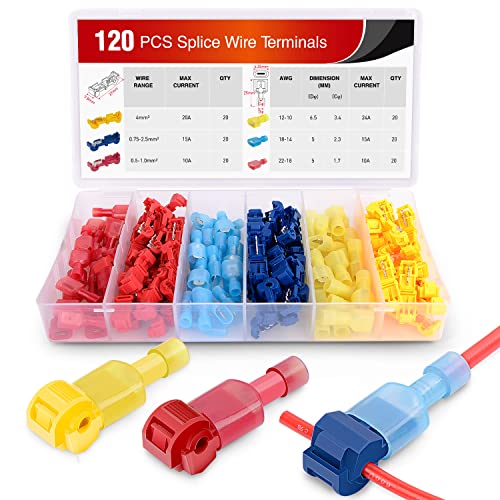
Secure connections prevent power loss and reduce the risk of shorts. Always use high-quality connectors designed for electric fencing, such as crimp sleeves or insulated clips.
Avoid twisting wires together loosely; this can cause sparks or corrosion over time. Instead, twist wires tightly and protect connections with electrical tape or heat shrink tubing to keep moisture out.
Remember, poor connections can cause your energizer to work harder and shorten its life. Have you inspected your wire joints lately to ensure they’re solid?
Avoiding Common Wiring Mistakes
One common error is mixing wire types or gauges, which can create uneven electric flow. Stick to the same gauge and material throughout your fence to maintain consistent current.
Another mistake is running wires too close to trees or metal objects, which can cause grounding issues and power loss. Keep wires at least a few inches away from any conductive materials.
Lastly, don’t overlook corrosion. Use galvanized or stainless steel wire for outdoor use and replace any rusty sections promptly. What wiring issues have you faced that caused your fence to fail?
Powering The Fence
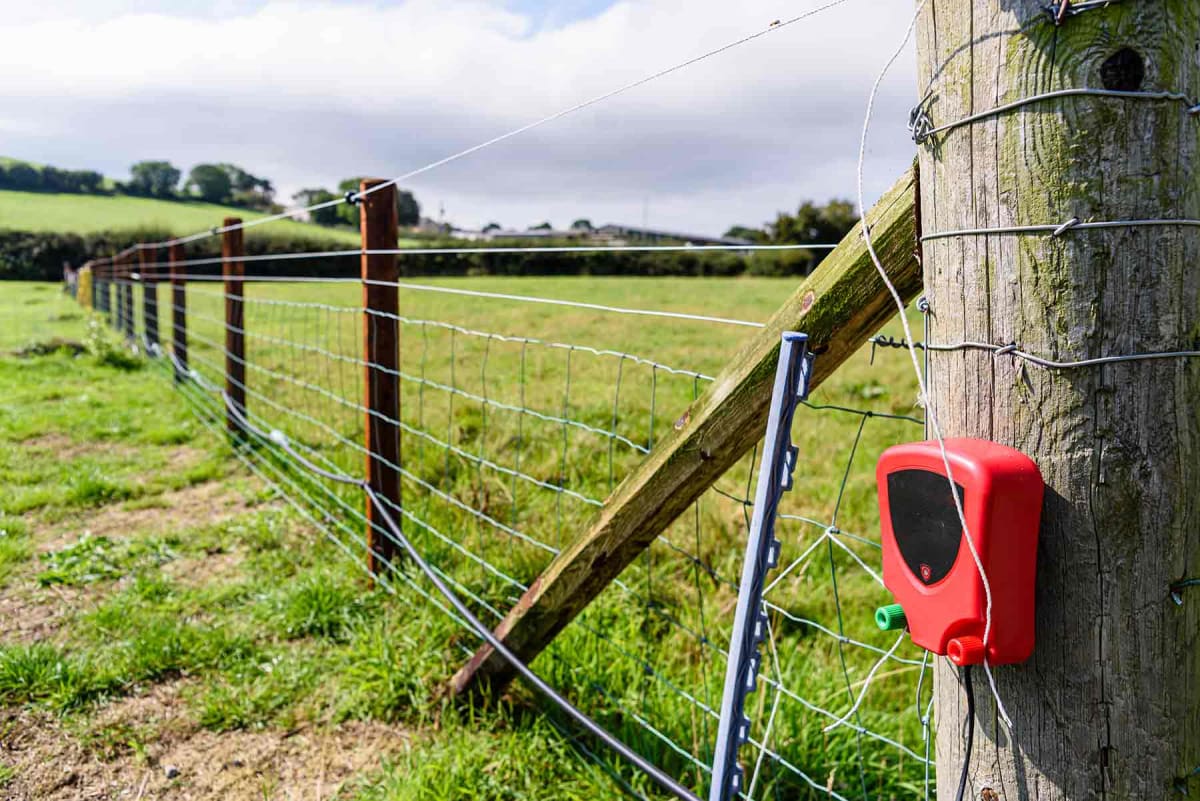
Powering your electric fence correctly is key to its effectiveness and safety. The right power source ensures consistent energy flow, which keeps your fence working reliably. Understanding your options and setup can save you frustration and help protect your property better.
Choosing The Right Energizer
Not all energizers are created equal. You need one that matches the length and type of your fence. For example, a small garden fence requires less power than a large livestock enclosure.
Look for energizers with clear joule ratings and output voltage. A higher joule rating means a stronger pulse, which is important if your fence is long or has many plants touching it. Also, consider an energizer with a built-in lightning protection feature to avoid damage during storms.
Solar Vs. Mains Power Options
Deciding between solar and mains power depends on your location and needs. Solar energizers are excellent for remote areas without easy access to electricity. They are eco-friendly and low maintenance but rely on sunlight, so battery capacity matters.
Mains-powered energizers provide steady power and are perfect if you have reliable access to electricity. However, they can be vulnerable to power outages, which may leave your fence inactive when you need it most.
Which power source fits your situation better? Consider how often you check your fence and your local weather conditions before choosing.
Ensuring Grounding Effectiveness
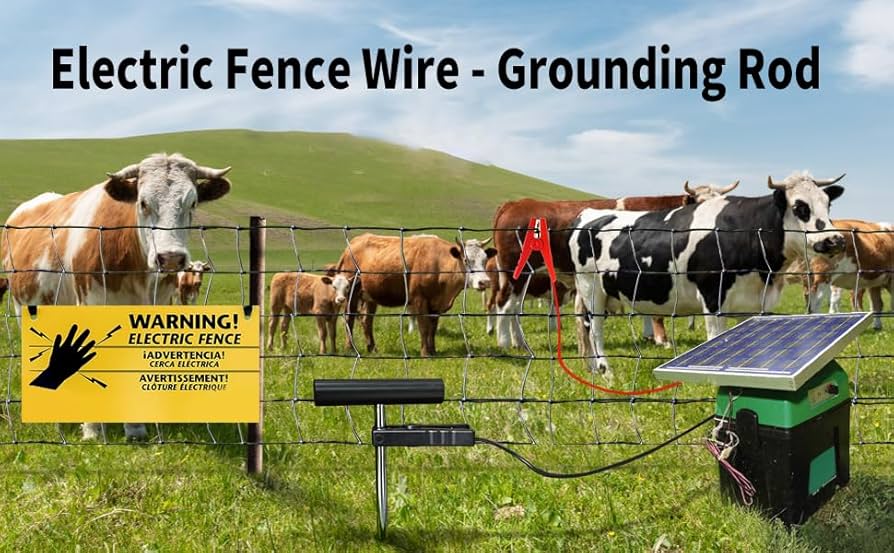
A strong grounding system is often overlooked but is critical for fence performance. Poor grounding reduces the shock delivered by the fence, making it less effective at deterring animals.
Use at least three ground rods spaced a few feet apart and driven deep into moist soil. Connect them with heavy-duty wire to your energizer’s ground terminal.
Test your grounding regularly, especially after dry spells. If your fence isn’t delivering a strong pulse, poor grounding is usually the cause—and fixing it can make a huge difference.
Safety Measures
Safety is the top priority when wiring an electric fence. Proper safety measures protect people, animals, and property. Taking simple steps reduces the risk of accidents and injuries.
Clear signs and good visibility help prevent unwanted contact. Protecting against electrical hazards keeps the system safe to use. Regular checks and maintenance ensure the fence works well over time.
Warning Signs And Visibility
Place warning signs at all entry points around the fence. Signs should be clear and easy to read. Use bright colors like yellow or red for better visibility.
Make the fence visible by adding flagging or markers on the wire. This helps people and animals see the fence from a distance. Good visibility lowers the chance of accidental shocks.
Protecting Against Electrical Hazards
Use insulated wires and secure all connections tightly. Avoid loose or exposed wires that can cause shocks. Install a proper earth grounding system to prevent electrical faults.
Keep the fence charger away from water and flammable materials. Use a charger with built-in safety features like voltage control. Teach family members and visitors about the fence’s electric nature.
Regular Inspection And Maintenance
Check the fence weekly for damage or wear. Look for broken wires, loose posts, and faulty insulators. Clear vegetation and debris from the fence line to avoid shorts.
Test the fence voltage regularly using a fence tester. Replace damaged parts immediately to keep the fence effective and safe. Schedule a full inspection at least once a year.

Credit: fencearmor.com
Troubleshooting Common Issues
Troubleshooting common issues with electric fence wiring helps keep your fence working well. Problems can stop your fence from delivering the right shock to keep animals in or out. Knowing how to spot and fix these issues saves time and money.
Identifying Power Loss
Power loss is a frequent problem with electric fences. Check the energizer first. Make sure it is plugged in and switched on. Use a fence tester to measure the voltage along the wire. Low or no voltage means power loss. Inspect the power source and connections for damage or corrosion. Replace faulty parts promptly to restore power.
Fixing Wire Breaks And Shorts
Wire breaks cause gaps in the fence circuit. Walk the fence line slowly to find broken wires. Look for loose or damaged connections at posts and gates. Shorts happen when the wire touches the ground, metal, or vegetation. Use insulated gloves and tools to repair breaks safely. Tighten or replace connectors. Cut away any parts causing shorts.
Dealing With Vegetation Interference
Plants touching the fence drain energy and weaken the shock. Trim grass, branches, and vines near the wire regularly. Keep a clear zone of at least 12 inches on both sides of the fence line. Use herbicides or gravel strips to stop fast-growing plants. Regular maintenance prevents vegetation from disrupting the fence’s function.
Credit: homeguide.com
Frequently Asked Questions
What Materials Are Needed For Electric Fence Wiring?
You need insulated wire, fence energizer, grounding rods, insulators, and connectors. These ensure proper current flow and safety.
How Do I Properly Ground An Electric Fence?
Use at least three galvanized grounding rods spaced 10 feet apart. Connect rods tightly to the energizer’s ground terminal.
Can I Use Electric Fence Wiring For Different Animals?
Yes, adjust voltage and wire spacing for animals like cattle, horses, or deer to ensure effectiveness.
How Often Should I Check Electric Fence Wiring?
Inspect wiring monthly for breaks, corrosion, and loose connections to maintain optimal fence performance and safety.
Conclusion
Electric fence wiring keeps your property safe and secure. Proper setup ensures strong and reliable power flow. Regular checks help avoid faults and maintain performance. Choose good materials and follow simple steps. This saves time and prevents damage. Clear wiring paths reduce the risk of shorts.
Keep the fence clean and dry for best results. Easy to install and maintain for any user. Protect your land with smart electric fence wiring.