
Are you planning to tackle an electrical project at home? Understanding electrical outlet wiring is crucial for any DIY enthusiast.
It might seem complex at first, but breaking it down into simple steps can make it manageable and even enjoyable. Imagine the satisfaction of safely installing or fixing an outlet on your own. Plus, having this skill can save you time and money.
By the end of this article, you'll gain the confidence to handle electrical outlet wiring like a pro. We'll guide you through essential tips and safety measures, ensuring you're not just guessing but making informed decisions. Ready to empower yourself with practical skills that will benefit you for years to come? Let's dive in and explore the world of electrical outlet wiring together.
Types Of Electrical Outlets
Electrical outlets come in different types to fit various needs and safety standards. Choosing the right outlet ensures safe use and proper wiring in your home or office. Each type has specific features that match different environments and devices.
Standard Outlets
Standard outlets are the most common in homes and buildings. They provide power for everyday devices like lamps and chargers. These outlets usually have two or three slots for plugs. They are simple and easy to install but lack extra safety features.
Gfci Outlets
GFCI outlets protect against electric shocks. They quickly cut off power if they detect a ground fault. These outlets are important in wet areas such as kitchens, bathrooms, and garages. They help prevent serious injuries from electric shocks.
Afci Outlets
AFCI outlets stop electrical fires by detecting arc faults. Arc faults are dangerous sparks caused by damaged wires or loose connections. These outlets are required in many new homes for bedrooms and living areas. AFCI outlets increase safety by reducing fire risks.
Usb Integrated Outlets
USB integrated outlets combine power sockets with USB ports. They allow charging of phones, tablets, and other devices without adapters. These outlets save space and reduce clutter. They are perfect for modern homes and offices with many gadgets.

Credit: www.familyhandyman.com
Tools And Materials Needed
Wiring an electrical outlet requires specific tools and materials. These ensure the job is done safely and correctly. Having the right gear makes the process smoother and reduces mistakes.
This section lists essential tools and materials. It helps prepare you before starting the wiring task.
Basic Tools
- Voltage tester – checks if power is off
- Wire stripper – removes insulation from wires
- Needle-nose pliers – bends and holds wires
- Screwdriver set – tightens screws on outlet and box
- Utility knife – cuts wires and sheathing
- Electrical tape – insulates wire connections
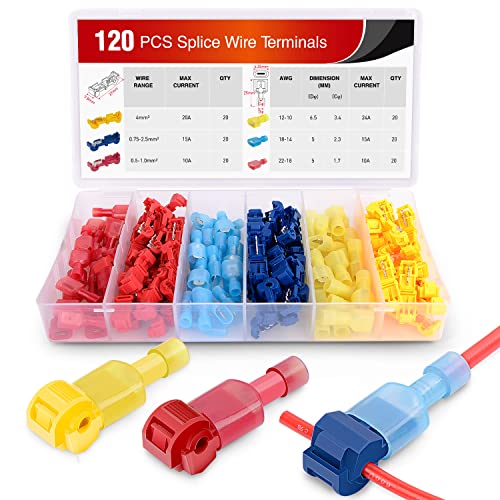
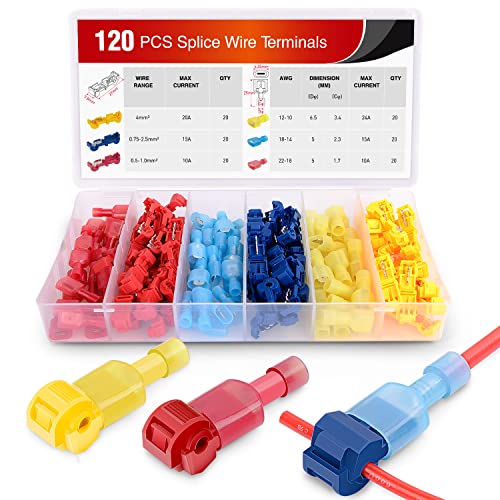
- Wire nuts – secures wire connections
Safety Gear
- Insulated gloves – protects from electric shock
- Safety goggles – shields eyes from debris
- Face mask – prevents dust inhalation
- Non-conductive shoes – reduces risk of shock
- Work light – improves visibility in dark spaces
Wiring Components
- Electrical outlet – the device to install
- Outlet box – holds the outlet securely
- Electrical cables – carries power to the outlet
- Ground wire – ensures safe path for electricity
- Wire connectors – joins wires together safely
- Faceplate – covers and protects the outlet
Preparing For Installation
Preparing for electrical outlet wiring is crucial for a safe and smooth installation process. Careful planning prevents mistakes and hazards. It saves time and effort during the work. This stage involves safety checks and choosing the right spot for the outlet. Follow clear steps to get ready.
Turning Off Power
Always turn off the power at the main circuit breaker before starting. This step protects you from electric shocks. Use a label or tape to mark the switch as off. Never trust that the power is off without testing.
Testing Existing Wiring
Use a voltage tester to check if wires carry current. Test each wire carefully to avoid surprises. Confirm the wires are in good condition and not damaged. Faulty wiring needs repair before installing the outlet. This check ensures safety and proper function.
Choosing Outlet Location
Select a location that fits your needs and room layout. Consider accessibility and convenience for plugging devices. Avoid placing outlets near water sources or heat. Follow local building codes for outlet placement rules. Mark the spot clearly before starting wiring work.

Credit: www.familyhandyman.com
Step-by-step Wiring Process
Wiring an electrical outlet is a task that requires care and attention. Following a clear step-by-step process ensures safety and functionality. Each stage builds on the previous one, creating a smooth workflow.
This guide simplifies the wiring process. It helps to understand each part clearly.
Removing Old Outlet
Turn off the power at the circuit breaker. Use a voltage tester to confirm no electricity flows. Remove the outlet cover by unscrewing it. Unscrew the outlet from the electrical box. Carefully pull the outlet out to expose the wires.
Identifying Wires
Look for three types of wires:
- Hot wire:Usually black or red, carries electricity.
- Neutral wire:Usually white, returns electricity.
- Ground wire:Usually green or bare copper, for safety.
Double-check wire colors before proceeding. Use a wire tester if needed.
Connecting Wires Correctly
Connect the hot wire to the brass screw. Attach the neutral wire to the silver screw. Connect the ground wire to the green screw. Loop wires clockwise around screws for a tight fit. Tighten screws securely to avoid loose connections.
Securing The Outlet
Gently push wires back into the electrical box. Align the outlet with the screw holes. Screw the outlet firmly to the box. Replace the outlet cover and screw it on. Turn power back on and test the outlet for proper function.
Common Wiring Mistakes To Avoid
Electrical outlet wiring requires careful attention to detail. Mistakes can cause shocks, fires, or damage. Avoiding common wiring errors ensures safety and functionality. Here are frequent wiring mistakes to watch for.
Reversed Polarity
Reversed polarity happens when the hot and neutral wires swap places. This mistake can make outlets dangerous. Devices may not work correctly or create shock risks. Always connect the black (hot) wire to the brass terminal. The white (neutral) wire must go to the silver terminal.
Loose Connections
Loose connections cause flickering outlets and sparks. Over time, they can lead to overheating or fires. Tighten screws firmly but avoid over-tightening. Check that wires are securely wrapped around terminals. Inspect connections regularly for safety and reliability.
Overloading Circuits
Overloading happens when too many devices run on one circuit. This causes breakers to trip or wires to heat up dangerously. Spread out appliances across multiple circuits. Know the circuit’s amperage rating and avoid exceeding it. Proper load management protects your home and devices.
Safety Tips And Precautions
Working with electrical outlet wiring demands careful attention to safety. Mistakes can lead to shocks, fires, or damage to your electrical system. Taking the right precautions protects you and your home while ensuring your wiring functions correctly.
Using A Voltage Tester
Never assume the power is off just because you flipped a switch. Always use a voltage tester before touching any wires. This simple tool confirms whether current is flowing, preventing accidental shocks.
Test the voltage tester on a known live circuit first to make sure it works properly. Then check the outlet or wires you plan to work on. If the tester shows any voltage, do not proceed until power is completely disconnected.
Proper Grounding
Grounding provides a safe path for electricity to follow in case of a fault. Without proper grounding, you risk electric shock or damage to devices. Always connect the outlet’s ground wire to the grounding system in your home.
If your wiring doesn’t include a ground, consider upgrading it rather than skipping the step. Grounding might seem like an extra hassle, but it’s essential for safety and code compliance.
Code Compliance
Electrical codes exist to keep you safe and ensure installations last. Check the latest local electrical codes before starting your project. Ignoring these rules can result in unsafe wiring and failed inspections.
Are you aware of the specific outlet types and wiring methods your area requires? Following code means using the right materials and techniques, which reduces risk and future headaches. If unsure, consulting a licensed electrician is a smart move.
Testing The Installed Outlet
Testing the installed outlet is crucial to ensure safety and functionality. It helps you catch wiring errors early and prevents electrical hazards. Taking the time to test gives you peace of mind that your outlet is ready to use.
Using Outlet Testers
Outlet testers are simple devices you plug into the outlet to check wiring correctness. They indicate issues like reversed polarity, open ground, or no power with clear lights or symbols.
These testers are affordable and easy to use even if you’re not an expert. Have you ever plugged in a device only to find it didn’t work? An outlet tester can save you from that frustration by confirming your outlet is wired properly before use.
Checking For Proper Ground
Proper grounding is essential for your safety and the protection of your electronics. Without a ground, faults in wiring can cause electric shocks or damage.
You can verify grounding using a multimeter by measuring voltage between the ground and hot terminals. If you’re unsure, double-check with an outlet tester that includes a ground check feature. Ensuring your outlet has a solid ground connection helps avoid costly repairs later.
Ensuring Gfci Functionality
Ground Fault Circuit Interrupters (GFCIs) protect against electric shocks by shutting off power when they detect current leakage. Testing GFCI outlets regularly is critical, especially in kitchens, bathrooms, and outdoor areas.
Press the “Test” button on the GFCI outlet to cut power and the “Reset” button to restore it. If the outlet doesn’t trip or reset properly, it may need replacement. Have you ever wondered if your GFCI is actually protecting you? Testing it ensures your safety isn’t just assumed.
When To Call A Professional
Knowing when to call a professional for electrical outlet wiring can save you from costly repairs and serious safety hazards. Handling electrical work yourself might seem tempting, especially for simple tasks. But some situations demand the expertise only a licensed electrician can provide.
Complex Wiring Issues
Wiring problems that involve multiple circuits, hidden faults, or inconsistent power flow can be tricky. If you notice flickering lights, frequent breaker trips, or burning smells near outlets, it’s a clear sign that the wiring needs professional attention.
Attempting to fix these complex issues without proper knowledge might cause more damage or create fire risks. Professionals use specialized tools to diagnose and resolve these problems safely and efficiently.
Upgrading Electrical Panels
Upgrading your electrical panel is not just about adding more outlets. It involves handling high-voltage connections and ensuring your home can support modern electrical demands safely.
If your panel is outdated or frequently overloaded, calling a professional is crucial to avoid electrical failures. They can assess your current setup and recommend the right upgrades to match your usage.
Local Regulations And Permits
Electrical work is often regulated by local laws that require permits and inspections. Ignoring these rules can lead to fines or void your home insurance if something goes wrong.
Hiring a licensed electrician ensures your project complies with all codes and passes inspections smoothly. Have you checked the permit requirements in your area before starting your next wiring project?

Credit: www.angi.com
Frequently Asked Questions
What Are The Basic Steps For Electrical Outlet Wiring?
First, turn off the power at the circuit breaker. Connect the black wire to the brass terminal, white wire to the silver terminal, and ground wire to the green terminal. Secure the outlet in the box and restore power to test.
How Do I Identify Wiring Colors For Outlets?
In standard wiring, black is hot, white is neutral, and green or bare copper is ground. These colors help ensure correct and safe connections during electrical outlet wiring.
Can I Install An Outlet Without A Ground Wire?
It is not recommended. Ground wires prevent electrical shocks and equipment damage. Use outlets with ground protection only when a proper ground is available.
What Tools Are Needed For Electrical Outlet Wiring?
You need a voltage tester, wire stripper, screwdriver, pliers, and electrical tape. These tools help ensure safe, accurate, and efficient outlet wiring installation.
Conclusion
Wiring electrical outlets safely is very important. It helps prevent shocks and fires. Always follow basic steps and use the right tools. Check your work carefully before turning power back on. If unsure, ask a professional for help. Good wiring keeps your home safe and working well.
Simple care makes a big difference in electrical safety. Stay cautious and take your time with each outlet. Safety first, always.