

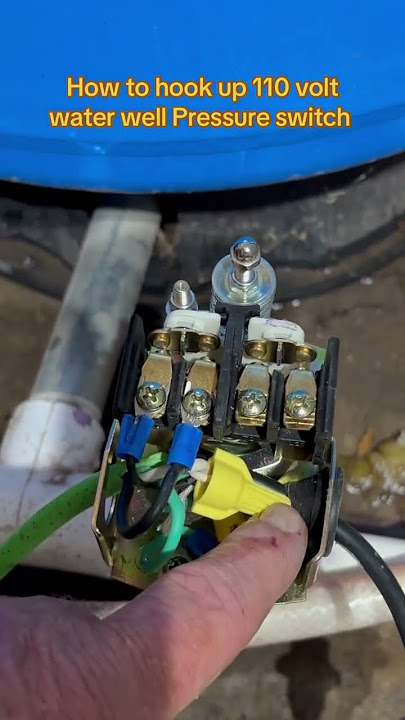
Are you thinking about installing or maintaining a water well pump? Understanding water well pump electrical wiring is crucial to ensure its efficient and safe operation.
Whether you're a seasoned DIY enthusiast or just starting with home improvements, water well pump electrical wiring can seem daunting. But don't worry! With the right guidance, you can master it and ensure your pump functions perfectly.
We'll demystify the process with clear, step-by-step instructions. You'll learn how to avoid common pitfalls, save money, and gain peace of mind knowing your water supply is secure and reliable. Ready to dive in? Let's get started!
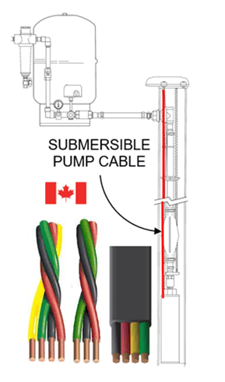
Credit: support.boshart.com
Types Of Water Well Pumps
Choosing the right type of water well pump is crucial for ensuring efficient water supply and electrical wiring compatibility. Each pump type has unique features that affect how you wire it and maintain it. Understanding these differences helps you avoid costly mistakes and keep your system running smoothly.
Submersible Pumps
Submersible pumps sit deep inside the well, pushing water to the surface. Because they operate underwater, their electrical wiring must be waterproof and well-insulated to prevent short circuits.
Wiring these pumps involves running a multi-conductor cable down the well, which can be tricky but protects the motor from damage. Have you checked if your wiring setup includes a proper ground fault circuit interrupter (GFCI)? It’s a simple step that can save your pump and your safety.
Jet Pumps
Jet pumps are installed above ground and pull water up through suction. Their electrical wiring is more accessible, making installation and repairs easier for homeowners.
These pumps typically require a dedicated circuit with proper voltage and amperage ratings. If you’ve ever struggled with your jet pump not starting, incorrect wiring or insufficient power supply is often the culprit.
Centrifugal Pumps
Centrifugal pumps use a rotating impeller to move water and are common in shallow wells or irrigation systems. Their wiring depends on the motor type, but usually, a standard single-phase power supply is enough.
Because these pumps run at high speeds, ensuring the wiring can handle the electrical load is vital to prevent overheating. When wiring your centrifugal pump, have you considered using a motor starter or overload protector? These devices help extend pump life and avoid electrical hazards.

Credit: veloxboreholes.com
Essential Electrical Components
Understanding the essential electrical components in your water well pump system is key to ensuring reliable operation and safety. These parts work together to control power flow, protect your equipment from electrical faults, and maintain smooth performance. Knowing how each component functions helps you troubleshoot issues more effectively and keeps your pump running efficiently.
Circuit Breakers And Fuses
Circuit breakers and fuses act as the first line of defense against electrical overloads. They cut off power automatically when the current exceeds safe levels, preventing damage or fire. Choosing the right breaker size for your pump’s motor is crucial; too large, and it won’t protect properly, too small, and it might trip unnecessarily.
Have you checked if your breaker matches your pump’s specifications? Using a fuse or breaker rated correctly ensures your system stays safe during power surges or short circuits.
Control Boxes And Relays
Control boxes house the components that manage your pump’s operation, including relays that switch the motor on and off. These relays respond to signals from pressure switches or timers, making sure the pump runs only when needed. If your pump starts or stops erratically, the control box and relays are often the culprits.
Investing in a quality control box can extend your pump’s lifespan. Have you ever noticed your pump cycling too frequently? That’s a sign to inspect these components closely.
Wiring And Connectors
Proper wiring and secure connectors are the veins of your water well pump system, carrying electricity safely to each part. Using waterproof connectors and appropriate gauge wires reduces risks of shorts and power losses. Loose or damaged wiring can cause your pump to fail unexpectedly, leading to costly repairs.
Have you ever experienced flickering pump power or sudden shutdowns? Examining your wiring for corrosion or wear might solve the problem before it worsens.
Safety Precautions
Working with water well pump electrical wiring requires strict safety measures. Electricity and water create a risky combination. Taking proper precautions prevents accidents and injuries. Focus on using the right gear, following procedures, and ensuring safe electrical connections.
Personal Protective Equipment
Wear insulated gloves to protect against electric shocks. Use safety goggles to shield your eyes from sparks or debris. Non-slip boots help avoid falls near wet areas. Long sleeves and durable clothing protect your skin from cuts and burns.
Lockout And Tagout Procedures
Always disconnect power before starting any wiring work. Use lockout devices to keep switches in the off position. Attach tags that warn others about ongoing maintenance. This prevents accidental energizing of the circuit during repair.
Grounding And Bonding
Proper grounding directs electrical faults safely into the earth. Bonding connects all metal parts to prevent shock hazards. Check grounding wires for damage before installation. This step reduces the risk of electrical fires and injuries.
Step-by-step Wiring Process
Wiring a water well pump might seem complicated, but breaking the process into clear steps makes it manageable. Each stage builds on the previous one, ensuring your system runs safely and efficiently. Let’s walk through the essential parts of the wiring process so you can feel confident tackling this project.
Planning The Wiring Layout
Start by mapping out where every component will go—pump, control box, power source, and wiring paths. This plan helps avoid confusion and reduces the risk of mistakes.
Think about the distance between parts and the type of cables needed. Are there obstacles or wet areas that require special protection? Taking these details into account saves time and prevents costly errors.
Connecting The Power Supply
Next, focus on safely linking your power source to the control box. Always switch off the main breaker before working with electrical circuits.
Use appropriately rated wires and secure connections with wire nuts or terminal blocks. Double-check voltage and amperage requirements to match your pump specifications.
Installing The Control Box
The control box acts as the brain of your system. Mount it in a dry, accessible spot near the pump.
Inside, connect the start and run capacitors, overload protector, and any switches following the manufacturer’s wiring diagram. Proper grounding here is crucial to avoid shocks and equipment damage.
Wiring The Pump Motor
Attach the motor wires to the control box terminals as labeled. Make sure to use waterproof connectors if the motor is submerged or exposed to moisture.
Keep wire lengths tidy and secured to prevent wear or accidental disconnections. Have you ever seen a pump fail because a wire came loose? Avoid that by tightening every connection firmly.
Testing The System
Before sealing everything up, test your setup thoroughly. Turn on the power and listen for unusual noises or vibrations.
Check if the pump starts smoothly and delivers water at the expected pressure. If something feels off, re-examine your wiring and connections—you’ll catch problems early and save headaches later.
Common Wiring Mistakes To Avoid
Wiring a water well pump requires careful attention. Mistakes in electrical wiring can cause pump failure or safety hazards. Avoiding common wiring errors ensures your pump runs smoothly and lasts longer. Here are some frequent wiring mistakes to watch out for.
Incorrect Wire Sizing
Using the wrong wire size can cause serious problems. Too thin wires overheat and may cause fire. Too thick wires can be costly and hard to handle. Always match wire size to the pump’s power and distance. Check the pump’s manual for wire gauge recommendations.
Poor Connections
Loose or corroded connections disrupt power flow. They lead to pump damage and frequent outages. Use proper connectors and tighten all terminals firmly. Inspect connections regularly for signs of wear or corrosion. Clean contacts improve electrical flow and pump efficiency.
Skipping Grounding
Grounding protects against electric shocks and equipment damage. Many overlook this vital safety step. Always connect the pump to a proper ground wire. Use grounding rods or metal water pipes as grounding points. Proper grounding reduces risk and improves system stability.
Troubleshooting Electrical Issues
Electrical issues with your water well pump can be frustrating and costly if not addressed promptly. Troubleshooting these problems requires a clear understanding of common faults and their symptoms. By identifying issues early, you can save time, money, and avoid unnecessary repairs.
Identifying Power Failures
First, check if the pump is receiving power. Sometimes, a simple tripped breaker or blown fuse is the culprit. Use a multimeter to verify voltage at the pump's electrical panel.
Loose wiring or corroded connections can also interrupt power. Inspect all wiring terminals for tightness and signs of wear. Have you ever found a loose wire that was causing your pump to stop suddenly? It’s more common than you might think.
Motor Not Starting
If the power is intact but the motor won’t start, the issue could be the start capacitor. A faulty capacitor often prevents the motor from kicking in despite receiving power.
Listen for a humming sound without rotation; this usually points to a bad capacitor. Testing or replacing this part can often restore function quickly.
Another possibility is the motor’s thermal overload protector activating. This safety feature stops the motor if it overheats, but it can sometimes trip unnecessarily.
Overheating And Noise Problems
Overheating often results from poor ventilation or electrical faults like short circuits. Check for blocked vents or dirt buildup around the motor housing.
Unusual noises such as grinding or rattling could indicate worn bearings or an electrical imbalance. Have you noticed that strange sound before the pump failed? Ignoring these noises can lead to bigger problems.
Using a clamp meter to monitor current draw helps detect electrical issues causing overheating. Excessive current draw means the motor is working harder than it should, signaling a problem that needs immediate attention.
Maintenance Tips For Electrical Systems
Maintaining the electrical system of a water well pump ensures it runs safely and efficiently. Regular care prevents breakdowns and extends the pump's lifespan. Simple checks can catch small issues before they become costly problems.
Regular Inspections
Check the wiring and electrical components often. Look for signs of wear, corrosion, or damage. Inspect the control box for moisture or dirt. Confirm the pump's voltage matches the recommended levels. Early detection avoids sudden failures.
Cleaning And Tightening Connections
Clean all electrical connections to remove dust and grime. Use a soft brush or cloth for cleaning. Tighten loose wires and terminals carefully. Loose connections cause sparks and reduce efficiency. Clean contacts improve current flow and safety.
Replacing Worn Components
Replace any damaged or worn parts immediately. Look for frayed wires, cracked insulation, or burnt terminals. Old fuses and switches should be changed regularly. Using new components keeps the system reliable and safe. Always use parts that match the pump’s specifications.
Compliance With Electrical Codes
Ensuring your water well pump electrical wiring meets code requirements isn’t just about following rules—it’s about safety and reliability. Ignoring these standards can lead to serious hazards, costly repairs, or even system failure. Understanding what’s required helps you avoid these issues and keeps your setup running smoothly.
National Electrical Code Requirements
The National Electrical Code (NEC) sets the foundation for safe electrical installations across the U.S. It specifies proper wiring methods, grounding, and protection needed for water well pumps. For example, NEC mandates the use of grounding electrodes and proper circuit breakers to prevent electrical shock and fire risks.
Have you checked if your wiring uses the right gauge wire or if the circuit breaker matches your pump’s power needs? These details matter because improper wire size can cause overheating or voltage drops that damage your pump.
Local Regulations
Local codes can add extra layers of rules tailored to your area’s conditions. These might include requirements for weatherproof connections or specific grounding practices. You might find that your county or city demands different conduit types or installation depths to protect the wiring.
Ignoring local rules can lead to fines or forced rework. It’s a good idea to contact your local building department before starting any wiring project. Have you confirmed which local amendments apply where you live?
Permits And Inspections
Most jurisdictions require permits before installing or modifying water well pump wiring. Getting the proper permit ensures your work is reviewed for safety and compliance. Inspections verify that all wiring meets code and functions safely before the system is put into use.
Skipping permits or inspections might save time initially, but it risks future liability and insurance problems. Think about the peace of mind you gain knowing a professional inspector has checked your setup. Have you secured all necessary permits for your recent pump installation?
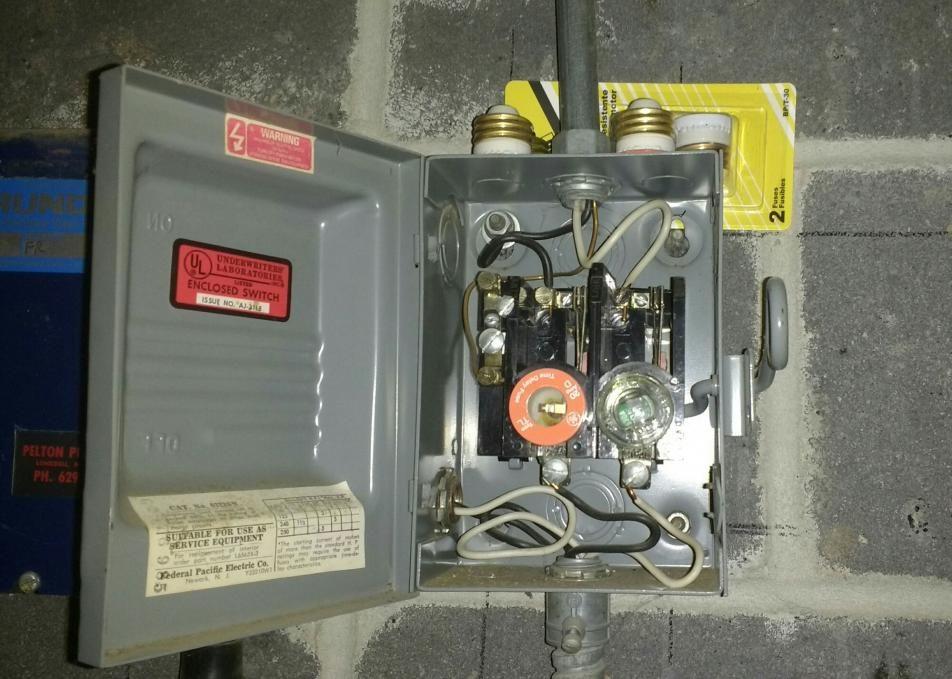
Credit: www.doityourself.com
Frequently Asked Questions
How Do I Wire A Water Well Pump Safely?
Always turn off power before wiring. Use proper gauge wire and follow local electrical codes. Connect wires to the pump motor terminals correctly and ensure all connections are waterproof to prevent electrical hazards.
What Wire Size Is Best For Well Pump Wiring?
Wire size depends on pump horsepower and distance from the power source. Generally, 12 to 10 gauge wire suits small pumps. Larger pumps require thicker wire to prevent voltage drop and ensure efficient operation.
Can I Use A Regular Extension Cord For Well Pumps?
No, regular extension cords are unsafe for well pumps. Use properly rated, heavy-duty wiring designed for outdoor and wet conditions to avoid electrical shock and equipment damage.
Why Does My Well Pump Keep Tripping The Breaker?
Frequent breaker trips may indicate wiring faults, motor overload, or a short circuit. Inspect wiring for damage and ensure the breaker matches pump specifications. Consult a professional if issues persist.
Conclusion
Proper wiring of a water well pump ensures safe and efficient operation. Always follow wiring diagrams and local electrical codes carefully. Use the right tools and materials to avoid damage or hazards. Regular checks help spot issues early and keep the system running smoothly.
Taking time to wire correctly saves money and prevents accidents. Stay safe by turning off power before starting any work. Clear wiring helps the pump work better and last longer. Simple steps make a big difference in your water well pump’s performance.

