

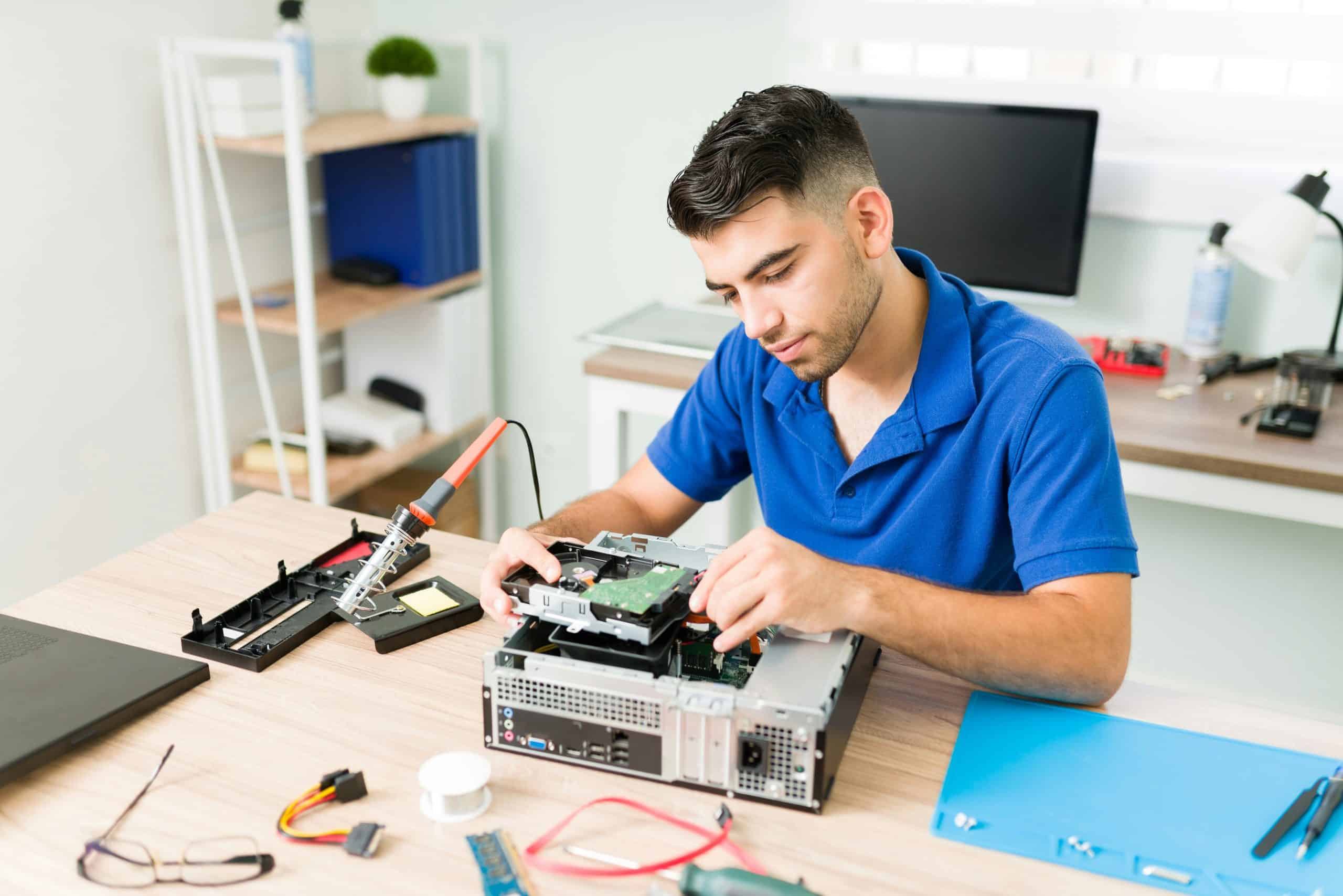
Are you curious about the technology that powers your favorite gadgets and devices? Ever wondered who is behind the design and development of electrical systems that make your life easier?
Meet the electrical hardware engineer, the unsung hero of the tech world. This fascinating role is at the heart of innovation, ensuring that the electronic products you use daily are efficient, reliable, and cutting-edge. You'll discover what it takes to become an electrical hardware engineer, the skills required, and the exciting opportunities that await in this dynamic field.
Keep reading to uncover the secrets of a career that blends creativity with technical expertise and find out if this path could be the perfect fit for your future.
Core Technical Skills
Electrical hardware engineers need strong technical skills to design and test electronic systems. These skills help them create efficient, reliable products. Understanding core areas ensures engineers solve problems quickly and build better circuits. The key skills include circuit design, embedded systems, power electronics, and signal processing.
Circuit Design And Analysis
Circuit design involves creating layouts for electronic components. Engineers use software tools to build and test circuits virtually. Analysis checks how circuits perform under different conditions. This skill helps prevent failures and improve device efficiency.
Embedded Systems
Embedded systems combine hardware and software in one device. Engineers program microcontrollers to control specific functions. These systems run in many devices like cars, phones, and appliances. Understanding embedded systems allows engineers to build smart, responsive products.
Power Electronics
Power electronics deals with controlling electrical energy flow. Engineers design circuits to convert and manage power efficiently. This skill is vital for devices using batteries or renewable energy. It improves energy savings and device lifespan.
Signal Processing
Signal processing focuses on analyzing and modifying signals. These signals can be audio, video, or sensor data. Engineers use filters and algorithms to improve signal quality. This skill is essential for communication and control systems.
Credit: www.opal-rt.com
Software Proficiency
Software skills are vital for an Electrical Hardware Engineer. These skills help design, test, and improve electrical systems efficiently. Understanding different software tools boosts accuracy and saves time in projects.
Engineers use various types of software. Each serves a specific purpose in the hardware development process. Below are the key software categories essential for this role.
Cad Tools
CAD (Computer-Aided Design) tools create detailed electrical circuit layouts. These tools help engineers visualize and modify designs easily. Popular CAD software includes:
- AutoCAD Electrical
- Altium Designer
- Eagle PCB
Using CAD tools, engineers draw precise circuit diagrams and board layouts. This reduces errors and improves communication with manufacturers.
Simulation Software
Simulation software tests electrical designs before building physical prototypes. It predicts how circuits behave under different conditions. Common simulation programs are:
- SPICE (Simulation Program with Integrated Circuit Emphasis)
- MATLAB Simulink
- Multisim
Simulations save time and cost by identifying problems early. They allow engineers to tweak designs and ensure reliability.
Programming Languages
Programming knowledge helps engineers automate tasks and control hardware. Some languages are crucial for embedded systems and testing. Important programming languages include:
- C and C++
- Python
- VHDL and Verilog (for hardware description)
These languages support firmware development and hardware debugging. Coding skills enhance the ability to integrate software with hardware smoothly.
Problem-solving Techniques
Electrical hardware engineers face complex challenges daily. Effective problem-solving techniques help them find solutions quickly and accurately. These methods improve design, testing, and maintenance processes. Engineers use clear strategies to identify issues and fix them efficiently.
Troubleshooting Methods
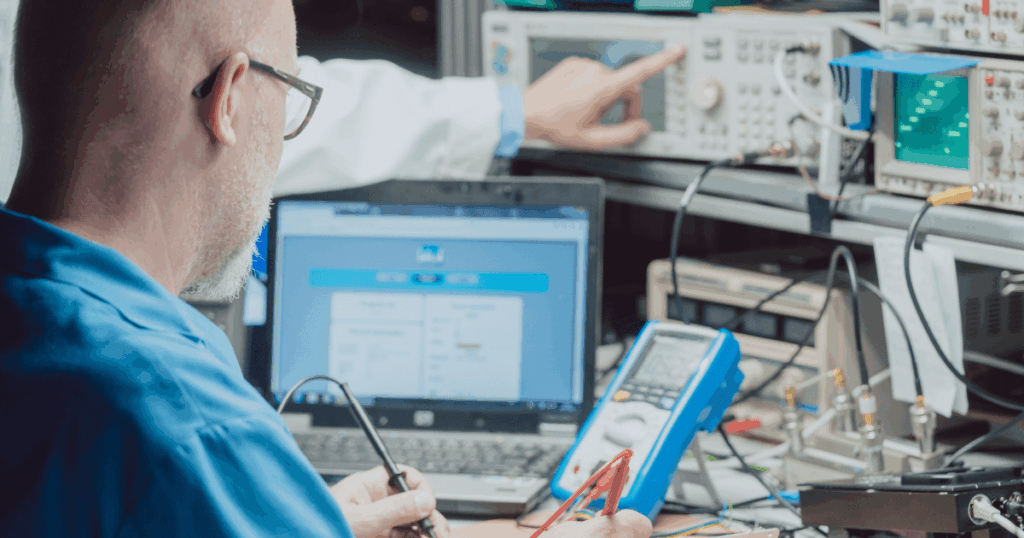
Troubleshooting starts with gathering all necessary information. Engineers check circuits, components, and connections carefully. They use tools like multimeters and oscilloscopes to test hardware. Step-by-step checks help isolate the problem area. Documenting each step ensures no detail is missed. This method saves time and avoids repeated errors.
Root Cause Analysis
Root cause analysis digs deeper than symptoms. It looks for the main reason behind a failure. Engineers use techniques like the “5 Whys” to ask why repeatedly. This uncovers hidden faults in design or materials. Fixing the root cause prevents the problem from returning. It also improves the overall system’s reliability and safety.
Optimization Strategies
Optimization focuses on improving hardware performance and efficiency. Engineers analyze current designs and identify weak points. They adjust components to reduce power use and increase speed. Simulation software helps test changes before building physical models. Small tweaks can lead to big improvements in function. This approach ensures better quality and longer-lasting products.
Credit: admissions.purdue.edu
Project Management Skills
Project management skills are essential for an Electrical Hardware Engineer. These skills help in organizing tasks, meeting deadlines, and ensuring smooth project execution. Managing a project well leads to better results and efficient use of resources.
Time Management
Effective time management helps engineers meet tight deadlines. It involves planning daily tasks and prioritizing important activities. Proper scheduling reduces stress and avoids last-minute rushes. Tracking progress regularly keeps the project on schedule. Time management boosts productivity and ensures timely delivery.
Team Collaboration
Team collaboration is vital for complex hardware projects. Engineers must communicate clearly with colleagues and stakeholders. Sharing ideas and feedback improves design quality. Working together solves problems faster and avoids mistakes. Good collaboration creates a positive work environment and drives success.
Resource Allocation
Resource allocation means using materials, tools, and people wisely. Engineers must assign tasks based on skills and availability. Managing budgets and equipment prevents waste and delays. Proper resource allocation keeps the project within cost limits. It helps achieve project goals efficiently and smoothly.
Communication Abilities
Communication abilities are vital for electrical hardware engineers. These skills help them share ideas clearly with teams and clients. Strong communication leads to better project outcomes and fewer errors. Engineers must convey complex information simply and accurately.
Technical Documentation
Creating clear technical documents is essential. These include schematics, manuals, and reports. Good documentation ensures others understand designs and instructions. It helps during troubleshooting and future upgrades. Precise language and organized content make documents useful and easy to follow.
Presentation Skills
Presenting ideas clearly is key for engineers. They explain designs and progress to teams or stakeholders. Effective presentations use simple language and visuals. This keeps audiences engaged and informed. Confidence and clarity build trust in the engineer’s expertise.
Cross-functional Communication
Electrical hardware engineers often work with diverse teams. These include software developers, project managers, and clients. Clear communication prevents misunderstandings and delays. It requires listening skills and adapting messages for different audiences. Collaboration improves when everyone understands the goals and challenges.
Industry Trends and Adaptability
Electrical hardware engineers must stay updated with industry trends. The field changes fast. Adapting to new tools, methods, and rules is key for success. Engineers who keep learning and adjust quickly remain valuable. This section covers major trends and how engineers adapt.
Emerging Technologies
New technologies constantly affect electrical hardware design. Engineers use advanced materials and smaller, faster chips. Smart sensors and IoT devices grow in importance. Engineers must understand these tools and how to apply them. Staying current ensures designs meet modern demands.
Continuous Learning
Learning never stops for electrical hardware engineers. They attend workshops, courses, and conferences. Reading technical papers helps them grasp new ideas. Hands-on practice with new equipment builds skills. Continuous learning keeps engineers ready for future challenges.
Regulatory Standards
Regulations control hardware safety and performance. Engineers follow strict rules to meet industry standards. These standards change as technology evolves. Keeping updated with regulations avoids costly mistakes. Compliance ensures products are safe and reliable for users.

Credit: www.edmates.com
Frequently Asked Questions
What Does An Electrical Hardware Engineer Do?
An Electrical Hardware Engineer designs and tests electrical devices and systems. They develop circuits, ensure functionality, and improve hardware performance in electronics and electrical products.
What Skills Are Needed For Electrical Hardware Engineers?
Key skills include circuit design, problem-solving, CAD software proficiency, and knowledge of electrical standards. Strong analytical and communication skills are also essential.
How To Become An Electrical Hardware Engineer?
Earn a bachelor's degree in electrical engineering or related fields. Gain practical experience through internships and develop skills in hardware design and testing.
What Industries Hire Electrical Hardware Engineers?
They work in electronics, telecommunications, automotive, aerospace, and manufacturing industries. These engineers design components for devices, vehicles, and communication systems.
Conclusion
Electrical hardware engineers design and build important technology. They work with circuits, devices, and systems every day. This job needs strong skills and careful thinking. It offers many chances to learn and grow. Understanding this role helps you see how devices around us work.
A career in electrical hardware engineering can be both rewarding and stable. Consider this path if you enjoy solving problems and creating new tools. The field keeps changing, so staying curious is key. It is a smart choice for those who like hands-on work and technology.