
Have you ever stopped to think about the wiring inside your home? Old electrical wiring might be hiding serious risks that could affect your safety and your wallet.
If your home still has outdated wires, you could be facing problems like frequent power outages, flickering lights, or even fire hazards. But don’t worry—understanding what old electrical wiring means for you is the first step to protecting your home and family.
Keep reading to discover the signs of aging wiring, why it matters, and what you can do to keep your electrical system safe and reliable.
Signs Of Aging Wiring
Old electrical wiring can cause many problems in your home. Signs of aging wiring often appear before serious issues arise. Spotting these signs early helps prevent hazards like fires and power failures. Pay attention to unusual changes in your electrical system.
Discolored Or Frayed Cables
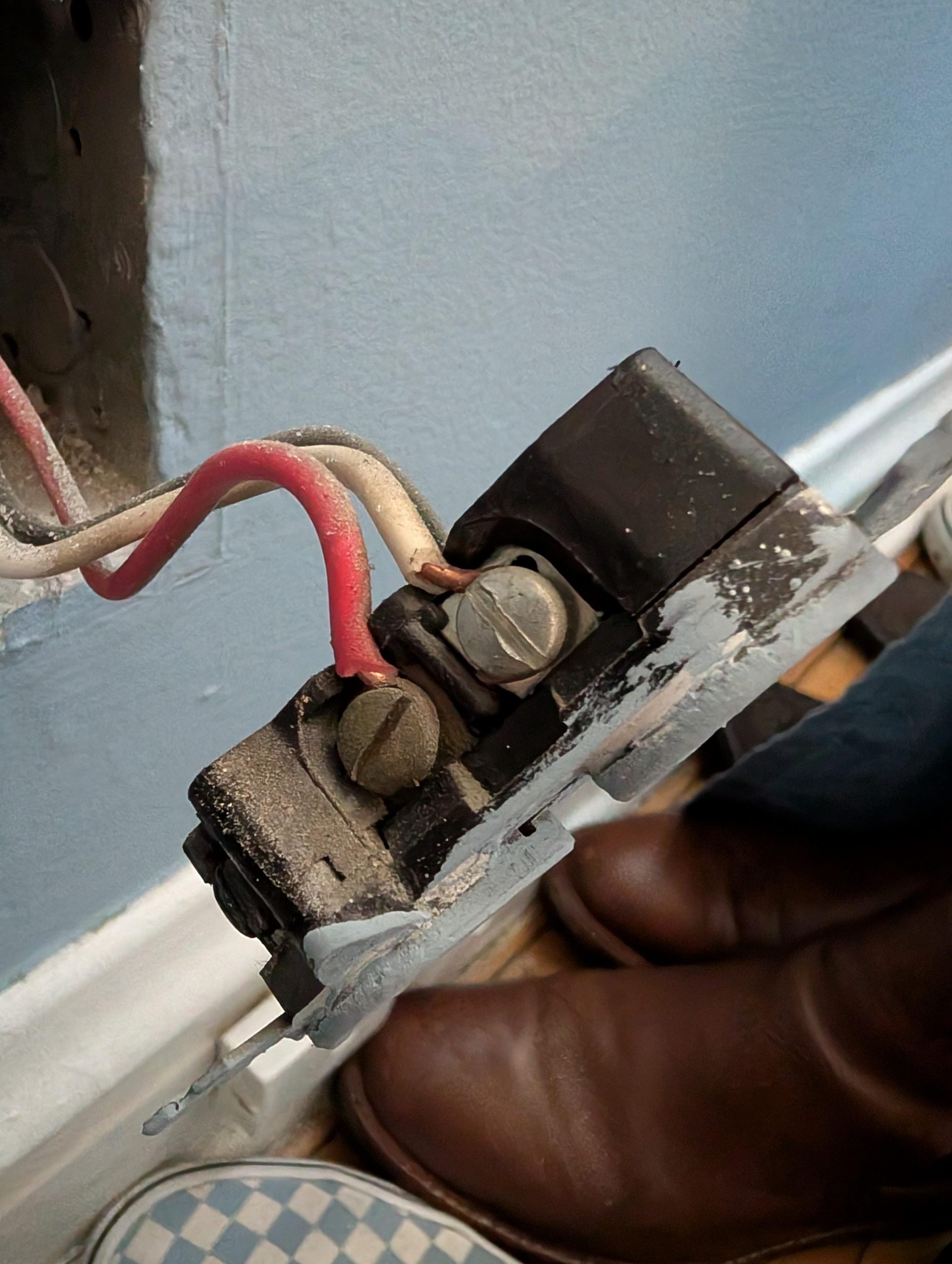
Look closely at your wiring for any discoloration or fraying. Cables that look burnt or cracked show damage from heat or wear. Frayed wires expose metal, increasing the risk of electric shock or fire. Old insulation may become brittle and break easily.
Frequent Circuit Breaker Trips
Circuit breakers that trip often signal overloaded or faulty wiring. Aging wires cannot handle modern electrical loads well. If breakers trip multiple times a day, wiring might be deteriorating. This problem reduces safety and can cause power interruptions.
Flickering Or Dimming Lights
Lights that flicker or dim without reason hint at wiring issues. Loose or corroded connections disrupt electricity flow. Older wiring struggles to provide steady power to your fixtures. This problem can affect your appliances and create discomfort at home.

Credit: www.familyhandyman.com
Common Wiring Materials Used In The Past
Old homes often contain wiring materials that differ greatly from modern standards. These materials shaped how electricity was safely delivered decades ago. Understanding them helps identify potential hazards and informs electrical upgrades.
Common wiring materials used in the past include knob-and-tube wiring, cloth-insulated wiring, and aluminum wiring. Each type has unique features and risks to consider.
Knob-and-tube Wiring
Knob-and-tube wiring was popular from the late 1800s to the 1940s. It uses porcelain knobs to hold wires and tubes to protect wires passing through wood. The wires run separately, not bundled together.
This wiring lacks a grounding wire and often shows wear over time. It can become brittle or damaged, increasing fire risks. Many insurance companies now require inspections for homes with this system.
Cloth-insulated Wiring
Cloth-insulated wiring was common from the early 1900s to the 1960s. Copper wires were wrapped in fabric insulation. The cloth often deteriorates, exposing bare wires.
This type of wiring may not handle modern electrical loads well. It also lacks grounding, which is important for safety. Updating cloth-insulated wiring can reduce electrical hazards.
Aluminum Wiring
Aluminum wiring gained use in the 1960s and 1970s due to copper shortages. It is lighter and cheaper than copper but has drawbacks. Aluminum expands and contracts more than copper, causing loose connections.
Loose connections can lead to overheating and fires. Special connectors and repairs are needed to make aluminum wiring safe. Many electricians recommend replacing it with copper wiring.
Risks Associated With Old Wiring
Old electrical wiring poses serious risks to any home or building. Over time, wires can degrade, insulation can crack, and connections may become loose. These issues increase the chance of dangerous events that threaten safety and property. Understanding the risks helps in taking timely action to protect your space.
Fire Hazards
Old wiring can overheat due to poor insulation or damaged wires. Overheating sparks fires that spread quickly. Faulty connections cause electrical arcs, igniting nearby materials. Many house fires start because of outdated electrical systems. Keeping wiring updated reduces the fire risk significantly.
Electrical Shock
Damaged or exposed wires increase the chance of electric shock. Shock can cause serious injury or even death. Old wiring may lack modern safety features like grounding. Contact with faulty wiring is especially dangerous in damp areas. Safe wiring prevents accidents and protects everyone.
Appliance Damage
Old wiring can cause power surges or drops. Surges harm sensitive electronics and appliances. Voltage drops make devices work poorly or fail. Frequent appliance damage is a sign of wiring problems. Updated wiring ensures stable power and protects your devices.

Credit: www.reddit.com
How To Inspect Old Wiring Safely
Old electrical wiring needs careful inspection to avoid hazards. Faulty wires can cause shocks, fires, and damage to appliances. Inspecting old wiring safely helps protect your home and family. Basic checks can spot problems early. Some tasks require expert help. Use proper tools and safety steps to minimize risks.
Visual Inspection Tips
- Look for cracked or frayed insulation on wires.
- Check outlets and switches for discoloration or burn marks.
- Notice any loose or exposed wires.
- Observe if lights flicker or outlets don’t work properly.
- Inspect fuse boxes or circuit breakers for rust or damage.
When To Call A Professional
- Wire insulation looks melted or burnt.
- Frequent circuit breaker trips or blown fuses occur.
- Unusual smells like burning plastic appear near outlets.
- Wiring is hidden inside walls with no easy access.
- You feel unsure or unsafe during inspection.
Tools For Basic Assessment
- Non-contact voltage tester to detect live wires safely.
- Screwdriver for removing outlet covers or panels.
- Flashlight to see inside dark spaces and panels.
- Wire strippers and pliers for minor checks if needed.
- Multimeter to measure voltage and continuity.
Upgrading And Replacing Old Wiring
Upgrading and replacing old electrical wiring is a crucial step to ensure safety and efficiency in your home. Old wiring can pose serious risks, including electrical fires and frequent outages. Taking action now not only protects your property but also improves your daily electrical experience.
Benefits Of Modern Wiring
Modern wiring offers improved safety features that older systems lack. It reduces the risk of electrical fires thanks to better insulation and updated circuit breakers. You’ll also notice fewer power interruptions and the ability to handle more devices without overload.
Another advantage is energy efficiency. New wiring supports advanced appliances and smart home technology, which can lower your energy bills. Plus, updated wiring increases your home’s value, making it more attractive to buyers if you decide to sell.
Cost Considerations
Upgrading wiring might seem expensive upfront, but it often saves money over time. Old wiring can cause damage to appliances or lead to costly repairs after electrical failures. Think of the investment as protection against unexpected expenses.
Costs vary depending on your home size and wiring complexity. It’s wise to get multiple quotes and compare what each includes. Don’t forget to budget for potential upgrades to your electrical panel or outlets.
Choosing A Qualified Electrician
Your safety depends on hiring a skilled professional. Look for electricians with proper licenses and good reviews. Ask about their experience with older homes to ensure they understand the unique challenges involved.
Don’t hesitate to request references or proof of insurance. A qualified electrician will explain the work clearly and provide a detailed estimate. How confident do you feel about the person handling your home’s wiring?

Credit: www.reddit.com
Preventive Measures To Enhance Safety
Old electrical wiring can pose serious safety risks if not properly maintained. Taking preventive measures helps you protect your home and loved ones from potential electrical hazards. These steps are practical, easy to implement, and can make a significant difference in ensuring your electrical system functions safely.
Regular Electrical Maintenance
Regular inspections by a qualified electrician can catch problems before they become dangerous. Look out for flickering lights, warm outlets, or a persistent burning smell—these are warning signs. Scheduling maintenance every 2-3 years keeps your wiring in check and prevents unexpected failures.
Have you ever ignored a small electrical issue, only to face a bigger problem later? Staying proactive saves you money and stress in the long run.
Using Surge Protectors
Surge protectors shield your appliances from sudden voltage spikes, which can damage old wiring and connected devices. Plugging expensive electronics into surge protectors is a simple step that enhances safety and extends their lifespan.
Consider investing in whole-home surge protection for even greater security. This helps manage voltage surges coming from outside your property, something standard power strips can’t handle.
Installing Smoke And Carbon Monoxide Detectors
Smoke and carbon monoxide detectors are vital when dealing with old electrical wiring. Faulty wiring can cause fires or emit dangerous gases without warning.
Place detectors near bedrooms and living areas to ensure timely alerts. Regularly test and replace batteries to keep these lifesaving devices fully operational.
Frequently Asked Questions
What Are The Signs Of Old Electrical Wiring?
Old wiring often shows frayed insulation, frequent breaker trips, or flickering lights. It may also produce a burning smell. These signs indicate potential hazards and the need for an inspection by a licensed electrician to ensure safety and compliance.
Is Old Electrical Wiring Dangerous In Homes?
Yes, old wiring can cause electrical shocks, fires, and appliance damage. It may not meet modern safety standards. Upgrading outdated wiring improves safety, reduces fire risk, and supports newer electrical loads efficiently.
How To Identify Old Electrical Wiring Types?
Common old wiring includes knob-and-tube, aluminum, or cloth-insulated wires. These types are less safe and prone to failure. Identifying wiring type helps determine if replacement or upgrades are necessary for safety.
When Should Old Electrical Wiring Be Replaced?
Replace old wiring if it’s damaged, outdated, or incompatible with current electrical needs. Regular inspections can detect issues early. Timely replacement prevents hazards and ensures reliable power supply.
Conclusion
Old electrical wiring can cause serious safety risks in homes. It may lead to shocks, fires, or damage to appliances. Checking wiring regularly helps keep your home safe. Upgrading old wires improves power flow and reduces hazards. Hiring a professional electrician ensures the job is done right.
Don’t wait for problems to appear before taking action. Safe wiring protects your family and property. Stay alert and maintain your electrical system well. Simple steps today prevent costly repairs tomorrow.