

Have you ever wondered if your home’s smoke alarms are properly wired and ready to protect you and your loved ones? Smoke alarm electrical wiring is not just a technical detail; it’s the backbone of your home’s safety system.
Imagine the peace of mind knowing that your smoke alarms are perfectly wired, ready to alert you at the first sign of danger. You’ll discover the essential steps and tips to ensure your smoke alarms are effectively connected. You’ll learn how to enhance your home’s safety with simple yet powerful wiring techniques.
Don't leave your family’s safety to chance—read on to ensure your home is a secure haven.

Credit: www.amazon.com
Types Of Smoke Alarm Wiring
Smoke alarms protect your home by detecting fire early. Different smoke alarms use different wiring types. Choosing the right wiring affects installation and safety. Understanding these types helps you decide what fits best.
Hardwired Systems
Hardwired smoke alarms connect directly to your home's electrical system. They get constant power without needing batteries. These systems often include a battery backup for power outages. Hardwired alarms are reliable and require professional installation. They are common in newer homes and offer steady protection.
Battery-operated Alarms
Battery-operated smoke alarms run only on batteries. They are easy to install anywhere in the house. These alarms need regular battery checks and replacements. They cost less and work well in older homes without electrical wiring. Battery alarms provide flexible placement but require more maintenance.
Interconnected Alarms
Interconnected smoke alarms link multiple units in a home. When one alarm detects smoke, all alarms sound together. This wiring can be hardwired, wireless, or a mix of both. Interconnected alarms improve safety by alerting everyone quickly. They are ideal for larger homes and multi-story buildings.

Credit: www.youtube.com
Tools And Materials Needed
Installing smoke alarm electrical wiring requires specific tools and materials. Proper preparation ensures a safe and efficient setup. Gathering the right equipment helps avoid delays and mistakes.
Essential Electrical Tools
- Wire strippers – for removing insulation cleanly
- Voltage tester – to check power before working
- Wire cutters – to trim wires to length
- Screwdrivers – both flathead and Phillips types
- Electrical tape – for insulating wire connections
- Drill with bits – to make holes for wiring
- Fish tape – to pull wires through walls
Smoke Alarm Components
- Smoke alarm units – the devices that detect smoke
- Mounting brackets – to attach alarms to ceilings or walls
- Electrical cables – usually 14/3 or 12/3 gauge wires
- Wire connectors – to join wires securely
- Backup batteries – for power during outages
Safety Equipment
- Insulated gloves – protect hands from electric shock
- Safety goggles – shield eyes from dust and debris
- Dust mask – prevents inhaling particles during drilling
- Ladder – to reach high ceiling areas safely
- First aid kit – in case of minor injuries
Preparing For Installation
Preparing for the installation of smoke alarm electrical wiring is essential for safety and efficiency. Taking time to plan ensures the alarm works properly and protects your home. This stage involves deciding the best spot, handling electrical power safely, and inspecting the current wiring setup.
Choosing The Right Location
Pick a spot on the ceiling or high on the wall. Smoke rises, so higher placement detects smoke faster. Avoid corners and areas near windows or vents. These places can cause false alarms or delay detection. Install alarms in hallways, bedrooms, and living rooms for full coverage.
Turning Off Power Supply
Before touching any wires, shut off the power at the circuit breaker. This step stops electric shocks and accidents. Double-check with a voltage tester to confirm the power is off. Never skip this safety measure.
Checking Existing Wiring
Look at the current wiring to see if it is safe and compatible. Make sure wires are not damaged or frayed. Identify the type of wiring and its color codes. This helps match the new smoke alarm wiring correctly. If unsure, consult a professional electrician for advice.
Step-by-step Wiring Process
Wiring a smoke alarm might seem daunting, but breaking it down into clear steps makes the process manageable and safe. Proper wiring ensures your alarm functions reliably, giving you peace of mind. Let’s walk through the essential stages to get your smoke alarm wired correctly.
Running Electrical Cables
Start by planning the path your electrical cables will take from the power source to the smoke alarm location. Use a voltage tester to confirm the power is off before handling any wires—safety first.
Run the cables through walls or ceilings, avoiding sharp bends and securing them with cable staples. If you’re adding multiple alarms, consider wiring them in a series so they all sound together during an alert.
Connecting Wires Correctly
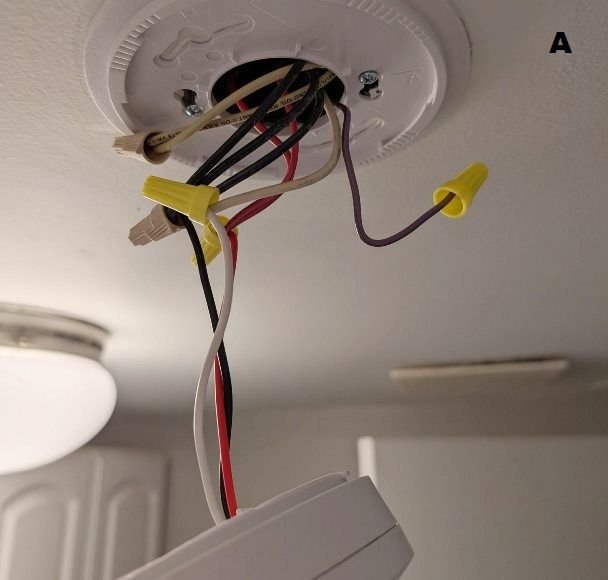
Strip about half an inch of insulation from each wire end to prepare them for connection. Identify the wires by color: typically, black is live, white is neutral, and green or bare is ground.
Use wire nuts to join corresponding wires: black to black, white to white, and ground to ground. If your smoke alarm has an interconnect wire, connect it according to the manufacturer’s instructions—it allows alarms to communicate.
Mounting The Smoke Alarm
Choose a mounting spot on the ceiling or high on the wall, away from corners or vents that could disrupt smoke flow. Use the provided mounting bracket to mark holes, then drill and secure it firmly.
Attach the smoke alarm to the bracket by twisting or snapping it into place. Before finishing, test the alarm by pressing the test button to ensure it’s wired and working properly.
Common Wiring Mistakes To Avoid
Wiring a smoke alarm may seem straightforward, but small mistakes can lead to serious safety risks or malfunctioning alarms. Understanding common wiring errors helps you avoid costly fixes and keeps your home safe. Let’s look at the typical wiring mistakes and how you can prevent them.
Incorrect Wire Connections
Connecting the wrong wires is a frequent error that can stop your smoke alarm from working or cause electrical hazards. Smoke alarms usually have wires for power, ground, and interconnect signals—mixing these up can short-circuit the device or damage your home's electrical system.
Always double-check the color coding: black for hot, white for neutral, and green or bare for ground. If your smoke alarm has an interconnect wire, ensure it matches the system's wiring color. Have you ever tested your alarm only to find it silent? Incorrect wiring might be the culprit.
Overloading Circuits
Adding multiple smoke alarms to a single circuit without considering its capacity can overload the circuit breaker. This overload can cause frequent tripping, leaving your alarms powerless when you need them most.
Check your electrical panel’s rating and calculate the total load before adding alarms. Spread out smoke alarms across different circuits if possible. Think about how many devices you already have on that circuit—could your smoke alarms push it over the edge?
Ignoring Local Codes
Skipping local electrical codes isn’t just risky; it’s often illegal and can void your insurance. Codes exist to ensure installations meet safety standards and function properly in emergencies.
Before you start wiring, get familiar with your area's regulations. You might need permits or inspections to confirm compliance. Are you confident your setup meets all local requirements, or is that a detail you might be overlooking?
Testing And Maintenance Tips
Testing and maintaining smoke alarm electrical wiring is essential for home safety. Regular checks ensure alarms work during emergencies. Proper upkeep extends the device’s lifespan and reliability. Here are simple tips to keep your smoke alarms in top condition.
Verifying Alarm Functionality
Test your smoke alarm monthly. Press the test button until the alarm sounds loud and clear. This confirms the electrical wiring and battery are working. If the alarm does not sound, check the wiring connections and power supply immediately. Replace or repair faulty parts to keep your home safe.
Regular Battery Checks
Change smoke alarm batteries at least once a year. Some alarms have a low-battery warning beep. Do not ignore this sound. Use fresh, high-quality batteries for best performance. Keep spare batteries nearby to replace them quickly when needed.
Cleaning And Inspection
Dust and debris can block sensors and wiring. Clean your smoke alarm every six months with a soft brush or vacuum. Avoid using water or cleaning sprays. Inspect the wiring for any damage or loose connections. Tighten screws and fix any signs of wear to prevent failures.
Safety Regulations And Codes
Smoke alarm electrical wiring is more than just connecting wires; it’s about ensuring the safety of everyone in your home. Understanding the safety regulations and codes can help you avoid costly mistakes and keep your family protected. Let’s break down the essential rules you need to follow.
National Electrical Code Basics
The National Electrical Code (NEC) sets the minimum standards for safe electrical wiring, including smoke alarms. It requires smoke alarms to be hardwired with a battery backup in new constructions and major renovations. This ensures alarms work even during power outages.
The NEC also mandates interconnected smoke alarms. When one alarm detects smoke, all alarms sound. Have you checked if your alarms are interconnected? This simple feature can save lives by alerting everyone at once.
Local Building Requirements
Local building codes often add specific rules based on your area’s needs. For example, some regions require smoke alarms in every bedroom, hallway, and basement. Others may specify the type of alarms allowed, like photoelectric or combination models.
It’s essential to check with your local building department before installation. Ignoring these rules can lead to failed inspections and the need to redo your work. Are you sure your smoke alarm setup meets your local code?
Professional Installation Recommendations
Hiring a licensed electrician can ensure your smoke alarms are wired correctly and safely. Professionals understand the intricate details of wiring, grounding, and code compliance that can be overlooked by DIYers.
Proper installation also includes testing and maintenance tips to keep alarms functional over time. Would you rather risk a faulty alarm or have peace of mind knowing it was done right the first time?
Credit: www.doityourself.com
Frequently Asked Questions
How Is Smoke Alarm Electrical Wiring Connected?
Smoke alarm wiring connects to your home’s power supply via a junction box. It uses a black (hot), white (neutral), and sometimes a red (interconnect) wire. Proper connections ensure continuous power and interlinked alarms for enhanced safety.
Can I Wire Smoke Alarms Without An Electrician?
Yes, you can wire smoke alarms yourself if you have basic electrical knowledge. Always turn off power before installation and follow manufacturer instructions carefully. If unsure, consult a professional to avoid safety hazards or code violations.
What Type Of Wiring Is Used For Smoke Alarms?
Smoke alarms typically use 14/3 or 14/2 NM (non-metallic) cable with a ground wire. The additional red wire in 14/3 is for interconnecting multiple alarms to sound simultaneously during emergencies.
Why Is Interconnecting Smoke Alarms Important?
Interconnecting smoke alarms ensures all units sound together when one detects smoke. This early warning system improves safety by alerting everyone in the home, even if the fire starts far from some alarms.
Conclusion
Proper smoke alarm wiring keeps your home safe and secure. It ensures alarms work well during emergencies. Regular checks and correct installation prevent wiring problems. Always follow safety steps and local electrical rules. A well-wired smoke alarm can save lives and reduce damage.
Stay alert, stay safe.