Picture this: you've just removed a poster or a beloved family photo from your wall, only to find stubborn adhesive residue staring back at you. It's frustrating, isn't it?
You're eager to restore your wall to its pristine condition without leaving any marks or causing damage. But don't worry, you're not alone in this sticky situation. Many people face this challenge, and the good news is that there are simple and effective methods to make your wall look as good as new again.
In this guide, we'll reveal the secrets to removing adhesive from your wall safely and efficiently. Keep reading to discover tips and tricks that will save you time, effort, and possibly even a little bit of your sanity.
Types Of Adhesive On Walls
Walls often have different kinds of adhesives stuck to them. These adhesives come from tapes, stickers, glue, or paint products. Knowing the type of adhesive helps to choose the best way to remove it without damaging the wall. Some adhesives are water-based, while others are stronger and need special care.
Common Adhesive Varieties
- Double-sided tape:Sticky on both sides, used for mounting posters or decorations.
- Sticker adhesive:Found under labels and decals, usually sticky but may leave residue.
- Glue residue:Comes from craft glue or wood glue, can be thick and hard to remove.
- Construction adhesive:Very strong, used in heavy-duty wall fixtures or panels.
- Paint-based adhesive:Left after removing wallpaper or decals, often mixed with paint.
Adhesive Residue Challenges
Some adhesives dry hard and become difficult to remove. Residue may stay sticky or turn brittle over time. Strong adhesives can damage paint or wall surfaces if removed incorrectly. Soft adhesives leave sticky patches that attract dirt. Knowing the adhesive type helps avoid wall damage during cleaning.
Preparation Before Removal
Before you dive into removing adhesive from your wall, preparation is key to avoid damage and frustration. Taking a few minutes to get ready can save you hours of work and prevent costly repairs. Let’s look at what you need to gather and how to protect your wall surfaces effectively.
Gathering Necessary Tools
Start by collecting all the tools you'll need. Having everything at hand keeps the process smooth and efficient.
- Soft cloths or sponges for gentle wiping
- Adhesive remover or household items like vinegar or rubbing alcohol
- Plastic scraper or old credit card to lift sticky residue
- Warm water and mild soap for cleaning afterward
- Gloves to protect your hands from chemicals
Imagine trying to remove adhesive with just your fingers—it’s messy and slow. Preparing tools beforehand helps you work smarter, not harder.
Protecting Wall Surfaces
Walls can be delicate, especially painted or wallpapered ones. Protecting them ensures you don’t trade one problem for another.
- Test any remover on a hidden spot to check for discoloration
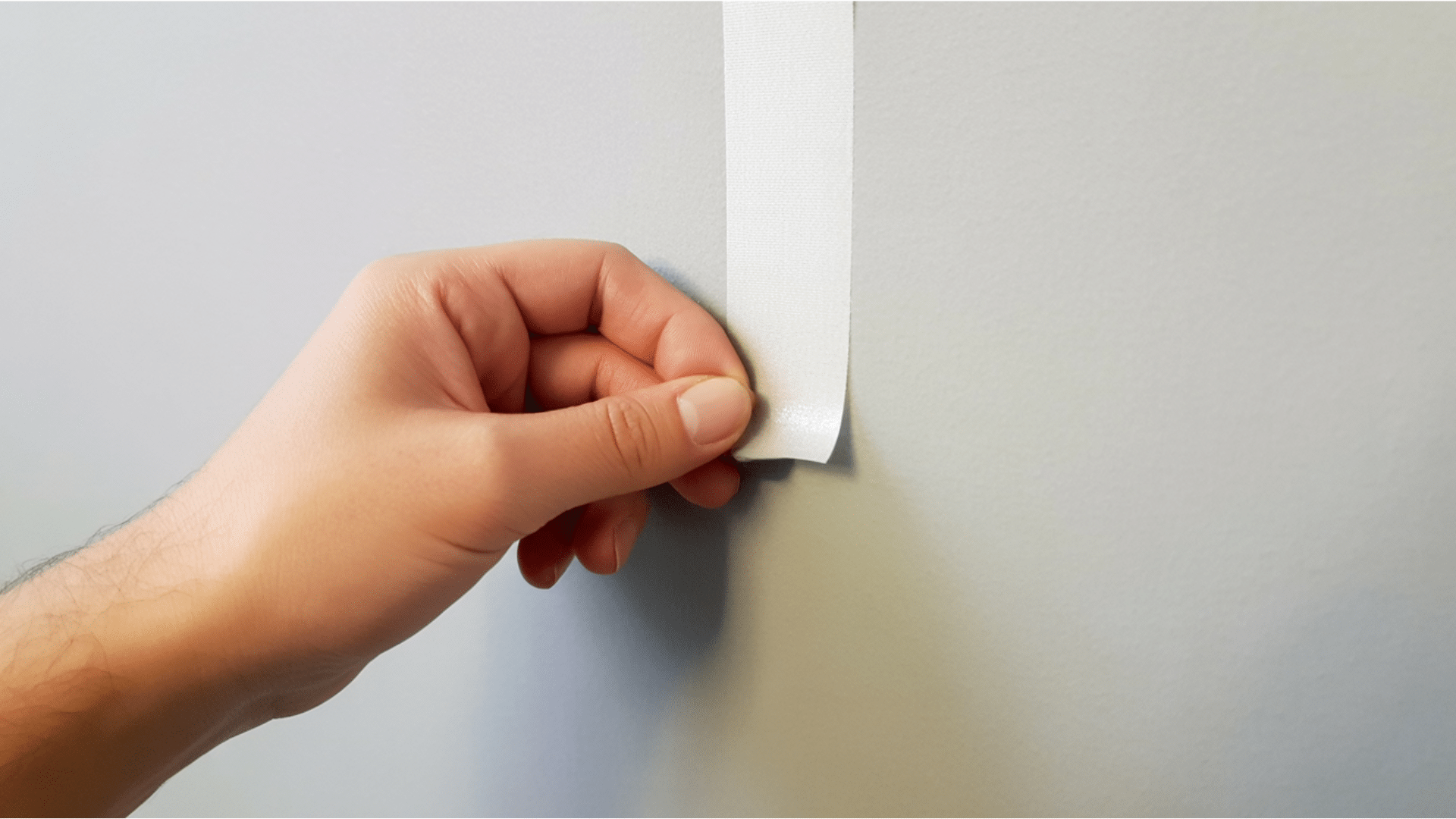
- Use painter’s tape around the adhesive to shield the surrounding area
- Cover the floor beneath with a drop cloth or old towels to catch drips
Have you ever started cleaning only to find a bigger mess? Taking these small precautions helps you avoid accidental damage and keeps your space looking fresh.
Manual Removal Techniques
Manual removal techniques can be surprisingly effective when dealing with adhesive stuck on your walls. These methods rely on simple tools and your own effort, making them accessible and cost-effective. Understanding the right approach can save you time and prevent damage to your wall’s surface.
Peeling And Scraping
Start by gently peeling off any loose adhesive with your fingers or a plastic scraper. Avoid using metal tools initially, as they can scratch the paint or drywall. If the adhesive is stubborn, try softening it with a bit of warm, soapy water before scraping.
Use a plastic putty knife or an old credit card to carefully scrape off the residue. Work slowly and in small sections to avoid gouging the wall. Have patience—rushing often causes more harm than good.
Using Heat Tools
Applying heat can make adhesive much easier to remove. A hairdryer set on medium heat softens the glue, allowing you to peel or scrape it away without excessive force. Hold the hairdryer a few inches from the wall and move it steadily over the adhesive area for about 30 seconds.
Be cautious not to overheat the paint, as this can cause bubbling or discoloration. If a hairdryer isn’t available, a heat gun on a low setting works well but requires extra attention. Have you noticed how a little warmth can instantly change the texture and grip of sticky glue?

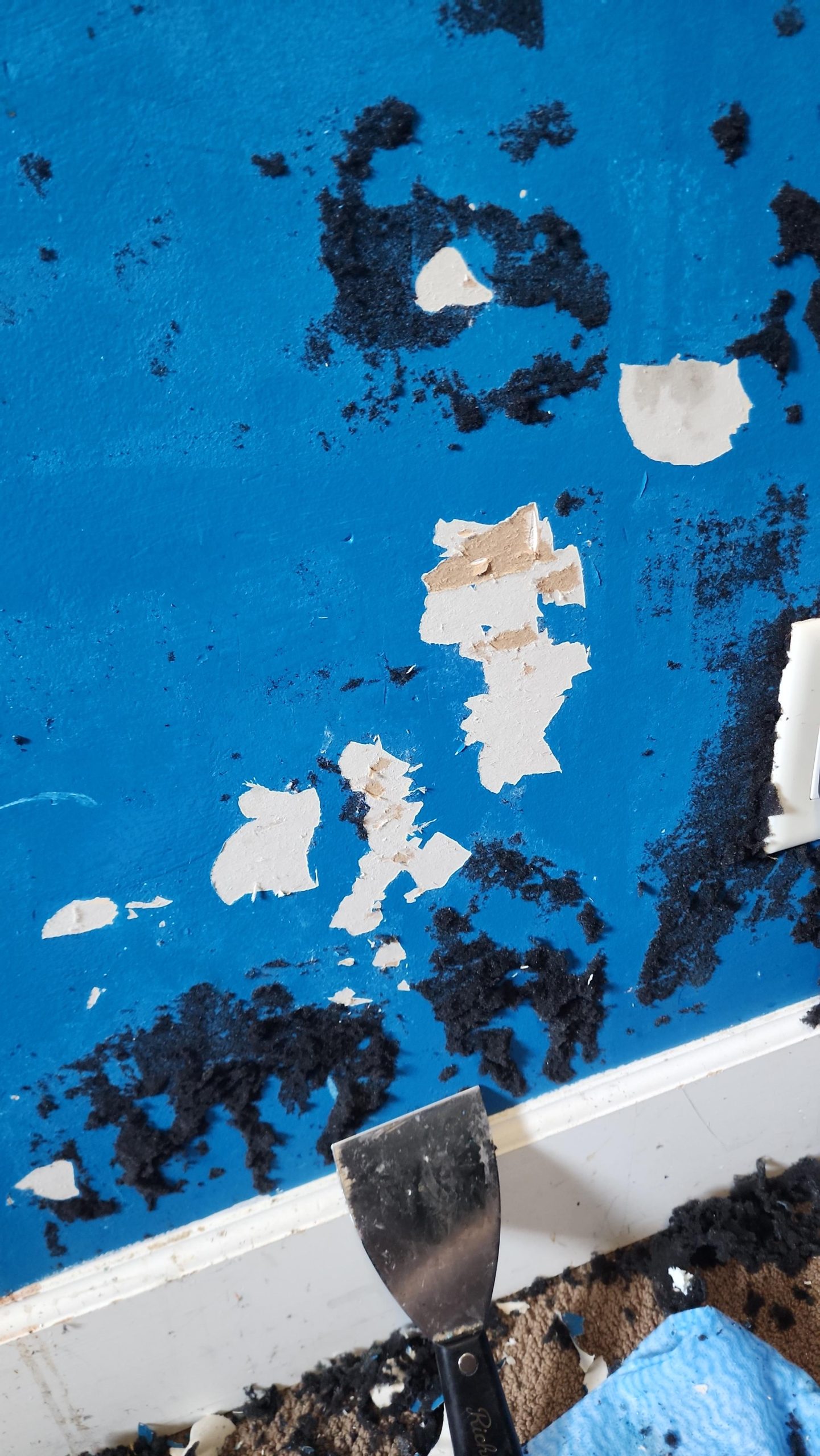
Credit: www.reddit.com
Chemical Solutions For Adhesive
Removing adhesive from walls can be tricky, but chemical solutions often make the task easier and more effective. These solutions work by breaking down the sticky residue, allowing you to wipe it away without damaging your paint or wallpaper. Choosing the right chemical approach depends on what you have available and how stubborn the adhesive is.
Household Items As Solvents
You might already have useful solvents in your kitchen or cleaning supplies. Common household items like vinegar, rubbing alcohol, and even cooking oil can soften adhesive residues.
- Vinegar:Its mild acidity helps dissolve glue. Soak a cloth in vinegar, apply it to the adhesive, and let it sit for a few minutes before scrubbing gently.
- Rubbing Alcohol:This evaporates quickly and breaks down sticky substances effectively. Dab some on a cotton ball and rub the affected area.
- Cooking Oil:Oils like olive or coconut can loosen adhesive. Apply a small amount, wait for it to penetrate, then wipe away the residue.
Have you tried these before? You might be surprised how well they work without harsh chemicals. Just remember to test on a small wall patch to avoid stains.
Commercial Adhesive Removers
If household items don’t cut it, commercial adhesive removers offer stronger formulas designed specifically for stubborn glue. These products are available at hardware stores and come with clear instructions for safe use.
- Goo Gone:A popular choice that breaks down adhesive without damaging paint. It’s ideal for stickers and tape residue.
- WD-40:Known for lubricating, it also loosens adhesives effectively. Spray lightly and wipe off after a few minutes.
- Acetone or Nail Polish Remover:Powerful solvents that dissolve many adhesives quickly. Use sparingly and test first, as acetone can harm certain paint finishes.
When using commercial removers, wear gloves and ensure good ventilation. Have you noticed how some products work better on one surface than another? Choosing the right remover can save you time and frustration.
Natural And Eco-friendly Methods
Removing adhesive from walls can be tricky, especially without harsh chemicals. Natural and eco-friendly methods offer safe and gentle solutions. These options protect your wall’s surface and the environment.
Using common household items, these remedies break down sticky residue effectively. They are easy to apply and affordable. Plus, they avoid strong odors and toxins.
Oil-based Remedies
Oils help loosen adhesive by softening the sticky material. Common choices include olive oil, coconut oil, and baby oil. Apply a small amount on the adhesive spot. Let it sit for 10 to 15 minutes.
After soaking, gently rub the area with a soft cloth or sponge. The adhesive should start to lift off. Repeat if needed until the residue disappears. Finally, wash the wall with warm soapy water to remove oily traces.
Vinegar And Baking Soda Mix
This natural mix creates a gentle scrubbing paste. It works well on stubborn adhesive spots. Combine equal parts white vinegar and water in a spray bottle. Spray the solution on the adhesive.
Sprinkle baking soda over the sprayed area. The mixture will fizz slightly, helping break down the glue. Let it sit for 5 to 10 minutes. Then, scrub gently with a soft brush or cloth.
Wipe the wall clean with a damp cloth. Repeat the process if any residue remains. This eco-friendly method cleans without damaging paint or wallpaper.

Credit: www.reddit.com
Preventing Wall Damage
Preventing damage to your walls while removing adhesive is crucial to maintaining the appearance and integrity of your space. Walls can be delicate, especially if they have been painted or wallpapered. Taking careful steps during both application and removal processes protects your walls from peeling paint, dents, or stains.
Safe Application Techniques
Before you even apply adhesive to your wall, think about the best way to minimize damage. Use painter’s tape or a protective layer underneath the adhesive to create a barrier. This simple step can save you from scrubbing off sticky residue later.
Choose adhesives designed for wall use, such as removable hooks or strips. These products are made to peel off without tearing paint. Have you ever tried pulling off a sticker and ended up with a patch of wall missing? Avoid that by testing the adhesive on a small, hidden area first.
Apply the adhesive gently and avoid pressing too hard. Excessive force can embed glue deep into the wall surface, making removal harder and riskier. Remember, it’s easier to add more adhesive than to fix wall damage caused by strong pressure.
Post-removal Wall Care
After you remove the adhesive, don’t rush to repaint or patch the area. Start by cleaning the wall with a soft cloth and mild soap solution to remove any leftover residue. This helps prevent sticky patches that attract dust and dirt.
If you notice any small paint chips or marks, gently sand the area with fine-grit sandpaper. Be careful not to over-sand; you just want a smooth surface for any touch-ups. Then, apply a primer before repainting to ensure the new paint sticks well.
Consider adding a protective coating if the wall gets adhesive frequently. A washable paint finish or clear varnish can make future cleaning easier and reduce the chances of damage. What small steps can you add to your routine to keep your walls looking fresh after adhesive use?
Troubleshooting Stubborn Adhesives
Dealing with stubborn adhesives on your walls can quickly turn from a simple task into a frustrating challenge. Sometimes, the usual tricks just don't work, and the sticky residue refuses to budge. Knowing how to troubleshoot these tough spots can save you time, prevent damage, and keep your walls looking great.
Repeated Removal Attempts
If the adhesive isn't coming off after your first try, don’t give up immediately. Sometimes, gentle persistence pays off more than aggressive scrubbing.
Try softening the adhesive again using warm water or a mild solvent like rubbing alcohol. Apply it with a cloth, let it sit for a few minutes, then gently scrape with a plastic scraper or your fingernail.
Be patient and repeat the process several times. Each attempt will loosen the glue a bit more without harming your paint or drywall. Remember, rushing or using harsh tools can leave marks that are harder to fix.
When To Call A Professional
Have you tried everything and the adhesive still won’t come off? It might be time to call in a professional. Some adhesives bond so tightly that DIY methods risk damaging your wall.
Professionals have access to specialized tools and solvents that are safe for your wall’s surface. They can remove stubborn glue without causing peeling, discoloration, or gouges.
Consider professional help especially if the adhesive covers a large area or if your wall has delicate paint or wallpaper. Protecting your investment is worth the extra cost and effort.
Credit: www.helpwithdiy.com
Frequently Asked Questions
How Do I Safely Remove Adhesive From Painted Walls?
Use a mixture of warm water and mild dish soap. Apply gently with a soft cloth. Avoid harsh scrubbing to protect paint. Test on a small area first to prevent damage.
What Household Items Remove Sticky Residue From Walls?
Common items like vinegar, baking soda, and rubbing alcohol work well. They dissolve adhesive without harming most wall surfaces. Apply with a soft cloth and wipe gently for best results.
Can Heat Help Remove Adhesive From Walls?
Yes, applying gentle heat with a hairdryer softens adhesive. Warm the area for a minute, then peel or wipe away the residue carefully. Avoid overheating to prevent wall damage.
Is Commercial Adhesive Remover Safe For All Walls?
Most commercial removers are effective but check labels first. Test on a small, hidden spot to ensure no discoloration or damage occurs. Use in well-ventilated areas and follow instructions precisely.
Conclusion
Removing adhesive from your wall can be simple and quick. Use gentle methods to protect your paint. Warm water, soap, or vinegar often do the trick. For tougher spots, try rubbing alcohol or baking soda paste. Always test a small area first.
Take your time and be patient. Clean walls make your space look fresh and neat. Keep these tips handy for future sticky situations. Your walls will thank you!

