

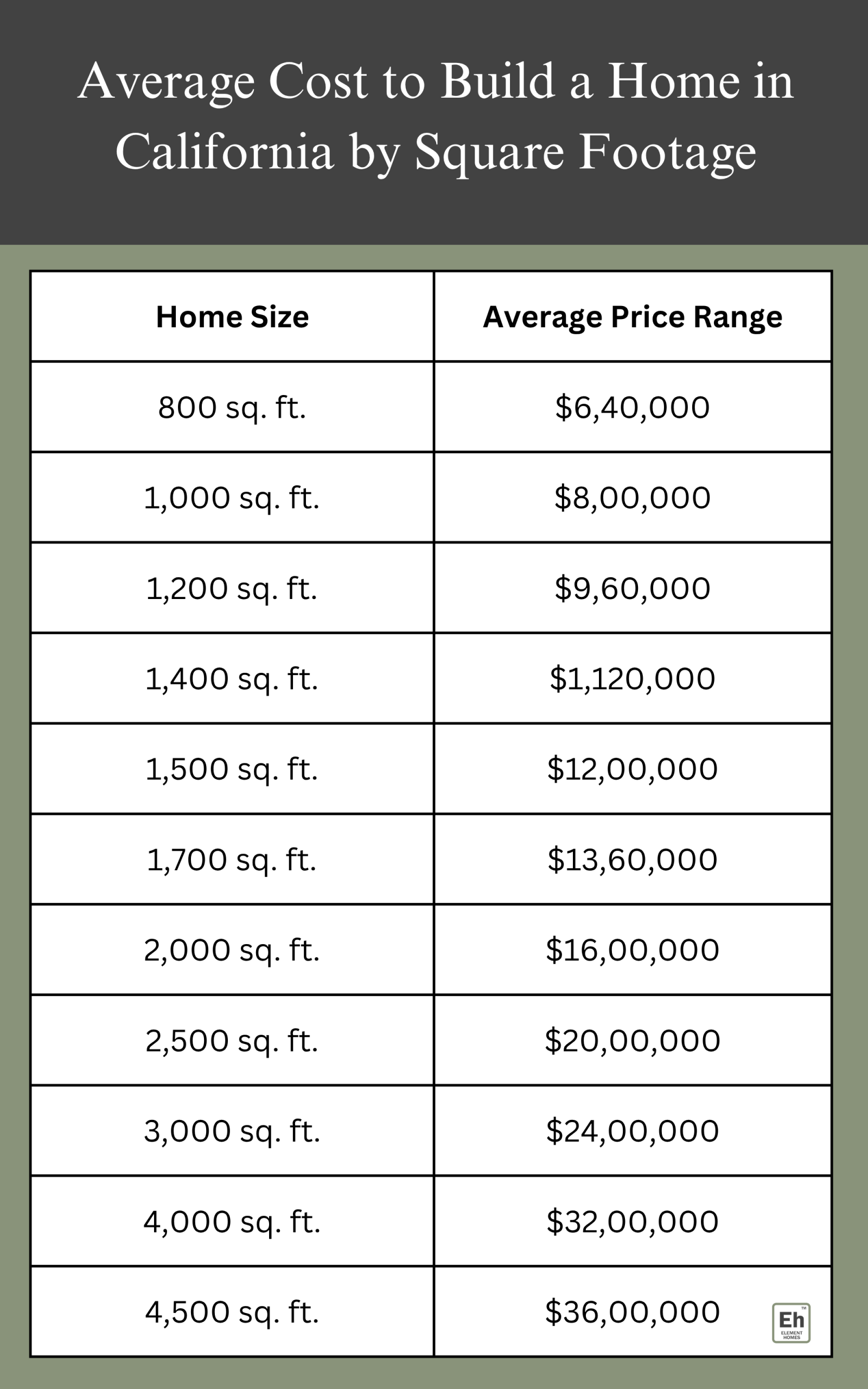
Building a house is a thrilling venture, but navigating the costs can feel overwhelming. You're probably wondering how much it will set you back to turn those blueprints into your dream home.
Understanding the price of materials to build a house is crucial for staying on budget and avoiding unexpected expenses. Imagine the satisfaction of making informed decisions that save you money and ensure quality. This guide will break down the costs in a simple, straightforward way, empowering you with the knowledge you need.
Stick around to discover how you can make your dream house a reality without breaking the bank.
Key Factors Affecting Material Costs
Understanding the key factors that influence the price of materials is essential when planning to build your house. Material costs don’t remain constant; they fluctuate based on several elements that can impact your budget significantly. Knowing these factors helps you make informed decisions and avoid unexpected expenses during construction.
Location And Market Trends
Where you build plays a huge role in material pricing. Urban areas often have higher costs due to demand and transportation fees. Rural locations might offer cheaper materials but expect delays if supplies need to be shipped from far away.
Market trends also shift prices regularly. For instance, a sudden rise in demand for lumber can spike costs overnight. Have you noticed how some materials suddenly become pricier without clear reasons? It’s often tied to global demand, tariffs, or seasonal fluctuations.
Material Quality And Grades
The quality of materials directly affects the price you pay. Higher-grade materials offer better durability but come at a premium. Choosing between standard and premium options depends on your budget and the house’s intended lifespan.
Remember, cheaper materials might save money upfront but could cost more in repairs or replacements later. Think about your priorities: Are you building to sell soon or creating a long-term home? This choice guides your material quality decisions.
Supply Chain And Availability
Supply chain issues can cause significant price swings. If materials are scarce or delayed, sellers often increase prices. Recent global events showed how disruptions in shipping and manufacturing affect availability and cost.
Local availability matters too. Materials sourced nearby usually cost less because of lower transport fees. Have you checked if your preferred materials are easily available locally or if you’ll face waiting times and added costs?

Credit: www.statista.com
Common Building Materials And Prices
Understanding the common building materials and their prices can help you manage your house construction budget effectively. Each material has its own cost range influenced by quality, availability, and market demand. Knowing these details allows you to make informed decisions and avoid unexpected expenses.
Lumber And Wood Products
Lumber is essential for framing, flooring, and finishing. Prices vary widely based on type, grade, and treatment. For example, pressure-treated pine might cost around $2 to $3 per board foot, while high-quality hardwoods can exceed $10 per board foot.
Wood prices have been unpredictable lately due to supply chain issues. If you can, buy early to lock in better rates. Have you checked local suppliers recently to compare costs?
Concrete And Cement
Concrete forms the foundation and structure of many homes. Ready-mix concrete usually costs between $100 and $150 per cubic yard. Cement alone, as a raw ingredient, can be about $10 to $15 per 94-pound bag.
Mixing your own concrete can save money, but requires time and skill. Consider the balance between labor costs and material savings when deciding. How confident are you in handling concrete work yourself?
Steel And Metal Components
Steel is popular for reinforcements, beams, and roofing. Prices range from $700 to $1,200 per ton, depending on type and thickness. Metal roofing panels may cost $3 to $10 per square foot installed.
Steel prices often rise with global demand and tariffs. Watching market trends can help you time your purchases. Could investing in steel now protect you from future price spikes?
Bricks And Masonry
Bricks add durability and aesthetic appeal. Standard bricks typically cost $0.50 to $1 each, while specialty bricks can go higher. Mortar and other masonry materials add to the cost but are generally affordable.
Using bricks for feature walls or fireplaces can enhance value. However, their weight and installation time might affect your budget. Have you factored in labor costs when choosing masonry?
Insulation Materials
Insulation improves energy efficiency and comfort. Fiberglass batts cost roughly $0.40 to $1 per square foot, while spray foam insulation can be $1 to $3 per square foot. The choice depends on your climate and budget.
Investing in good insulation pays off in lower energy bills. Don’t underestimate its impact on your home's long-term costs. What insulation options best suit your local weather conditions?
Specialty Materials And Their Costs
Specialty materials add unique qualities and style to a house. They often cost more than standard building materials. These materials can improve durability, appearance, and energy efficiency. Choosing the right specialty materials affects the overall budget.
Eco-friendly And Sustainable Options
Eco-friendly materials reduce environmental impact. Bamboo, reclaimed wood, and recycled metal are popular choices. These materials cost more than regular ones but save energy and resources. Solar panels and green insulation also fall under this category. They help lower utility bills over time.
High-end Finishes
High-end finishes create a luxurious look and feel. Marble countertops, hardwood floors, and custom cabinetry are common examples. These materials have a higher price due to quality and craftsmanship. They increase home value and appeal. Costs vary greatly depending on design and source.
Smart Home Building Materials
Smart materials include sensors, automated systems, and energy-efficient devices. They improve comfort and safety in the house. Prices for smart materials depend on technology and brand. Examples include smart glass, programmable lighting, and insulated concrete forms. These materials may reduce long-term energy costs.
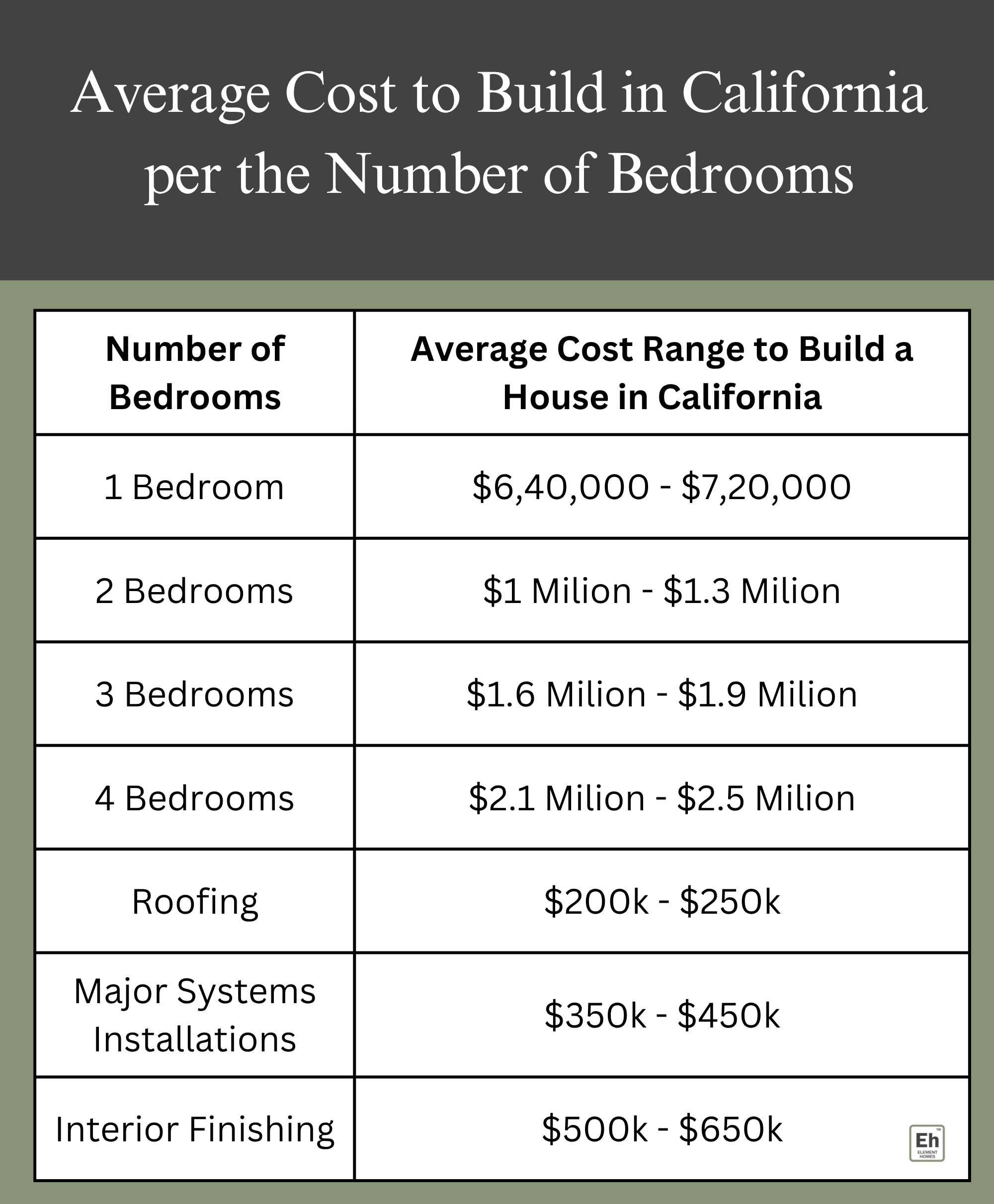
Credit: www.constructelements.com
Labor Impact On Material Costs
Labor plays a significant role in the overall cost of building materials. The way workers handle and install materials affects both the time spent and the amount of material used. Skilled labor can reduce waste and prevent damage, saving money on extra materials. On the other hand, less experienced workers might increase costs through mistakes or slower work.
Handling And Installation Costs
Careful handling of materials is essential to avoid damage. Broken or scratched materials need replacement, which raises costs. Installation requires skill to fit materials correctly the first time. Poor installation leads to repairs and extra material use. Labor costs also include the time workers spend moving and preparing materials for use. Efficient work reduces the number of labor hours and lowers overall expenses.
Waste And Over-ordering
Workers often order more materials than needed to avoid shortages. This over-ordering can increase project costs. Some materials get wasted due to cutting mistakes or damage during handling. Proper training helps reduce waste by teaching accurate measuring and cutting. Monitoring material use on site helps prevent unnecessary ordering. Lower waste means less money spent on extra supplies and disposal fees.
Cost-saving Tips For Material Purchases
Buying materials for building a house can quickly eat up your budget if you’re not careful. But there are smart ways to save money without sacrificing quality. Let’s look at some practical tips that can help you keep material costs in check while still getting what you need.
Bulk Buying Advantages
Buying materials in bulk often means you pay less per unit. Suppliers usually offer discounts when you purchase large quantities of things like lumber, bricks, or cement. If you have enough storage space, buying upfront can save you a significant amount.
Think about your project timeline and which materials you’ll need consistently. Ordering these in bulk can reduce multiple delivery charges and avoid price hikes. Have you checked if your local suppliers offer better rates for bigger orders?
Seasonal Discounts And Deals
Material prices can fluctuate depending on the season. Many suppliers offer discounts during slower months to move stock. Tracking these periods and planning your purchases accordingly can lead to big savings.
For example, buying roofing materials in winter might be cheaper because demand is lower. Keep an eye out for clearance sales or promotional deals, and don’t hesitate to ask vendors if they have upcoming discounts. Could timing your purchases save you more than you expect?
Alternative Material Choices
Choosing alternative materials can reduce costs without lowering quality. Instead of traditional hardwood flooring, you might consider laminate or engineered wood which look great and cost less. Similarly, recycled or locally sourced materials can be budget-friendly options.
Explore materials that fit your style but come with a smaller price tag. Sometimes, a less popular option can offer better durability or easier installation too. What alternative materials could work for your house and budget?
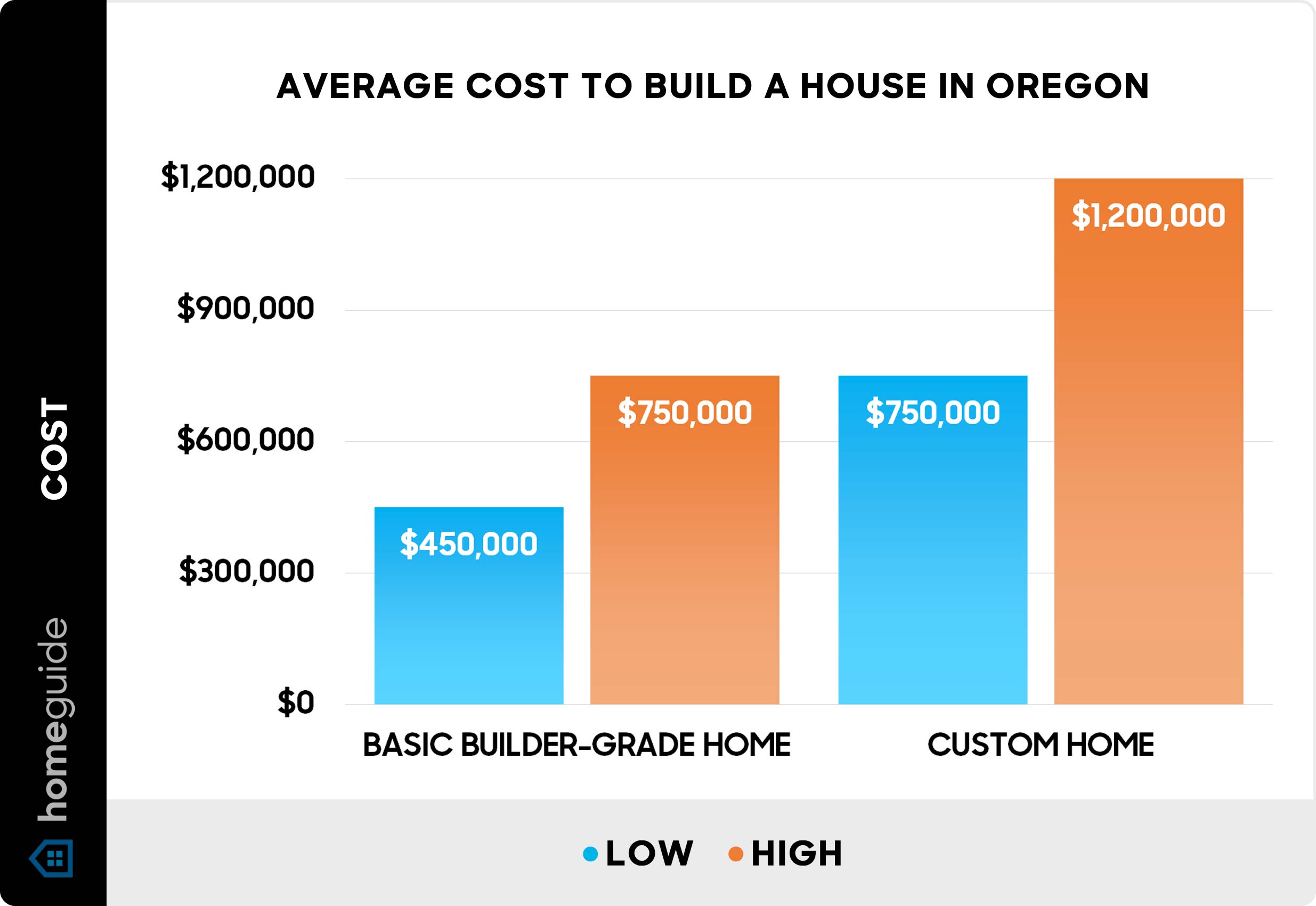
Credit: homeguide.com
Material Cost Trends To Watch In 2025
Watching material cost trends in 2025 can give you a clear edge when planning your house build. Prices don’t just rise or fall randomly—they respond to bigger forces shaping the economy, technology, and global trade. Staying informed helps you budget smarter and avoid surprises that can derail your project.
Inflation And Economic Influences
Inflation remains a key driver of material prices. As costs for raw materials rise, manufacturers often pass these increases on to buyers like you.
Interest rates and government policies also impact costs. Higher rates can slow construction demand, sometimes easing price hikes, but they can also increase loan expenses for your project.
Ask yourself: How will the current economic climate affect your timeline and budget? Planning for some flexibility can save you stress later.
Technological Advances In Materials
New materials and production methods are changing price dynamics. Innovations like 3D-printed concrete and recycled composites can lower costs while improving durability.
These technologies aren’t just futuristic ideas—they’re becoming accessible now. Using them could mean faster builds and less waste, both saving money.
Consider which new materials might fit your design goals without pushing your budget over the edge.
Global Supply Chain Shifts
Supply chains remain unpredictable. Shipping delays, trade restrictions, and labor shortages can cause sudden price jumps in certain materials.
Local sourcing is gaining popularity to reduce dependency on global markets. While sometimes more expensive upfront, it can offer steadier prices and quicker delivery.
Have you checked where your materials are coming from and how stable those sources are? A little digging could protect your budget from unexpected hikes.
Frequently Asked Questions
What Factors Influence the Price of House Building Materials?
The price of house building materials depends on quality, availability, location, and market demand. Transportation costs and seasonal changes also impact prices. Local regulations and tariffs can further affect costs. Understanding these factors helps in budgeting effectively.
How Much Do Common Building Materials Cost?
Common materials like lumber, concrete, bricks, and steel vary widely in price. For example, lumber may range from $2 to $6 per board foot. Concrete costs about $100 to $150 per cubic yard. Prices fluctuate based on quality and market trends.
Why Do Material Prices For House Construction Fluctuate?
Material prices fluctuate due to supply chain issues, seasonal demand, and global economic factors. Natural disasters and political events can disrupt supply. Additionally, changes in fuel costs influence transportation expenses, affecting overall material prices.
Can Using Alternative Materials Reduce House Construction Costs?
Yes, alternative materials like recycled steel, bamboo, or rammed earth can lower costs. They often offer sustainability benefits too. However, availability and local building codes can limit their use. Researching alternatives can provide cost-effective and eco-friendly options.
Conclusion
Building a house needs careful planning and budgeting. Material prices can change often, so stay updated. Choosing the right materials helps control costs and ensures quality. Small savings on materials add up over time. Always compare prices from different suppliers before buying.
A clear budget keeps your project on track and avoids surprises. Remember, smart choices today lead to a better home tomorrow. Keep learning about material costs to make informed decisions. Your dream house starts with good planning and smart spending.