
Imagine living or working in a space where the very walls and ceilings could silently impact your health. If your home or office was built before the 1980s, there's a chance that asbestos materials are part of its structure.
Asbestos was once hailed as a miracle material for its strength and resistance to fire. However, it’s now known for its potential health risks. Understanding asbestos building materials is crucial for your safety and peace of mind. You deserve to feel secure in your environment.
Ready to uncover how to protect yourself and your loved ones? Keep reading to learn everything you need to know about asbestos in building materials and the steps you can take to address it safely.
Asbestos In Construction
Asbestos was once a go-to material in the construction industry due to its durability and resistance to heat. Many buildings constructed decades ago still contain asbestos materials, often hidden within walls, ceilings, or floors. Understanding where asbestos appears in construction helps you identify potential risks and take necessary precautions.
Common Asbestos Materials
Asbestos was mixed into a variety of building materials to enhance strength and fire resistance. Some of the most common materials include:
- Insulation:Pipe insulation and thermal insulation often used asbestos for heat protection.
- Flooring:Vinyl floor tiles and backing materials contained asbestos for durability.
- Roofing:Shingles and roofing felts incorporated asbestos to resist fire and weather damage.
- Wallboard and Plaster:Asbestos was added to joint compounds and plasters to improve strength and fire resistance.
- Cement Products:Asbestos cement sheets and pipes were common due to their toughness and resistance to corrosion.
If you’ve ever renovated an older home, you might have encountered some of these materials without realizing it. This shows how widespread asbestos use was in everyday construction.
Historical Usage Trends
Asbestos use in construction peaked in the mid-20th century before its health risks became widely known. Buildings from the 1940s to the 1980s are most likely to contain asbestos materials.
During this time, asbestos was valued for its fireproof qualities and affordability. Many governments only started banning or limiting asbestos use in the late 1970s and 1980s after studies revealed serious health risks.
Have you ever wondered why some older buildings seem to pose hidden dangers during renovations? This history explains why asbestos remains a concern today, especially if you plan any work on structures built before the bans.
Health Risks From Asbestos
Asbestos, once widely used in building materials, poses serious health risks that many people overlook. When asbestos fibers become airborne and are inhaled, they can cause severe damage to your lungs and other organs. Understanding these risks is crucial, especially if you live or work in an older building where asbestos might be present.
Types Of Asbestos-related Diseases
Exposure to asbestos can lead to several dangerous diseases. The most common is asbestosis, a chronic lung condition that causes scarring and breathing difficulties. Mesothelioma is a rare but aggressive cancer that affects the lining of the lungs or abdomen and is directly linked to asbestos exposure.
Other diseases include lung cancer and pleural plaques, which are areas of fibrous thickening on the lining of the lungs. These conditions often develop after long-term exposure and can take years to show symptoms. Knowing these diseases helps you understand why even small exposures matter.
Symptoms To Watch For
Recognizing symptoms early can make a significant difference in managing asbestos-related diseases. Persistent coughing, shortness of breath, and chest tightness are common signs you shouldn't ignore. Fatigue and unexplained weight loss can also indicate more serious problems.
If you’ve been around old buildings or suspect asbestos exposure, ask yourself: Have you noticed these symptoms recently? Don’t wait until symptoms worsen. Consulting a healthcare professional early can lead to better outcomes and protect your health.
Identifying Asbestos In Buildings
Identifying asbestos in buildings is crucial for safety and health. Asbestos was widely used in construction materials before its risks became clear. Its fibers can cause serious lung diseases when disturbed and inhaled. Knowing how to spot and test for asbestos helps prevent accidental exposure.
Signs Of Asbestos Presence
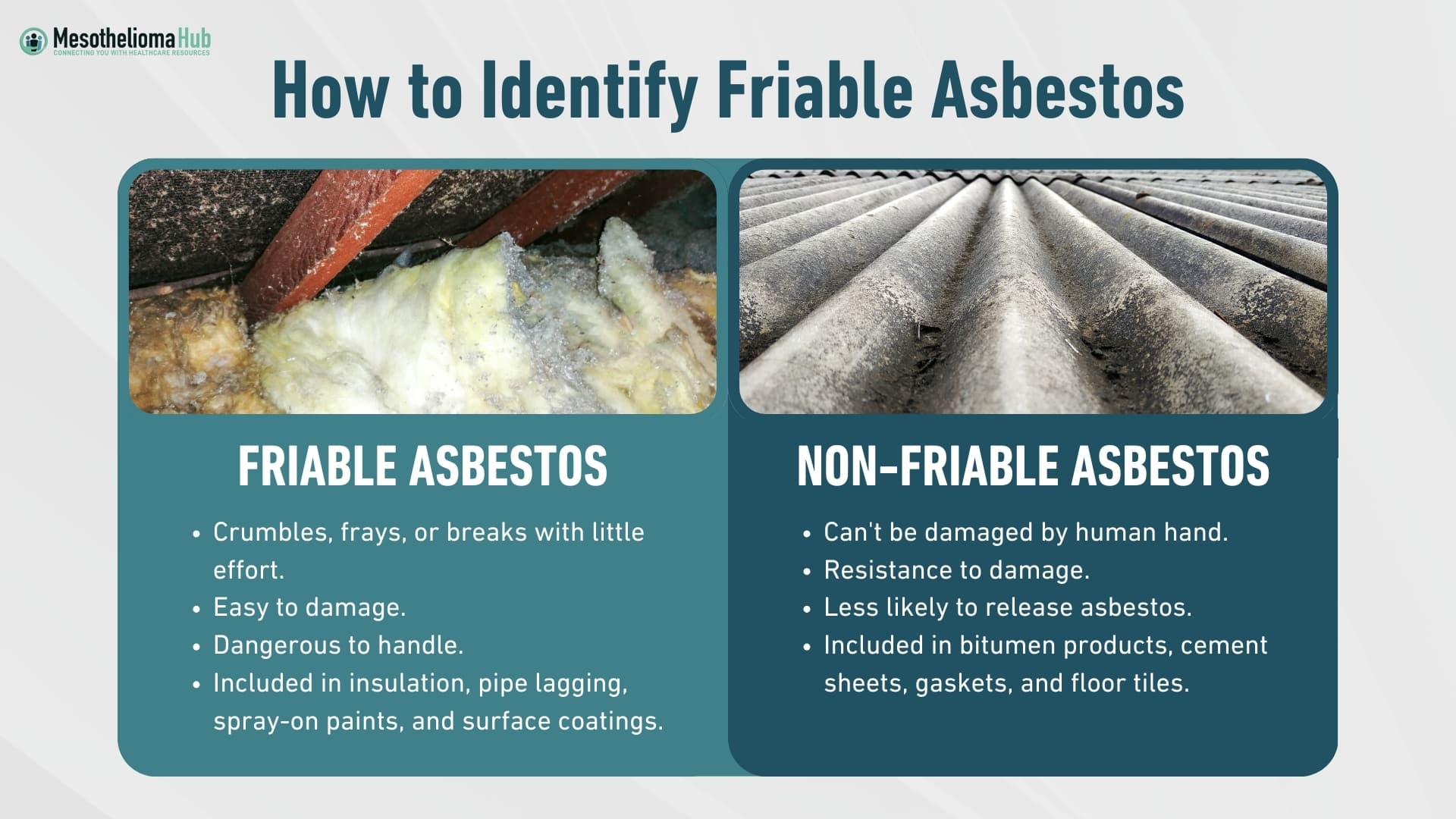
Asbestos often appears in older buildings. Common materials include insulation, ceiling tiles, floor tiles, and roofing. Look for:
- Textured, fibrous, or fluffy materials
- Insulation around pipes or boilers
- Crumbled or damaged materials that release dust
- Old vinyl or linoleum floor tiles
- Sprayed coatings on walls or ceilings
Buildings constructed before the 1980s are more likely to contain asbestos. Visual signs alone cannot confirm asbestos presence.
Testing Methods
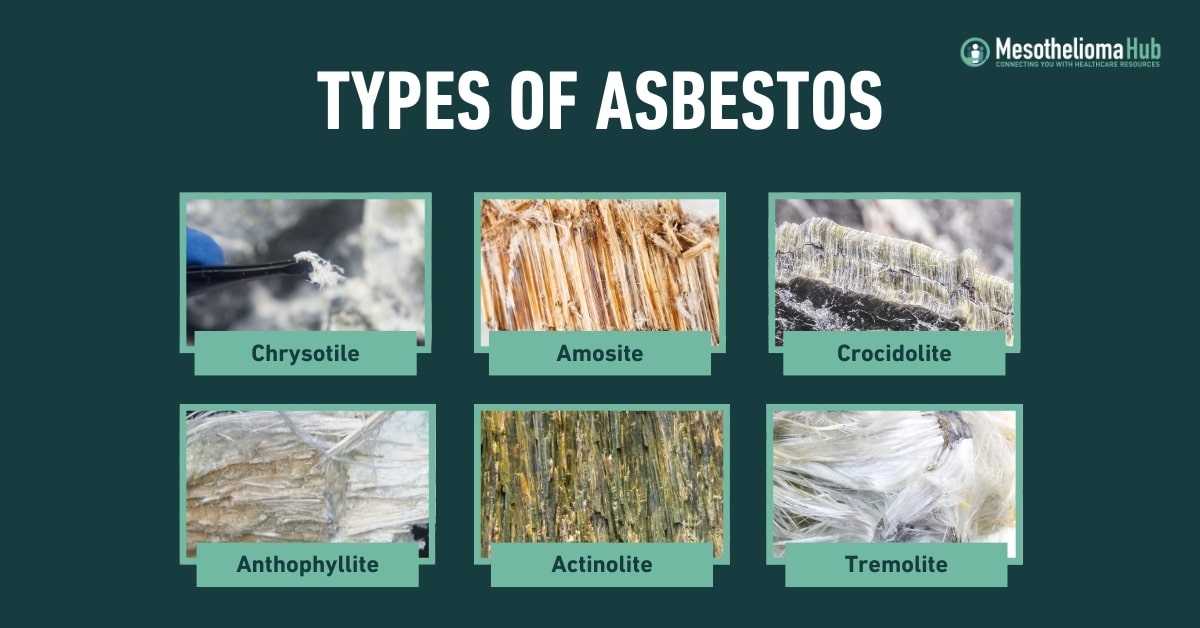
Professional testing is essential to confirm asbestos. Experts take small samples from suspect materials. These samples undergo lab analysis under microscopes. Common testing types include:
- Polarized Light Microscopy (PLM) to identify fiber types
- Transmission Electron Microscopy (TEM) for detailed analysis
- Phase Contrast Microscopy (PCM) for air sample testing
Never disturb suspected asbestos materials yourself. Disturbing can release harmful fibers. Always hire certified asbestos inspectors for testing and removal.
Credit: mesotheliomahub.com
Legal Regulations And Safety Standards
Understanding the legal regulations and safety standards around asbestos building materials is crucial. These rules protect not only the workers handling asbestos but also the general public who might unknowingly be exposed. Knowing the guidelines helps you recognize the seriousness of asbestos risks and ensures compliance in any construction or renovation project.
Government Guidelines
Government agencies set strict rules to control the use and removal of asbestos. These guidelines often require thorough inspections before any work begins on older buildings. For example, the Environmental Protection Agency (EPA) in the US enforces laws that limit asbestos exposure in schools and public buildings.
Many countries also demand proper labeling of asbestos-containing products. This helps you identify and avoid materials that pose health hazards. Ignoring these rules can lead to heavy fines and legal trouble.
Worker Protection Rules
Workers dealing with asbestos must follow safety protocols to minimize health risks. Employers are required to provide protective gear like respirators and specialized clothing. Have you ever wondered why construction workers wear masks even in dusty environments? It's often because of asbestos safety requirements.
Regular training and medical check-ups are mandatory to ensure workers stay safe. There are also strict limits on how long a worker can be exposed to asbestos in a day. These rules not only protect workers but also prevent asbestos fibers from spreading to other areas.
Safe Handling And Removal
Handling and removing asbestos building materials demands extreme care. The fibers can cause serious health problems if released into the air and inhaled. Understanding safe practices protects you and those around you from hidden dangers.
Professional Abatement Procedures
Professionals use strict steps to control asbestos exposure. They first seal off the work area with plastic sheeting to prevent fibers from spreading. Specialized equipment like negative air pressure machines helps keep the air clean.
Trained workers wear protective suits and respirators throughout the process. They carefully wet asbestos materials before removal to reduce dust. All waste is double-bagged and labeled for safe disposal at approved sites.
Have you ever wondered why DIY asbestos removal is discouraged? It’s because even small mistakes can release dangerous fibers, posing risks to your family and neighbors. Professionals follow regulations that minimize these risks effectively.
Precautions For Homeowners
If you suspect asbestos in your home, do not disturb it. Avoid drilling, sanding, or breaking materials that may contain asbestos. These actions release harmful fibers into the air.
You can keep asbestos-containing materials in good condition by leaving them undisturbed and ensuring they stay dry. If you must do minor repairs, use damp cloths to clean dust and avoid vacuuming with regular machines.
- Wear a high-quality respirator if you enter areas with asbestos.
- Inform family members about the presence of asbestos to prevent accidental disturbance.
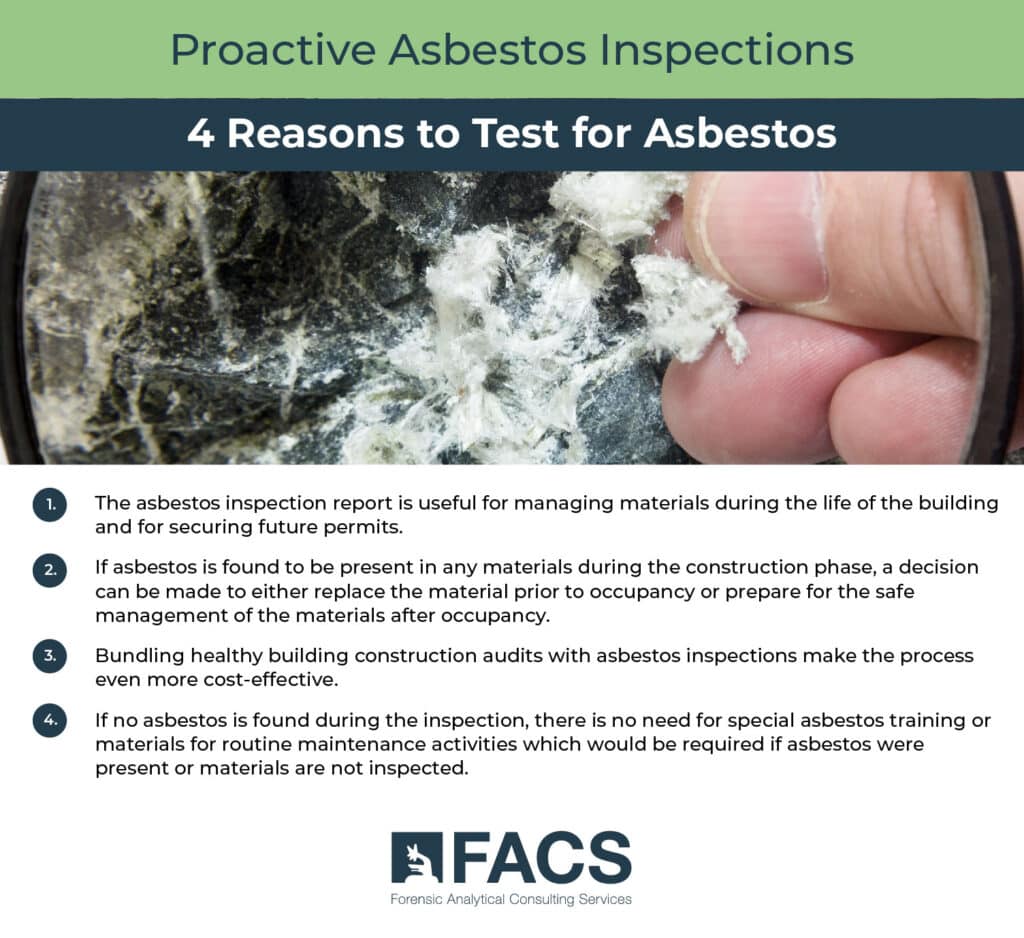
- Hire certified asbestos inspectors before starting renovations or repairs.
How often do you think about the hidden materials inside your walls? Taking precautions today can save you from health and financial troubles later. Your safety depends on careful and informed actions.
Credit: facs.com
Alternatives To Asbestos Materials
Asbestos was widely used in building materials for decades due to its strength and heat resistance. However, its health risks have pushed the construction industry to find safer alternatives. Today, many materials offer similar benefits without the dangers, allowing you to build or renovate with peace of mind.
Modern Safe Building Options
Several modern materials have replaced asbestos in construction. Cement fiberboard is a popular choice; it’s durable, fire-resistant, and easy to work with. Another is cellulose insulation, made from recycled paper treated for fire resistance, providing an eco-friendly option.
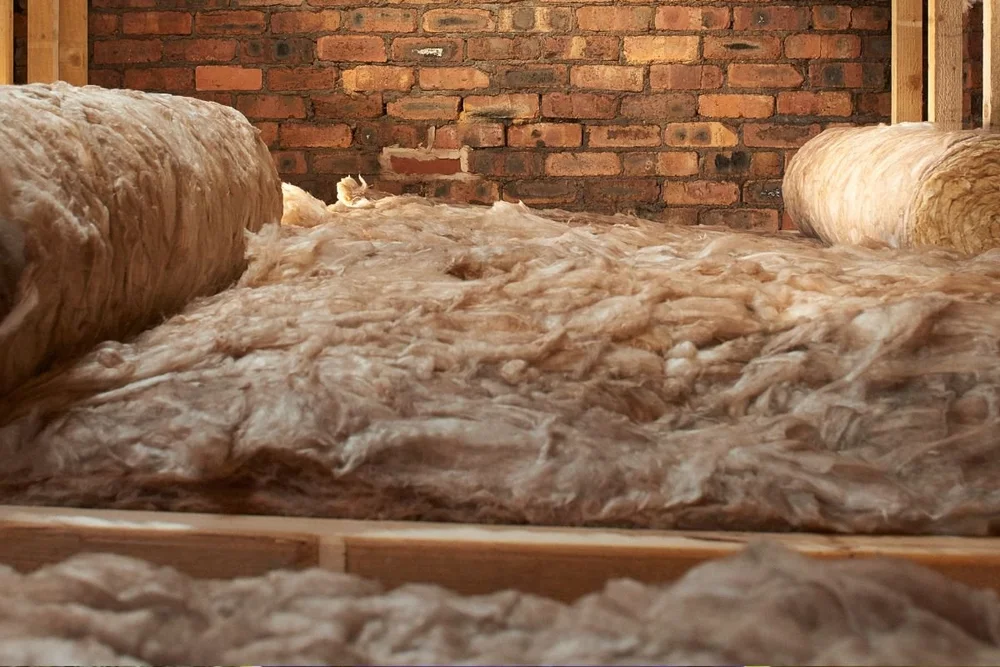
Fiberglass insulation is widely used today because it doesn’t contain harmful fibers and offers excellent thermal protection. For roofing, metal sheets and asphalt shingles are safe and effective alternatives. These materials not only keep your property safe but also meet current building codes.
Have you considered how choosing the right materials can impact your long-term health and safety? Opting for asbestos-free products can prevent exposure risks that might otherwise go unnoticed for years.
Benefits Of Asbestos-free Products
Using asbestos-free materials protects your family and workers from serious health issues like lung disease and cancer. These products also tend to be lighter and easier to install, which can reduce labor time and costs.
Many asbestos-free materials offer improved energy efficiency, helping lower your utility bills. Plus, they are often more sustainable, made from recycled or renewable resources, which benefits the environment.
Imagine the peace of mind you get knowing your building is safe and compliant with health regulations. Choosing these products not only safeguards health but can increase your property’s value and appeal.
Credit: www.chemcare.co.nz
Frequently Asked Questions
What Are Common Asbestos Building Materials?
Common asbestos materials include insulation, roofing, ceiling tiles, floor tiles, cement sheets, and pipe wrap. These materials were widely used for durability and fire resistance before asbestos risks were known.
Is Asbestos Dangerous In Building Materials?
Yes, asbestos is dangerous if fibers become airborne and are inhaled. It can cause serious lung diseases like asbestosis, lung cancer, and mesothelioma.
How To Identify Asbestos In Buildings?
Professional testing is the only safe way to identify asbestos. Visual inspection alone is unreliable, so hire certified asbestos inspectors for accurate results.
Can Asbestos Be Safely Removed From Buildings?
Yes, asbestos removal must be done by licensed professionals using protective gear and strict safety protocols to prevent fiber release and health hazards.
Conclusion
Asbestos building materials can be dangerous if not handled carefully. Many old homes and buildings still have these materials inside. Removing asbestos requires special skills and equipment. Always check for asbestos before starting renovations or repairs. Staying informed helps protect your health and safety.
Remember, prevention is better than cure. Keep your environment safe and clean. Stay alert and act wisely.