
Building a home or embarking on a renovation project is both exciting and daunting. One of the most crucial steps in this process is creating a comprehensive building material list.
Why? Because the success of your project hinges on having the right materials at the right time. Imagine avoiding costly delays, staying within budget, and ensuring every detail of your vision comes to life seamlessly. By crafting a well-thought-out building material list, you can transform your project from a stressful endeavor into a smooth, efficient experience.
Stay with us as we unravel the secrets to mastering this essential step, ensuring your project is a triumph from start to finish.
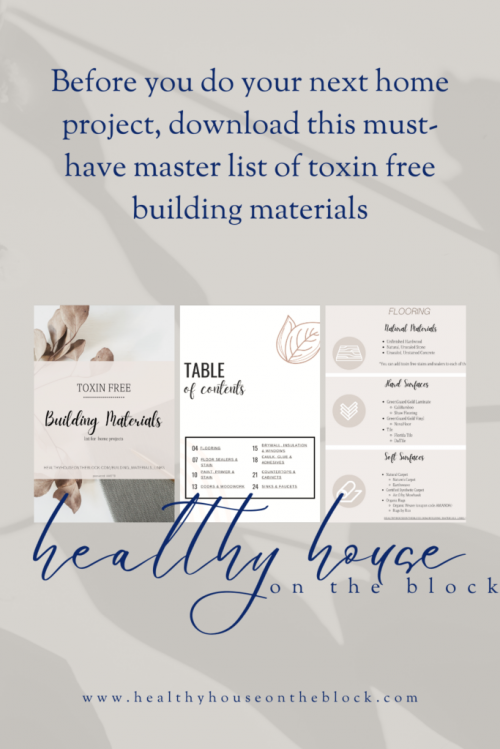
Credit: healthyhouseontheblock.com
Basic Materials
Basic materials form the foundation of any building project. They ensure strength, durability, and safety. Choosing the right materials can save time and money. Understanding their uses helps in planning and budgeting effectively.
Cement And Concrete
Cement is a key binding material in construction. It mixes with water, sand, and gravel to form concrete. Concrete is strong and can shape walls, floors, and foundations. It resists weather and heavy loads. Quality cement and proper mixing are essential for lasting results.
Bricks And Blocks
Bricks and blocks create the main structure of walls and partitions. Bricks are small, fired clay pieces. Blocks are larger and made from concrete or stone. Both provide insulation and support. They come in various sizes and types for different needs.
Sand And Aggregates
Sand and aggregates act as fillers in concrete and mortar. Sand is fine and helps smooth the mix. Aggregates include gravel, crushed stone, and small rocks. They add strength and bulk to the mix. Proper grading and cleanliness improve the quality of the final product.

Credit: schillings.com
Structural Components
Structural components form the backbone of any building project. They provide strength, shape, and support to the entire structure. Choosing the right materials is critical for safety and durability. These materials must withstand loads and environmental conditions. Understanding common structural components helps in planning and budgeting.
Steel And Reinforcement
Steel is a strong, durable material used in many buildings. It supports heavy loads and resists bending. Reinforcement bars, or rebar, are steel rods placed in concrete. They improve concrete's tensile strength. Steel frames often speed up construction and reduce costs. Steel resists fire and pests better than wood.
Wood And Timber
Wood is a natural, versatile material for structural use. It is lightweight and easy to work with. Timber beams support floors and roofs in many homes. Wood offers good insulation against heat and sound. Proper treatment protects wood from decay and insects. It suits small to medium-sized buildings well.
Roofing Materials
Roofing materials protect the building from rain, sun, and wind. Common types include metal sheets, tiles, and shingles. Metal roofs last long and resist fire. Tiles provide good insulation and a classic look. Shingles are affordable and easy to install. Choosing roofing depends on climate and budget.
Finishing Supplies
Finishing supplies are the final touch that transforms a construction project from bare structure to a welcoming, polished space. These materials impact not only the look but also the durability and comfort of your home or office. Choosing the right finishing supplies can save you time and money while enhancing the overall appeal.
Paints And Coatings
Paints do more than add color; they protect surfaces from moisture, UV rays, and wear. Selecting the right type depends on the room’s use—kitchen walls need washable paints, while exterior walls require weather-resistant coatings.
Have you considered low-VOC or eco-friendly paints? They improve indoor air quality and reduce harmful fumes. Test samples on your walls to see how natural light changes the color throughout the day.
Tiles And Flooring
Your choice of tiles or flooring affects comfort, maintenance, and style. Porcelain tiles offer durability and stain resistance, perfect for high-traffic areas, while hardwood floors add warmth and can be refinished multiple times.
Think about your lifestyle. Do you have pets or children? Opt for scratch-resistant surfaces. Adding underfloor heating below tile or stone can increase comfort during colder months.
Doors And Windows
Doors and windows are key to energy efficiency and security. Double-glazed windows reduce heat loss and noise, while solid wood or steel doors provide better protection against break-ins.
Have you measured the natural light and ventilation needs for each room? Proper sizing and placement can drastically improve your living environment. Don’t forget quality hardware—it can make a big difference in operation and longevity.
Plumbing Essentials
Plumbing is a key part of any building project. It ensures clean water supply and proper waste removal. Choosing the right plumbing materials helps avoid leaks and damage. It also makes maintenance easier and extends the system’s life.
Pipes And Fittings
Pipes carry water to different parts of the building. Common materials include PVC, copper, and PEX. Each has unique benefits for durability and cost.
- PVC pipes:Light, affordable, and resistant to corrosion.
- Copper pipes:Strong, long-lasting, and heat resistant.
- PEX pipes:Flexible, easy to install, and freeze resistant.
Fittings connect pipes securely. They come in various shapes like elbows, tees, and couplings. Choosing the right fittings prevents leaks and ensures smooth water flow.
Sanitary Fixtures
Sanitary fixtures include toilets, sinks, and showers. These items must be durable and water-efficient. They affect comfort and hygiene in the building.
- Toilets with low flush volume save water.
- Sinks come in different sizes and materials for style and function.
- Showers should have reliable valves and water-saving heads.
Selecting quality fixtures reduces repairs and water bills.
Waterproofing Materials
Waterproofing protects walls, floors, and pipes from water damage. It prevents mold and structural issues.
- Sealants and membranes stop water seepage.
- Waterproof paints add an extra protective layer.
- Proper waterproofing extends plumbing system life.
Using effective waterproofing keeps buildings safe and dry.
Electrical Items
Electrical items form a vital part of any building material list. They ensure power flows safely and efficiently throughout the structure. Choosing the right electrical components helps avoid future problems and keeps the building functional.
Focus on quality and compatibility when selecting these items. Each component plays a specific role in the overall electrical system. Proper planning of electrical materials saves time and money during installation.
Wires And Cables
Wires and cables carry electricity to different parts of a building. Various types exist for different uses, such as copper or aluminum wires. Insulation protects wires from damage and prevents electrical shocks.
- Use the correct wire gauge for safety and efficiency.
- Choose cables suited for indoor or outdoor use.
- Plan cable routes to avoid interference and damage.
Switches And Sockets
Switches control the flow of electricity to devices. Sockets provide points to plug in electrical appliances. Both come in many designs to match the building’s style and function.
- Select switches with good durability and smooth operation.
- Choose sockets with safety features like shutters.
- Place switches and sockets at convenient and accessible locations.
Lighting Fixtures
Lighting fixtures brighten spaces and add to the building’s aesthetics. Options include ceiling lights, wall-mounted lamps, and outdoor fixtures. Energy-efficient lighting reduces power consumption and costs.
- Consider LED lights for long life and low energy use.
- Match fixture style to the room’s design and purpose.
- Install lights with proper wattage for adequate brightness.

Credit: www.reddit.com
Safety And Tools
Safety should never be an afterthought when preparing your building material list. The right tools and protective gear can make your work smoother and protect you from injury. Paying attention to what you need beyond just materials can save time, money, and even your health.
Personal Protective Equipment
Protecting yourself is the first step toward a successful project. Essential gear includes helmets, gloves, safety glasses, and steel-toed boots. These items guard you against common hazards like falling debris, sharp objects, and dust.
Have you ever underestimated how a simple pair of gloves can prevent painful cuts or blisters? Investing in good-quality PPE reduces downtime caused by injuries and boosts your confidence while working. Don’t forget ear protection if your tools make loud noise—it’s easy to overlook but crucial for long-term hearing health.
Hand And Power Tools
Your choice of tools impacts both efficiency and safety. Hand tools like hammers, screwdrivers, and wrenches are staples, but adding power tools such as drills and saws can speed up tasks dramatically. Always check that your tools are in good condition; dull blades or loose handles can cause accidents.
Think about how a reliable cordless drill transformed my small renovation—tasks that took hours were cut down to minutes. Make sure to include tool-specific safety accessories like blade guards and proper drill bits on your list. Remember, using the right tool for the job minimizes mistakes and injuries.
Scaffolding And Supports
Working at height requires sturdy scaffolding and reliable supports. These systems provide stable platforms that reduce the risk of falls. Choose scaffolding that meets safety standards and is easy to assemble and dismantle.
In one project, poorly set up scaffolding caused delays and safety concerns. From that experience, I learned the importance of double-checking every joint and support. If you’re unsure, consider renting scaffolding from a reputable supplier who offers setup guidance. Your safety depends on solid groundwork—literally.
Frequently Asked Questions
What Are Essential Building Materials For Construction?
Essential building materials include cement, bricks, sand, steel, and wood. These materials form the foundation and structure of most buildings. Quality materials ensure durability and safety in construction projects.
How To Create An Efficient Building Material List?
List all required materials by project phase and quantity. Include types, sizes, and quality specifications. This helps avoid delays and cost overruns during construction.
Why Is Material Quality Important In Building Projects?
High-quality materials increase durability, safety, and energy efficiency. Poor-quality materials can cause structural failures and higher maintenance costs. Always choose reliable suppliers and certified products.
How To Estimate Building Material Quantities Accurately?
Use detailed project plans and measurements to calculate quantities. Consult construction experts or use estimation software for precision. Accurate estimates reduce waste and control budget.
Conclusion
Creating a clear building material list saves time and money. It helps you stay organized and avoid mistakes. Choose materials based on quality and price. Always check quantities before buying. Planning well leads to smooth construction work. Keep your list handy during the project.
This simple step makes building easier and less stressful. Trust the process and build with confidence.