

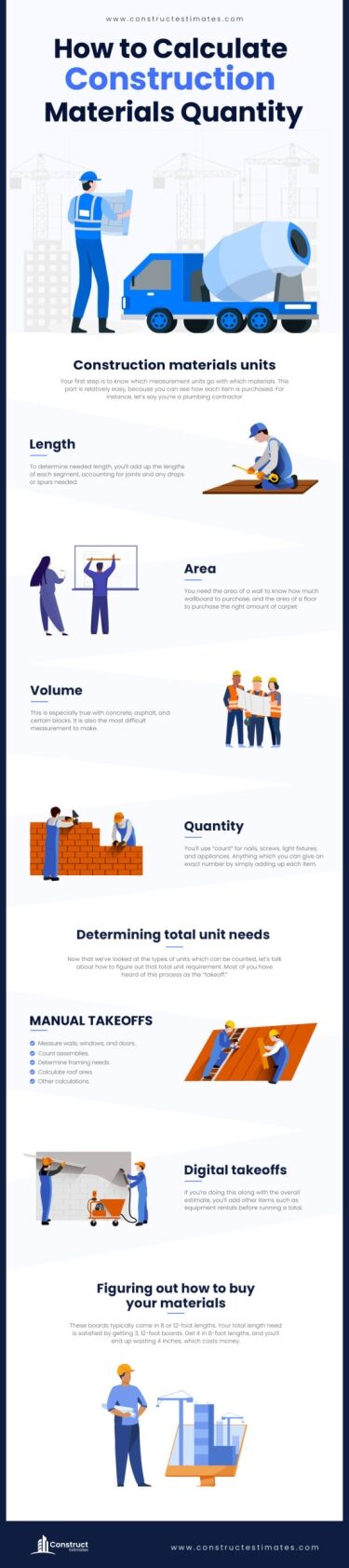
Are you about to start a construction project and feeling overwhelmed by the sheer volume of materials needed? Imagine having a tool that takes the guesswork out of the equation, ensuring you neither overbuy nor underbuy.
That’s exactly where a construction material estimator comes into play. This tool isn’t just about saving money; it's about saving time, reducing stress, and optimizing your resources. Whether you're a seasoned contractor or a DIY enthusiast, understanding how to accurately estimate construction materials is crucial for the success of your project.
Dive into this guide to discover how you can make informed decisions that will keep your project on track and within budget. Ready to master the art of estimation? Let’s get started!
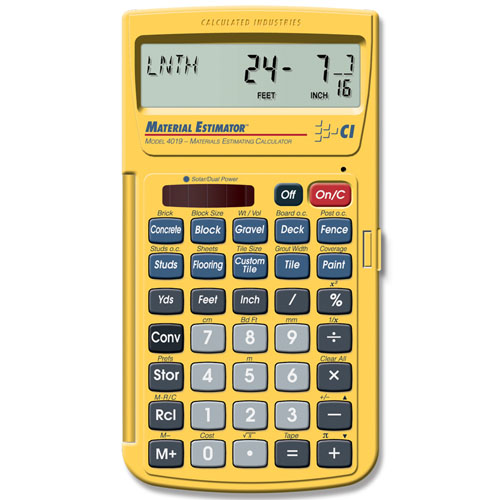
Credit: www.engineersupply.com
Role Of Material Estimators
Material estimators play a vital role in construction projects. They calculate the amount and cost of materials needed. Their work helps keep projects within budget and on schedule. Accurate estimates prevent delays and reduce waste. Material estimators work closely with project managers, architects, and suppliers. Their input guides purchasing and resource planning.
Key Responsibilities
- Analyze blueprints and project plans to identify material needs
- Calculate quantities of materials such as concrete, steel, and timber
- Estimate costs by researching prices from suppliers
- Prepare detailed reports and budgets for project teams
- Update estimates based on project changes or design revisions
- Coordinate with vendors to ensure timely material delivery
Impact On Project Success
Accurate material estimates reduce project delays and cost overruns. They help avoid ordering excess materials that cause waste. Precise calculations improve cash flow management. Reliable estimates build trust among contractors and clients. Material estimators support efficient resource allocation and scheduling. Their work ensures smooth progress and timely project completion.

Credit: paragonestimating.com
Common Construction Materials
Understanding the common construction materials is essential for accurate estimating. These materials form the foundation of any project, impacting cost, durability, and efficiency. Knowing their types and properties helps you make smarter choices and avoid costly mistakes.
Types Of Materials
Construction materials generally fall into several categories:
- Concrete:Used for foundations, walls, and floors due to its strength and durability.
- Wood:Popular for framing and finishes, offering flexibility and ease of use.
- Steel:Provides structural support, especially in large buildings and bridges.
- Bricks and Blocks:Common in walls and facades, valued for insulation and aesthetics.
- Glass:Used in windows and facades for natural lighting and modern looks.
- Insulation Materials:Essential for energy efficiency, including foam, fiberglass, and mineral wool.
Have you ever considered how the choice between wood and steel can impact both cost and sustainability on your project?
Material Properties
Each material has unique properties that influence its suitability:
| Material | Strength | Durability | Cost | Common Uses |
|---|---|---|---|---|
| Concrete | High compressive strength | Long-lasting with proper maintenance | Moderate | Foundations, floors, walls |
| Wood | Good tensile strength | Varies; susceptible to pests and moisture | Low to moderate | Framing, interior finishes |
| Steel | Very high tensile and compressive strength | Highly durable, resistant to pests | High | Structural framework, reinforcements |
| Brick | Moderate compressive strength | Durable and fire-resistant | Moderate | Walls, facades |
How does understanding these properties help you avoid overbuying or underestimating materials?
Techniques For Accurate Estimation
Accurate estimation of construction materials is vital to control costs and avoid delays. Precise techniques help predict the amount of materials needed for a project. This saves money and reduces waste. Using reliable methods ensures project success and smooth workflow.
Measurement Methods
Accurate measurements form the base of material estimation. Use these methods for better results:
- Manual Measurement:Measure lengths, widths, and heights with tape measures or rulers.
- Digital Tools:Laser distance meters provide quick and exact readings.
- Blueprint Analysis:Study architectural drawings to calculate material quantities.
- 3D Modeling:Use software to visualize and measure complex structures.
Choose the right method based on the project size and complexity. Combining methods often improves accuracy.
Data Collection Tools
Gathering correct data is key for precise material estimation. These tools help in collecting and organizing data:
- Spreadsheets:Track measurements and quantities systematically.
- Mobile Apps:Use construction estimation apps for quick data input and calculations.
- Project Management Software:Integrate estimation with scheduling and budgeting tools.
- Digital Cameras:Capture site conditions to review and verify measurements.
Organized data improves communication between teams and reduces errors. Always update data regularly during the project.

Credit: apps.apple.com
Digital Tools For Estimation
Estimating construction materials has evolved far beyond manual calculations and paper lists. Digital tools now play a vital role in making the process faster, more accurate, and less stressful. These tools help you manage complex projects with confidence, reducing costly mistakes and saving valuable time.
Software Solutions
Several software options are designed specifically to help you estimate construction materials. Programs like PlanSwift, Bluebeam, and Buildertrend allow you to input project details and instantly generate material lists and cost estimates.
These tools often come with features such as:
- Drag-and-drop takeoff capabilities
- Real-time cost updates based on material prices
- Integration with project management platforms
Imagine quickly adjusting quantities after a design change without recalculating everything manually. This flexibility can save you hours on each project.
Benefits Of Automation
Automating your material estimation removes much of the guesswork and reduces human error. You get consistent results, even when managing multiple projects simultaneously.
Automation can also improve communication with suppliers by providing clear, detailed lists that reduce misunderstandings. It helps you track usage and waste, making your projects more sustainable and cost-effective.
Have you ever lost time double-checking your calculations? Automation frees you up to focus on critical decisions, improving your overall workflow and project outcomes.
Cost-saving Strategies
Cost-saving strategies play a vital role in construction projects. Efficient management of materials directly reduces expenses. This section highlights key tactics to lower costs without sacrificing quality or safety.
Optimizing Material Use
Careful planning ensures the right amount of materials are ordered. Avoid overbuying by using accurate estimates. Choose materials that offer durability and good value. Coordinate deliveries to match project phases and reduce storage needs. Use technology tools to track inventory and usage in real time.
Reducing Waste
Waste drives up costs and harms the environment. Implement recycling programs for leftover materials. Train workers on proper handling and cutting techniques. Store materials properly to prevent damage. Monitor waste levels regularly to identify problem areas. Reuse scraps creatively in smaller tasks or other projects.
Common Estimation Challenges
Estimating construction materials can feel like trying to hit a moving target. You face multiple hurdles that can throw off your calculations and timelines. Understanding the common challenges helps you prepare smarter and avoid costly mistakes.
Handling Uncertainties
Uncertainties are part of every construction project. Material prices can fluctuate suddenly, and supply delays can disrupt your schedule. You might assume a steady cost, but unexpected market changes can push your budget out of line.
One way to handle this is by building a buffer into your estimates. Adding a contingency percentage helps you cover unforeseen price jumps or shortages. Have you considered tracking supplier reliability to anticipate these issues better?
Managing Changes
Changes in project scope are almost inevitable. A client might ask for last-minute design tweaks, or regulations could require extra materials. These shifts can make your original estimate obsolete in no time.
Communicating clearly with your team and clients is key. Document every change and update your estimates promptly to avoid confusion. Have you experienced how early change detection can save time and money in the long run?
Case Studies On Estimation Success
Understanding how accurate material estimation impacts construction projects becomes clearer through real-world success stories. These case studies highlight practical challenges and solutions, showing you how precise calculations save time and money. They offer actionable insights that can transform your approach to material estimation.
Real-world Examples
One construction firm reduced material waste by 20% on a large residential project. They achieved this by using a detailed estimator tool that tracked quantities for each building phase.
Another case involved a commercial project where inaccurate estimations had caused delays. After revising their estimation process, the team improved ordering accuracy, cutting project delays by two weeks.
These examples show that accurate estimation isn’t just about numbers; it directly affects timelines, budgets, and resource management.
Lessons Learned
- Double-check your inputs:Small errors in measurements can lead to large material shortages or surpluses.
- Use digital tools wisely:Estimators who combined software with manual checks found better accuracy.
- Communicate clearly:Sharing estimates with suppliers and contractors reduces misunderstandings and errors.
- Plan for contingencies:Always include a buffer for unexpected changes or material damage.
Have you ever faced unexpected costs because of poor material estimation? What steps can you take today to improve your estimates and avoid those pitfalls? Reflecting on these lessons can help you sharpen your skills and protect your projects from costly mistakes.
Frequently Asked Questions
What Is A Construction Material Estimator?
A construction material estimator predicts the quantity and cost of materials needed for a building project. They analyze plans, calculate materials, and help control budgets. This role ensures efficient resource use and avoids material shortages or overspending during construction.
How Does A Construction Material Estimator Improve Project Budgeting?
Estimators provide accurate material cost forecasts based on project plans and market prices. This helps project managers allocate funds wisely and prevent budget overruns. Their precise estimates reduce waste and support financial planning throughout the construction process.
What Tools Do Construction Material Estimators Use?
Estimators use software like Excel, specialized estimating tools, and digital blueprints. These tools help calculate material quantities, costs, and timelines quickly and accurately. Technology also allows easy updates when plans change, ensuring up-to-date estimates.
Why Is Material Estimation Important In Construction?
Accurate material estimation prevents delays and cost overruns by ensuring the right materials are available on time. It reduces waste and optimizes resource allocation, which contributes to a smoother construction process and higher project profitability.
Conclusion
Estimating construction materials saves time and reduces waste. It helps you plan costs and avoid surprises. Accurate estimates keep projects on budget and schedule. Using a good estimator improves decision-making on site. Clear calculations make buying materials easier and faster.
Every builder benefits from careful material estimation skills. Start using simple tools to get reliable results today. Better estimates lead to smoother, more successful projects.