

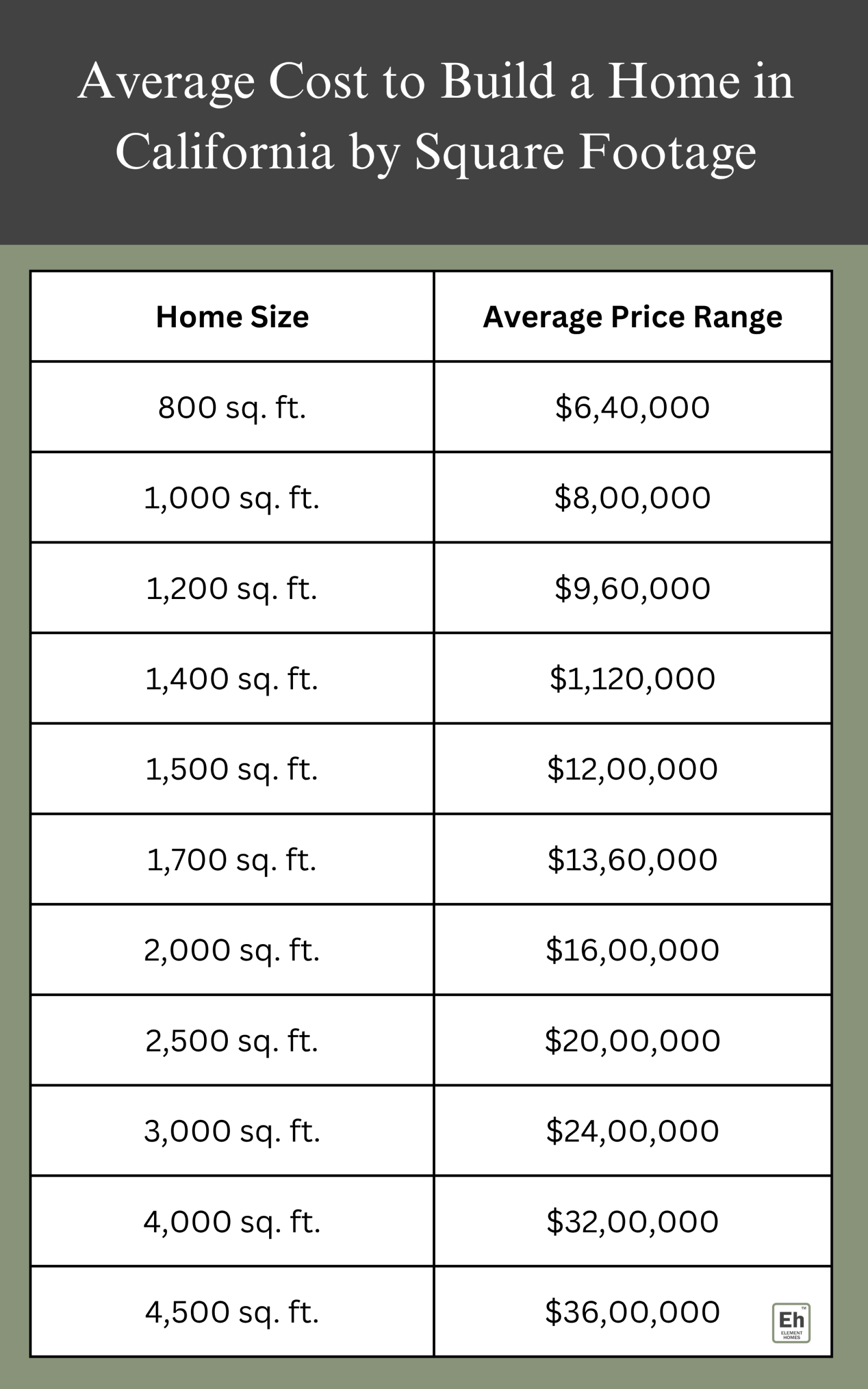
Are you dreaming of building your own home but worried about the costs? You're not alone.
Many aspiring homeowners find themselves asking, "What will it truly cost to build my dream house?" Understanding the material cost to build a 1500 sq ft house is a crucial step in making informed decisions.
We’ll dive deep into the specifics of what you can expect to spend on materials for a home of this size. Discovering these details will not only help you plan better but also ensure you avoid any unexpected surprises down the road. So, if you're ready to get a clear picture of your future home expenses, keep reading — the insights ahead could save you both time and money.
Credit: homeguide.com
Estimating Material Costs
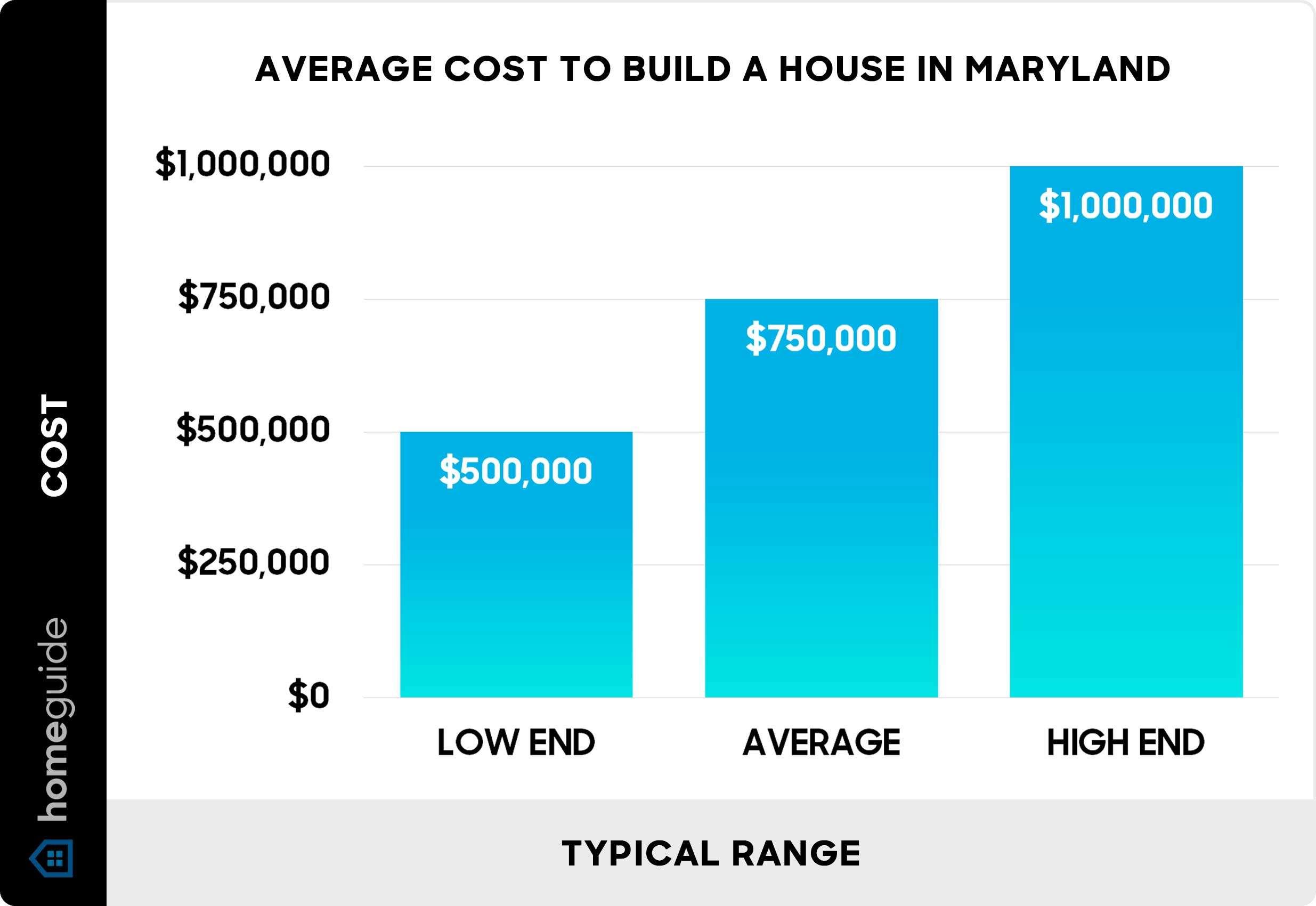
Estimating the material costs for building a 1500 sq ft house is crucial to managing your budget effectively. Knowing what materials you'll need and how much they cost helps avoid surprises that can derail your project. Let’s break down the essentials so you can make informed decisions.
Key Materials Needed
Your house will require a variety of materials, each playing a specific role in the build. Some of the main materials include:
- Concrete and Cement: For foundations, slabs, and structural support.
- Bricks or Blocks: Used for walls and external cladding.
- Lumber: Frames, roofing structures, and interior finishes.
- Steel: Reinforcement bars and sometimes beams.
- Roofing Materials: Tiles, shingles, or metal sheets.
- Finishing Materials: Paint, plaster, tiles, and flooring.
Each category comes with various quality grades and price points, so choose based on your budget and the durability you want.
Factors Affecting Prices
Material costs rarely stay constant. Several factors influence the prices you’ll encounter:
- Location: Transport costs can add up if materials aren’t locally available.
- Quality and Grade: Higher quality materials cost more but often save money in the long run.
- Seasonal Demand: Prices may spike during high-demand periods or shortages.
- Supplier Relationships: Building a good rapport can sometimes secure better deals.
Think about how these factors impact your choices. Would you prioritize cost savings now or durability over time?
Current Market Trends
Material prices have seen notable shifts recently. For instance, lumber costs have fluctuated significantly over the past few years due to supply chain disruptions. Concrete and steel prices have also been affected by global demand and tariffs.
Tracking these trends can help you decide when to buy materials or lock in prices. Are you ready to adjust your timeline to take advantage of lower prices? Staying informed means you can make smarter purchases and keep your project on budget.
Credit: www.houseplans.net
Budget-friendly Material Choices
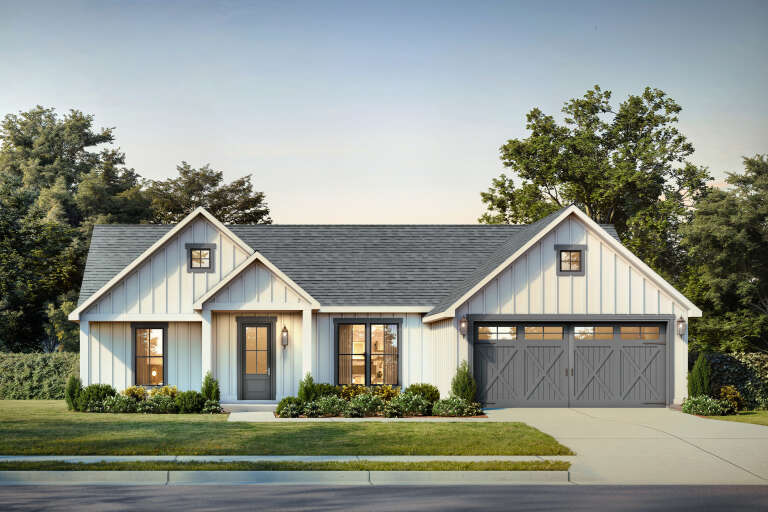
Building a 1500 sq ft house doesn’t mean you have to break the bank on materials. Smart choices can keep your budget intact without sacrificing quality. By selecting budget-friendly materials, you ensure your home is both durable and affordable.
Affordable Flooring Options
Flooring is a major expense, but you can find stylish and durable options that cost less. Vinyl plank flooring offers a wood-like look at a fraction of the price. It’s water-resistant and easy to install, making it perfect for high-traffic areas.
Laminate flooring is another great choice. It mimics hardwood and comes in many designs, yet it’s easier on your wallet. Don’t overlook ceramic tiles, especially for kitchens and bathrooms—they’re affordable and simple to maintain.
Cost-effective Roofing Materials
Your roof protects your home, but it doesn’t need to be expensive. Asphalt shingles are the most budget-friendly roofing material. They come in various colors and last up to 20 years with proper care.
Metal roofing is slightly pricier upfront but saves money long-term due to durability and energy efficiency. For a balance, consider corrugated metal sheets—they are cost-effective and easy to install. You might ask yourself: Would investing a bit more now save on repairs later?
Economical Wall Finishes
Walls take up most of your home’s surface area, so affordable finishes matter. Painted drywall remains the cheapest and most versatile option. Choose quality paint to prevent frequent repainting and keep your walls looking fresh.
Textured plaster can add character without a huge price tag. Alternatively, fiber cement siding offers durability and a modern look at an affordable cost. Think about how each finish will age and what maintenance it will need—you want to avoid surprise expenses down the road.
Regional Price Variations
Material costs for building a 1500 sq ft house vary widely by region. Prices depend on local demand, availability, and economic conditions. Understanding these variations helps plan a realistic budget. Builders and homeowners must consider where they build to estimate material expenses accurately.
Urban Vs Rural Costs
Urban areas often have higher material costs. Demand is greater, and suppliers charge more. Space limits storage, adding to expenses. Rural areas usually offer lower prices. Less demand means suppliers compete to sell. However, some materials may be harder to find outside cities.
Impact Of Local Suppliers
Local suppliers influence prices significantly. Buying from nearby sources reduces costs. They know the area and offer better deals. Importing materials from far away raises prices. Choosing the right supplier can save money and time. Support for local businesses also benefits the community.
Transportation Expenses
Transport costs add to the total material price. Longer distances mean higher fuel and labor costs. Heavy or bulky items increase transport fees. Road conditions and infrastructure affect delivery efficiency. Planning deliveries carefully can lower transportation expenses. Using local materials cuts these costs most effectively.
Credit: www.constructelements.com
Saving Tips For Material Costs
Saving money on materials can reduce the overall cost of building a 1500 sq ft house. Smart buying decisions help stretch your budget. Focus on strategies that lower expenses without cutting quality. These simple tips make a big difference in material costs.
Buying In Bulk
Purchasing materials in large quantities often leads to discounts. Suppliers prefer bulk orders and may offer lower prices. Buy common items like cement, bricks, and timber together. It reduces delivery charges and saves time. Plan material needs carefully to avoid waste.
Seasonal Discounts And Offers
Suppliers run promotions during specific seasons or holidays. Prices drop during off-peak construction months. Watch for sales on concrete, steel, and paint. Time purchases to benefit from these offers. Sign up for supplier newsletters to get alerts.
Recycled And Sustainable Materials
Using recycled materials cuts costs and supports the environment. Salvaged wood, bricks, and metal can be cheaper. Sustainable options like bamboo or compressed earth blocks reduce expenses. These materials often last long and look good. Check local sources for available recycled products.
Material Cost Breakdown
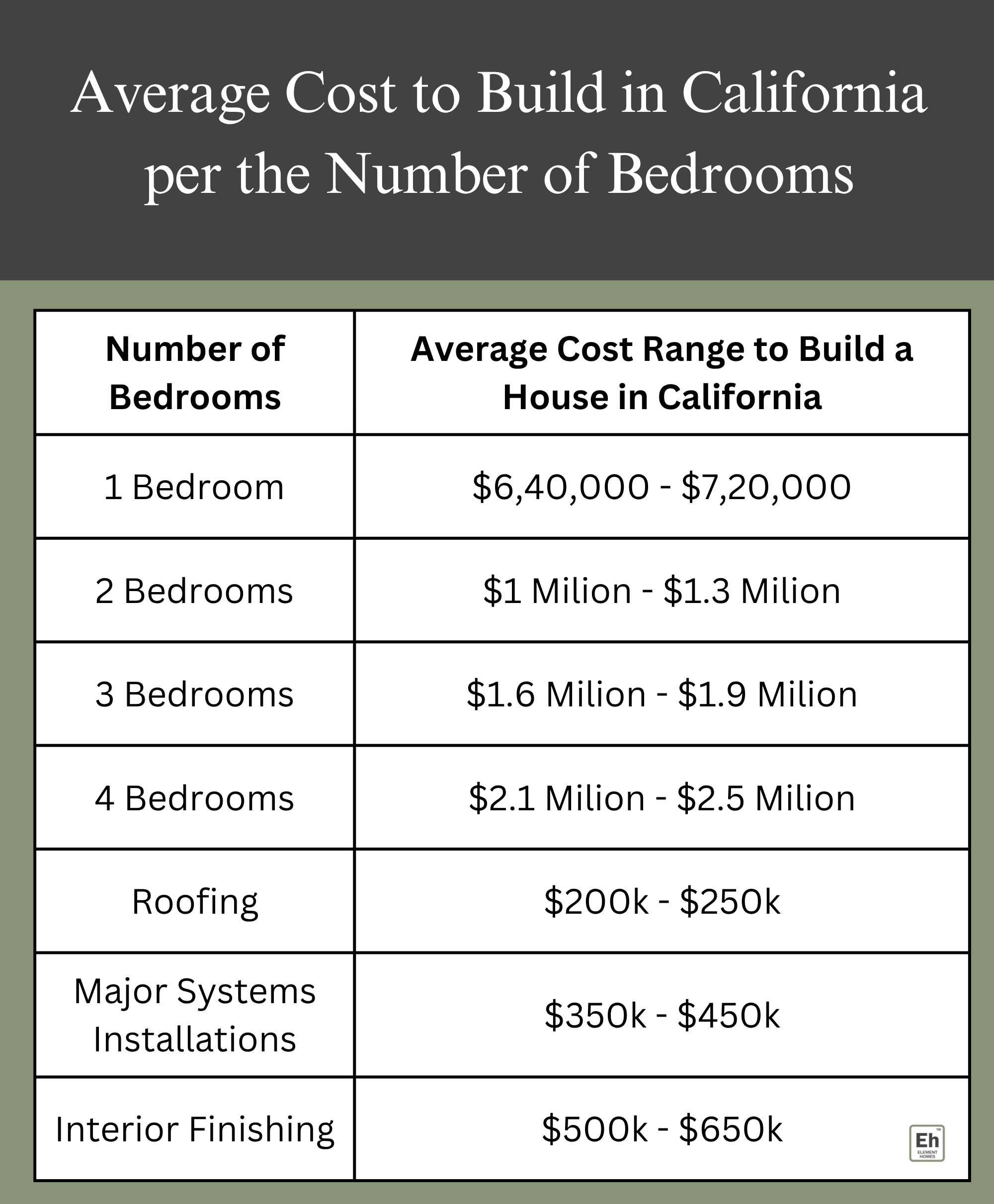
Understanding the material cost breakdown helps plan your budget clearly. It shows where money goes during house construction. Each part of the house uses different materials with varying prices. Knowing these costs avoids surprises and guides smart choices.
Foundation And Structure
The foundation supports the entire house. Materials include concrete, steel, and bricks. Concrete forms the base and walls, while steel adds strength. Bricks or blocks build the structure's frame. These materials vary in cost depending on quality and quantity.
- Concrete: Used for footings, slabs, and walls
- Steel reinforcement bars: Add durability to concrete
- Bricks or blocks: Build walls and partitions
- Sand and gravel: Mix with cement for concrete
Interior And Exterior Finishes
Finishes give the house its look and feel. Interior finishes include plaster, paint, flooring, and ceilings. Exterior finishes protect and decorate the outer walls. Common materials are paint, siding, and stucco. Finishes range in price based on style and durability.
- Plaster and drywall: Smooth wall surfaces inside
- Paint: Adds color and protects surfaces
- Flooring: Options include tile, wood, and carpet
- Ceilings: Materials like gypsum board or wood panels
- Siding: Vinyl, wood, or fiber cement for outside walls
Utilities And Fixtures
Utilities bring comfort and function to the home. Materials cover plumbing pipes, electrical wiring, and HVAC systems. Fixtures include faucets, lights, and bathroom accessories. Quality and brand affect the total cost of these items.
- Plumbing pipes: PVC, copper, or PEX tubing
- Electrical wiring: Cables and circuit breakers
- HVAC materials: Ducts, vents, and air handlers
- Fixtures: Sinks, toilets, lights, and switches
Planning For Unexpected Expenses
Building a 1500 sq ft house requires more than just estimating basic material costs. Unexpected expenses can arise at any stage of construction. Proper planning helps keep the budget intact. Preparing for surprises saves time, stress, and money.
Including a buffer in your budget avoids sudden financial strain. Understanding market trends and material options also aids in smart decisions. Flexibility in material choices can reduce costs without sacrificing quality.
Contingency Funds
A contingency fund acts as a financial safety net. Set aside at least 10% of the total material budget. This reserve covers unforeseen issues like damaged supplies or delivery delays. Without it, small problems can escalate into big expenses. Keep this money separate and accessible during construction.
Price Fluctuations In 2025
Material prices often change due to supply and demand shifts. In 2025, expect some fluctuations in key materials like lumber, steel, and concrete. Global events and local policies can also impact costs. Monitor price trends regularly to adjust your budget accordingly. Early purchases of stable materials can lock in better prices.
Adjusting Material Choices
Choosing alternative materials can help manage costs. Look for durable yet affordable options. For example, use engineered wood instead of solid lumber. Recycled materials offer eco-friendly and cost-effective solutions. Discuss these choices with your builder to maintain quality. Small changes can lead to significant savings without lowering standards.
Frequently Asked Questions
What Is The Average Material Cost For A 1500 Sq Ft House?
The average material cost ranges from $45,000 to $75,000. Costs vary based on location, material quality, and design complexity. This estimate covers essentials like cement, bricks, steel, wood, and finishes.
Which Materials Most Affect The Total Building Cost?
Concrete, steel, bricks, and wood are major cost drivers. Quality and quantity of these materials influence the overall budget significantly. Choosing local and sustainable options can reduce expenses.
How Can I Reduce Material Costs When Building A House?
Opt for locally sourced materials and buy in bulk. Consider alternative materials like compressed earth blocks or recycled wood. Efficient design reduces waste and lowers material needs, saving money.
Does Material Cost Vary By Region For 1500 Sq Ft Homes?
Yes, material prices differ due to local availability and transport costs. Urban areas often have higher prices than rural regions. Researching regional suppliers helps get accurate cost estimates.
Conclusion
Building a 1500 sq ft house requires careful planning and budgeting. Material costs vary by location and quality. Knowing the average prices helps you avoid surprises. Always compare prices before buying materials. Small savings on materials add up quickly. Keep track of expenses to stay within budget.
This knowledge makes your building process smoother and less stressful. Planning well leads to a stronger, affordable home.